GPS asset tracker — passive location monitoring for valuable equipment and vehiclesCategoriesTrailer Tracking

Asset Tracker: Complete Guide to Protecting Valuable Equipment and Vehicles with Passive GPS Technology

Asset tracker technology has become a critical component for organizations managing valuable equipment, vehicles, and mobile resources across distributed locations. Whether protecting construction machinery, commercial fleets, or high-value inventory, the right tracking solution can mean the difference between rapid recovery and permanent loss. Businesses face mounting pressure to account for every piece of equipment while reducing operational overhead and preventing theft-related losses that impact the bottom line.

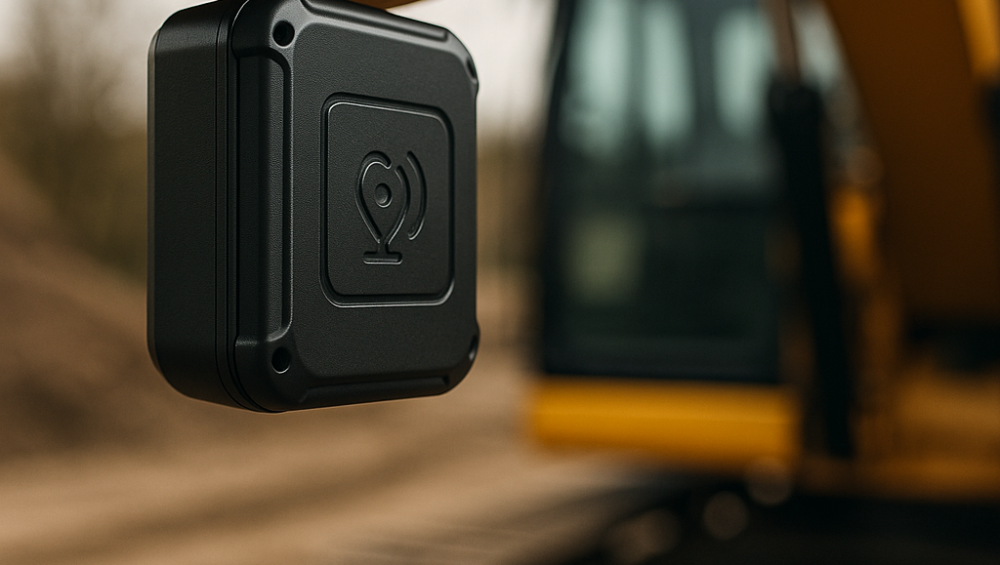
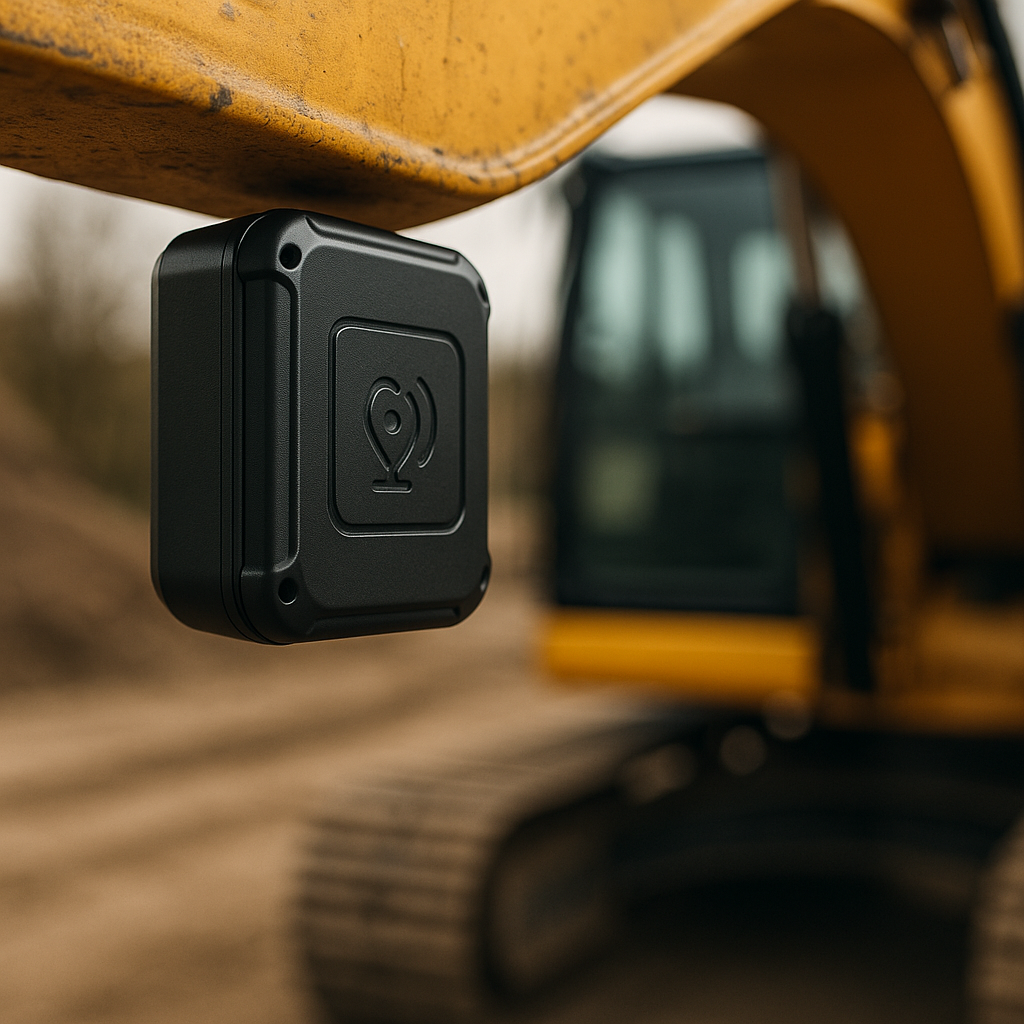
asset tracker - passive GPS tracker on heavy equipment

The challenge extends beyond simple location monitoring. Fleet managers and operations directors need tracking systems that work continuously without constant maintenance, provide reliable position data without monthly subscription complexity, and deliver actionable intelligence when assets move unexpectedly. Traditional monitoring approaches often fail when equipment operates in remote locations, when battery maintenance becomes impractical, or when surveillance needs extend across hundreds of dispersed items.

Passive GPS tracking solutions address these challenges by combining extended battery performance with strategic position reporting that prioritizes longevity over constant connectivity. This approach transforms how organizations protect their investments while maintaining operational flexibility across diverse environments and use cases.

How Asset Tracker Technology Protects High-Value Equipment and Mobile Resources

Modern tracking systems function through specialized hardware that captures satellite positioning data and transmits location information at predetermined intervals. Unlike continuous monitoring systems that drain power rapidly, passive GPS technology balances detection capability with energy efficiency. The device remains dormant between scheduled check-ins, activating only to capture coordinates and relay position updates through cellular networks.

This strategic approach enables battery life measured in months rather than days. A 90-day operational period between charges means fleet managers can deploy trackers across dozens or hundreds of assets without building charging routines into daily workflows. Equipment operating in remote construction sites, rental fleets dispersed across regions, or trailers left in storage yards all benefit from monitoring that functions independently for extended periods.

The positioning accuracy relies on multi-constellation satellite reception that triangulates coordinates within meters of actual location. When paired with historical tracking data, this creates movement patterns that reveal utilization rates, unauthorized relocations, and operational inefficiencies. Organizations gain visibility into whether equipment sits idle at job sites, moves between authorized locations during expected timeframes, or disappears entirely from designated areas.

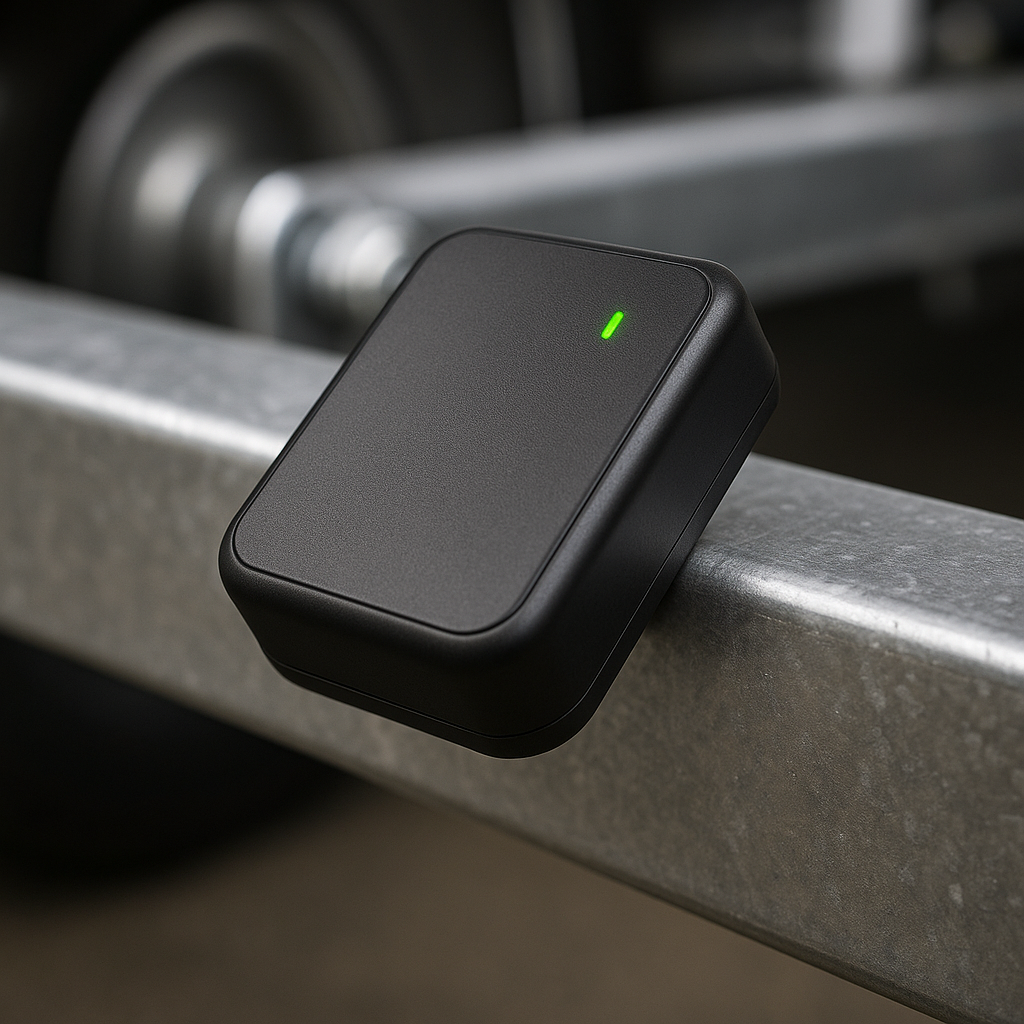
Installation simplicity represents another practical advantage. Magnetic mounting systems allow attachment to metal surfaces without drilling, wiring, or permanent modification. This non-invasive approach works across equipment types—from excavators and generators to utility trailers and commercial vehicles. The same tracker that monitors a telehandler can redeploy to a different asset when needs change, providing flexibility that hard-wired systems cannot match.

Critical Selection Criteria for Business and Commercial Applications

Choosing the appropriate tracking solution requires evaluating several technical and operational factors that determine long-term effectiveness. Battery performance stands as the primary differentiator separating practical solutions from maintenance-intensive alternatives. Systems requiring weekly or biweekly charging create operational burden that undermines the convenience tracking should provide. A up to 5-year battery life life eliminates this friction, allowing equipment to remain monitored throughout project cycles, rental periods, or storage intervals without intervention.

Coverage reliability determines whether tracking data reaches management systems when needed most. Devices must operate across cellular networks in both urban environments and remote locations where construction and industrial equipment frequently operates. Multi-network compatibility ensures position updates transmit successfully regardless of geographic location, preventing coverage gaps that leave assets invisible during critical periods.

Environmental durability protects the tracking hardware itself from the harsh conditions equipment faces. Weatherproof enclosures withstand rain, snow, dust, and temperature extremes that would disable consumer-grade electronics. Impact resistance prevents damage from vibration, shock, and the rough handling common in construction, rental, and transportation environments. A tracker that fails after exposure to job site conditions provides no protection at all.

Management interface design affects daily usability and adoption across teams. Platforms should display fleet location data through intuitive maps, provide configurable alerts for unauthorized movement, and generate utilization reports without requiring technical expertise. The system serves its purpose only when fleet managers, operations staff, and business owners can access actionable information quickly and make informed decisions based on current asset status.

For organizations managing specialized equipment, integration with existing workflows matters significantly. Tracking data should complement maintenance schedules, rental agreements, and project management systems rather than creating isolated information silos. When position history correlates with utilization records, businesses gain deeper insights into equipment ROI and can optimize acquisition decisions based on actual deployment patterns rather than assumptions.

Theft Prevention and Recovery Capabilities That Protect Business Assets

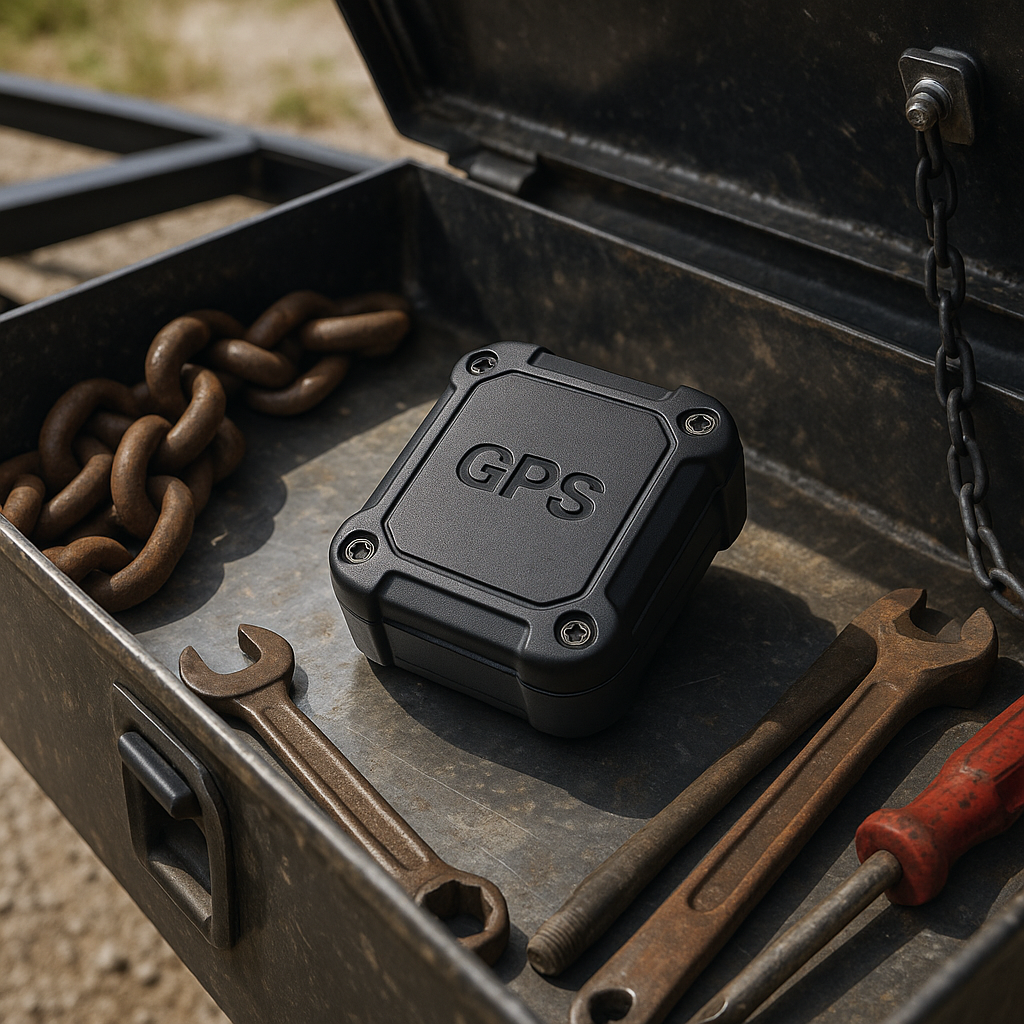
asset tracker - GPS tracking device mounted on machinery

Equipment theft represents a persistent threat with consequences extending beyond immediate financial loss. Stolen machinery disrupts project timelines, forces expensive replacement purchases, increases insurance premiums, and damages client relationships when contractors cannot fulfill commitments. Recovery rates for stolen equipment remain discouragingly low without tracking technology, as thieves quickly transport items across jurisdictions or strip them for parts.

Tracking devices transform this equation by maintaining continuous surveillance even when equipment leaves authorized locations. The moment a tracked asset moves outside designated boundaries, automated alerts notify management teams through mobile applications and email notifications. This immediate awareness enables rapid response—contacting law enforcement with precise coordinates while the equipment remains recoverable rather than discovering theft hours or days later when recovery becomes nearly impossible.

The deterrent effect provides additional value beyond actual recovery capability. Visible tracking labels or discreet mentions of GPS monitoring during equipment handoff discourage opportunistic theft by increasing perceived risk. Professional thieves targeting high-value machinery often scout for unprotected assets; equipment with known tracking reduces its attractiveness as a target relative to unmonitored alternatives.

Historical position data proves invaluable during investigations and insurance claims. Timestamped location records demonstrate exactly when unauthorized movement occurred, which routes thieves used, and where equipment traveled before recovery or loss. This documentation supports law enforcement investigations, insurance claim processing, and potential legal proceedings against responsible parties. Without tracking records, businesses rely on witness statements and circumstantial evidence that rarely produces satisfactory outcomes.

For rental companies and equipment lessors, tracking technology adds accountability to customer relationships. Knowing precise equipment location throughout rental periods prevents disputes about condition, location, or unauthorized use. If lessees fail to return items on schedule, GPS data eliminates guesswork about current whereabouts and facilitates efficient recovery through legal channels when necessary.

Optimizing Equipment Utilization and Operational Efficiency Through Location Intelligence

Beyond security applications, tracking technology reveals utilization patterns that drive strategic business decisions. Many organizations discover significant portions of their equipment fleet sits idle while other assets face overuse. This imbalance increases unnecessary capital expenditures on underutilized purchases while accelerating wear on overworked machinery. Position data exposes these inefficiencies by documenting actual movement and deployment across time periods.

Fleet managers gain visibility into which assets remain stationary at completed job sites, which items travel frequently between projects, and which equipment justifies its acquisition cost through consistent utilization. This intelligence informs rightsizing decisions—determining optimal fleet composition based on documented need rather than estimation. Organizations often reduce total equipment inventory after discovering that better allocation of existing assets eliminates redundancy and excess capacity.

Project planning improves when managers know exactly where every asset currently operates. Instead of purchasing or renting additional equipment for new projects, teams can identify underutilized items at other locations and redeploy them efficiently. This internal sharing maximizes return on existing investments and reduces the operational expenses associated with maintaining oversized fleets or paying premium rates for last-minute rentals.

Maintenance scheduling benefits from accurate utilization tracking as well. Rather than servicing equipment based solely on calendar intervals, maintenance teams can prioritize items with documented heavy use while extending service intervals for lightly used assets. This data-driven approach optimizes maintenance budgets, prevents unnecessary downtime, and ensures critical equipment receives attention proportional to actual wear and operational stress.

For businesses with multiple locations or regional operations, tracking data identifies geographic imbalances in equipment distribution. One branch may maintain excess capacity while another frequently rents supplemental machinery to meet demand. Recognizing these patterns enables strategic reallocation that improves overall fleet efficiency and reduces total cost of ownership across the organization. Companies frequently discover that better distribution eliminates the need for planned expansions or new acquisitions.

Implementation Strategies for Construction, Rental, and Fleet Operations

asset tracker - construction fleet asset management

Successful deployment begins with identifying which assets warrant tracking based on value, theft risk, and utilization uncertainty. High-value items like excavators, generators, telehandlers, and specialized machinery typically justify tracking investment immediately. Lower-value but frequently misplaced items—trailers, compressors, and portable equipment—often benefit equally from monitoring that prevents loss and improves accountability.

Installation timing should align with operational cycles to minimize disruption. Attaching trackers during regular maintenance windows, equipment transport, or storage periods prevents workflow interruption. The magnetic mounting approach used by quality tracking devices enables installation in minutes without specialized tools or technical expertise. Placement locations should balance magnetic surface availability, cellular signal reception, and discretion to prevent tampering.

Team training ensures staff understand alert systems, monitoring procedures, and response protocols when unauthorized movement occurs. Operations personnel should know how to check equipment location through mobile applications, whom to contact when alerts trigger, and what information to provide law enforcement during theft incidents. This preparation transforms tracking technology from passive monitoring into active protection that delivers results when needed most.

Alert configuration requires thoughtful customization based on operational patterns. Construction equipment that moves daily between job sites needs different alert parameters than rental inventory expected to remain stationary between deployments. Geofencing capabilities allow managers to establish virtual boundaries around authorized locations, triggering notifications only when assets exit designated areas rather than generating alerts for every expected movement.

Documentation practices should incorporate tracking device identifiers into existing asset management systems. Linking tracker serial numbers with equipment inventory records ensures teams can quickly identify which device monitors which asset. This integration proves essential when managing dozens or hundreds of tracked items across complex operations. Regular audits verify all critical equipment maintains active tracking coverage and no devices have failed or lost connection.

For organizations implementing tracking across multiple locations, standardized procedures ensure consistent protection regardless of which team manages specific equipment. Regional managers should follow identical protocols for device activation, placement, alert response, and data review. This standardization prevents coverage gaps that occur when some locations prioritize tracking while others neglect proper implementation.

Extending Asset Tracker Applications Beyond Traditional Equipment Monitoring

While construction and heavy equipment represent primary use cases, tracking technology protects diverse asset categories across industries. Commercial vehicle fleets including trucks, vans, and service vehicles benefit from the same location intelligence that protects machinery. Fleet managers gain visibility into vehicle location during off-hours, verify proper use of company resources, and recover stolen vehicles before they disappear permanently.

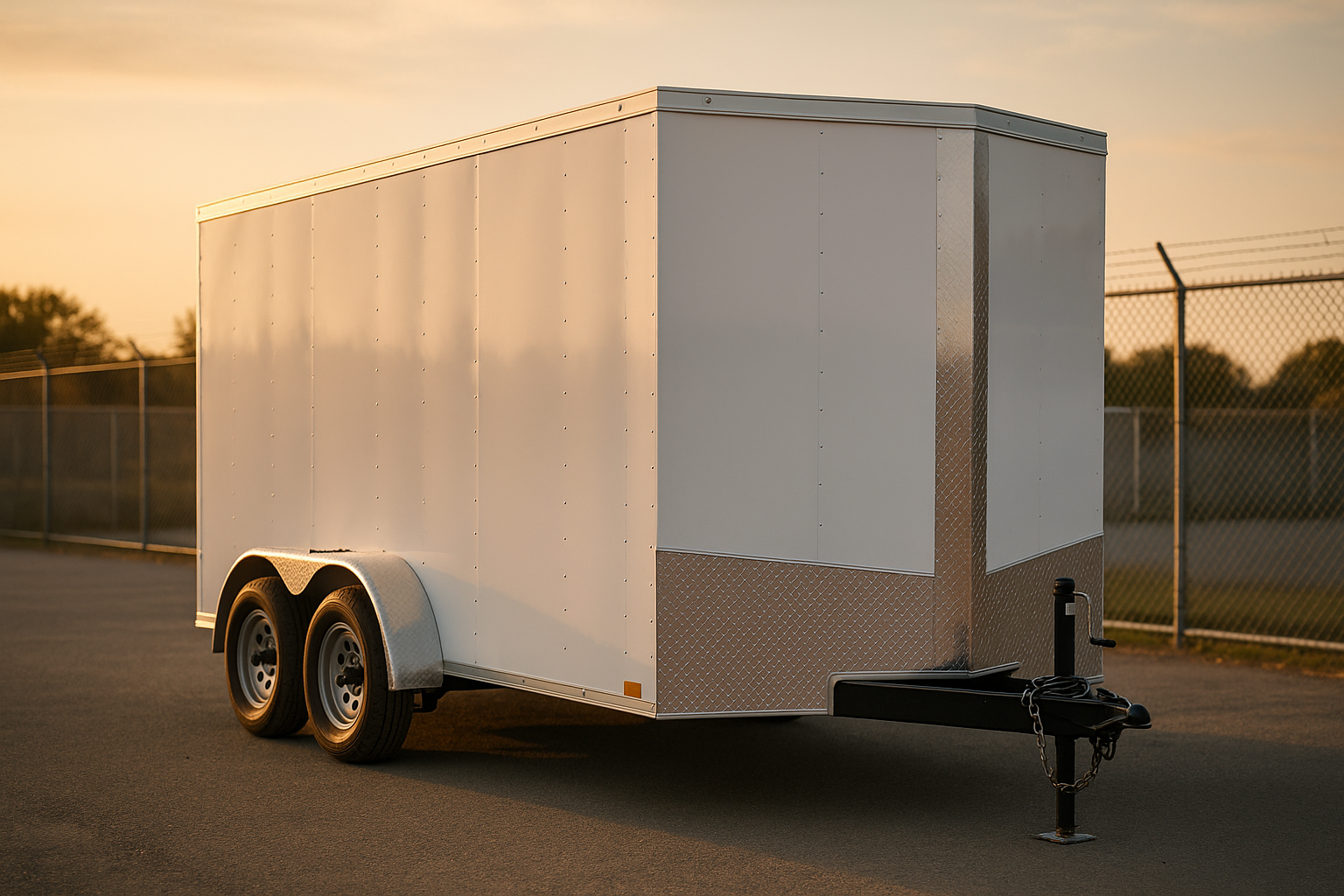
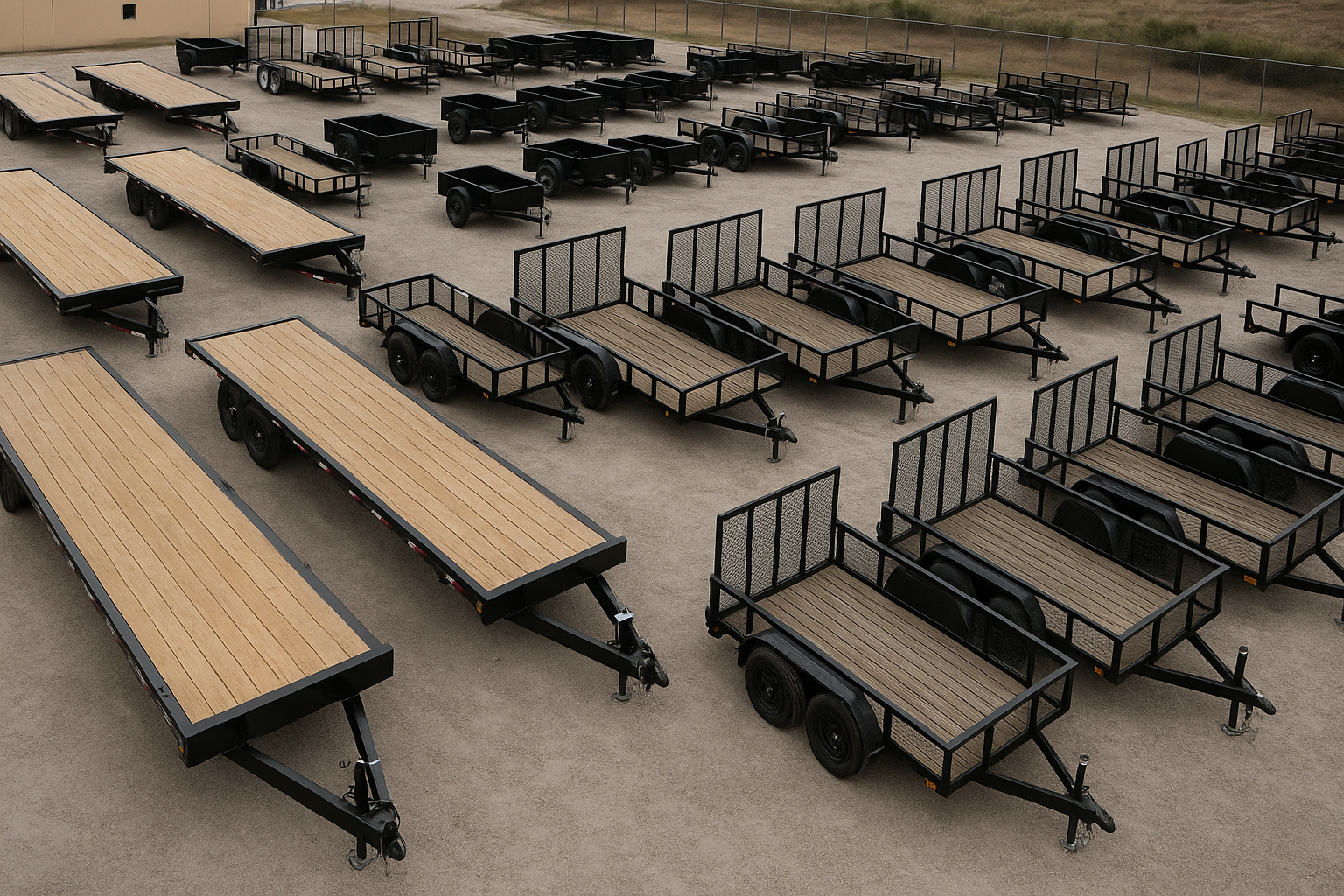
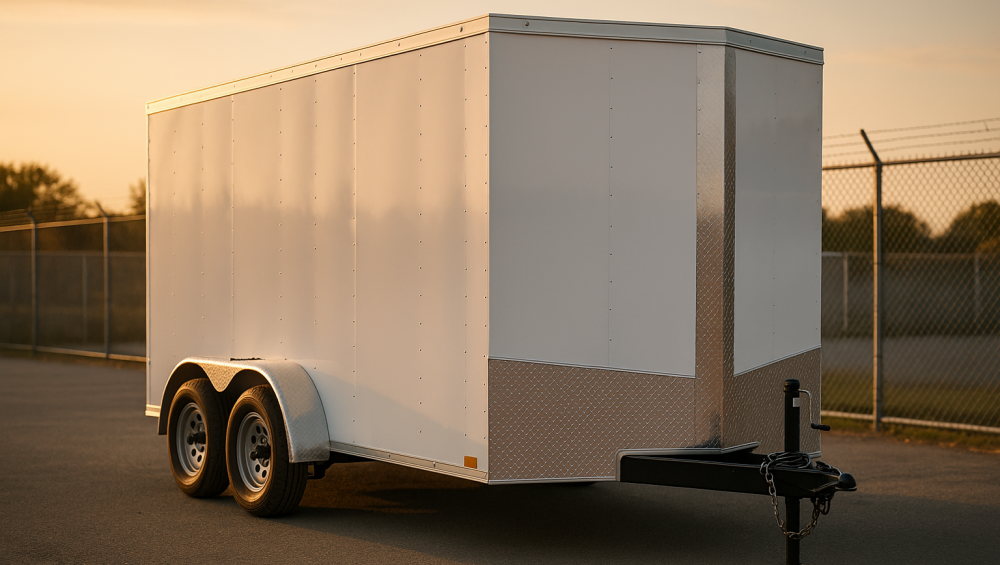
Trailer operations face unique challenges since unpowered equipment lacks the electrical systems that support hardwired tracking. Passive GPS devices with extended battery life solve this problem by providing months of monitoring without external power sources. Whether tracking utility trailers, cargo trailers, or specialized hauling equipment, organizations maintain visibility throughout storage periods, transport cycles, and customer rental periods.

Shipping containers and cargo assets moving through supply chains require monitoring that functions across long distances and extended timeframes. Traditional tracking approaches fail when containers sit in storage yards or transit across regions with inconsistent connectivity. Battery-powered passive tracking provides the operational duration needed for logistics applications while maintaining positioning accuracy throughout complex distribution networks.

Rental companies serving contractors, event organizers, and temporary projects face constant challenges verifying customer compliance with geographic restrictions and return schedules. Tracking technology embedded in rental equipment—generators, lighting towers, pumps, and tools—provides definitive location records that prevent disputes and facilitate recovery when customers fail to meet contractual obligations. This accountability protects rental inventory and supports enforcement actions when necessary.

Personal and commercial vehicles including cars, trucks, and motorcycles warrant protection through similar tracking capabilities. Vehicle owners concerned about theft recovery, unauthorized use by employees or family members, or location verification during lending periods all benefit from discreet monitoring that operates independently without constant oversight. The same up to 5-year battery life advantage that serves fleet applications provides practical protection for individual vehicle owners without maintenance burden.

Specialized applications continue emerging as organizations recognize the versatility of passive GPS technology. Agricultural equipment operating across vast rural properties, marine assets including boats and watercraft, and even high-value inventory shipments all benefit from location monitoring that balances battery efficiency with positioning accuracy. The fundamental principle remains constant: valuable mobile assets warrant protection, and tracking technology provides cost-effective insurance against loss, theft, and operational inefficiency.

Cost Considerations and Return on Investment for Tracking Technology

Evaluating the financial justification for asset tracking requires comparing implementation costs against potential loss scenarios and operational improvements. The direct expense of tracking hardware represents a one-time investment significantly smaller than the replacement cost of even a single stolen asset. When measured against the value of construction equipment, commercial vehicles, or specialized machinery, tracking devices deliver compelling cost-benefit ratios that favor implementation.

Subscription models for tracking services vary considerably across providers. Some systems impose monthly or annual fees per device that accumulate into substantial ongoing expenses, particularly for organizations tracking dozens or hundreds of assets. Others operate without recurring costs, providing position data access without perpetual billing. This distinction dramatically affects total cost of ownership over multi-year deployment periods and should factor prominently into selection decisions.

Insurance premium reductions frequently offset tracking implementation costs partially or entirely. Many commercial insurers recognize that GPS-monitored equipment faces lower theft risk and improved recovery likelihood, translating into reduced claim frequency and severity. Organizations should consult insurance providers about potential premium adjustments before deployment, as documented tracking programs often qualify for meaningful discounts that improve overall program economics.

The operational benefits extend beyond direct cost recovery to include productivity improvements and efficiency gains that affect profitability indirectly. Reducing time spent locating misplaced equipment, preventing project delays caused by theft, and optimizing fleet utilization all contribute to bottom-line performance even without catastrophic loss events. These ongoing advantages compound annually, making the return on investment increasingly favorable as deployment duration extends.

For equipment rental operations, tracking technology enables business model improvements that generate additional revenue. Companies can offer premium services for tracked equipment, implement usage-based pricing models supported by definitive location data, and reduce losses from non-returned or misappropriated rental inventory. These capabilities transform tracking from a cost center into a profit enabler that differentiates rental providers in competitive markets.

Risk mitigation represents an often-undervalued component of financial analysis. The probability of equipment theft or loss may seem remote until it occurs, but the consequences of major asset disappearance extend beyond replacement costs to include project delays, client relationship damage, and opportunity costs from disrupted operations. Tracking technology provides insurance against low-probability but high-impact events that can significantly harm business performance.

Frequently Asked Questions About Asset Tracking Solutions

What makes passive GPS tracking different from passive location monitoring systems?

Passive GPS tracking captures and stores position data at predetermined intervals rather than transmitting location continuously. This approach dramatically extends battery life by reducing power consumption, enabling devices to operate for 90 days or longer between charges. The system still provides current location information when accessed but avoids the constant connectivity that drains batteries rapidly in passive systems. For most business applications, position updates every few hours provide sufficient monitoring while maximizing operational convenience through extended battery performance.

How long do asset tracker batteries typically last before requiring recharge or replacement?

Battery performance varies significantly across tracking devices based on reporting frequency, cellular connectivity requirements, and power management design. Quality passive GPS trackers optimized for extended deployment achieve 90-day operational periods between charges under normal conditions. This duration allows organizations to monitor equipment throughout typical project cycles, rental periods, or seasonal storage intervals without maintenance intervention. Devices requiring weekly or biweekly charging create operational burden that undermines tracking convenience and often leads to compliance lapses that defeat protection purposes.

Can asset trackers function in remote locations without cellular coverage?

GPS position capture functions anywhere with clear sky visibility regardless of cellular connectivity, but transmitting location data to management systems requires cellular network access. Quality tracking devices support multiple cellular carriers and automatically connect to available networks, maximizing coverage across diverse geographic areas. In truly remote locations without any cellular service, devices store position data locally until connectivity resumes, then upload the complete location history. This ensures no gaps in tracking records even when equipment operates temporarily beyond network coverage.

What happens if someone discovers and removes the tracking device from equipment?

Discreet installation in concealed locations reduces tampering risk significantly, as thieves unaware of tracking presence cannot remove devices they cannot find. Quality trackers include tamper alerts that notify management if the device experiences sudden movement, disconnection, or other indicators of interference. When properly placed in hidden locations on equipment frames or within compartments, removal becomes difficult even for individuals actively searching for tracking hardware. Multiple device deployment on high-value assets provides additional redundancy against discovery and removal attempts.

Do asset tracking systems work on unpowered equipment like trailers and portable machinery?

Battery-powered passive GPS trackers function independently without external power sources, making them ideal for trailers, generators, compressors, and other equipment lacking electrical systems. The up to 5-year battery life capacity provides extended monitoring throughout storage periods, rental deployments, and transportation cycles without requiring connection to vehicle power. This independence eliminates installation complexity and enables tracking across asset types that hardwired systems cannot accommodate. Regular recharging during maintenance intervals or equipment storage periods maintains continuous protection without operational disruption.

Implementing Comprehensive Protection for Valuable Business Assets

Protecting equipment, vehicles, and mobile resources requires more than basic location awareness—it demands reliable technology that operates continuously without constant oversight, provides actionable intelligence when assets face risk, and delivers operational insights that improve business efficiency. Asset tracker solutions combining passive GPS technology with extended battery performance address these requirements through practical systems that work across diverse environments and application scenarios.

Organizations implementing tracking protection gain multiple strategic advantages simultaneously. Theft deterrence and rapid recovery capability protect capital investments and prevent project disruptions that damage client relationships. Utilization intelligence reveals equipment deployment patterns that inform fleet optimization decisions and reduce unnecessary capital expenditures. Accountability systems prevent loss through improved oversight and documentation that supports insurance claims and recovery efforts when loss occurs. These benefits compound over time, making tracking technology increasingly valuable as deployment duration extends and operational learning accumulates.

The selection process should prioritize battery longevity, coverage reliability, environmental durability, and management system usability above all other considerations. A 90-day operational period between charges eliminates maintenance burden that undermines protection consistency. Multi-network cellular connectivity ensures position updates transmit successfully regardless of equipment location. Weatherproof construction withstands the harsh conditions equipment faces across construction sites, rental yards, and transportation environments. Intuitive management interfaces enable teams to access location data quickly and respond effectively when alerts indicate unauthorized movement.

Implementation success depends on thoughtful deployment planning, team training, and integration with existing operational workflows. Identifying which assets warrant tracking based on value and risk, installing devices during convenient maintenance windows, configuring alerts appropriate to operational patterns, and standardizing procedures across locations all contribute to programs that deliver sustained protection rather than temporary monitoring that deteriorates over time. Organizations treating tracking as strategic infrastructure rather than optional add-ons achieve the most significant benefits from their investment.

Whether protecting construction equipment tracking deployments across multiple job sites, securing rental fleet inventory dispersed among customers, or monitoring commercial vehicles throughout daily operations, the fundamental requirement remains consistent: valuable mobile assets warrant reliable protection that functions continuously without operational burden. Modern tracking technology delivers this capability through systems purpose-built for business applications demanding both performance and practicality. Explore comprehensive asset tracker solutions with up to 5-year battery life life designed specifically for commercial fleet protection, equipment monitoring, and theft prevention across diverse operational environments.


GPS tracker for heavy machinery — passive location monitoring, 5-year batteryCategoriesTrailer Tracking

Heavy Machinery Tracking: The Essential Guide to Protecting High-Value Assets with Passive GPS Technology

Heavy machinery tracking has become indispensable for construction companies, equipment rental operators, and industrial fleet managers who need reliable visibility into their most valuable mobile assets. When excavators, bulldozers, cranes, and other heavy equipment represent investments worth hundreds of thousands per unit, the financial exposure from theft, misplacement, or underutilization creates serious operational and financial risks that demand immediate attention.

heavy machinery tracking - passive GPS tracker on heavy equipment

Traditional approaches to monitoring heavy machinery locations—manual logbooks, periodic site visits, or memory-based tracking—fail to provide the accountability and precision that modern operations require. Passive GPS tracking technology solves this challenge by delivering accurate location data without the complexity, installation burden, or frequent battery replacements that plague other tracking methods. The right tracking solution empowers fleet managers to make informed decisions about asset deployment, quickly recover stolen equipment, and maximize the return on every piece of machinery in their inventory.

The up to 5-year battery life life advantage distinguishes superior passive GPS tracking from competing technologies that demand constant attention and frequent maintenance. For equipment that operates across multiple job sites, sits idle between projects, or gets stored in remote yards, extended battery performance ensures continuous protection without adding to already demanding workload requirements for fleet supervisors and operations teams.

Why Heavy Machinery Tracking Matters for Construction and Industrial Operations

Construction equipment theft represents one of the most significant financial threats facing contractors and equipment owners today. Heavy machinery often sits unattended at job sites, storage yards, or between rental periods, creating opportunities for organized theft rings that target high-value assets. A single stolen excavator or loader can disrupt project timelines, force expensive rental replacements, increase insurance premiums, and damage client relationships when deadlines get missed.

Beyond theft prevention, tracking technology addresses the visibility gap that exists in multi-site operations. Fleet managers overseeing equipment spread across dozens of locations struggle to answer basic questions: Which bulldozer is closest to the new project site? Is that compactor still at the completed job or already moved to storage? Did the skid steer actually get delivered to the subcontractor as scheduled? Without accurate location data, operations teams waste hours making phone calls, driving between sites, and dealing with the inefficiency of poor asset visibility.

Equipment utilization directly impacts profitability, yet most construction companies lack reliable data about how their machinery actually gets used. Heavy machinery tracking reveals which assets sit idle while rental equipment gets brought in unnecessarily, which pieces could be redeployed to eliminate equipment shortages at other locations, and which underperforming assets should be sold or retired. This utilization intelligence transforms equipment management from guesswork into data-driven decision making that improves the bottom line.

Maintenance scheduling becomes more accurate when tracking systems capture actual equipment movements and deployment patterns. Rather than relying on operator-reported hours that may be incomplete or inaccurate, passive GPS tracking provides objective data about when machinery arrived at job sites, how long it remained deployed, and when it moved to new locations. This information supports better maintenance planning and helps prevent the costly breakdowns that occur when service intervals get missed or equipment runs beyond recommended limits.

How Passive GPS Technology Works for Heavy Equipment Assets

Passive GPS tracking operates fundamentally differently from passive location monitoring systems, using a recording and reporting model specifically designed for assets that don’t require second-by-second monitoring. The GPS device captures location data at predetermined intervals throughout its deployment period, storing this information internally until the scheduled reporting time arrives. When the device communicates with the tracking platform, it transmits all stored location points, creating a complete movement history without the battery drain associated with constant transmission.

This passive approach delivers exceptional battery longevity because the device spends most of its time in low-power mode, only activating the GPS receiver and cellular radio when necessary for location capture and data transmission. The up to 5-year battery life life that results from this efficient design eliminates the maintenance burden that comes with tracking systems requiring weekly or monthly battery changes—a critical advantage for heavy machinery that may be deployed at remote sites or stored in locations without easy access to power.

Installation simplicity represents another key advantage of passive tracking for heavy equipment. The compact, weatherproof devices mount discreetly on machinery using magnetic attachment, adhesive backing, or simple bracket installation, requiring no wiring into vehicle electrical systems and no professional installation services. Fleet managers can deploy tracking across their entire equipment inventory in hours rather than the days or weeks required for hardwired systems, and devices can be quickly relocated when equipment gets sold, reassigned, or temporarily taken out of service.

The tracking platform aggregates location data from all monitored assets, presenting fleet managers with a comprehensive view of equipment locations, movement histories, and deployment patterns. Map-based interfaces show where each piece of machinery is currently located, while historical reporting reveals movement patterns over days, weeks, or months. This combination of current status and historical intelligence supports both operational decision making—which excavator should go to the new job site?—and strategic planning around equipment acquisition, disposal, and fleet sizing.

Key Features That Maximize Heavy Machinery Tracking Value

heavy machinery tracking - GPS tracking device mounted on machinery

Geofence capabilities transform passive tracking from a simple location tool into a proactive security system for high-value machinery. Fleet managers establish virtual boundaries around approved job sites, equipment yards, and storage facilities, then receive automatic alerts when machinery moves outside these designated zones. For construction companies with equipment spread across multiple project locations, geofencing provides immediate notification of unauthorized movement that could indicate theft, helping recovery efforts begin while stolen equipment remains close and recovery remains possible.

Extended reporting intervals balance visibility needs with battery conservation, allowing fleet managers to customize how frequently each device captures and transmits location data. Equipment actively deployed on job sites might report daily or every few days, providing regular location updates without excessive battery consumption. Machinery in long-term storage or sitting idle between projects can use longer reporting intervals that extend battery life while still providing security monitoring and location confirmation when deployment decisions need to be made.

Rugged, weatherproof construction ensures tracking devices survive the harsh conditions typical in construction and industrial environments. Heavy machinery operates in dust, mud, extreme temperatures, precipitation, and physical vibration that would quickly destroy consumer-grade electronics. Industrial-grade passive GPS trackers use sealed enclosures with high ingress protection ratings, protecting internal electronics from moisture, particulates, and physical shock while maintaining reliable operation across temperature extremes from winter storage to summer job sites.

Multi-asset fleet management through a unified platform provides the scalability that growing operations require. Rather than managing individual tracking devices through separate interfaces, fleet managers view their entire heavy machinery inventory through a single dashboard that shows all equipment locations, movement histories, and alert status. This consolidated view supports efficient fleet oversight whether the operation includes ten pieces of equipment or hundreds spread across multiple states or regions.

Historical movement reporting delivers insights that go beyond current location visibility. By reviewing where machinery has been deployed over weeks or months, operations managers identify underutilized assets that could be redeployed or sold, recognize equipment that consistently moves between the same locations where permanent assignment might improve efficiency, and validate that machinery gets used as intended rather than sitting idle at locations where it provides no value. These historical insights support continuous improvement in equipment management practices.

Implementing Heavy Machinery Tracking Across Your Fleet

Successful tracking implementation begins with equipment prioritization based on theft risk, utilization questions, and asset value. Fleet managers should first deploy tracking on the highest-value machinery with the greatest theft exposure—excavators, bulldozers, loaders, and other equipment that represents significant capital investment and attracts organized theft. Equipment that frequently moves between job sites or gets rented to external customers also deserves priority tracking, as these assets face higher loss risk and benefit most from location visibility.

Device placement on heavy machinery requires consideration of GPS signal reception, physical security, and practical accessibility. The tracker needs clear sky view for reliable satellite reception, meaning placement on top or high on the equipment frame typically works best. However, the device should also be positioned discretely to avoid detection by potential thieves, and located where legitimate operators won’t accidentally damage or dislodge it during normal equipment operation. Weatherproof enclosures and secure mounting ensure the tracker remains protected and functional despite the vibration, impacts, and environmental exposure common in construction environments.

Fleet-wide rollout becomes manageable when approached systematically rather than attempting to track every asset simultaneously. Starting with a pilot group of high-priority equipment allows the operations team to develop installation best practices, establish monitoring procedures, and demonstrate tracking value before expanding to the full fleet. This phased approach also spreads the upfront investment over time and allows budget allocation to align with demonstrated return on investment from the initial deployment.

Training for operations personnel, site supervisors, and equipment coordinators ensures the tracking system gets used effectively rather than becoming another ignored technology tool. Team members need to understand how to check equipment locations before making deployment decisions, how to interpret movement histories when investigating equipment issues, and how to respond to geofence alerts that may indicate theft or unauthorized movement. When tracking data becomes part of routine operational workflows rather than a separate system that requires special effort, the full value of asset visibility gets realized.

Integration with existing equipment management processes amplifies tracking benefits by connecting location data with maintenance records, utilization tracking, and financial management. When the equipment management system shows not just service history and rental income but also actual deployment patterns and movement frequency, fleet managers gain a complete picture of each asset’s performance and contribution. This integrated approach supports better decisions about equipment acquisition, retirement, and fleet composition aligned with actual operational needs rather than assumptions or outdated information.

Heavy Machinery Tracking for Equipment Rental Operations

heavy machinery tracking - construction fleet asset management

Rental companies face unique tracking challenges because their inventory constantly moves between customers, creating opportunities for equipment to be misused, damaged, or simply forgotten at completed job sites. Passive GPS tracking provides rental operators with visibility into where every rented asset is currently located, whether it remains at the authorized rental location, and when it gets returned to the yard. This visibility prevents revenue loss from equipment that sits unused at customer sites beyond the rental period while the rental company believes the asset is available for the next customer.

Theft prevention takes on special importance for rental operations because equipment changes hands frequently and moves between numerous locations where security varies dramatically. Geofencing around authorized rental sites provides immediate alert when machinery leaves the approved area, enabling quick response to unauthorized movement whether caused by theft or customer misuse. The faster rental companies can identify and respond to equipment theft, the higher the recovery rate and the lower the financial impact from lost assets.

Customer accountability improves when both parties know equipment location gets monitored throughout the rental period. Tracking data resolves disputes about when equipment arrived at the job site, whether it left before the rental period ended, and whether the customer used the machinery at unauthorized locations beyond the rental agreement scope. This objective record protects rental companies from fraudulent damage claims while also ensuring customers pay for the full duration equipment remains in their possession.

Fleet rotation and maintenance planning benefit from accurate deployment data that shows which assets are currently rented, which have returned and are available for the next customer, and which need service before they can be rented again. Rather than relying on customer notifications and manual tracking that often prove incomplete or inaccurate, passive GPS tracking provides objective confirmation of equipment status that supports efficient fleet turnover and maximizes rental utilization rates.

Cost Analysis: Heavy Machinery Tracking Investment and Returns

The financial case for heavy machinery tracking centers on theft prevention value compared to tracking system costs. Even a single prevented theft of major equipment typically justifies the entire tracking investment for an entire fleet, given that excavators, bulldozers, and similar machinery represent substantial capital investments that may never be recovered once stolen. Insurance deductibles alone often exceed the annual cost of tracking the equipment, meaning tracking pays for itself even when theft doesn’t result in total loss.

Improved asset utilization generates ongoing financial returns that accumulate year after year. When tracking data reveals that certain machinery sits idle while rental equipment gets brought in for other projects, operations managers can redeploy existing assets and avoid unnecessary rental expenses. When underutilized equipment gets identified and sold rather than continuing to consume storage space, insurance costs, and maintenance resources, the fleet becomes leaner and more financially efficient. These utilization improvements compound over time as operations teams develop better equipment deployment practices informed by actual tracking data.

Reduced equipment search time translates directly to productivity gains for operations personnel and supervisors. Hours spent driving between job sites looking for equipment, making phone calls to locate machinery, or dealing with the chaos of poor asset visibility represent pure waste that tracking eliminates. When operations teams can instantly check equipment locations through the tracking platform, they spend their time on value-adding activities rather than playing detective with missing assets.

Insurance premium reductions may be available from carriers that recognize tracked equipment presents lower theft risk than unmonitored assets. While specific premium impacts vary by insurer and policy terms, some construction equipment owners secure favorable rates by demonstrating they’ve implemented theft prevention technology across their fleet. The combination of lower premiums and reduced deductible payments when theft does occur creates ongoing financial benefit beyond the operational advantages of tracking.

Battery replacement costs deserve consideration in the total cost analysis, as tracking systems with short battery life create ongoing maintenance expenses and labor requirements. The up to 5-year battery life life advantage of superior passive GPS tracking dramatically reduces these recurring costs compared to systems requiring monthly battery changes. For a fleet of 50 pieces of heavy machinery, the difference between monthly and quarterly battery service represents hundreds of hours of technician time annually—a substantial hidden cost that inferior tracking systems impose on operations.

Security Best Practices for Tracked Heavy Machinery

Layered security approaches combine passive GPS tracking with complementary theft prevention measures to create comprehensive asset protection. Tracking provides the recovery capability when theft occurs, but physical security measures—fencing, lighting, immobilizers, and secure storage—reduce theft likelihood in the first place. The most effective security programs use tracking as one component of a multi-faceted strategy that makes machinery both difficult to steal and quick to recover if theft succeeds despite prevention efforts.

Discrete tracker placement prevents thieves from easily locating and disabling the GPS device before moving stolen equipment. While some locations offer better GPS reception or easier installation, these obvious mounting spots also make trackers vulnerable to detection and removal. Balancing accessibility for legitimate battery service against concealment from potential thieves requires thoughtful placement decisions that consider each equipment type’s unique characteristics and theft vulnerabilities.

Regular monitoring procedures ensure tracking alerts receive prompt attention rather than being ignored until equipment goes missing. Operations teams should establish protocols for who receives geofence alerts, who investigates when machinery appears in unexpected locations, and how quickly the team responds to potential theft indicators. The fastest response times produce the highest theft recovery rates, meaning monitoring discipline directly impacts the financial protection tracking provides.

Coordination with law enforcement before theft occurs improves recovery outcomes when equipment does get stolen. Fleet managers should establish relationships with local police departments and provide information about their tracking capabilities, so officers understand the technology and know how to effectively use location data during recovery operations. Some jurisdictions have specialized equipment theft units that particularly value working with owners who can provide precise location information that makes recovery operations efficient and successful.

For comprehensive construction equipment security including heavy machinery tracking strategies, fleet managers can review additional protection measures through construction equipment tracking solutions designed specifically for protecting valuable assets across multiple job sites and storage locations.

Heavy Machinery Tracking vs. Other Asset Protection Methods

Manual tracking through logbooks and equipment checkout systems provides minimal protection because it relies entirely on operator compliance and human memory. Operators forget to log equipment movements, record inaccurate information, or simply ignore tracking procedures when they’re busy or see no personal benefit from administrative paperwork. These manual systems also provide no theft protection since they depend on voluntary reporting that obviously stops when equipment gets stolen. Passive GPS tracking eliminates the human compliance variable by automatically capturing location data regardless of operator participation.

passive location monitoring systems offer continuous monitoring but impose significant battery management burdens that make them impractical for many heavy machinery applications. Equipment that operates intermittently or sits idle between projects needs tracking protection during both active use and storage periods, but passive systems typically exhaust batteries within days or weeks of deployment. The resulting maintenance requirements—frequent battery changes or hardwired installation with vehicle electrical system integration—create ongoing costs and complexity that passive tracking with up to 5-year battery life life avoids entirely.

Cellular-based equipment immobilizers prevent stolen machinery from being easily operated or transported, but provide no location information to support recovery. An immobilizer stops a thief from driving the equipment away under its own power, but the machinery can still be loaded onto a trailer and moved. Without GPS tracking to show where the equipment was taken, recovery becomes significantly more difficult even when the immobilizer successfully prevents operation. The most effective approach combines both technologies—tracking for location intelligence and immobilization to slow theft attempts.

Visual identification systems like unique paint schemes, decals, and identification numbers help law enforcement identify recovered equipment but provide no capability for locating stolen assets in the first place. These passive identifiers also can be altered, removed, or concealed by thieves, limiting their effectiveness. GPS tracking provides objective, last recorded location evidence that leads directly to stolen equipment rather than depending on random discovery by law enforcement officers who happen to notice identifying features.

Operations seeking comprehensive visibility into multiple equipment types can explore broader heavy equipment tracking approaches that protect diverse assets including machinery, tools, and portable equipment across construction and industrial applications.

Frequently Asked Questions About Heavy Machinery Tracking

How long do GPS trackers last on heavy machinery before battery replacement?

Superior passive GPS tracking devices provide up to 5-year battery life life, eliminating the frequent maintenance requirements of inferior tracking systems. This extended battery performance proves especially valuable for heavy machinery that may sit idle between projects or operate at remote locations where battery service is inconvenient. The three-month service interval allows fleet managers to schedule battery replacement during routine equipment maintenance rather than requiring dedicated service visits.

Can GPS trackers survive harsh construction environments and weather conditions?

Industrial-grade passive GPS trackers designed for heavy machinery use ruggedized, weatherproof enclosures that protect against dust, moisture, extreme temperatures, and physical vibration common in construction environments. These devices feature high ingress protection ratings that ensure reliable operation despite exposure to rain, snow, mud, and temperature extremes from well below freezing to summer heat. Proper mounting and enclosure selection ensure tracking devices remain functional throughout their deployment despite challenging environmental conditions.

Will thieves find and remove GPS trackers from stolen equipment?

Discrete placement significantly reduces the likelihood of tracker detection and removal, though no security measure provides absolute guarantees against determined, sophisticated thieves. The key is balancing GPS signal reception requirements with concealment from visual inspection. Many successful equipment recoveries occur because thieves either didn’t look for tracking devices or failed to locate them during the brief window between theft and recovery. The faster tracking alerts generate response, the less time thieves have to discover and disable GPS devices.

Does heavy machinery tracking require monthly subscription fees?

Most GPS tracking systems include subscription costs covering cellular data transmission and platform access, though specific pricing structures vary by provider and fleet size. These recurring costs should be evaluated against the theft prevention value and operational benefits tracking provides. The total cost of ownership includes both device acquisition and ongoing subscription fees, making it important to compare complete multi-year costs rather than focusing solely on initial purchase price.

Can GPS tracking help prove equipment location for customer billing or dispute resolution?

Historical movement reports provide objective records of when machinery arrived at job sites, how long it remained deployed, and when it returned to the yard. This location documentation resolves disputes about equipment deployment timing, supports accurate customer billing for time-and-equipment contracts, and provides evidence for insurance claims or legal matters where equipment location becomes a factual question. The timestamp and GPS coordinate data creates an objective record more reliable than human memory or manual documentation.

Making Heavy Machinery Tracking Work for Your Fleet Operations

Heavy machinery tracking delivers measurable financial returns through theft prevention, improved asset utilization, reduced search time, and better operational decision making. The combination of passive GPS technology and up to 5-year battery life life creates a practical solution that provides continuous asset protection without imposing unsustainable maintenance burdens on already busy operations teams. For construction companies, equipment rental operators, and industrial fleet managers, tracking represents not an optional technology experiment but an essential business practice that protects substantial capital investments while enabling data-driven equipment management.

The distinction between superior passive tracking and inferior alternatives becomes clear when evaluating battery life, installation complexity, and total cost of ownership. Systems requiring frequent battery service or professional hardwired installation impose ongoing costs and operational disruption that undermine tracking benefits. The up to 5-year battery life advantage combined with simple deployment creates a sustainable tracking program that scales across the entire fleet without consuming excessive time or resources. Fleet managers who prioritize these practical considerations secure lasting value from their tracking investment rather than abandoning systems that prove too burdensome to maintain.

Construction and industrial operations seeking reliable asset protection should explore passive GPS tracking solutions for heavy machinery that combine extended battery performance with rugged construction and comprehensive fleet management capabilities designed specifically for high-value equipment assets.


Heavy equipment GPS tracker — battery-powered passive tracking, no wiringCategoriesTrailer Tracking

Heavy Equipment Tracking: Complete Guide to Protecting Construction Machinery and Assets

Heavy equipment tracking represents one of the most critical investments construction companies, equipment rental businesses, and infrastructure contractors can make to protect their valuable machinery assets. With heavy equipment theft costing the industry substantial losses each year and asset mismanagement leading to diminished productivity, implementing a reliable tracking solution has become essential for operations of all sizes. The challenge lies in finding a system that works across remote job sites, provides dependable location data without constant maintenance, and delivers actionable insights without overwhelming complexity.

heavy equipment tracking - passive GPS tracker on heavy equipment

The construction and heavy equipment sectors face unique tracking challenges that standard vehicle GPS solutions cannot adequately address. Machinery often operates in areas with limited connectivity, sits idle for extended periods between projects, and requires tracking technology that can withstand harsh environmental conditions. Traditional passive location monitoring systems demand frequent battery changes and constant power connections that simply are not practical for equipment that moves between sites or operates independently of vehicles with continuous power supplies.

Passive GPS tracking technology has emerged as the optimal solution for heavy equipment monitoring, offering extended battery life that eliminates the constant maintenance burden while still providing the location visibility and theft deterrent capabilities operations managers need. With battery life extending up to 90 days between charges, these systems deliver consistent performance without the operational overhead that has made previous tracking solutions impractical for many heavy equipment applications.

Why Heavy Equipment Tracking Matters for Construction and Rental Operations

Heavy equipment represents one of the largest capital investments for construction companies and rental businesses, with individual machines often valued at substantial amounts. Beyond the initial acquisition cost, these assets generate revenue only when properly deployed and utilized. Without visibility into equipment location and movement patterns, operations managers face constant challenges in asset allocation, utilization analysis, and theft prevention.

Equipment theft remains a persistent threat across construction sites and storage yards. Thieves target heavy machinery precisely because of its high resale value and the difficulty in tracking these assets once stolen. Unlike passenger vehicles with built-in anti-theft systems and VIN tracking, construction equipment often lacks adequate security measures, making it vulnerable to organized theft rings that can quickly move stolen machinery across state lines or even international borders.

Beyond theft prevention, tracking visibility directly impacts operational efficiency. Project managers frequently waste valuable time locating specific equipment pieces across multiple job sites, leading to delays, rental of unnecessary duplicate equipment, and poor asset utilization rates. When equipment sits idle at one location while another site pays rental fees for the same machinery type, the cost impact multiplies quickly. Tracking systems provide the visibility needed to optimize equipment deployment, reduce unnecessary rental expenses, and improve overall fleet utilization.

Insurance considerations also make tracking systems increasingly valuable. Many commercial insurers now offer premium reductions for companies that implement GPS tracking on their heavy equipment fleets, recognizing that tracked assets face lower theft risk and improved recovery rates when incidents do occur. The documentation provided by tracking systems also supports insurance claims and can expedite the claims process when equipment damage or theft occurs.

Passive GPS Tracking Technology Advantages for Machinery Assets

Passive GPS tracking technology differs fundamentally from passive location monitoring systems in ways that make it particularly well-suited for heavy equipment applications. Rather than transmitting location data continuously throughout the day, passive systems collect GPS coordinates at regular intervals and transmit that information on a predetermined schedule. This approach dramatically reduces power consumption, extending battery life from days to months and eliminating the constant recharging burden that renders many tracking solutions impractical for equipment managers.

The up to 5-year battery life life offered by advanced passive tracking devices transforms the maintenance equation for heavy equipment fleets. Equipment managers no longer need to schedule regular battery service visits or worry about tracking devices dying during critical periods. A quarterly charging schedule aligns naturally with other routine maintenance intervals, making tracking system upkeep a simple addition to existing equipment service procedures rather than a separate operational burden.

Passive tracking systems also prove more reliable in the challenging environments where heavy equipment operates. Construction sites often feature limited cellular connectivity, metal structures that interfere with signals, and remote locations far from telecommunications infrastructure. Passive devices can collect location data throughout these periods and transmit accumulated information once connectivity becomes available, ensuring no gaps in the location history even when equipment operates in areas where passive transmission would be impossible.

The simplified installation process represents another practical advantage for heavy equipment applications. Passive GPS trackers typically require no connection to the equipment’s electrical system, eliminating the need for professional installation and the risk of warranty violations or electrical system interference. Magnetic mounting or discrete placement options allow quick deployment across entire equipment fleets without taking machinery out of service or requiring specialized technical expertise.

Key Features in Heavy Equipment Tracking Systems

heavy equipment tracking - GPS tracking device mounted on machinery

Selecting an effective tracking solution for construction machinery requires evaluating specific features that address the unique operational requirements of heavy equipment environments. Battery performance stands as the primary consideration, as tracking devices that require frequent charging or battery replacement quickly become impractical for equipment managers overseeing large fleets across multiple locations. Systems offering up to 5-year battery life life provide the optimal balance between consistent tracking capability and manageable maintenance requirements.

Geofencing capabilities enable operations managers to establish virtual boundaries around job sites, storage yards, and authorized operational areas. When tracked equipment moves outside designated zones, the system generates immediate alerts, providing early warning of potential theft or unauthorized use. This feature proves particularly valuable for equipment rental companies that need to ensure machinery remains within contractually specified geographic areas and for contractors managing multiple simultaneous projects across a region.

Historical route and location reporting delivers insights that extend far beyond theft prevention. By analyzing equipment movement patterns and site presence over time, managers can identify utilization inefficiencies, verify contractor billing claims, and optimize equipment allocation across projects. This historical data becomes especially valuable when evaluating whether to purchase additional equipment or whether existing assets could be redeployed more effectively to meet project demands.

Rugged construction and weatherproofing are non-negotiable requirements for tracking devices deployed on construction equipment. These trackers must withstand exposure to dust, moisture, vibration, extreme temperatures, and the physical impacts common in construction environments. Industrial-grade enclosures and mounting systems ensure tracking devices continue functioning reliably despite the harsh conditions that would quickly disable consumer-grade tracking products.

Multi-asset management capabilities become essential as fleet sizes grow. Effective tracking platforms allow equipment managers to monitor dozens or hundreds of machinery assets through a single dashboard interface, with filtering, search, and reporting tools that make it practical to oversee large, diverse equipment portfolios. The ability to categorize equipment by type, project assignment, or maintenance status helps managers quickly locate specific assets and generate reports for utilization analysis or insurance documentation.

Implementing Heavy Equipment Tracking Across Construction Fleets

Successfully deploying tracking technology across a heavy equipment fleet requires a strategic approach that addresses both technical implementation and organizational adoption. Beginning with a pilot program focused on high-value or frequently moved equipment allows operations teams to validate system performance and develop best practices before expanding to the complete fleet. This phased approach also helps identify any site-specific challenges or workflow adjustments needed to maximize tracking system benefits.

Device placement on heavy equipment requires balancing several considerations. The tracker should be positioned where it maintains clear sky visibility for GPS signal reception while remaining reasonably discrete to avoid immediate detection by potential thieves. Common placement locations include inside operator cabs under seats or panels, within enclosed engine compartments, or on equipment frames in locations protected from direct impact but still accessible for periodic charging. Magnetic mounting systems simplify installation while allowing repositioning if initial placement proves suboptimal.

Establishing clear protocols for monitoring tracking data and responding to alerts ensures the system delivers its full protective value. Designating specific team members responsible for reviewing location reports and investigating geofence violations creates accountability and prevents alerts from being ignored. Response procedures for potential theft situations should be documented in advance, including contact protocols for local law enforcement and guidance on evidence preservation for insurance claims and investigations.

Integration with existing equipment management systems and workflows maximizes operational value. When tracking data connects with maintenance scheduling, project management platforms, and billing systems, the information becomes actionable across the organization rather than existing in isolation. Some operations find value in sharing limited tracking access with project managers or site supervisors, enabling field teams to locate equipment independently without contacting central dispatchers.

Training employees on tracking system capabilities and limitations sets appropriate expectations and encourages adoption. Equipment operators should understand that tracking technology protects company assets and optimizes deployment rather than serving as employee surveillance. When implemented transparently with clear communication about system purposes and data usage, tracking programs typically gain employee acceptance and can even improve operator satisfaction by reducing time wasted searching for equipment or dealing with theft incidents.

Theft Prevention and Recovery Strategies for Construction Equipment

heavy equipment tracking - construction fleet asset management

While heavy equipment tracking systems provide powerful theft deterrent and recovery capabilities, they prove most effective when integrated into a comprehensive security strategy. Layered security approaches combine physical deterrents, operational protocols, and tracking technology to create multiple barriers that dramatically reduce theft risk and increase recovery likelihood when incidents occur.

Physical security measures establish the first line of defense against equipment theft. Secured storage yards with appropriate fencing, lighting, and access controls make opportunistic theft significantly more difficult. Immobilization devices, locking fuel caps, and disabled battery disconnects add additional layers that force thieves to spend more time on-site, increasing detection risk. When combined with GPS tracking, these physical measures slow theft attempts long enough for location alerts to trigger and response procedures to activate.

Operational security protocols address vulnerabilities in daily equipment usage. Key control procedures that limit who can access equipment and when, site security checks at project close each day, and regular equipment inventory verification help identify theft quickly and reduce unauthorized use opportunities. Establishing clear chains of custody when equipment moves between sites or transfers to subcontractors creates accountability and makes it easier to pinpoint when and where security breaches occur.

The rapid alert capabilities of geofencing technology transform theft response timeframes. When tracking systems notify security personnel within minutes of equipment leaving authorized zones, law enforcement can respond while stolen machinery remains relatively close to the theft location. This immediate awareness dramatically increases recovery rates compared to situations where theft goes undetected for hours or days until someone notices missing equipment.

Documentation provided by tracking systems supports both law enforcement investigations and insurance claims. Detailed location histories, movement timestamps, and geofence violation records create clear evidence trails that help authorities understand theft patterns and locate stolen equipment. This same documentation substantiates insurance claims and can expedite claim processing, helping operations recover financially from theft incidents more quickly. Some tracking platforms even provide law enforcement with specialized access portals that allow investigators to review relevant tracking data during active theft investigations.

Cost Considerations and Return on Investment

Evaluating the financial case for heavy equipment tracking requires examining both direct costs and the substantial risk mitigation and efficiency benefits these systems deliver. The initial investment includes tracking device acquisition and any associated activation fees, while ongoing costs typically involve monthly or annual service subscriptions for the data connectivity and platform access that enable location monitoring and reporting.

Passive GPS tracking systems generally offer more favorable cost profiles for heavy equipment applications compared to passive alternatives. The extended battery life eliminates the labor costs associated with frequent charging or battery replacement, which can quickly exceed the device costs themselves when calculated across large fleets over multiple years. The simplified installation process that requires no electrical connections further reduces deployment costs by eliminating professional installation requirements.

The theft prevention value alone often justifies tracking system investment for heavy equipment fleets. Even a single prevented theft or successful recovery of stolen machinery typically returns multiples of the tracking system cost for the entire fleet. Beyond the direct asset value, avoided theft also eliminates the project delays, replacement equipment rental costs, insurance deductibles, and premium increases that accompany equipment theft incidents.

Operational efficiency improvements deliver ongoing return on investment that accumulates over time. Reducing time spent locating equipment across job sites, eliminating unnecessary duplicate equipment rentals, and improving utilization rates through better asset allocation create measurable cost savings and revenue protection. Operations that previously relied on manual equipment tracking through phone calls and site visits often recover the tracking system investment through labor savings alone within the first year of implementation.

Insurance premium reductions provide another tangible financial benefit. Many commercial insurers recognize GPS tracking as a meaningful theft deterrent and offer premium discounts for fleets that implement tracking systems. These annual savings continue throughout the equipment ownership lifecycle, creating compounding return on the initial tracking system investment. Equipment managers should proactively discuss tracking implementation with insurance carriers to understand available discounts and documentation requirements for premium reduction qualification.

Selecting the Right Tracking Solution for Machinery Assets

Choosing an appropriate tracking system for construction equipment requires evaluating solutions against the specific operational requirements, fleet characteristics, and budget constraints each organization faces. Not all tracking technologies suit all applications equally, and understanding key differentiating factors helps equipment managers select systems that will deliver reliable long-term value rather than creating frustration and abandonment.

Battery performance deserves primary consideration given its direct impact on system practicality. Tracking devices requiring weekly or even monthly charging create unsustainable maintenance burdens for most equipment operations, particularly those managing geographically distributed fleets or equipment that moves frequently between sites. Solutions offering up to 5-year battery life life eliminate this friction point, making tracking system maintenance practical even for large fleets with limited dedicated support staff.

Coverage reliability in rural and remote areas matters greatly for construction applications. Equipment often operates at project sites far from urban cellular infrastructure, and tracking systems dependent on continuous connectivity will fail precisely where protection matters most. Passive tracking devices that collect location data during connectivity gaps and transmit when signal becomes available ensure complete location history without gaps during remote operation periods.

Platform usability and reporting capabilities determine how effectively tracking data translates into actionable operational insights. Systems with intuitive interfaces, flexible reporting tools, and mobile access enable equipment managers to quickly locate assets, investigate alerts, and analyze utilization patterns without extensive training or technical support. The ability to export data for integration with other business systems adds flexibility for operations with established equipment management processes.

Vendor reputation and support quality impact long-term system satisfaction beyond the technical specifications. Established providers with responsive customer support, regular platform updates, and clear upgrade paths protect the tracking system investment and ensure operations can resolve issues quickly when they arise. Evaluating vendor track records, customer reviews, and support availability helps avoid situations where promising technology becomes frustrating due to inadequate post-purchase support. For operations seeking comprehensive construction equipment tracking solutions, vendor selection proves as important as technical feature evaluation.

Frequently Asked Questions About Heavy Equipment Tracking

How long do GPS trackers last on heavy equipment?

Battery life varies significantly based on tracking technology and update frequency. Passive GPS tracking devices designed specifically for heavy equipment applications can operate for up to 90 days between charges, making maintenance practical even for large fleets. passive trackers with continuous transmission typically require much more frequent charging or hardwired power connections. Equipment managers should prioritize extended battery life when selecting tracking solutions to avoid the operational burden of constant device maintenance across multiple job sites.

Can GPS trackers work on equipment in remote construction sites?

Quality passive GPS tracking systems function effectively even in areas with limited cellular connectivity. These devices collect location data continuously using GPS satellite signals, which work independently of cellular networks. When equipment operates in remote areas without immediate cellular coverage, the tracker stores location information and transmits accumulated data once connectivity becomes available. This approach ensures complete location history without gaps, unlike passive systems that simply fail when cellular signal is unavailable.

Will installing a GPS tracker void heavy equipment warranty?

Passive GPS tracking devices that use magnetic mounting or discrete placement without connecting to equipment electrical systems typically do not affect manufacturer warranties. These trackers operate independently as self-contained units rather than integrating with equipment systems. Equipment owners should verify warranty terms with manufacturers, but non-invasive tracking device installation generally presents no warranty concerns. This contrasts with hardwired tracking systems that splice into electrical systems and may create warranty complications.

How accurate is GPS tracking for construction machinery location?

Modern GPS tracking technology typically provides location accuracy within several meters under normal conditions with clear sky visibility. This precision level suffices for equipment management purposes, allowing managers to confirm which job site equipment is located at and verify movement between locations. Accuracy may decrease temporarily in areas with significant obstructions like dense urban environments or heavy tree cover, but generally remains adequate for theft prevention, utilization tracking, and asset location purposes that equipment managers require.

What happens if thieves find and remove the GPS tracker?

Discrete placement significantly reduces the likelihood of tracker discovery, and even if located, removal takes time that increases theft detection chances. Geofence alerts typically trigger within minutes of unauthorized movement, notifying security personnel before thieves locate and disable tracking devices. The location history captured before device removal still provides law enforcement with valuable information about theft direction and timing. Some operations deploy multiple tracking devices on high-value equipment as redundant protection, ensuring backup location capability if thieves discover and remove one tracker.

Protecting Heavy Equipment Assets Through Advanced Tracking Technology

Heavy equipment tracking has evolved from a luxury consideration to an operational necessity for construction companies, equipment rental businesses, and contractors managing valuable machinery assets. The combination of theft prevention, operational efficiency improvement, and insurance benefits creates compelling return on investment that justifies tracking system implementation across equipment fleets of all sizes. As tracking technology has advanced, extended battery life and simplified deployment have eliminated the practical barriers that previously made tracking systems impractical for many operations.

Passive GPS tracking technology specifically addresses the unique challenges construction and heavy equipment environments present. The up to 5-year battery life life eliminates constant maintenance requirements, while the ability to function in remote locations ensures consistent protection regardless of where equipment operates. Whether protecting a small fleet of specialized machinery or managing hundreds of assets across multiple regions, modern tracking systems deliver the visibility, security, and operational insights equipment managers need to optimize asset utilization, prevent costly theft, and maintain accountability across complex operations. The strategic implementation of tracking technology represents a fundamental operational improvement that protects capital investments while enabling the data-driven decision making that separates efficient equipment operations from those struggling with poor visibility and reactive management.
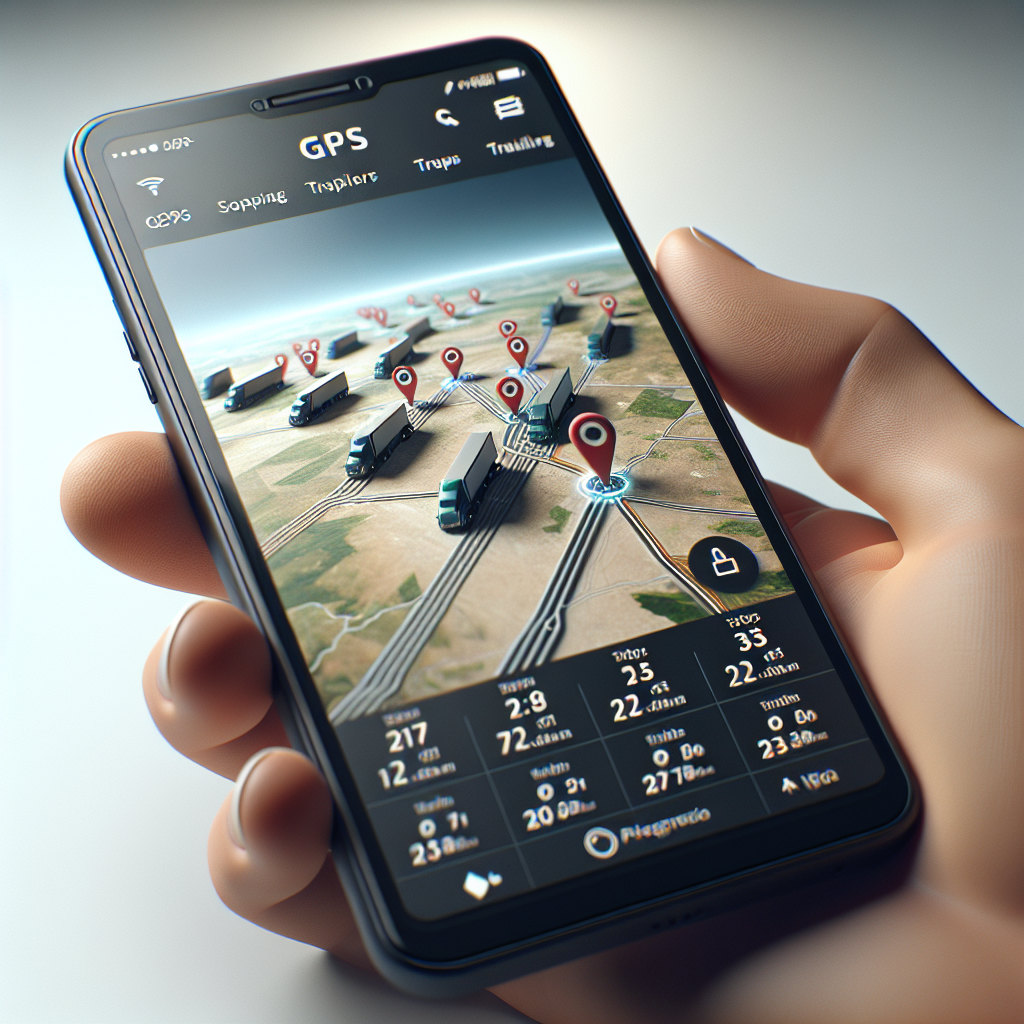

Operations ready to implement comprehensive protection for their machinery assets can explore proven heavy equipment tracking solutions that combine extended battery life, reliable passive GPS technology, and intuitive management platforms designed specifically for construction and industrial applications.