
GPS tracker for rental equipment solutions have become essential tools for equipment rental companies facing the constant challenges of theft, misplaced assets, and underutilized inventory. Rental businesses managing fleets of construction machinery, power tools, trailers, and industrial equipment lose significant revenue when assets disappear, sit idle at job sites beyond rental periods, or cannot be located when needed for the next customer. The financial impact extends beyond the replacement cost of stolen equipment—it includes lost rental income, insurance premium increases, and the operational disruption of scrambling to fulfill customer commitments with diminished inventory.

Passive GPS tracking technology addresses these pain points by providing rental companies with reliable location data for their assets without the complexity and battery drain associated with continuous transmission systems. Equipment rental operations demand tracking solutions that can withstand harsh job site conditions, require minimal maintenance, and deliver extended battery life that matches the realities of equipment deployment cycles. The ability to monitor where rental assets are located, verify returns, and identify utilization patterns transforms how rental businesses protect their investments and optimize their fleet management strategies.
The shift toward passive tracking systems with extended battery capabilities represents a significant advancement for the rental equipment industry, where traditional tracking devices often failed due to frequent battery replacements, installation complexity, or reliability issues in rugged environments. Understanding how to select and implement the right GPS tracker for rental equipment can mean the difference between a profitable, well-managed fleet and one plagued by asset losses and operational inefficiencies.
Why Rental Equipment Companies Need Specialized GPS Tracking Solutions
Equipment rental businesses operate under unique pressures that distinguish their tracking needs from other fleet management scenarios. Rental assets frequently change hands, move between multiple job sites, and experience varying levels of usage intensity depending on customer behavior. Unlike company-owned vehicles with predictable routes and operators, rental equipment exists in a state of constant transition, creating visibility gaps that can result in substantial financial losses. A GPS tracker for rental equipment must account for these unique operational characteristics while providing actionable intelligence that supports both asset protection and business optimization.
The rental business model depends on maximizing asset utilization—ensuring equipment spends the minimum time idle and the maximum time generating revenue. Without accurate location data, rental companies struggle to verify whether customers have returned equipment on schedule, identify assets sitting unused at completed job sites, and efficiently dispatch recovery teams when rental agreements are violated. The visibility provided by GPS tracking transforms reactive scrambling into proactive asset management, enabling rental operations to maintain tighter control over their inventory regardless of where customers deploy it.
Theft remains an ever-present concern for rental equipment operators. Construction equipment, generators, compressors, and specialized machinery represent significant capital investments that attract organized theft operations. Equipment stolen from job sites can disappear into resale markets or be transported across state lines within hours. Passive GPS tracking with extended battery life ensures that even if thieves disable power sources or attempt to conceal equipment, the tracking device continues transmitting location data long enough for recovery efforts to succeed. The deterrent effect alone—communicated through rental agreements and visible tracking decals—often discourages theft attempts before they occur.
How Passive GPS Tracking Technology Outperforms Traditional Methods for Equipment Fleets
Passive GPS tracking technology operates fundamentally differently from continuous transmission systems, offering distinct advantages for rental equipment applications. Rather than broadcasting location data in real-time intervals that rapidly drain battery power, passive tracking devices store location information and transmit it at optimized intervals or upon specific triggers. This approach enables tracking devices to achieve battery life measured in months rather than days, eliminating the operational burden of constant battery maintenance across large equipment fleets. For rental companies managing hundreds or thousands of assets, the reduction in maintenance requirements translates directly into lower operational costs and more reliable tracking coverage.
The 90-day battery life characteristic of advanced passive GPS trackers for rental equipment addresses one of the most significant pain points in fleet tracking implementation. Rental assets often sit at customer job sites for extended periods, making regular battery replacement impractical and expensive. Equipment may be deployed in remote locations where physical access requires significant time and resources. Extended battery life ensures continuous tracking capability throughout typical rental cycles without intervention, providing rental companies with confidence that their visibility remains intact even during long-term rentals or when equipment sits idle between customers.
Passive tracking systems also excel in the harsh environmental conditions common to construction and industrial job sites. Rental equipment experiences exposure to dust, moisture, vibration, extreme temperatures, and physical impacts that can compromise electronic devices. GPS trackers designed for rental equipment applications feature ruggedized enclosures, shock-resistant mounting systems, and weatherproof seals that withstand the punishment of daily job site operations. The simplicity of passive tracking technology—with fewer components constantly operating—inherently improves reliability compared to more complex continuous transmission systems that generate heat and consume power at rates incompatible with rugged deployment scenarios.
Strategic Installation and Deployment Considerations for Maximum Asset Protection
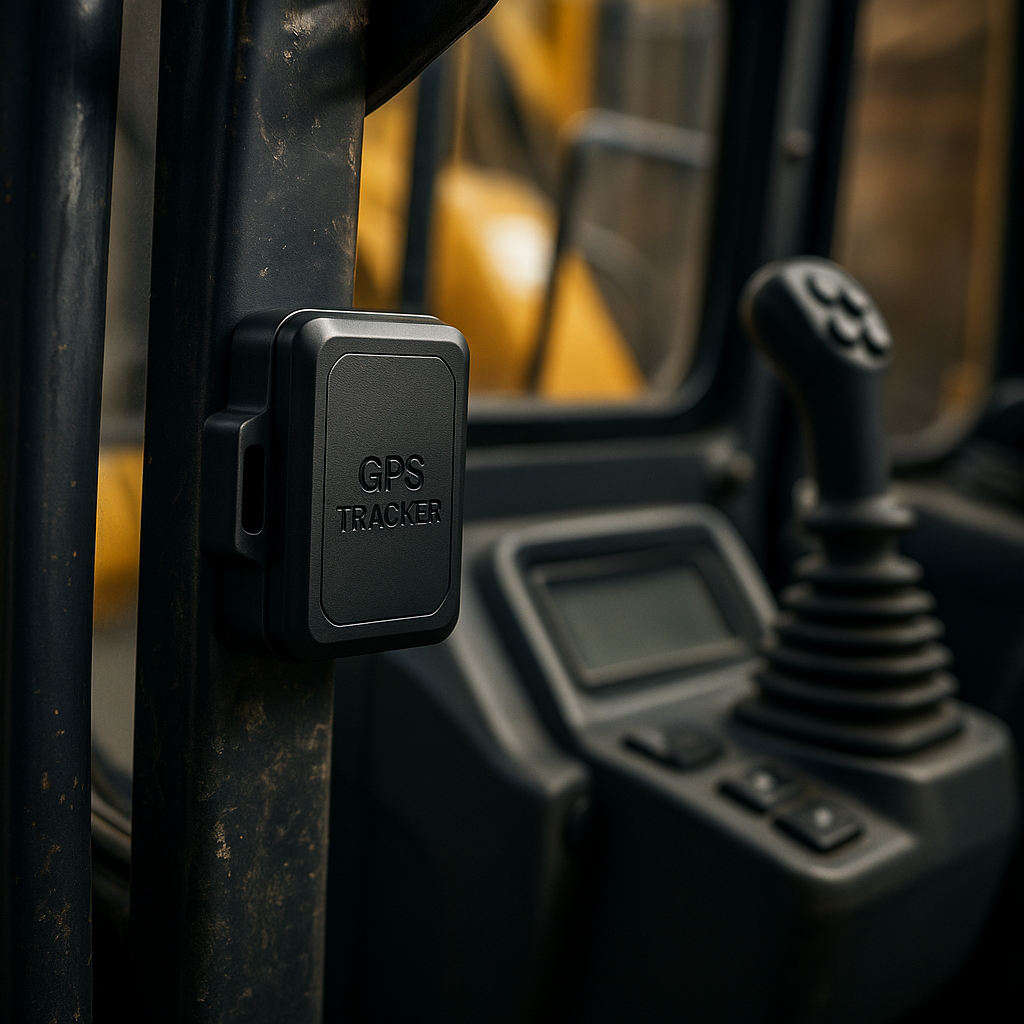
Successful GPS tracker for rental equipment implementation depends heavily on strategic installation planning that balances visibility, security, and operational practicality. Rental companies must consider equipment type, theft vulnerability, and customer interaction patterns when determining optimal tracker placement. For smaller equipment items like generators, compressors, and power tools, concealed installation locations prevent tampering while maintaining signal integrity. Larger construction machinery offers multiple mounting options within operator cabins, engine compartments, or structural cavities that protect tracking devices from both environmental exposure and deliberate removal attempts.
Installation methodology varies significantly based on equipment characteristics and rental duration patterns. Equipment subject to short-term rentals benefits from quick-attach mounting systems that enable rapid tracker deployment and recovery as assets cycle through the rental process. Long-term rental scenarios allow for more permanent installation approaches that integrate tracking devices into equipment systems with tamper-resistant fasteners and concealed wiring. Magnetic mounting options provide flexibility for metal-bodied equipment, while adhesive and bolt-on solutions accommodate diverse equipment surfaces and geometries. The key consideration remains ensuring that GPS tracker installation does not interfere with equipment operation while maintaining reliable satellite signal reception.
Rental companies implementing fleet-wide tracking programs should develop standardized installation protocols that ensure consistency across their equipment inventory. Standardization enables maintenance teams to quickly service tracking devices, reduces training requirements, and ensures that recovered stolen equipment can be identified by law enforcement through predictable tracker locations. Documentation of installation locations within equipment serial number records supports both internal operations and external recovery efforts. Some rental operations mark equipment with visible tracking decals that serve dual purposes—deterring theft through awareness that assets are monitored while satisfying transparency requirements in customer rental agreements.
Leveraging Location Data to Improve Utilization Rates and Revenue Performance
Beyond theft prevention, GPS tracking data unlocks powerful insights into equipment utilization patterns that directly impact rental company profitability. Location information reveals which assets sit idle at completed job sites beyond rental return dates, enabling rental operations to proactively contact customers and initiate recovery procedures. This visibility prevents revenue leakage from extended unauthorized usage and ensures equipment availability for subsequent rental commitments. The ability to identify underutilized assets within the fleet guides inventory optimization decisions, helping rental companies determine which equipment types warrant expansion and which represent excess capacity consuming maintenance resources without generating proportional returns.
Geographic utilization analysis identifies market demand patterns that inform strategic decisions about equipment distribution and yard locations. Rental companies can analyze which equipment types experience high demand in specific geographic areas and adjust inventory positioning accordingly, reducing transportation costs and improving customer service through faster equipment availability. Seasonal demand fluctuations become visible through historical location data, enabling better planning for equipment acquisition, maintenance scheduling, and staffing levels. The cumulative effect of these utilization insights transforms GPS tracking from a protective measure into a strategic business intelligence tool that drives operational efficiency across the entire rental operation.
Customer behavior patterns revealed through GPS tracker for rental equipment data also support pricing strategy refinement. Understanding actual equipment usage—including movement frequency, job site dwell times, and geographic range—enables rental companies to develop pricing models that more accurately reflect wear patterns and transportation costs. Equipment consistently deployed to remote locations or subjected to frequent moves may warrant premium pricing that accounts for the associated operational expenses. Conversely, equipment primarily used in localized, stationary applications might support competitive pricing strategies that improve market penetration. The transparency provided by location tracking ensures that pricing models align with actual asset utilization rather than assumptions that may not reflect real-world deployment patterns.
Theft Recovery Procedures and Law Enforcement Coordination Protocols

When rental equipment theft occurs despite preventive measures, GPS tracking technology becomes the primary tool enabling successful asset recovery. Rental companies should establish clear internal protocols for responding to suspected theft, beginning with verification that equipment has actually been stolen rather than simply moved to an unexpected location by the customer. Once theft is confirmed, immediate review of GPS tracker data provides law enforcement with precise location information that dramatically improves recovery prospects. The time-sensitive nature of theft recovery demands that rental operations maintain current contact information for local law enforcement agencies across their service territories and understand jurisdictional procedures for reporting stolen equipment.
Effective coordination with law enforcement requires rental companies to provide comprehensive documentation supporting theft claims, including rental agreements, payment records, communication logs with customers, and GPS location data showing unauthorized equipment movement. Passive GPS tracking systems that store historical location information enable rental companies to demonstrate movement patterns that support theft allegations, showing when equipment left authorized job sites and traveled to unexpected locations. This documentation strengthens cases for law enforcement intervention and supports subsequent criminal prosecution or civil recovery actions. Some jurisdictions have established specialized units for construction equipment theft that maintain relationships with rental companies and prioritize recovery efforts for tracked assets.
The recovery process extends beyond simply locating stolen equipment. Rental companies should coordinate with law enforcement before attempting to recover assets independently, as theft situations may involve dangerous individuals or organized operations. GPS location data should be provided to law enforcement rather than used by rental company personnel to confront thieves directly. Once law enforcement secures recovered equipment, rental companies must document equipment condition, assess damages, and determine whether assets require refurbishment before returning to rental inventory. The entire recovery process benefits from GPS tracker data that establishes theft timelines, supports insurance claims, and provides evidence for legal proceedings against thieves or negligent customers who failed to secure rental equipment properly.
Integration with Fleet Management Systems and Operational Software Platforms
Modern rental operations increasingly rely on integrated software platforms that manage customer relationships, inventory tracking, maintenance scheduling, and financial reporting. GPS tracker for rental equipment solutions deliver maximum value when location data flows seamlessly into these existing systems, enabling automated workflows and reducing manual data entry. Integration capabilities allow rental management software to automatically update equipment availability status based on location data, trigger customer notifications when equipment remains at job sites beyond rental periods, and flag assets requiring recovery or maintenance attention. The consolidation of location intelligence with operational data creates a unified view of fleet status that supports better decision-making at every organizational level.
Application programming interfaces and data export capabilities determine how effectively GPS tracking systems integrate with existing rental company technology infrastructure. Cloud-based tracking platforms that offer standard integration protocols enable rental companies to connect location data with popular rental management software packages without custom development expenses. Automated data synchronization ensures that location information remains current across all systems, eliminating discrepancies that occur when separate databases require manual reconciliation. For rental companies operating multiple locations or franchises, centralized tracking platforms with role-based access controls enable appropriate visibility for yard managers, regional supervisors, and executive leadership while maintaining data security and privacy compliance.
Reporting capabilities built into integrated GPS tracking systems provide rental companies with actionable intelligence rather than raw data dumps requiring interpretation. Customizable reports showing equipment utilization rates, idle time analysis, geographic deployment patterns, and maintenance interval tracking support operational efficiency initiatives and strategic planning processes. Dashboard visualizations enable quick status assessment without requiring detailed data analysis, allowing rental operations managers to identify issues demanding immediate attention. Scheduled automated reports delivered to key stakeholders ensure that location intelligence informs decision-making consistently rather than only during periodic manual reviews. The transformation of GPS location data into business intelligence represents the evolution of tracking technology from a security tool into a strategic asset management platform.
Cost-Benefit Analysis and Return on Investment for Rental Fleet Tracking Implementation
Rental equipment companies evaluating GPS tracking implementation must assess both direct costs and anticipated returns to justify the investment across potentially large equipment fleets. Direct costs include hardware acquisition for tracking devices, installation labor, ongoing cellular data service fees, and software platform subscriptions. These expenses scale with fleet size but typically decrease on a per-unit basis as deployment volumes increase and vendors offer volume pricing. The initial capital requirement for fleet-wide implementation can appear substantial, but rental companies should evaluate costs relative to equipment replacement values and the revenue those assets generate over their service lives.
The return on investment calculation encompasses multiple benefit categories that extend beyond simple theft recovery. Prevented theft losses represent the most dramatic return scenario—a single recovered piece of heavy equipment can justify tracking expenses for an entire fleet for multiple years. However, more consistent returns emerge from operational efficiency improvements, including reduced time spent locating misplaced equipment, faster recovery of overdue rentals, improved asset utilization rates, and lower insurance premiums achieved through demonstrated loss prevention measures. Customer service improvements resulting from better equipment availability and faster fulfillment also contribute to revenue growth, though these benefits prove more difficult to quantify precisely than direct cost savings.
Rental companies should establish baseline metrics before GPS tracker for rental equipment implementation to enable accurate ROI measurement. Key performance indicators including theft loss rates, equipment utilization percentages, overdue rental recovery times, and customer satisfaction scores provide quantifiable comparison points. Post-implementation tracking of these same metrics reveals the impact of location visibility on business performance. Many rental operations discover that GPS tracking pays for itself within the first year through a combination of prevented losses, improved utilization, and operational efficiencies, with subsequent years representing pure profit contribution. The strategic value of business intelligence derived from location data—while harder to quantify—often exceeds the direct financial returns, supporting better long-term business decisions that compound benefits over time.
Frequently Asked Questions About GPS Trackers for Rental Equipment
How long do GPS tracker batteries last on rental equipment?
Advanced passive GPS tracking devices designed for rental equipment applications provide battery life extending up to 90 days between charges or replacements. This extended operational duration accommodates typical rental cycles without requiring intervention during customer possession periods. Battery longevity depends on transmission frequency settings, environmental conditions, and device specifications, with passive tracking technology delivering substantially longer battery life than continuous transmission systems that drain power rapidly.
Can customers detect or disable GPS trackers on rental equipment?
Professional GPS tracker installations for rental equipment utilize concealed mounting locations and tamper-resistant fastening methods that prevent casual detection or removal. While determined individuals with technical knowledge might locate tracking devices, rental agreements typically include explicit terms authorizing GPS monitoring and prohibiting tracker interference. Tamper alerts notify rental companies when tracking devices are disturbed, enabling immediate investigation. The legal protections provided by rental agreements and the difficulty of locating professionally installed trackers deter most interference attempts.
What happens to GPS tracking when rental equipment is stored indoors or in metal containers?
GPS signals require line-of-sight to satellites for location determination, meaning equipment stored inside metal buildings or enclosed in shipping containers may experience reduced tracking accuracy or temporary signal loss. Passive GPS trackers store location data during signal interruption periods and transmit accumulated information once satellite visibility is restored. This functionality ensures rental companies maintain location awareness even when equipment temporarily moves into GPS-denied environments. Last-known-location data remains available during signal interruption periods, providing sufficient information for asset recovery efforts.
How does GPS tracking integrate with existing rental management software?
Modern GPS tracking platforms offer integration capabilities through application programming interfaces and data export functions that connect with popular rental management software systems. Integration enables automated workflows including availability status updates, overdue rental alerts, and maintenance scheduling based on location data. Cloud-based tracking platforms typically offer the most flexible integration options, with some vendors providing pre-built connectors for widely-used rental management packages. Rental companies should verify integration capabilities during vendor selection to ensure seamless data flow between tracking systems and operational software.
What initial steps should rental companies take when implementing fleet-wide GPS tracking?
Successful GPS tracker implementation begins with defining clear objectives—whether prioritizing theft prevention, utilization improvement, or both—that guide device selection and deployment strategy. Rental companies should inventory their equipment fleet, categorizing assets by value, theft vulnerability, and rental frequency to prioritize tracking deployment. Pilot programs testing tracking devices on a subset of equipment validate performance before full-scale implementation and identify installation best practices. Rental agreement updates should incorporate GPS monitoring disclosures and customer obligations regarding tracker integrity. Staff training covering installation procedures, platform operation, and theft response protocols ensures the organization can fully leverage tracking capabilities once deployed.
Protecting Rental Assets and Maximizing Fleet Performance Through Advanced GPS Tracking
GPS tracker for rental equipment implementation represents a strategic investment that addresses the fundamental challenges facing equipment rental operations: asset protection, utilization optimization, and operational visibility. The combination of passive tracking technology with extended 90-day battery life eliminates the maintenance burdens that plagued earlier tracking solutions while providing reliable location intelligence throughout rental cycles. Rental companies implementing comprehensive tracking programs gain the ability to prevent theft losses, recover overdue equipment efficiently, analyze utilization patterns, and make data-driven decisions about fleet composition and market strategy. The transformation from reactive asset management to proactive fleet optimization delivers both immediate financial returns and long-term competitive advantages.
The rental equipment industry continues evolving toward greater technological sophistication, with GPS tracking emerging as a foundational capability that modern operations cannot afford to ignore. Customers increasingly expect rental companies to demonstrate professional asset management and security measures that protect both parties’ interests. Insurance carriers recognize tracked fleets as lower risk, translating into premium savings that offset implementation costs. The competitive pressure from rental companies already leveraging tracking technology creates market disadvantages for operations still relying on manual processes and hoping for customer honesty. As tracking devices become more capable, affordable, and seamlessly integrated with operational systems, the question for rental equipment companies shifts from whether to implement GPS tracking to how quickly they can deploy solutions across their entire fleet.
Rental equipment operations seeking comprehensive asset protection and fleet optimization should explore passive GPS trackers for rental equipment with extended battery life that eliminate maintenance burdens while providing reliable location visibility throughout rental cycles and between customer deployments.