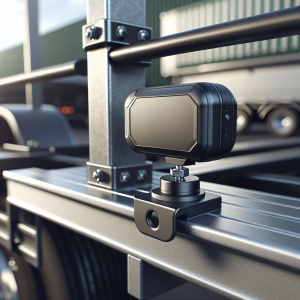
Piritiz passive GPS tracker — battery-powered device, movement-triggered location updatesCategoriesUncategorised

5 Best GPS Trackers for Cars (2026): No Wiring, Long Battery, No Contracts

Finding the best GPS tracker for your car means choosing between two fundamentally different approaches: battery-powered passive trackers that last years without charging, and wired real-time trackers that update every few seconds but require installation and constant power. Neither is universally better — the right choice depends on what you actually need to track and why.

This guide breaks down five of the best car GPS trackers in 2026 across both categories, so you can match the technology to your situation.

Quick verdict: If you need a tracker that installs in seconds, runs for years without charging, and costs $9.95/month with no contract — Piritiz is the pick. If you need continuous location updates every 10–30 seconds, skip down to the real-time options.

The 5 Best GPS Trackers for Cars (2026)

  1. Piritiz — Best for no-wiring, long battery life
  2. LandAirSea 54 — Best compact real-time tracker
  3. Bouncie — Best OBD plug-in tracker
  4. Optimus 2.0 — Best budget real-time option
  5. BrickHouse Spark Nano — Best for hidden placement

1. Piritiz — Best Battery-Powered GPS Tracker for Cars

Piritiz at a Glance
Price$19.95 device + $9.95/month
Battery lifeUp to 5 years
InstallationNone — magnetic mount, hides anywhere in under 2 minutes
Tracking typePassive — movement-triggered location updates
ContractNone — cancel anytime
WaterproofIP67 rated

What makes it different: Piritiz is a passive GPS tracker, meaning it transmits location when movement is detected rather than continuously. This is what gives it the 5-year battery life — there’s no constant cellular ping draining the battery. For car owners who want to know if their vehicle moved, where it went, and where it is now, this provides everything needed without the wiring complexity of real-time systems.

Best for: Car owners who want theft protection and usage visibility without professional installation. Works well for tracking a vehicle left at an airport lot, monitoring a teenager’s car, or keeping tabs on a second vehicle. Since there’s no wiring, you can install it yourself in minutes and move it between vehicles freely.

Trade-off: If you need location updates every 10–30 seconds for active navigation or live pursuit of a stolen vehicle, Piritiz is not the right tool. The passive update model is designed for asset visibility, not real-time monitoring.

See the Piritiz GPS tracker for cars →


2. LandAirSea 54 — Best Compact Real-Time Tracker

LandAirSea 54 at a Glance
Price~$35–40 device + $24.95/month
Battery life2 weeks (requires recharging)
InstallationSelf-install, magnetic mount
Tracking typeReal-time, updates every 3–30 seconds
WaterproofIP67 rated

What makes it different: One of the most popular real-time trackers on the market, the LandAirSea 54 offers frequent location updates through a companion app. It uses AT&T’s network and provides geofence alerts, speed alerts, and trip history.

Best for: Parents tracking a teenager’s driving, employers monitoring company vehicles with active drivers, or anyone who needs frequent location checks throughout the day. The relatively compact form factor fits in a vehicle’s OBD port area or can be magnetically mounted.

Trade-off: The 2-week battery life requires regular recharging — easy to forget. Monthly cost is roughly 2.5x Piritiz. Not suitable for long-term unattended placement on vehicles you don’t regularly access.


3. Bouncie — Best OBD Plug-In GPS Tracker

Bouncie at a Glance
Price~$67 device + $8/month
Battery lifeDraws from vehicle OBD port (no separate battery)
InstallationPlug into OBD-II port (under dashboard, 30 seconds)
Tracking typeReal-time, updates every 60 seconds while vehicle is on
Works onCars/trucks with OBD-II port (1996+)

What makes it different: Bouncie plugs directly into the OBD-II diagnostic port found under the dashboard of virtually every car built after 1996. No battery to worry about — it draws power from the vehicle. At $8/month, it’s one of the most affordable real-time options available.

Best for: Monitoring a family member’s driving habits, tracking a car you have regular access to, or fleet use on vehicles with OBD-II ports. The app shows trip history, driving behavior (hard braking, speeding), and current location.

Trade-off: Visible in the OBD port — anyone who knows what an OBD device looks like can spot it. Does not work on motorcycles, ATVs, older vehicles, or trailers. Goes offline when the vehicle’s ignition is off.


4. Optimus 2.0 — Best Budget Real-Time Option

Optimus 2.0 at a Glance
Price~$29 device + $19.95/month
Battery life1–2 weeks (requires recharging)
InstallationSelf-install, magnetic mount
Tracking typeReal-time, configurable update intervals
WaterproofWater-resistant

What makes it different: A longtime value player in the GPS tracker market, Optimus 2.0 offers configurable update intervals — set it to update every 10 seconds for active tracking or extend to 5-minute intervals to save battery. Geofence alerts, SOS button, and basic trip history are included.

Best for: Users who want real-time capability at a lower entry price point. Good for occasional vehicle monitoring rather than 24/7 fleet-grade use. The configurable update frequency gives some control over battery drain.

Trade-off: Shorter battery life than advertised in real-world use when update frequency is high. Monthly cost is higher than competitors with similar feature sets. App interface is functional but dated.


5. BrickHouse Security Spark Nano 7 — Best for Discreet Placement

BrickHouse Spark Nano 7 at a Glance
Price~$99 device + $24.99/month
Battery life2 weeks at standard intervals
InstallationSelf-install, very small form factor
Tracking typeReal-time, 30-second to 5-minute update intervals
WaterproofIP66 rated

What makes it different: One of the smallest real-time trackers available — roughly the size of a USB thumb drive. Designed for discreet placement inside vehicles where larger trackers would be conspicuous. BrickHouse includes a strong magnet and offers hardwired connection as an option for permanent installation.

Best for: Situations where the tracker needs to stay hidden — recovery investigations, fleet monitoring without device tampering concerns, or tight spaces where a larger device won’t fit. Professional-grade build quality justifies the higher price point for critical use cases.

Trade-off: The highest price in this comparison, both upfront and monthly. Battery life is similar to other real-time options — requires regular recharging. Overkill for most standard vehicle monitoring needs.


How to Choose: The Right Tracker for Your Situation

If you need…Best choiceWhy
No installation, years of battery lifePiritiz5-year battery, magnetic mount, no wiring
Lowest monthly costBouncie$8/month, OBD-II powered (no battery concern)
Frequent location updates while drivingLandAirSea 54 or BouncieReal-time updates every 30–60 seconds
Track a vehicle left unattended for weeksPiritizBattery lasts years — no recharging required
Hidden placement, hardwire optionBrickHouse Spark NanoSmallest form factor, professional-grade

Frequently Asked Questions

What is the best GPS tracker for a car with no monthly fee?

Truly subscription-free GPS trackers exist (offline data loggers) but they don’t transmit location remotely — you have to physically retrieve the device and download the data. For remote tracking, all GPS trackers require a cellular data plan to relay location. Piritiz offers no-contract monthly service at $9.95/month with no minimum commitment — you can cancel anytime, which is the closest real-world alternative to “no monthly fee” for a functional remote tracker.

Can I put a GPS tracker on a car without the driver knowing?

On a vehicle you own, yes — it’s legal in most US states to track your own property. Tracking a vehicle you don’t own without the owner’s consent is illegal in most jurisdictions. If you’re a parent tracking a minor child’s vehicle, you own the car, so it’s generally permitted. Always verify your local laws, particularly if tracking an employee’s personal vehicle.

How long does a car GPS tracker battery last?

Battery life varies widely by tracker type. Real-time trackers that update continuously typically last 1–3 weeks before needing a recharge. Passive GPS trackers like Piritiz, which transmit only when movement is detected, can run for up to 5 years on a single battery. The difference comes down to how often the cellular radio transmits — continuous transmission drains batteries in days; movement-triggered transmission preserves them for years.

Where is the best place to hide a GPS tracker on a car?

Common placement locations include under the vehicle frame (if the tracker is weatherproof), inside the wheel well, beneath seats, inside the center console, or in the trunk area. The tracker needs clear sky access for GPS signal — placement inside thick metal enclosures degrades accuracy. Magnetic trackers like Piritiz attach to any flat metal surface in seconds without tools.

Do GPS trackers work when a car is parked and the engine is off?

OBD-II plug-in trackers (like Bouncie) stop transmitting when the ignition is off, since they draw power from the vehicle. Battery-powered trackers (like Piritiz and LandAirSea 54) continue operating regardless of vehicle state — they detect movement independently of the engine. For theft protection of a parked vehicle, a battery-powered tracker is essential.

For passive tracking across all asset types — cars, trailers, equipment, and more — see Piritiz GPS tracker for cars or explore the 5-year battery GPS tracker overview.

Construction Equipment TrackingCategoriesConstruction Equipment Tracking Uncategorised

Construction Equipment Tracking: Complete Protection for Heavy Equipment and Machinery Assets

Construction equipment tracking has become an essential requirement for contractors, equipment rental companies, and construction firms managing valuable machinery across multiple job sites. Heavy equipment such as excavators, bulldozers, skid steers, and backhoes represent substantial capital investments that are frequently left unattended at remote locations, making them prime targets for theft while simultaneously creating challenges for efficient asset management and utilization tracking.

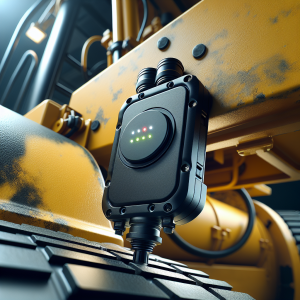
construction equipment tracking - passive GPS tracker on heavy equipment

The unique operational environment of construction sites creates specific tracking requirements that differ dramatically from standard fleet management. Equipment moves between sites irregularly, often sits idle for extended periods, and operates in locations without reliable power sources for charging tracking devices. Traditional tracking solutions designed for vehicles with constant engine operation and daily use patterns fail to address these distinct challenges, leaving contractors with blind spots in their asset visibility and protection strategies.

Modern passive GPS tracking technology solves these industry-specific challenges by providing long-term asset monitoring without the need for frequent battery changes or hardwired power connections. Construction companies now have access to tracking systems that deliver continuous protection and location visibility for months at a time, transforming how they secure investments, optimize equipment deployment, and reduce operational costs associated with theft, unauthorized use, and inefficient asset allocation.

Why Construction Equipment Tracking Protects Your Largest Capital Investments

Heavy construction machinery represents one of the largest capital expenditures for construction businesses, with individual pieces of equipment often valued at hundreds of thousands of dollars. The combination of high value and frequent deployment to unsecured job sites creates a perfect storm for theft risk that threatens business viability and project timelines. Equipment theft not only results in immediate financial loss but also cascades into project delays, rental costs for replacement machinery, insurance premium increases, and potential loss of client contracts.

Construction sites typically lack the physical security infrastructure found at permanent business facilities. Chain-link fencing, if present at all, provides minimal deterrent to professional thieves who target equipment during overnight hours, weekends, or between project phases when sites sit unmanned for days or weeks. Remote rural locations compound this vulnerability, as equipment may be deployed hours away from the home office with minimal oversight and delayed discovery when assets go missing.

Passive GPS tracking for construction equipment creates a silent guardian that works around the clock without requiring operator interaction or maintenance attention. Unlike traditional security measures that can be circumvented or ignored, tracking devices continuously monitor asset location and movement patterns, generating alerts when equipment leaves designated geofence boundaries or moves during unauthorized hours. This persistent monitoring transforms theft from a low-risk, high-reward criminal opportunity into a traceable activity that enables rapid recovery and law enforcement coordination.

The deterrent effect alone provides substantial value, as thieves increasingly recognize that modern construction equipment likely contains tracking technology. Simply displaying signage indicating GPS tracking protection on equipment discourages opportunistic theft attempts, while the actual tracking capability ensures that even sophisticated theft operations can be disrupted through last recorded location intelligence. Construction companies that implement comprehensive tracking programs report dramatic reductions in theft incidents, protecting their capital investments and maintaining project schedules without unexpected equipment replacement costs.

Battery Life Requirements for Construction Equipment GPS Solutions

The operational profile of construction equipment creates unique power requirements that eliminate most consumer-grade or automotive tracking solutions from consideration. Unlike vehicles that operate daily and provide consistent power through alternators, construction machinery often sits idle for days or weeks between uses, particularly for contractors managing diverse project types or equipment rental companies maintaining inventory awaiting customer deployment. Tracking devices that require frequent battery changes or depend on vehicle power become maintenance burdens that compromise protection continuity.

Ninety-day battery life represents the minimum threshold for practical construction equipment tracking, allowing businesses to implement quarterly maintenance schedules that align with other routine equipment servicing. This extended operational period ensures continuous protection through typical project cycles, seasonal work variations, and equipment storage periods without creating additional labor costs or tracking gaps. Shorter battery life forces field personnel to spend valuable time accessing equipment, removing devices for charging, or replacing batteries weekly or monthly—tasks that inevitably get postponed during busy periods, leaving assets unprotected precisely when project demands are highest.

The calculation extends beyond mere convenience to fundamental operational viability. Construction crews already manage complex scheduling, equipment transport logistics, and maintenance requirements across multiple simultaneous projects. Adding frequent tracking device maintenance to crew responsibilities ensures poor compliance and creates protection gaps that defeat the entire purpose of implementing tracking technology. Equipment managers need tracking solutions that operate autonomously for extended periods, requiring attention only during planned maintenance windows when equipment returns to the yard for service.

Passive GPS tracking technology with extended battery performance eliminates these operational friction points entirely. By delivering three months of continuous monitoring on a single charge, these systems enable construction companies to integrate tracking device maintenance into existing equipment service schedules without creating additional field visits or specialized procedures. The result is consistent asset protection that maintains visibility across entire equipment fleets without imposing operational burdens on already-stretched construction crews managing demanding project schedules.

Improving Equipment Utilization and Reducing Idle Time Costs

construction equipment tracking - GPS tracking device mounted on machinery

Beyond theft protection, construction equipment tracking delivers powerful operational intelligence that transforms how businesses deploy and manage their machinery assets. Many construction companies operate with incomplete visibility into actual equipment utilization rates, relying on operator reports, project manager estimates, or manual yard checks that provide fragmented and often inaccurate pictures of asset deployment. This information gap leads to equipment shortages on some projects while identical machinery sits idle at other locations or in storage yards, creating unnecessary rental expenses and missed revenue opportunities.

Location tracking data reveals the true utilization patterns across equipment fleets, identifying machinery that spends excessive time idle at job sites or in storage rather than generating value through productive deployment. Construction firms frequently discover they own more equipment than necessary because poor visibility led to redundant purchases when existing assets were simply misallocated rather than unavailable. The financial impact of these discoveries can be substantial, as companies recognize opportunities to reduce fleet size, defer planned equipment purchases, or increase rental income by deploying underutilized assets to external customers.

Movement tracking also exposes unauthorized equipment use that drains productive hours and increases wear without contributing to business objectives. Operators occasionally use company equipment for personal projects or side jobs, weekend home renovations, or unauthorized favors for friends and family. While individual incidents may seem minor, the aggregate impact across a fleet over time represents significant lost value through uncompensated wear, fuel consumption, and liability exposure from undocumented usage outside business insurance coverage.

The visibility enabled by passive GPS tracking allows construction businesses to make data-informed decisions about equipment acquisition, disposal, and deployment strategies. Rather than operating on assumptions or incomplete information, managers gain objective insights into which machinery types deliver highest utilization, which assets should be sold or retired, and where opportunities exist to optimize deployment across active projects. This intelligence transforms equipment management from reactive crisis response to proactive strategic planning that maximizes return on capital investments and reduces operational costs through improved asset efficiency.

Installation Considerations for Heavy Machinery and Equipment

Successful implementation of construction equipment tracking depends heavily on proper device installation that balances visibility, security, and accessibility requirements. Unlike automotive applications where standardized vehicle designs allow predictable mounting locations, construction machinery encompasses enormous variety in equipment types, sizes, and configurations. Excavators, dozers, compactors, generators, light towers, and trailers each present distinct installation challenges that require thoughtful approaches to ensure tracking effectiveness without compromising equipment operation or maintenance access.

Concealment represents a critical consideration for theft protection, as visible tracking devices alert thieves to remove or disable them before transporting stolen equipment. Heavy machinery offers numerous potential hiding locations within complex mechanical assemblies, frame structures, and enclosed compartments that provide concealment while maintaining GPS signal reception. Ideal mounting locations balance invisibility with signal performance, avoiding metal enclosures that block satellite communication while ensuring devices remain hidden from casual inspection by unauthorized users or potential thieves conducting pre-theft surveillance.

Weather resistance becomes paramount for outdoor equipment exposed to harsh construction site conditions including mud, dust, water, extreme temperatures, and mechanical vibration. Tracking devices designed for climate-controlled automotive interiors fail rapidly when exposed to the environmental extremes common in construction applications. Professional-grade construction equipment tracking solutions feature ruggedized enclosures with high ingress protection ratings that withstand direct water exposure, dust infiltration, and temperature ranges from desert heat to winter cold without performance degradation or premature failure.

Maintenance accessibility must be factored into installation planning to enable periodic battery changes or device service without requiring specialized tools or extensive disassembly procedures. While concealment from thieves is important, maintenance technicians need reasonably straightforward access to tracking devices during scheduled service intervals. The optimal installation approach creates a balance where devices remain hidden from casual observation but can be accessed by authorized personnel following documented procedures during routine equipment maintenance windows, ensuring long-term system sustainability without operational disruptions.

Geofencing and Automated Alerts for Unauthorized Equipment Movement

construction equipment tracking - construction fleet asset management

Geofencing technology transforms construction equipment tracking from passive location logging into active theft prevention and operational oversight. By establishing virtual boundaries around job sites, storage yards, and authorized service locations, construction companies create automated monitoring systems that detect boundary violations immediately when equipment moves outside designated zones. This capability enables rapid response to theft attempts, unauthorized usage, and operational policy violations without requiring constant manual monitoring of equipment locations across dispersed project sites.

The immediate notification aspect delivers critical time advantages during theft incidents. Traditional theft discovery often occurs days or weeks after the actual incident, when equipment is needed for a new project phase or when conducting periodic inventory counts at storage yards. By this time, stolen equipment has typically been transported across state lines, repainted and reserialized, or disassembled for parts, making recovery unlikely. Geofence violation alerts compress this discovery timeline from days to minutes, enabling law enforcement notification while stolen equipment remains in transit and recovery odds remain high.

After-hours movement detection provides another valuable application of automated alerting for construction firms. Equipment should remain stationary at job sites during overnight hours, weekends, and off-shift periods unless specifically authorized for transport or emergency use. Movement alerts during these time windows immediately flag potential theft, unauthorized use by employees, or operational policy violations that warrant investigation. This capability allows small businesses to maintain oversight equivalent to having security personnel monitoring every job site around the clock, but without the prohibitive cost of physical security staffing.

Customizable alert parameters enable construction companies to tailor monitoring strategies to specific operational requirements and risk profiles. High-value equipment or machinery deployed to elevated-risk locations can receive more sensitive monitoring with immediate alerts for any movement, while lower-value assets or equipment at secure facilities might use broader parameters that reduce nuisance notifications. The flexibility to adjust monitoring intensity based on equipment value, location security, and theft risk ensures tracking systems enhance rather than overwhelm operational management with alert fatigue from excessive notifications.

Equipment Rental Company Applications and Fleet Management

Equipment rental businesses face distinct tracking challenges that extend beyond theft protection into fundamental operational and revenue management requirements. Rental companies must maintain continuous visibility into equipment location and customer compliance while managing frequent asset turnover as machinery moves between customers, returns to inventory, and deploys to new rental agreements. The business model depends entirely on accurate equipment tracking to ensure availability for customer reservations, verify return compliance, and protect assets from loss or unauthorized retention beyond rental periods.

Customer behavior verification represents a critical but often overlooked application of construction equipment tracking for rental operations. Rental agreements typically specify authorized usage locations, yet customers occasionally transport equipment to undisclosed job sites or sublease machinery to third parties without authorization. These contract violations expose rental companies to liability risks from unreported usage while creating availability problems when equipment locations don’t match reservation system records. Passive GPS tracking provides objective verification of equipment deployment and usage patterns that supports contract enforcement and reveals systematic compliance issues requiring policy adjustments.

Late return recovery becomes significantly more effective with accurate location intelligence. Rental customers sometimes retain equipment beyond agreed return dates, creating cascading problems for businesses with subsequent reservations scheduled for the same machinery. Without tracking visibility, rental companies must rely on customer communication and goodwill to resolve late returns, often resulting in revenue loss from cancelled reservations and customer dissatisfaction. Location tracking enables proactive outreach to customers approaching return deadlines and provides recovery intelligence if equipment retrieval becomes necessary for significant overdue situations.

The extended battery life provided by passive GPS tracking solutions addresses a fundamental operational challenge for rental businesses. Unlike owned equipment that returns regularly to company facilities for maintenance, rental assets may remain in customer possession for weeks or months continuously. Tracking devices with weekly or monthly battery replacement requirements become completely impractical for rental applications, as accessing customer job sites for device maintenance creates unacceptable operational burden and customer relationship friction. Ninety-day battery performance ensures rental equipment maintains tracking protection throughout typical rental cycles without requiring customer cooperation for device maintenance or creating service interruptions.

Integration with Asset Management and Compliance Documentation

Construction equipment tracking data provides valuable inputs for comprehensive asset management systems that extend beyond location monitoring into maintenance scheduling, compliance documentation, and financial analysis. Location histories document actual equipment deployment patterns that support utilization analysis, project costing accuracy, and strategic planning for fleet optimization. This integration transforms tracking from a standalone security tool into a foundational data source that informs multiple business management functions across construction operations.

Maintenance schedule optimization benefits directly from accurate equipment usage and location data. Rather than relying solely on engine hour meters that operators may forget to check or that mechanical failures can render inaccurate, location tracking provides an independent verification of equipment activity patterns that supports predictive maintenance scheduling. Equipment that shows frequent movement and extended job site presence requires more aggressive maintenance scheduling than machinery with minimal location changes and short deployment periods, allowing businesses to tailor service intervals to actual usage rather than arbitrary calendar schedules.

Project costing accuracy improves when equipment deployment can be verified against job codes and project timelines through location tracking records. Construction firms frequently struggle with equipment cost allocation across multiple simultaneous projects, relying on operator timecards and project manager estimates that may not reflect actual asset deployment. Location data provides objective evidence of which equipment spent time at which job sites, supporting more accurate project cost accounting and profitability analysis that reveals true equipment costs for different project types and customer segments.

Compliance documentation for customer contracts, insurance requirements, and regulatory reporting gains supporting evidence through tracking records. Many construction contracts require documentation of equipment deployment for billing verification or performance compliance. Insurance policies may mandate equipment security measures or usage documentation. Location tracking data provides timestamped, objective records that satisfy these documentation requirements without creating additional administrative burden for field personnel who would otherwise need to manually log equipment movements and locations across diverse project sites and time periods.

Frequently Asked Questions About Construction Equipment Tracking

How does passive GPS tracking differ from passive location monitoring for construction equipment?

Passive GPS tracking records location data at regular intervals and stores this information on the device itself, uploading location histories when the device connects to cellular networks. This approach consumes significantly less battery power than continuous passive transmission, enabling the extended up to 5-year battery life life essential for construction equipment that often sits idle between uses. While location updates may occur less frequently than every-second passive location monitoring, passive tracking provides more than adequate visibility for construction applications where understanding daily deployment patterns and theft recovery matters more than minute-by-minute location monitoring.

What types of construction equipment benefit most from GPS tracking?

High-value mobile equipment represents the highest priority for tracking implementation, including excavators, bulldozers, skid steers, backhoes, wheel loaders, and compact track loaders that combine substantial replacement costs with relatively easy theft and transport. Portable equipment such as generators, light towers, compressors, and welders also benefits significantly due to frequent job site theft targeting these easily moved assets. Equipment rental companies should prioritize their entire fleet regardless of individual unit value, as the business model depends on continuous asset visibility for operational management and customer accountability beyond just theft protection.

Can tracking devices withstand the harsh conditions of construction sites?

Professional-grade construction equipment tracking devices feature ruggedized enclosures specifically designed to withstand the challenging environmental conditions common on construction sites. These devices carry high ingress protection ratings that ensure resistance to water infiltration from rain and pressure washing, dust and dirt exposure from earthmoving operations, extreme temperature ranges from subzero cold to summer heat, and mechanical vibration from equipment operation and rough terrain transport. Consumer-grade tracking devices designed for automotive interiors or personal use will fail rapidly in construction environments, making purpose-built industrial tracking solutions essential for reliable long-term performance.

How quickly can stolen construction equipment be recovered with GPS tracking?

Recovery speed depends primarily on how quickly theft is discovered and reported to law enforcement. Geofence alerts that notify owners immediately when equipment moves outside authorized boundaries enable same-day recovery in many cases, as stolen equipment can be located while still in transit or at temporary holding locations before being transported across state lines or altered to prevent identification. Without automated alerts, theft discovery often occurs days or weeks after the incident when equipment is needed for new projects, by which time recovery becomes substantially more difficult. The combination of geofencing automation and extended battery life ensures construction companies maintain continuous monitoring that maximizes recovery odds.

Do tracking devices require monthly subscription fees?

Most GPS tracking solutions require ongoing subscription fees to cover cellular data transmission costs, cloud platform hosting, and software access for viewing location information and configuring tracking parameters. Subscription models vary among providers, with some offering monthly billing and others providing discounted annual prepayment options. When evaluating total cost of ownership, construction companies should consider subscription fees alongside device purchase costs and expected battery replacement intervals to understand the complete long-term investment required for maintaining comprehensive fleet tracking coverage across all equipment assets. For equipment that moves seasonally, a GPS tracker with no contract eliminates the risk of paying for service during off-season months.

Selecting the Right Construction Equipment Tracking Solution for Long-Term Asset Protection

Construction businesses investing in equipment tracking solutions must evaluate options based on the specific operational requirements and environmental challenges inherent to heavy machinery management. The selection process extends beyond simple feature comparison to consider long-term sustainability factors including battery performance, device durability, installation flexibility, and ongoing operational costs that determine whether tracking systems deliver sustained value or become abandoned projects that fail to protect assets effectively.

The up to 5-year battery life life threshold represents the single most critical differentiator separating practical construction tracking solutions from consumer-grade alternatives designed for daily-use vehicles. Without extended battery performance, tracking systems create unsustainable maintenance burdens that ensure poor compliance and protection gaps across equipment fleets. Construction companies should prioritize passive GPS tracking technology that delivers quarterly battery life as the foundation for any equipment protection strategy, ensuring continuous monitoring through project cycles, seasonal variations, and equipment storage periods without requiring field personnel to dedicate time to frequent battery service that competes with productive project work.

Installation flexibility and device concealment capabilities determine implementation success across diverse equipment types ranging from compact utility machines to large earthmoving equipment. Tracking solutions must accommodate varied mounting locations, provide weather-resistant protection for outdoor exposure, and enable concealment that prevents theft detection while maintaining GPS signal quality. The combination of rugged construction-grade hardware, flexible mounting options, and thoughtful installation guidance ensures tracking devices deliver reliable performance throughout their service life while remaining hidden from unauthorized users who would disable visible tracking technology before attempting equipment theft.

Companies seeking comprehensive asset protection should explore construction equipment tracking solutions that combine extended battery life with ruggedized hardware, geofencing automation, and straightforward installation procedures. The investment in proper tracking technology delivers returns through theft prevention, improved asset utilization, operational cost reduction, and enhanced equipment management visibility that transforms how construction businesses protect and deploy their most valuable capital assets across diverse project sites and operational requirements.


CategoriesUncategorised

Tracking Devices for Trailer Leasing Companies

Tracking Devices for Trailer Leasing Companies

In the fast-paced world of trailer leasing, ensuring the security and efficiency of your fleet is crucial. Investing in a high-quality GPS tracker for vehicles can provide real-time tracking, enhanced security, and improved operational management. This article explores the benefits of using GPS tracking devices for trailer leasing companies and how they can optimize fleet operations.

The Importance of GPS Tracking for Trailers

A GPS tracking device for trailers offers several key advantages:

  • Enhanced Security: Protect your assets from theft with real-time tracking and geofencing alerts.

  • Operational Efficiency: Monitor fleet movements, optimize routes, and reduce downtime.

  • Cost Savings: Reduce fuel costs, improve asset utilization, and lower insurance premiums.

  • Compliance & Reporting: Maintain detailed logs for regulatory compliance and fleet management reports.

Features of a Reliable Vehicle GPS Tracker

When selecting a GPS tracker for car and trailer fleets, consider the following features:

  • Real-Time Tracking: Provides instant location updates to monitor your trailers at all times.

  • Long Battery Life: Ensures extended operation without frequent recharging.

  • Hidden Tracking Devices for Cars & Trailers: Discreet installation prevents tampering and theft.

  • Geofencing & Alerts: Get instant notifications when a vehicle or trailer enters or exits a designated area.

  • Durability & Weather Resistance: Ensure longevity even in harsh conditions.

Best GPS Trackers for Cars and Trailers

There are various GPS car tracker device hidden options available, tailored for different needs:

  • Car GPS Tracker with Long Battery Life: Ideal for extended tracking without maintenance.

  • Trailer GPS Tracker with Advanced Features: Includes geofencing, real-time monitoring, and remote deactivation.

  • Tracking Devices for Cars Hidden for Security: Helps prevent unauthorized access and theft.

  • Localizador Para Carros: Reliable GPS tracker solutions for international users.

Choosing the Right GPS Tracking Device for Your Business

Whether you need a GPS tracking device for cars, trailers, or an entire fleet, investing in the right solution can significantly improve your business efficiency. GPS tracking devices for trailers offer enhanced security, reduced operational costs, and peace of mind, ensuring your assets are always protected.

Secure your trailer leasing business today with a high-quality GPS tracking device and enjoy the benefits of real-time tracking and fleet optimization.


CategoriesUncategorised

The Power of GPS Trackers: Enhancing Fleet Management Efficiency

In today’s fast-paced world, efficient fleet management is crucial for businesses that rely on transportation to deliver goods and services. Fleet managers face the challenge of optimizing routes, monitoring vehicle health, ensuring driver safety, and minimizing operational costs. This is where GPS trackers come into play, revolutionizing the way fleet management is conducted. In this article, we will explore how GPS trackers are proving to be an indispensable tool for tracking fleets, enhancing operational efficiency, and delivering a range of benefits.

passive location monitoring

One of the most significant advantages of GPS trackers in fleet management is passive location monitoring. Fleet managers can monitor the exact location of each vehicle on a digital map, providing a clear overview of the entire fleet’s activities. passive location monitoring enables managers to make informed decisions, adjust routes on the fly, and reroute vehicles in case of unexpected traffic, road closures, or accidents. This feature minimizes delays and ensures timely deliveries, boosting customer satisfaction.

Route Optimization

GPS trackers offer intelligent route optimization capabilities that lead to reduced fuel consumption, lowered maintenance costs, and increased driver productivity. Fleet managers can analyze historical data and passive traffic information to identify the most efficient routes for each vehicle. By avoiding congested roads and selecting the shortest paths, businesses can save time and money while contributing to a greener environment by reducing carbon emissions.

Enhanced Driver Safety

GPS trackers play a vital role in enhancing driver safety. Fleet managers can monitor driver behavior in passive, tracking speed, braking, acceleration, and adherence to traffic rules. By identifying unsafe driving practices, managers can provide timely feedback and implement training programs to improve driver behavior. This not only reduces the risk of accidents but also lowers insurance premiums and ensures compliance with safety regulations.

Maintenance and Diagnostics

Regular vehicle maintenance is essential to prevent breakdowns and extend the lifespan of fleet vehicles. GPS trackers can monitor engine diagnostics and send alerts when maintenance is due based on factors like mileage or engine hours. This proactive approach allows fleet managers to schedule timely maintenance, reducing unplanned downtime and costly repairs. By addressing maintenance needs promptly, businesses can keep their fleet in optimal condition and avoid disruptions to their operations.

Geofencing

Geofencing is another powerful feature offered by GPS trackers. Fleet managers can define virtual boundaries or geofences around specific areas, such as customer locations, warehouses, or restricted zones. Whenever a vehicle enters or exits these predefined areas, managers receive instant notifications. Geofencing helps prevent unauthorized vehicle use, ensures that vehicles stay within designated routes, and provides valuable insights into driver behavior and route compliance.

Data-Driven Decision Making

GPS trackers generate a wealth of data that can be leveraged for informed decision making. Fleet managers can access detailed reports and analytics on vehicle performance, driver behavior, fuel consumption, and more. By analyzing this data, businesses can identify trends, uncover operational inefficiencies, and implement strategies to optimize their fleet management processes continually.

Conclusion

In an era where efficient fleet management is paramount for businesses, GPS trackers have emerged as a game-changing technology. Through passive location monitoring, route optimization, driver safety enhancement, maintenance alerts, geofencing, and data-driven insights, GPS trackers empower fleet managers to streamline operations, reduce costs, improve customer satisfaction, and achieve sustainable growth. As technology continues to evolve, it is clear that GPS trackers will remain an indispensable tool for businesses seeking to maintain a competitive edge in the dynamic world of fleet management.

CategoriesUncategorised

Steps to Take in the Event That a Rental Car Is Stolen

Renting a car is the most convenient way of traveling when in a new location. Not only does it save you time getting around; it also saves you money and spares you from the hassle. It gives you the freedom to do what you want and go wherever you want to go without being stressed over schedules. However, if the rental car is stolen or damaged while under your care, it’s your liability. There is insurance, of course, but it won’t cover the inconvenience that it can cause. You can try to find it yourself, but unless the vehicle is equipped with a rental car GPS tracker, you would be wasting time and energy, not to mention resources.

If you find your unfortunate self in this predicament, do the following steps to quickly recover the stolen rental car.

Recovering a Rental Car Stolen While in Your Possession

Each year, more than a million automobiles are stolen in the US. Rental cars are no exception to this. In fact, such cars, easily identified by window decals or special license plates, have become favorite targets for thieves in recent years.

“It is a serious problem for us,” said Seth Kaminsky, vice president of security for Avis Inc., headquartered in Garden City, New York.

Rental thefts are more common in states along the Mexican border, particularly Texas, and states with major ports like New York and Florida, said Jan M. Armstrong, executive vice president of the American Car Rental Association in Washington, which represents most of the major companies. Most often, these cars are sold intact—not for their parts—then shipped out of the United States to be sold.

“We had 3,500 cars lost in a month in Florida alone,” Armstrong said. “There were 300 of them in a week in Detroit. The numbers are mind-boggling.”

If you’ve been scouring the parking lot you last left the rental car in and couldn’t find it anywhere, here’s what you should do right away.

  1. Notify the police.

Upon discovering that the rental car is stolen, immediately report the incident to the police. Remain calm and explain that the vehicle in question is a rental car. Give the details especially information on personal belongings like cellular phone or luggage that the thieves may have taken along with the rented car. If the stolen rental car has a tracking device installed on it but you don’t have the means to track it, the law enforcers can assist you to track the stolen vehicle.

  1. Call the rental company.

The second step is to let the rental company know what happened. Rental companies require renters to report car thefts promptly, both to them and local police. Tell the rental company that you have already filed a police report and that you will be needing the car’s identification numbers (i.e., license number and vehicle identification number) and tag. And if the stolen rental car has a GPS tracker, the rental company can easily locate it. That’s one of the benefits GPS offers to car rental companies. Sometimes renters are free from liability for business-related rentals that are covered under a special arrangement between the employer and the rental company.

“Employees should check with their companies to get the details about agreements,” said Armstrong of the American Rental Car Association.

Also, make sure you document the details of this conversation. Get the representative’s name, title, and the call’s reference number. Provide all information requested by the company. Don’t forget to ask for an incident report.

  1. Fill out the incident report form.

Whether or not you purchased protection from the rental car company, you’ll need to fill the incident report form out. The sooner you can provide the form and the police report number to the rental company, the greater the chance the rental company will be able to recover the vehicle. Review the contract on the liability insurance you have chosen. Usually, car rental agencies have three types of coverage: passenger protection, the one that covers you and your passengers; liability, the one that covers you in case of accidents; and full coverage.

The last one is a bit expensive, but it offers you protection in the event that your rental car is stolen. You may need to verify with the rental car company whether you opted for any coverage with your rental. The one that you’re looking for is called collision damage waiver (CDW) or loss damage waiver (LDW), which will limit or eliminate your responsibility for loss and theft. Third-party liability or personal accident insurance won’t cover your rental car.

  1. Contact the credit card company.

You may also want to call your credit card company if you used a credit card to rent a car but didn’t apply for theft coverage. Many major credit cards also provide coverage for stolen or damaged rental cars. However, most of the time, credit card companies assist their client in finding secondary coverage offers. That means that if a renter has primary coverage, an automobile insurance policy, for example, the credit-card coverage comes into play if the primary coverage cannot or will not pay. If the claim is approved, the company may pay the deductible. For renters who do not own cars and therefore carry no individual car insurance, credit-card coverage may be used as primary coverage. In states in which the renter is held responsible for the full cost of the car, the company will pay the stolen car’s full cost, a spokeswoman for American Express said. Or if you own a car, contact your car insurance agent and check if your current policy also includes rental theft coverage.

  1. Request for a replacement car.

The rental company involved may be reluctant to rent you a replacement car afterward, even if you have paid for damages and theft waivers, until the company completes an investigation. Rental companies tend to make judgments case by case and may decide not to hold renters responsible if they took reasonable measures, like parking the car in a well-lighted garage. But the terms of the rental agreement are violated if a car is stolen because keys were left in the ignition.

For now, you can request for another rental car from other companies so you can resume your trip and attend important activities. But remember, without insurance, you will have a hard time renting another car.

Keep the Replacement Car Safe

Treat your rental car the same way you would treat your own car. As long as you’re careful, you’d be very unlikely to have a rental car stolen. Here are a few simple tips to keep your rental car safe:

• Park in well-lit and visible locations. • Always lock the car when unattended. • Take note of local warnings and signs around. • Keep keys safe and out of reach in your holiday accommodation. • Don’t leave valuables on display. • Use GPS trackers to monitor the rental car’s location.

Equipping Rental Cars with GPS Trackers

To keep your eyes on rental cars all the time, hide a GPS tracker inside the vehicle. Devices like ours let you track rental cars and practically anything valuable worldwide. Monitor the car’s location and movement on your smartphone wherever you are.

Our tracker is a tracking device small enough to fit onto the palm of your hand and hide anywhere in the rental car, with a body size of barely 4 inches. It’s also one of the lightest GPS trackers out in the market.

• Long battery life. Battery life can also last up to 5 years. • Multiple device tracking. If for some reason you’re tracking multiple rental vehicles at the same time, you can add and manage several of these tracking devices on a single view on

CategoriesUncategorised

Tips to protect your car

Worried about Vehicle Security? Here are Essential Tips to Protect Your Car!

Vehicle theft is an unfortunate and expensive problem, with over three-quarters of a million vehicles stolen in the US alone in 2020, costing over $7 billion. To help safeguard your car and avoid the hassle of theft, follow these 10 crucial tips for maximum vehicle security:

  1. Always Lock Your Doors Though it may seem obvious, locking your car doors is often overlooked. By doing so, you prevent potential thieves from accessing your vehicle and stealing it outright.
  2. Park in Well-Lit Areas Deter thieves by parking in well-lit areas with ample visibility, making it harder for them to approach your car undetected.
  3. Install an Anti-Theft Device Invest in an anti-theft device like a steering wheel lock or immobilizer to make it challenging for thieves to target your vehicle. Consider adding a tracking device for faster recovery in case of theft.
  4. Opt for Visible Parking When parking in public places, choose visible areas near entrances, increasing the likelihood of surveillance and deterring potential thieves.
  5. Don’t Leave Valuables in the Car Avoid tempting thieves by taking valuables like laptops, phones, purses, or backpacks with you instead of leaving them in the vehicle.
  6. Secure Windows and Doors Before leaving your car unattended, ensure all windows and doors are closed and locked to prevent unauthorized access.
  7. Take Your Ignition Keys Always take your car keys with you to eliminate the chance of someone else using them to steal your vehicle.
  8. Lock Your Vehicle Double-check that your vehicle is securely locked whenever you leave it, as unlocked doors invite tampering and theft.
  9. Maintain Your Vehicle Regular maintenance keeps your vehicle in good working condition and acts as a deterrent to thieves looking to access the engine.
  10. Prioritize Safety Invest in steering wheel locks, wheel clamps, immobilizers, or alarm systems to bolster your vehicle’s security. Opt for car vandalism insurance for added protection.

Stay vigilant and proactive in safeguarding your vehicle to avoid potential theft and ensure your car’s safety.

If you need more tips on protecting your vehicle or require truck safety products, explore our blog or comprehensive range of products.

CategoriesUncategorised

Why Should You Install a Tracker on Your Trailer

Introduction Transporting goods and equipment from one location to another using trailers is indispensable. Whether you possess a compact utility trailer or a large cargo trailer, safeguarding your valuable assets is paramount. One highly effective approach to accomplish this is through the installation of a tracker on your trailer. In this article, we will delve into the significance of installing a tracker, its benefits, and why trailer owners should consider it.

  1. Bolstering Security: Safeguard Your Trailer from Theft 1.1 Addressing the Escalating Issue of Trailer Theft Trailer theft poses a substantial concern for owners across various industries. The valuable cargo within trailers makes them enticing targets for thieves. Disturbingly, reported trailer theft incidents have been consistently rising, and recovery rates currently stand below 1%. To counter this alarming trend, preventive measures like tracking systems have become essential.

1.2 Advancing Security with Trackers By fitting a tracker on your trailer, you gain passive location monitoring capabilities. This cutting-edge technology allows you to monitor your trailer’s movements closely and receive immediate notifications if it deviates from the intended route or enters unauthorized areas. This invaluable feature aids in swiftly recovering stolen trailers, minimizing losses, and apprehending the culprits involved.

  • Minimizing Downtime: Streamlined Fleet Management 2.1 The Vitality of Fleet Management For businesses reliant on trailers as part of their operations, effective fleet management is critical. Managing a fleet of trailers entails complex tasks such as scheduling, maintenance, and optimization. Trackers simplify fleet management by providing precise data on trailer locations, empowering businesses to streamline their operations and make well-informed decisions.

2.2 Optimizing Routes and Schedules Trackers offer valuable insights into trailer and driver performance. Analyzing tracker-provided data, businesses can identify inefficient routes, excessive idling, or unauthorized stops. Armed with this information, they can optimize routes, schedules, and driver assignments, resulting in heightened efficiency, reduced fuel costs, and minimized downtime.

  • Insurance Benefits: Lower Premiums and Enhanced Coverage 3.1 Insurance Discounts for Tracker-Equipped Trailers Insurance companies recognize the value of trackers in enhancing security and mitigating the risk of trailer theft. As a result, many insurers offer attractive premium discounts for trailers equipped with tracking systems. By installing a tracker on your trailer, you not only enhance security but also enjoy potential cost savings on insurance coverage.

3.2 Prompt Recovery and Claims Processing In the unfortunate event of trailer theft, a tracker can significantly expedite the recovery process. last recorded location data provided by the tracker enables law enforcement agencies to swiftly track down and retrieve the stolen trailer. Moreover, insurance claims can be processed more efficiently as the evidence provided by tracker data supports the validity of the theft claim.

  • Monitoring Trailer Conditions: Ensuring Preventive Maintenance 4.1 The Significance of Trailer Maintenance Regular maintenance is indispensable to ensure optimal trailer performance and longevity. Timely inspections and repairs can prevent mechanical failures and costly breakdowns. Trackers equipped with advanced sensors enable continuous monitoring of critical trailer parameters, including tire pressure, temperature, and battery voltage.

4.2 Preventing Costly Breakdowns Trackers can send passive alerts if any abnormal conditions are detected in the trailer. For example, if a tire pressure drop is detected, the tracker can promptly notify the owner or maintenance team, allowing appropriate action to be taken. This proactive approach to maintenance helps prevent costly breakdowns and ensures that trailers are in optimal working condition, reducing the chances of delays and transportation interruptions.

  • Increasing Productivity: Optimized Resource Allocation 5.1 Optimizing Resource Allocation For businesses managing a fleet of trailers, efficient resource allocation is paramount. Trackers provide valuable data on trailer usage, enabling businesses to make well-informed decisions regarding resource allocation. By analyzing the data, businesses can identify underutilized trailers, optimize their distribution, and ensure that each trailer is used to its full potential.

5.2 Streamlining Operations Trackers empower businesses to streamline their operations by enhancing coordination and communication between drivers, dispatchers, and management. last recorded location information allows for better coordination of pickup and delivery schedules, reducing waiting times, and increasing overall productivity. With improved visibility and control over trailer movements, businesses can operate more efficiently and meet customer expectations more effectively.

  • FAQs FAQ 1: How does a tracker work? A tracker utilizes satellite signals to pinpoint its precise location on the Earth’s surface. The tracker receives signals from multiple satellites and calculates its exact position by triangulating the signals. This information is then transmitted to a central server or a user’s mobile device, providing last recorded location updates.

FAQ 2: Are trackers legal to use on trailers? Yes, using trackers on trailers you own is legal. However, it is essential to respect privacy laws and ensure that the tracker is not used to invade someone else’s privacy without their consent.

FAQ 3: Can trackers be tampered with or disabled? While it is possible for someone to attempt to tamper with or disable a tracker, modern trackers are designed with robust security features to prevent such actions. Advanced trackers may include anti-tamper alerts, backup power sources, and geofencing capabilities to enhance security and deter tampering attempts.

FAQ 4: Do trackers require a subscription? Some trackers may require a subscription to a tracking service. The subscription fee covers the costs associated with server maintenance, data storage, and access to passive location monitoring features. However, there are also trackers available that operate on a one-time purchase basis with no long-term contracts.

FAQ 5: Can trackers be installed covertly? Yes, there are trackers available that can be discreetly installed on trailers without drawing attention. Covert trackers are designed to be small in size and easily concealable, allowing for covert monitoring of trailers without the knowledge of unauthorized individuals.

FAQ 6: How long do tracker batteries last? The battery life of trackers can vary depending on factors such as usage, tracking interval, and battery capacity. However, with advancements in technology, many trackers offer long battery life, ranging from several days to several weeks or even months, before requiring a recharge.

Conclusion Installing a tracker on your trailer is a prudent investment that offers a multitude of benefits. From enhancing security and minimizing downtime to lowering insurance premiums and optimizing resource allocation, trackers provide valuable insights and peace of mind to trailer owners. With the ability to track trailers in passive and receive instant notifications, you can safeguard your valuable assets and streamline your operations. So, why should you install a tracker on your trailer? The answer is simple: to safeguard your trailer, improve efficiency, and ensure the success of your business.