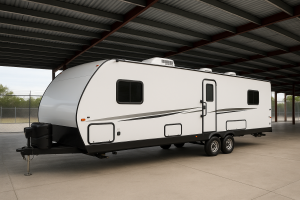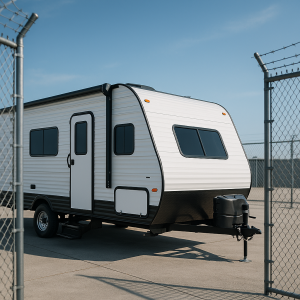
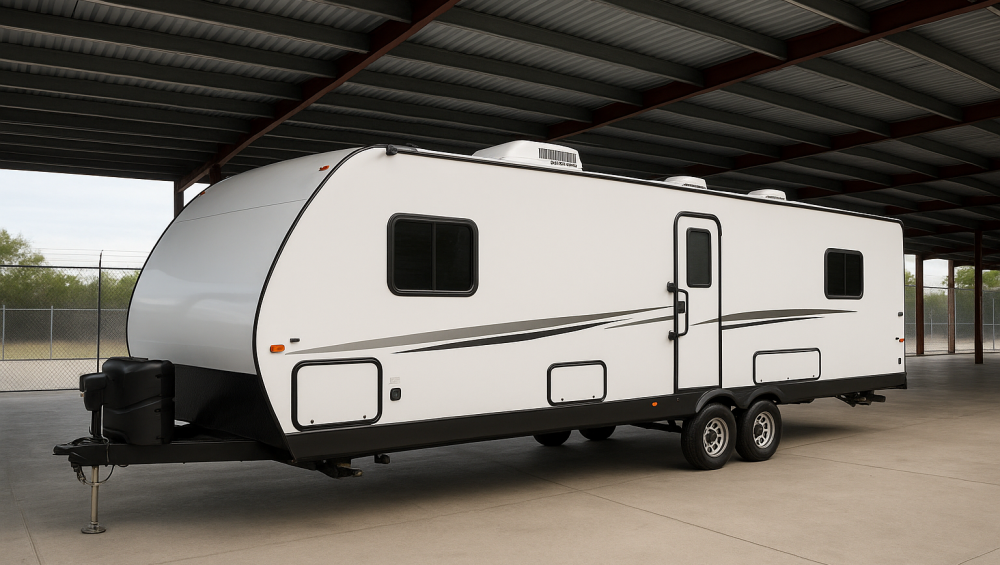
GPS tracker for RV ownership addresses one of the most pressing concerns facing recreational vehicle owners: protecting a significant investment that spends considerable time parked, stored, or traveling across vast distances. Recreational vehicles represent substantial financial commitments, yet they face unique security challenges that distinguish them from traditional automobiles. Theft rates for RVs continue climbing as these assets become increasingly valuable, while recovery without proper tracking technology remains disappointingly low.
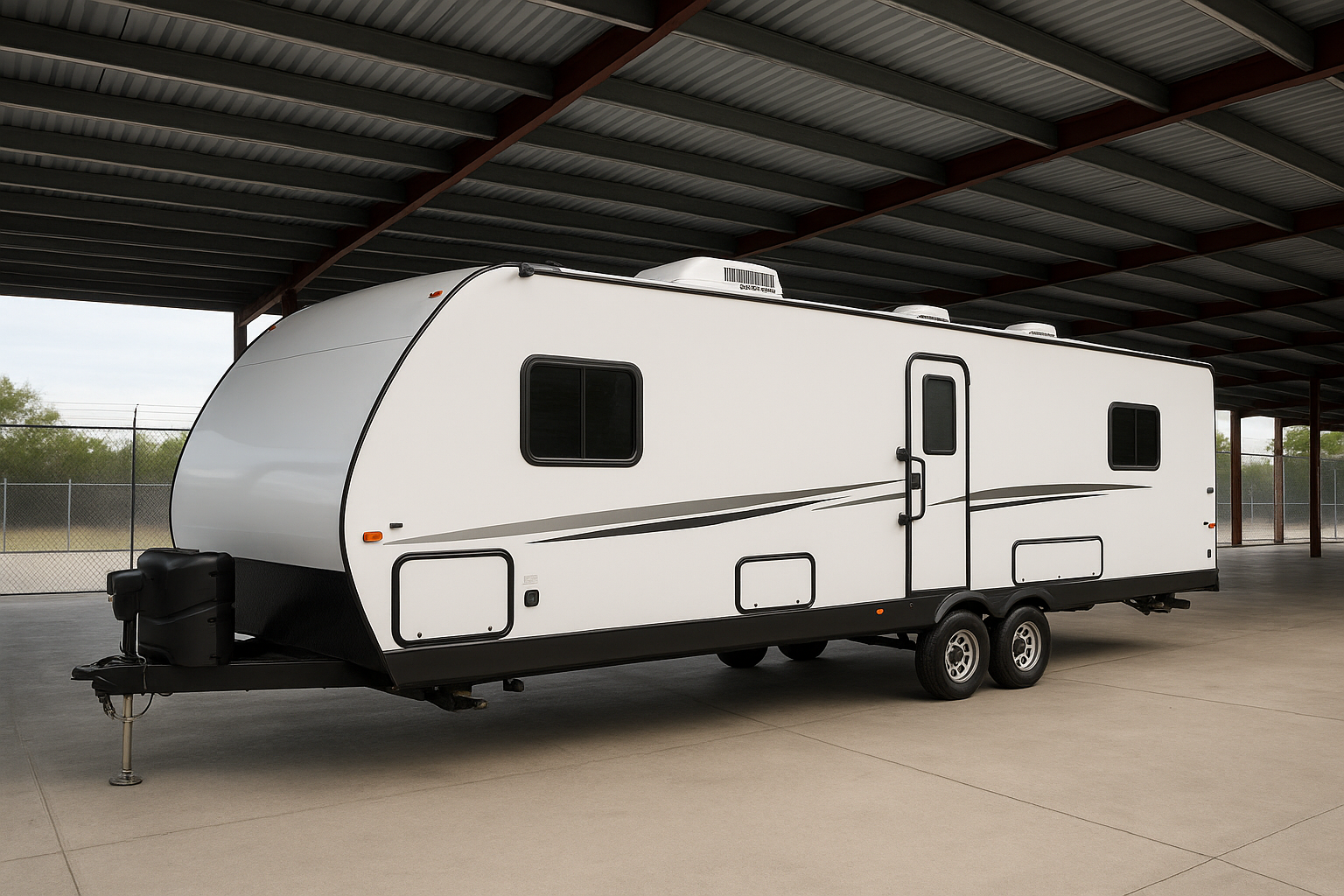
The challenge extends beyond theft prevention alone. RV owners frequently store their vehicles in remote locations, lend them to family members, or leave them at seasonal sites for extended periods. Without visibility into an RV’s location and status, owners face constant uncertainty about whether their investment remains secure. Traditional security measures like locks and alarms provide limited protection, particularly when vehicles sit unattended for weeks or months between trips.
Passive GPS tracking technology designed specifically for recreational vehicles solves these challenges through discreet installation, extended battery performance, and reliable location reporting that doesn’t require constant power draw from the RV’s electrical system. This guide explores how specialized tracking solutions protect RVs while delivering practical benefits that enhance ownership experience.
Why GPS Tracker for RV Technology Differs From Standard Vehicle Tracking
Recreational vehicles present tracking challenges that standard automotive solutions cannot adequately address. The physical size of RVs creates installation complexity, as units may span 20 to 45 feet with multiple compartments, storage areas, and exterior features that thieves understand how to exploit. Unlike passenger vehicles that receive daily use, RVs often remain stationary for weeks or months, making traditional hardwired tracking systems impractical due to battery drain on the vehicle’s primary power system.
Passive GPS tracking systems eliminate these concerns through self-contained battery power that can operate independently for 90 days between charges. This extended operational period proves essential for RV applications, where owners may check on their stored vehicle only monthly or seasonally. The technology records location data at predetermined intervals without requiring constant cellular connectivity, preserving battery life while maintaining comprehensive location history.
Temperature extremes represent another critical consideration. RVs stored in uncovered facilities or seasonal sites experience temperature swings from below freezing to over 120 degrees Fahrenheit inside enclosed spaces. Quality tracking devices engineered for RV applications withstand these conditions without performance degradation, ensuring reliability regardless of storage environment. Standard consumer-grade trackers frequently fail under such thermal stress, leaving owners without protection when they need it most.
The construction and materials used in RV manufacturing also affect GPS signal reception differently than standard vehicles. Aluminum frames, composite materials, and metallic insulation can interfere with satellite signal acquisition. Purpose-built tracking solutions account for these variables through enhanced antenna design and strategic placement recommendations that maximize signal reliability within the unique structure of recreational vehicles.
Theft Prevention and Recovery Capabilities for Recreational Vehicles
Recreational vehicle theft occurs through several distinct patterns that tracking technology directly counteracts. Professional thieves target RVs from storage facilities, private properties, and even campgrounds, often transporting stolen units hundreds of miles within hours. Without immediate detection and location visibility, recovery becomes nearly impossible as vehicles get stripped for parts, repainted, or shipped out of the country.
A GPS tracker for RV applications provides theft deterrence through multiple mechanisms. The simple presence of tracking technology, when advertised through window decals or entry-point warnings, discourages opportunistic thieves who prefer easier targets. For determined criminals who proceed despite warnings, passive tracking creates a comprehensive location trail that law enforcement can follow to recover stolen property.
The recovery timeline proves critical in theft scenarios. Statistics demonstrate that RVs recovered within the first 48 hours typically sustain minimal damage, while units missing for longer periods often suffer extensive vandalism, stripping, or total loss. Passive tracking systems provide owners with regular location updates that reveal unauthorized movement immediately, compressing the discovery-to-recovery timeline from weeks to days or even hours.
Beyond outright theft, unauthorized use represents another concern for RV owners who loan their vehicles to family members or rent them through peer-to-peer platforms. Tracking technology allows owners to verify that their RV remains within agreed geographic boundaries and returns on schedule. This visibility protects both the physical asset and the relationships involved in lending arrangements, as all parties understand that accountability exists.
Storage facility theft deserves particular attention, as these locations concentrate high-value targets in predictable patterns. Criminals stake out storage yards, identify security vulnerabilities, and strike during low-traffic periods. A passive tracking device hidden within an RV’s structure remains undetectable during preliminary surveillance, providing silent protection that activates the moment a vehicle leaves its authorized location.
Battery Performance: The 90-Day Advantage for RV Applications
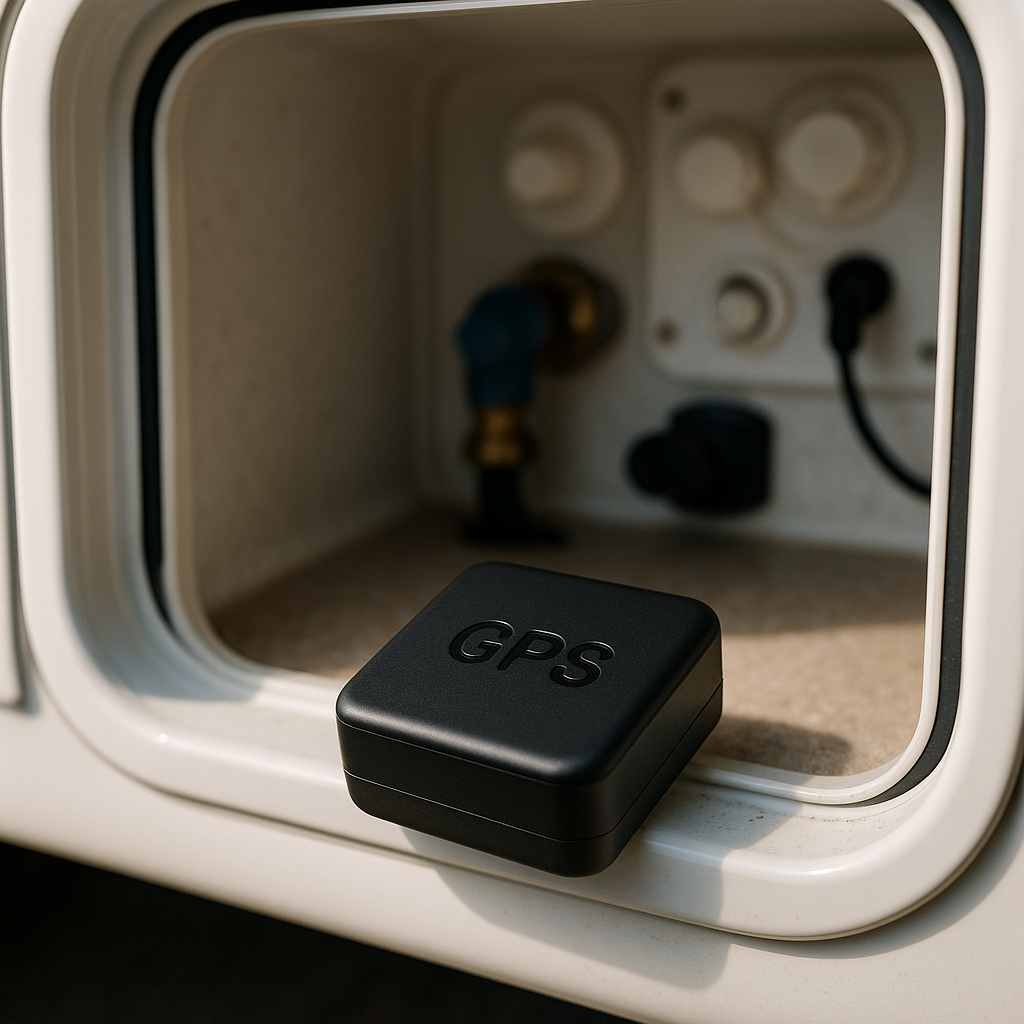
Extended battery life transforms GPS tracking from a theoretical security measure into a practical solution for real-world RV ownership patterns. The 90-day operational period aligns perfectly with how owners actually use their recreational vehicles—quarterly trips, seasonal storage, or monthly weekend getaways. This extended performance eliminates the anxiety of wondering whether tracking protection remains active during storage periods.
Traditional hardwired tracking systems create a significant vulnerability for RVs. These devices draw power continuously from the vehicle’s house or chassis battery, potentially draining the system over time. For RVs stored without shore power or solar charging, this parasitic draw can deplete batteries to the point where the vehicle won’t start when owners return. Worse, a dead vehicle battery also means dead tracking capability precisely when theft risk peaks during long storage periods.
Self-contained passive tracking devices avoid this entire problem category through internal battery power that operates completely independently from the RV’s electrical system. Owners can disconnect their RV’s batteries for long-term storage, protecting those expensive components from degradation, while the tracking device continues monitoring location without interruption. This independence proves especially valuable for owners who store RVs in locations without electrical hookups.
The 90-day battery specification reflects actual usage under normal reporting intervals, not theoretical maximum performance. Quality tracking devices achieve this duration while still providing daily location updates, maintaining comprehensive monitoring without requiring owners to remember frequent charging cycles. When recharging becomes necessary, the process typically takes just a few hours using standard USB charging, making maintenance simple and convenient.
Battery performance also affects device placement options within an RV. Without requiring wiring to vehicle power systems, portable passive trackers can be positioned in optimal locations for both GPS signal reception and concealment from potential thieves. This flexibility allows installation in storage compartments, false ceilings, or within furniture assemblies where hardwired systems could never reach.
Strategic Installation Locations Within Your Recreational Vehicle
Proper placement of a GPS tracker for RV applications balances multiple competing priorities: GPS signal reception, physical concealment, ease of battery service access, and protection from environmental extremes. Unlike standard vehicles with limited hiding spots, RVs offer numerous installation options that leverage their complex structure and abundant compartments.
External storage bays provide excellent installation locations for several reasons. These compartments typically feature translucent or fiberglass walls that allow GPS signals to pass through without significant attenuation. Thieves rarely check every storage compartment when stealing an RV, particularly when working quickly. Strategic placement behind or under fixed structures within these bays conceals the device while maintaining signal quality. External compartments also maintain more moderate temperatures than interior spaces, extending device longevity.
Interior cabinet spaces, particularly those housing electrical panels or water system components, offer another strategic option. These areas appear functional rather than suitable for valuables, causing thieves to overlook them during quick searches. False-bottom installations within drawers or behind access panels create even more secure concealment while still allowing owners to retrieve devices for periodic charging.
The area above slide-outs represents a frequently overlooked installation location. The mechanical space required for slide-out operation creates voids that provide both concealment and unobstructed sky view for GPS signal acquisition. These locations remain difficult to access without extending the slide-out, adding another layer of security against device discovery.
Owners should avoid placement in areas with extensive metal shielding, such as directly beneath aluminum roofing or inside steel-framed compartments. Similarly, locations prone to water intrusion during rain or washing should be eliminated despite even weather-resistant device ratings. The goal involves finding positions that balance all factors rather than optimizing for any single criterion.
Multiple device placement provides enhanced security for high-value RVs. Installing two tracking units in separate locations ensures that even if a thief discovers and removes one device, the second continues reporting location. This redundancy particularly benefits luxury motorhomes and fifth-wheels where the asset value justifies the additional protection investment.
Monitoring RVs in Storage Facilities and Private Property

Storage monitoring represents one of the most valuable applications for RV tracking technology, yet remains one of the most overlooked use cases by owners. The months between camping seasons create peak vulnerability periods when RVs sit unattended in facilities that may lack comprehensive security. Even properties with perimeter fencing and gate access cannot prevent determined thieves who understand facility routines and security gaps.
Passive tracking devices provide continuous monitoring without requiring owners to physically visit storage locations to verify their RV remains where it should. Daily or weekly location reports deliver peace of mind through confirmed position data, while any unexpected movement triggers immediate awareness that something has gone wrong. This capability proves particularly valuable for owners who store their RV hours away from their primary residence, making frequent physical verification impractical.
Storage facilities themselves vary dramatically in security quality. Budget facilities may offer little more than a gravel lot and basic fencing, while premium operations include 24-hour video surveillance, controlled access, and roving security patrols. Regardless of the facility’s security investment, individual owners maintain responsibility for their asset protection. Tracking technology provides an independent security layer that functions regardless of facility-level security quality.
Private property storage presents its own challenges. RVs parked in residential driveways or on rural property may attract less attention from potential thieves, but they also lack the deterrent effect of commercial facility security measures. Neighbors may not recognize whether an RV belongs in a particular location, allowing thieves to hook up and tow away a vehicle in broad daylight without raising suspicion. Location tracking provides definitive proof of unauthorized movement the moment it occurs.
Seasonal use patterns compound storage vulnerabilities. Thieves understand that RV activity peaks in summer months and drops to near zero during winter in many regions. They target storage facilities during off-seasons, knowing that owners may not check on their vehicles for months. Ninety-day battery performance ensures tracking remains active throughout entire off-seasons without requiring owners to access their stored RV for device charging, maintaining protection during the highest-risk periods.
Travel Monitoring and Route Verification Capabilities
Active travel presents different monitoring needs than storage security. When an RV is in use, whether by the owner or a borrower, tracking technology provides valuable visibility into travel patterns, route selection, and itinerary adherence. These capabilities enhance both security and practical trip management aspects of recreational vehicle ownership.
Family members borrowing an RV benefit from the accountability that location tracking provides. Parents lending their motorhome to adult children can verify that the vehicle reaches its intended destination and returns on schedule without intrusive phone calls or check-ins. This transparent monitoring preserves relationships while protecting valuable assets from unauthorized route deviations or extended use beyond agreed terms.
RV rental arrangements through peer-to-peer platforms create significant tracking value propositions. Owners who generate income from their recreational vehicles face substantial risk when strangers operate their assets. Location verification ensures renters stay within permitted geographic areas and return vehicles on time. The documented location history also provides evidence in disputes about mileage, route violations, or unauthorized use patterns.
Route planning verification helps owners evaluate whether RVs travel appropriate roads for their size and weight. Large motorhomes and long trailers face restrictions on certain highways, bridges, and tunnels. Historical location data reveals whether operators respected these constraints or exposed the vehicle to inappropriate routes that could cause damage. This information proves particularly valuable when assessing wear patterns or investigating undisclosed incidents.
Emergency situations benefit from accurate location data when an RV breaks down in an unfamiliar area. Rather than relying on potentially confused or inaccurate location descriptions from stranded travelers, tracking devices provide precise coordinates that roadside assistance can use to dispatch help quickly. This capability proves especially valuable in rural areas where landmarks are scarce and cellular signal quality may be poor.
Multi-vehicle owners managing small RV fleets for rental businesses gain operational efficiency through centralized location monitoring. Understanding where each unit is located, whether it’s moving or stationary, and its recent travel history allows better inventory management and scheduling. The same 90-day battery performance that benefits individual owners scales effectively to small commercial operations without requiring complicated installation or ongoing connectivity costs.
Protecting Towed Trailers: Travel Trailers, Fifth Wheels, and Toy Haulers
Towed recreational trailers face unique theft vulnerabilities that motorized RVs do not. Trailers lack their own power systems during storage, making hardwired tracking solutions completely impractical. The ease with which trailers can be hitched and towed makes them particularly attractive targets for theft, as criminals need only a capable truck and a few minutes to steal a valuable asset.
Travel trailers disappear from storage locations, campgrounds, and even residential properties with alarming frequency. Their lack of registration requirements in some jurisdictions and the ease of altering identification numbers make trailers difficult to track through traditional law enforcement methods. A GPS tracker for RV applications solves this vulnerability through covert tracking that operates regardless of identification plate status or paperwork manipulation.
Fifth-wheel trailers present additional challenges due to their specialized hitching requirements and typical higher values. These units often represent owners’ largest recreational investment outside their primary residence. The kingpin connection system requires specific truck bed equipment, which somewhat limits theft opportunities compared to bumper-pull trailers, but professional thieves arrive prepared with appropriate towing vehicles. Hidden tracking devices provide the only reliable recovery mechanism for stolen fifth wheels.
Toy haulers deserve special consideration as they contain not only the RV structure itself but also expensive recreational equipment like motorcycles, ATVs, or side-by-sides. A single toy hauler theft can represent losses exceeding six figures when the trailer contents are included. Tracking protection extends to the entire package, as recovering the trailer typically means recovering the contents as well, assuming thieves haven’t yet stripped the interior.
Placement options in towed trailers differ from motorized RVs. Without engine compartments or chassis cavities, installation focuses on storage compartments, false walls, or cavities within furniture assemblies. The front compartment near the tongue provides excellent signal reception due to its forward position, though this location may be more obvious to thieves. Rear or mid-section placement offers better concealment while still maintaining adequate GPS visibility through fiberglass or aluminum walls.
Battery-powered passive tracking proves essential for trailers that sit disconnected from tow vehicles for months between uses. Without any onboard electrical system during storage, hardwired tracking simply cannot function. The 90-day battery specification aligns perfectly with typical trailer usage patterns, where units might see use for a few weeks in summer but remain stored the rest of the year. Owners can confidently store their trailer knowing that protection remains active throughout the entire off-season.
Frequently Asked Questions About GPS Trackers for RVs
How long does a GPS tracker battery last in an RV?
Quality passive GPS trackers designed for RV applications provide up to 90 days of continuous operation between charges. This extended battery life accommodates the typical usage patterns of recreational vehicle owners who may store their RVs for months between trips. Battery duration depends on reporting frequency settings, with daily updates maintaining the 90-day specification while more frequent reporting reduces overall battery life. The self-contained power system operates independently from the RV’s electrical system, eliminating concerns about draining vehicle batteries during long-term storage.
Where should I install a GPS tracker in my RV?
Optimal installation locations balance GPS signal reception, physical concealment, and environmental protection. External storage compartments offer excellent signal visibility through fiberglass or translucent walls while providing concealment from casual inspection. Interior locations above slide-outs or within utility access panels work well for motorhomes. Avoid placement in areas with extensive metal shielding or prone to water intrusion. For valuable units, consider installing two devices in separate locations to provide redundant protection if thieves discover and remove one tracker.
Can GPS trackers help recover stolen RVs?
GPS tracking technology significantly improves stolen RV recovery rates by providing law enforcement with precise location data and movement history. The technology creates a documented trail from the theft location to wherever criminals transport the vehicle, enabling faster recovery before extensive damage occurs. Passive tracking systems continue operating even when moved to locations without cellular coverage, storing location data until connectivity resumes. Recovery success increases dramatically when owners detect theft quickly through regular location monitoring and immediately provide tracking data to authorities.
Do GPS trackers work when my RV is stored?
Passive GPS tracking devices function effectively during storage periods without requiring any connection to the RV’s power system. The self-contained battery provides up to 90 days of monitoring, covering typical storage durations between camping seasons. The device continues reporting location at preset intervals, alerting owners to any unauthorized movement. This capability proves especially valuable for RVs stored in remote facilities or locations where owners cannot easily perform physical security checks. Storage monitoring represents one of the most important applications for RV tracking technology.
What’s the difference between passive and real-time GPS tracking for RVs?
Passive GPS tracking records location data at predetermined intervals and reports at scheduled times, optimizing battery life for extended operation. This approach provides comprehensive location history and movement alerts while achieving 90-day battery performance between charges. The technology works independently of the RV’s electrical system, making it ideal for trailers and stored vehicles. Passive tracking delivers the essential security and monitoring capabilities RV owners need—theft detection, location verification, and recovery assistance—without the battery limitations and installation complexity of continuously-connected systems.
Finding the Right GPS Tracker for RV Protection Needs
Selecting appropriate tracking technology for recreational vehicles requires understanding the specific challenges these assets face and matching device capabilities to real-world ownership patterns. The combination of extended storage periods, high asset values, and diverse usage scenarios demands tracking solutions engineered specifically for RV applications rather than generic automotive products repurposed for recreational vehicle use.
The 90-day battery performance specification separates purpose-built RV tracking devices from consumer-grade alternatives that require weekly or monthly charging. This extended operational period aligns with how owners actually use their recreational vehicles, whether for seasonal travel, monthly weekend trips, or quarterly family vacations. Self-contained power systems eliminate concerns about depleting the RV’s batteries during storage while maintaining continuous protection throughout periods when theft risk peaks.
Piritiz offers passive GPS tracker for RV solutions engineered specifically for the unique challenges of recreational vehicle protection. The combination of extended battery life, discreet installation options, and reliable location reporting provides comprehensive security for motorhomes, travel trailers, fifth wheels, and toy haulers across all storage and usage scenarios.