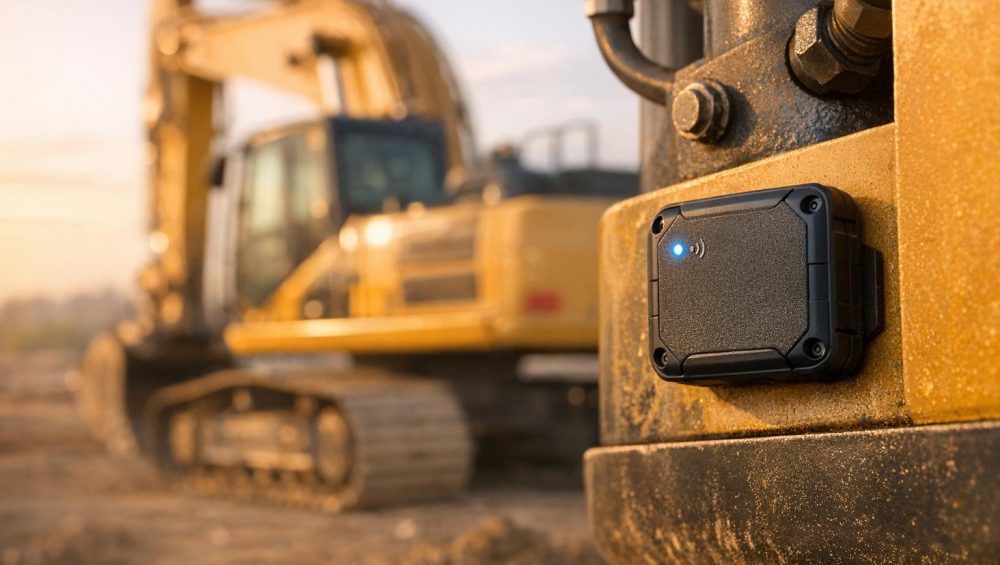

Construction equipment tracking has become an essential requirement for contractors, equipment rental companies, and construction firms managing valuable machinery across multiple job sites. Heavy equipment such as excavators, bulldozers, skid steers, and backhoes represent substantial capital investments that are frequently left unattended at remote locations, making them prime targets for theft while simultaneously creating challenges for efficient asset management and utilization tracking.

The unique operational environment of construction sites creates specific tracking requirements that differ dramatically from standard fleet management. Equipment moves between sites irregularly, often sits idle for extended periods, and operates in locations without reliable power sources for charging tracking devices. Traditional tracking solutions designed for vehicles with constant engine operation and daily use patterns fail to address these distinct challenges, leaving contractors with blind spots in their asset visibility and protection strategies.
Modern passive GPS tracking technology solves these industry-specific challenges by providing long-term asset monitoring without the need for frequent battery changes or hardwired power connections. Construction companies now have access to tracking systems that deliver continuous protection and location visibility for months at a time, transforming how they secure investments, optimize equipment deployment, and reduce operational costs associated with theft, unauthorized use, and inefficient asset allocation.
Why Construction Equipment Tracking Protects Your Largest Capital Investments
Heavy construction machinery represents one of the largest capital expenditures for construction businesses, with individual pieces of equipment often valued at hundreds of thousands of dollars. The combination of high value and frequent deployment to unsecured job sites creates a perfect storm for theft risk that threatens business viability and project timelines. Equipment theft not only results in immediate financial loss but also cascades into project delays, rental costs for replacement machinery, insurance premium increases, and potential loss of client contracts.
Construction sites typically lack the physical security infrastructure found at permanent business facilities. Chain-link fencing, if present at all, provides minimal deterrent to professional thieves who target equipment during overnight hours, weekends, or between project phases when sites sit unmanned for days or weeks. Remote rural locations compound this vulnerability, as equipment may be deployed hours away from the home office with minimal oversight and delayed discovery when assets go missing.
Passive GPS tracking for construction equipment creates a silent guardian that works around the clock without requiring operator interaction or maintenance attention. Unlike traditional security measures that can be circumvented or ignored, tracking devices continuously monitor asset location and movement patterns, generating alerts when equipment leaves designated geofence boundaries or moves during unauthorized hours. This persistent monitoring transforms theft from a low-risk, high-reward criminal opportunity into a traceable activity that enables rapid recovery and law enforcement coordination.
The deterrent effect alone provides substantial value, as thieves increasingly recognize that modern construction equipment likely contains tracking technology. Simply displaying signage indicating GPS tracking protection on equipment discourages opportunistic theft attempts, while the actual tracking capability ensures that even sophisticated theft operations can be disrupted through real-time location intelligence. Construction companies that implement comprehensive tracking programs report dramatic reductions in theft incidents, protecting their capital investments and maintaining project schedules without unexpected equipment replacement costs.
Battery Life Requirements for Construction Equipment GPS Solutions
The operational profile of construction equipment creates unique power requirements that eliminate most consumer-grade or automotive tracking solutions from consideration. Unlike vehicles that operate daily and provide consistent power through alternators, construction machinery often sits idle for days or weeks between uses, particularly for contractors managing diverse project types or equipment rental companies maintaining inventory awaiting customer deployment. Tracking devices that require frequent battery changes or depend on vehicle power become maintenance burdens that compromise protection continuity.
Ninety-day battery life represents the minimum threshold for practical construction equipment tracking, allowing businesses to implement quarterly maintenance schedules that align with other routine equipment servicing. This extended operational period ensures continuous protection through typical project cycles, seasonal work variations, and equipment storage periods without creating additional labor costs or tracking gaps. Shorter battery life forces field personnel to spend valuable time accessing equipment, removing devices for charging, or replacing batteries weekly or monthly—tasks that inevitably get postponed during busy periods, leaving assets unprotected precisely when project demands are highest.
The calculation extends beyond mere convenience to fundamental operational viability. Construction crews already manage complex scheduling, equipment transport logistics, and maintenance requirements across multiple simultaneous projects. Adding frequent tracking device maintenance to crew responsibilities ensures poor compliance and creates protection gaps that defeat the entire purpose of implementing tracking technology. Equipment managers need tracking solutions that operate autonomously for extended periods, requiring attention only during planned maintenance windows when equipment returns to the yard for service.
Passive GPS tracking technology with extended battery performance eliminates these operational friction points entirely. By delivering three months of continuous monitoring on a single charge, these systems enable construction companies to integrate tracking device maintenance into existing equipment service schedules without creating additional field visits or specialized procedures. The result is consistent asset protection that maintains visibility across entire equipment fleets without imposing operational burdens on already-stretched construction crews managing demanding project schedules.
Improving Equipment Utilization and Reducing Idle Time Costs

Beyond theft protection, construction equipment tracking delivers powerful operational intelligence that transforms how businesses deploy and manage their machinery assets. Many construction companies operate with incomplete visibility into actual equipment utilization rates, relying on operator reports, project manager estimates, or manual yard checks that provide fragmented and often inaccurate pictures of asset deployment. This information gap leads to equipment shortages on some projects while identical machinery sits idle at other locations or in storage yards, creating unnecessary rental expenses and missed revenue opportunities.
Location tracking data reveals the true utilization patterns across equipment fleets, identifying machinery that spends excessive time idle at job sites or in storage rather than generating value through productive deployment. Construction firms frequently discover they own more equipment than necessary because poor visibility led to redundant purchases when existing assets were simply misallocated rather than unavailable. The financial impact of these discoveries can be substantial, as companies recognize opportunities to reduce fleet size, defer planned equipment purchases, or increase rental income by deploying underutilized assets to external customers.
Movement tracking also exposes unauthorized equipment use that drains productive hours and increases wear without contributing to business objectives. Operators occasionally use company equipment for personal projects or side jobs, weekend home renovations, or unauthorized favors for friends and family. While individual incidents may seem minor, the aggregate impact across a fleet over time represents significant lost value through uncompensated wear, fuel consumption, and liability exposure from undocumented usage outside business insurance coverage.
The visibility enabled by passive GPS tracking allows construction businesses to make data-informed decisions about equipment acquisition, disposal, and deployment strategies. Rather than operating on assumptions or incomplete information, managers gain objective insights into which machinery types deliver highest utilization, which assets should be sold or retired, and where opportunities exist to optimize deployment across active projects. This intelligence transforms equipment management from reactive crisis response to proactive strategic planning that maximizes return on capital investments and reduces operational costs through improved asset efficiency.
Installation Considerations for Heavy Machinery and Equipment
Successful implementation of construction equipment tracking depends heavily on proper device installation that balances visibility, security, and accessibility requirements. Unlike automotive applications where standardized vehicle designs allow predictable mounting locations, construction machinery encompasses enormous variety in equipment types, sizes, and configurations. Excavators, dozers, compactors, generators, light towers, and trailers each present distinct installation challenges that require thoughtful approaches to ensure tracking effectiveness without compromising equipment operation or maintenance access.
Concealment represents a critical consideration for theft protection, as visible tracking devices alert thieves to remove or disable them before transporting stolen equipment. Heavy machinery offers numerous potential hiding locations within complex mechanical assemblies, frame structures, and enclosed compartments that provide concealment while maintaining GPS signal reception. Ideal mounting locations balance invisibility with signal performance, avoiding metal enclosures that block satellite communication while ensuring devices remain hidden from casual inspection by unauthorized users or potential thieves conducting pre-theft surveillance.
Weather resistance becomes paramount for outdoor equipment exposed to harsh construction site conditions including mud, dust, water, extreme temperatures, and mechanical vibration. Tracking devices designed for climate-controlled automotive interiors fail rapidly when exposed to the environmental extremes common in construction applications. Professional-grade construction equipment tracking solutions feature ruggedized enclosures with high ingress protection ratings that withstand direct water exposure, dust infiltration, and temperature ranges from desert heat to winter cold without performance degradation or premature failure.
Maintenance accessibility must be factored into installation planning to enable periodic battery changes or device service without requiring specialized tools or extensive disassembly procedures. While concealment from thieves is important, maintenance technicians need reasonably straightforward access to tracking devices during scheduled service intervals. The optimal installation approach creates a balance where devices remain hidden from casual observation but can be accessed by authorized personnel following documented procedures during routine equipment maintenance windows, ensuring long-term system sustainability without operational disruptions.
Geofencing and Automated Alerts for Unauthorized Equipment Movement

Geofencing technology transforms construction equipment tracking from passive location logging into active theft prevention and operational oversight. By establishing virtual boundaries around job sites, storage yards, and authorized service locations, construction companies create automated monitoring systems that detect boundary violations immediately when equipment moves outside designated zones. This capability enables rapid response to theft attempts, unauthorized usage, and operational policy violations without requiring constant manual monitoring of equipment locations across dispersed project sites.
The immediate notification aspect delivers critical time advantages during theft incidents. Traditional theft discovery often occurs days or weeks after the actual incident, when equipment is needed for a new project phase or when conducting periodic inventory counts at storage yards. By this time, stolen equipment has typically been transported across state lines, repainted and reserialized, or disassembled for parts, making recovery unlikely. Geofence violation alerts compress this discovery timeline from days to minutes, enabling law enforcement notification while stolen equipment remains in transit and recovery odds remain high.
After-hours movement detection provides another valuable application of automated alerting for construction firms. Equipment should remain stationary at job sites during overnight hours, weekends, and off-shift periods unless specifically authorized for transport or emergency use. Movement alerts during these time windows immediately flag potential theft, unauthorized use by employees, or operational policy violations that warrant investigation. This capability allows small businesses to maintain oversight equivalent to having security personnel monitoring every job site around the clock, but without the prohibitive cost of physical security staffing.
Customizable alert parameters enable construction companies to tailor monitoring strategies to specific operational requirements and risk profiles. High-value equipment or machinery deployed to elevated-risk locations can receive more sensitive monitoring with immediate alerts for any movement, while lower-value assets or equipment at secure facilities might use broader parameters that reduce nuisance notifications. The flexibility to adjust monitoring intensity based on equipment value, location security, and theft risk ensures tracking systems enhance rather than overwhelm operational management with alert fatigue from excessive notifications.
Equipment Rental Company Applications and Fleet Management
Equipment rental businesses face distinct tracking challenges that extend beyond theft protection into fundamental operational and revenue management requirements. Rental companies must maintain continuous visibility into equipment location and customer compliance while managing frequent asset turnover as machinery moves between customers, returns to inventory, and deploys to new rental agreements. The business model depends entirely on accurate equipment tracking to ensure availability for customer reservations, verify return compliance, and protect assets from loss or unauthorized retention beyond rental periods.
Customer behavior verification represents a critical but often overlooked application of construction equipment tracking for rental operations. Rental agreements typically specify authorized usage locations, yet customers occasionally transport equipment to undisclosed job sites or sublease machinery to third parties without authorization. These contract violations expose rental companies to liability risks from unreported usage while creating availability problems when equipment locations don’t match reservation system records. Passive GPS tracking provides objective verification of equipment deployment and usage patterns that supports contract enforcement and reveals systematic compliance issues requiring policy adjustments.
Late return recovery becomes significantly more effective with accurate location intelligence. Rental customers sometimes retain equipment beyond agreed return dates, creating cascading problems for businesses with subsequent reservations scheduled for the same machinery. Without tracking visibility, rental companies must rely on customer communication and goodwill to resolve late returns, often resulting in revenue loss from cancelled reservations and customer dissatisfaction. Location tracking enables proactive outreach to customers approaching return deadlines and provides recovery intelligence if equipment retrieval becomes necessary for significant overdue situations.
The extended battery life provided by passive GPS tracking solutions addresses a fundamental operational challenge for rental businesses. Unlike owned equipment that returns regularly to company facilities for maintenance, rental assets may remain in customer possession for weeks or months continuously. Tracking devices with weekly or monthly battery replacement requirements become completely impractical for rental applications, as accessing customer job sites for device maintenance creates unacceptable operational burden and customer relationship friction. Ninety-day battery performance ensures rental equipment maintains tracking protection throughout typical rental cycles without requiring customer cooperation for device maintenance or creating service interruptions.
Integration with Asset Management and Compliance Documentation
Construction equipment tracking data provides valuable inputs for comprehensive asset management systems that extend beyond location monitoring into maintenance scheduling, compliance documentation, and financial analysis. Location histories document actual equipment deployment patterns that support utilization analysis, project costing accuracy, and strategic planning for fleet optimization. This integration transforms tracking from a standalone security tool into a foundational data source that informs multiple business management functions across construction operations.
Maintenance schedule optimization benefits directly from accurate equipment usage and location data. Rather than relying solely on engine hour meters that operators may forget to check or that mechanical failures can render inaccurate, location tracking provides an independent verification of equipment activity patterns that supports predictive maintenance scheduling. Equipment that shows frequent movement and extended job site presence requires more aggressive maintenance scheduling than machinery with minimal location changes and short deployment periods, allowing businesses to tailor service intervals to actual usage rather than arbitrary calendar schedules.
Project costing accuracy improves when equipment deployment can be verified against job codes and project timelines through location tracking records. Construction firms frequently struggle with equipment cost allocation across multiple simultaneous projects, relying on operator timecards and project manager estimates that may not reflect actual asset deployment. Location data provides objective evidence of which equipment spent time at which job sites, supporting more accurate project cost accounting and profitability analysis that reveals true equipment costs for different project types and customer segments.
Compliance documentation for customer contracts, insurance requirements, and regulatory reporting gains supporting evidence through tracking records. Many construction contracts require documentation of equipment deployment for billing verification or performance compliance. Insurance policies may mandate equipment security measures or usage documentation. Location tracking data provides timestamped, objective records that satisfy these documentation requirements without creating additional administrative burden for field personnel who would otherwise need to manually log equipment movements and locations across diverse project sites and time periods.
Frequently Asked Questions About Construction Equipment Tracking
How does passive GPS tracking differ from real-time tracking for construction equipment?
Passive GPS tracking records location data at regular intervals and stores this information on the device itself, uploading location histories when the device connects to cellular networks. This approach consumes significantly less battery power than continuous real-time transmission, enabling the extended 90-day battery life essential for construction equipment that often sits idle between uses. While location updates may occur less frequently than every-second real-time tracking, passive tracking provides more than adequate visibility for construction applications where understanding daily deployment patterns and theft recovery matters more than minute-by-minute location monitoring.
What types of construction equipment benefit most from GPS tracking?
High-value mobile equipment represents the highest priority for tracking implementation, including excavators, bulldozers, skid steers, backhoes, wheel loaders, and compact track loaders that combine substantial replacement costs with relatively easy theft and transport. Portable equipment such as generators, light towers, compressors, and welders also benefits significantly due to frequent job site theft targeting these easily moved assets. Equipment rental companies should prioritize their entire fleet regardless of individual unit value, as the business model depends on continuous asset visibility for operational management and customer accountability beyond just theft protection.
Can tracking devices withstand the harsh conditions of construction sites?
Professional-grade construction equipment tracking devices feature ruggedized enclosures specifically designed to withstand the challenging environmental conditions common on construction sites. These devices carry high ingress protection ratings that ensure resistance to water infiltration from rain and pressure washing, dust and dirt exposure from earthmoving operations, extreme temperature ranges from subzero cold to summer heat, and mechanical vibration from equipment operation and rough terrain transport. Consumer-grade tracking devices designed for automotive interiors or personal use will fail rapidly in construction environments, making purpose-built industrial tracking solutions essential for reliable long-term performance.
How quickly can stolen construction equipment be recovered with GPS tracking?
Recovery speed depends primarily on how quickly theft is discovered and reported to law enforcement. Geofence alerts that notify owners immediately when equipment moves outside authorized boundaries enable same-day recovery in many cases, as stolen equipment can be located while still in transit or at temporary holding locations before being transported across state lines or altered to prevent identification. Without automated alerts, theft discovery often occurs days or weeks after the incident when equipment is needed for new projects, by which time recovery becomes substantially more difficult. The combination of geofencing automation and extended battery life ensures construction companies maintain continuous monitoring that maximizes recovery odds.
Do tracking devices require monthly subscription fees?
Most GPS tracking solutions require ongoing subscription fees to cover cellular data transmission costs, cloud platform hosting, and software access for viewing location information and configuring tracking parameters. Subscription models vary among providers, with some offering monthly billing and others providing discounted annual prepayment options. When evaluating total cost of ownership, construction companies should consider subscription fees alongside device purchase costs and expected battery replacement intervals to understand the complete long-term investment required for maintaining comprehensive fleet tracking coverage across all equipment assets.
Selecting the Right Construction Equipment Tracking Solution for Long-Term Asset Protection
Construction businesses investing in equipment tracking solutions must evaluate options based on the specific operational requirements and environmental challenges inherent to heavy machinery management. The selection process extends beyond simple feature comparison to consider long-term sustainability factors including battery performance, device durability, installation flexibility, and ongoing operational costs that determine whether tracking systems deliver sustained value or become abandoned projects that fail to protect assets effectively.
The 90-day battery life threshold represents the single most critical differentiator separating practical construction tracking solutions from consumer-grade alternatives designed for daily-use vehicles. Without extended battery performance, tracking systems create unsustainable maintenance burdens that ensure poor compliance and protection gaps across equipment fleets. Construction companies should prioritize passive GPS tracking technology that delivers quarterly battery life as the foundation for any equipment protection strategy, ensuring continuous monitoring through project cycles, seasonal variations, and equipment storage periods without requiring field personnel to dedicate time to frequent battery service that competes with productive project work.
Installation flexibility and device concealment capabilities determine implementation success across diverse equipment types ranging from compact utility machines to large earthmoving equipment. Tracking solutions must accommodate varied mounting locations, provide weather-resistant protection for outdoor exposure, and enable concealment that prevents theft detection while maintaining GPS signal quality. The combination of rugged construction-grade hardware, flexible mounting options, and thoughtful installation guidance ensures tracking devices deliver reliable performance throughout their service life while remaining hidden from unauthorized users who would disable visible tracking technology before attempting equipment theft.
Companies seeking comprehensive asset protection should explore construction equipment tracking solutions that combine extended battery life with ruggedized hardware, geofencing automation, and straightforward installation procedures. The investment in proper tracking technology delivers returns through theft prevention, improved asset utilization, operational cost reduction, and enhanced equipment management visibility that transforms how construction businesses protect and deploy their most valuable capital assets across diverse project sites and operational requirements.