
A heavy equipment GPS tracker represents one of the most critical investments construction companies, rental operators, and equipment fleet managers can make to protect high-value assets from theft, improve utilization rates, and reduce operational costs. Unlike consumer-grade tracking devices, GPS tracking solutions designed specifically for heavy equipment must withstand harsh jobsite conditions, provide extended battery life, and deliver actionable location data without the complexity of hardwired installations that require professional technicians and vehicle downtime.

The challenge facing fleet managers in the construction and equipment rental industries centers on a fundamental problem: heavy machinery often moves between remote jobsites, sits idle in unsecured yards, and becomes a prime target for organized theft rings that can move stolen equipment across state lines within hours. Traditional security measures like fencing and cameras provide limited protection once equipment leaves the yard, while the average recovery rate for stolen construction equipment remains disappointingly low without GPS tracking technology in place.
Passive GPS tracking technology has transformed how equipment-intensive businesses approach asset management, offering a solution that combines long battery life with reliable location reporting. Rather than requiring constant power draws that drain batteries or complex hardwired installations that void warranties, passive tracking devices provide extended operational periods between charges while delivering the location intelligence fleet managers need to make informed decisions about equipment deployment, theft response, and utilization optimization.
Why Heavy Equipment GPS Tracker Technology Matters for Fleet Operations
Fleet managers overseeing construction equipment, rental inventory, or heavy machinery portfolios face mounting pressure to demonstrate return on investment for every asset under their control. A heavy equipment GPS tracker addresses this challenge by providing visibility into where equipment sits, how frequently it moves, and whether it remains within authorized locations. This visibility translates directly into measurable operational improvements across multiple dimensions of fleet management.
Theft prevention stands as the most immediate benefit equipment operators recognize when implementing GPS tracking solutions. Construction equipment theft costs the industry substantial losses annually, with excavators, skid steers, and compact loaders among the most frequently targeted machines. Once thieves move equipment off a jobsite, recovery becomes exponentially more difficult without location tracking technology. GPS trackers create a deterrent effect while enabling rapid recovery response when theft does occur, often before stolen equipment crosses state lines or gets loaded onto shipping containers bound for overseas markets.
Beyond theft prevention, location intelligence from GPS tracking devices helps equipment managers identify underutilized assets that could be redeployed to active jobsites rather than sitting idle and generating zero revenue. Rental companies particularly benefit from this visibility, as knowing the precise location of every machine in the fleet enables faster turnaround times between rentals and reduces the time crews spend searching for equipment across multiple yards. The operational efficiency gains compound over time, turning GPS tracking from a security expense into a utilization optimization tool that directly impacts profitability.
Insurance considerations provide another compelling reason for implementing GPS tracking across heavy equipment fleets. Many commercial insurance carriers offer premium reductions for fleets that maintain active tracking systems on their equipment, recognizing that GPS technology significantly improves recovery rates and reduces claim payouts. The premium savings alone can offset a substantial portion of GPS tracker costs, making the technology even more attractive from a total cost of ownership perspective.
Battery Life: The Defining Factor in Construction Equipment Tracking
The single most critical specification when evaluating GPS tracking solutions for heavy machinery centers on battery life, yet this factor remains poorly understood among many fleet managers making their first tracking device purchase. Unlike vehicle tracking systems that draw power from an engine’s electrical system, equipment trackers must operate independently for extended periods, often on jobsites where equipment sits unused for weeks or months between active deployment cycles.
Standard GPS trackers designed for consumer vehicles typically offer battery life measured in days or weeks at best, requiring frequent recharging that proves impractical for equipment fleets spread across multiple jobsites and storage yards. Fleet managers cannot reasonably assign personnel to check and recharge dozens or hundreds of trackers on a weekly basis, making short battery life a deal-breaker for serious equipment tracking applications. The administrative burden of maintaining tracking devices with inadequate battery capacity quickly outweighs any security benefits the technology might provide.
Advanced passive GPS tracking devices solve this fundamental problem by extending battery life to 90 days or longer between charges, transforming GPS tracking from a high-maintenance burden into a set-and-forget security solution. This extended operational period means fleet managers can install trackers across their entire equipment inventory and only schedule quarterly maintenance cycles to recharge devices, dramatically reducing the labor costs associated with maintaining tracking coverage across a distributed fleet.
The technology enabling these extended battery lifespans relies on sophisticated power management algorithms that balance location reporting frequency with energy consumption. Rather than constantly transmitting location data like passive trackers that drain batteries within days, passive tracking systems report location data at optimized intervals that preserve battery capacity while still providing the visibility fleet managers need for theft recovery and utilization tracking. This intelligent approach to power management represents the key innovation that makes practical heavy equipment tracking possible at fleet scale.
When evaluating battery life claims from GPS tracker manufacturers, fleet managers should scrutinize the testing conditions and reporting frequencies used to generate published specifications. A device claiming up to 5-year battery life life with daily location reports offers fundamentally different value than one requiring weekly reporting to achieve the same battery performance. Understanding these specifications ensures fleet managers select tracking solutions that match their operational requirements without sacrificing the location visibility their security and utilization programs depend on.
Installation Approaches: Covert Placement vs. Hardwired Systems

The installation method for GPS tracking devices on heavy equipment creates lasting implications for both security effectiveness and ongoing maintenance requirements. Fleet managers must weigh the tradeoffs between covert battery-powered trackers that thieves cannot easily locate and disable versus hardwired systems that draw power from equipment electrical systems but require professional installation and create obvious visible components that sophisticated thieves know to look for.
Covert installation represents the preferred approach for theft prevention applications, as GPS trackers hidden in non-obvious locations on heavy equipment remain effective even when thieves spend time searching for tracking devices before moving stolen machinery. Construction equipment offers numerous concealment locations including inside battery compartments, beneath operator platforms, within hydraulic reservoirs, and behind access panels that thieves rarely check during hasty theft operations. The key advantage of covert placement lies in maintaining tracking functionality throughout the entire theft and recovery cycle, giving law enforcement the location data they need to recover stolen equipment.
Battery-powered trackers enable covert installation without requiring any connection to equipment electrical systems, eliminating the need for professional installation that typically costs hundreds of dollars per unit and requires taking equipment out of service. Fleet managers or yard personnel can install passive GPS trackers in minutes using basic mounting hardware, then activate the devices through simple mobile app procedures. This installation simplicity means tracking coverage can be deployed across an entire fleet in days rather than weeks or months, getting security benefits online quickly without disrupting ongoing operations.
Hardwired GPS tracking systems do offer the advantage of indefinite operation without battery changes, as they draw power directly from equipment electrical systems. However, this installation approach creates several significant disadvantages for heavy equipment applications. Professional installation requirements increase total deployment costs substantially, while the visible wiring and antennas that hardwired systems require make it obvious to thieves that tracking technology is present. Experienced theft rings specifically target and disable hardwired GPS systems before moving stolen equipment, rendering the tracking investment worthless at the moment it matters most.
The warranty implications of hardwired installations deserve careful consideration as well, particularly for rental companies managing equipment still covered under manufacturer warranties. Tapping into equipment electrical systems can void warranty coverage, creating potential liability if electrical problems arise later. Battery-powered trackers avoid this risk entirely by operating as completely independent systems that require no modifications to equipment electrical infrastructure.
Heavy Equipment GPS Tracker Features That Drive ROI
Not all GPS tracking devices deliver equal value for heavy equipment fleet management applications, making it essential for fleet managers to understand which features translate into measurable return on investment versus marketing gimmicks that sound impressive but provide limited practical utility. The feature set that matters most depends heavily on the specific operational challenges each fleet faces, but several core capabilities consistently deliver value across construction, rental, and contractor applications.
Geofencing functionality allows fleet managers to establish virtual boundaries around jobsites, equipment yards, and authorized operating areas, then receive automatic alerts when equipment moves outside these designated zones. This capability proves particularly valuable for detecting unauthorized equipment movement during non-business hours when theft most commonly occurs. Rather than requiring constant monitoring of equipment locations, geofencing creates an exception-based alert system that notifies managers only when equipment movement violates established parameters, reducing monitoring burden while maintaining security effectiveness.
Historical location reporting provides the visibility fleet managers need to analyze equipment utilization patterns over time, identifying machines that sit idle at one location while other jobsites face equipment shortages. This retrospective analysis capability transforms GPS trackers from simple security devices into fleet optimization tools that inform equipment purchasing decisions, rental versus ownership analyses, and resource allocation strategies. The operational intelligence generated by historical location data often delivers value that exceeds the theft prevention benefits that initially justified the GPS tracking investment.
Multi-user access controls enable fleet managers to grant location viewing permissions to different stakeholders within their organization, from operations managers who need visibility across the entire fleet to project superintendents who only need to track equipment assigned to their specific jobsites. This granular permission system prevents information overload while ensuring the right people have access to the location data relevant to their responsibilities. Equipment rental companies particularly benefit from this capability, as they can grant temporary location access to rental customers without exposing the locations of other equipment in the fleet.
Mobile app functionality has become table stakes for modern GPS tracking solutions, as fleet managers and operations personnel need the ability to check equipment locations from anywhere without being tethered to desktop computers. The best heavy equipment GPS tracking platforms deliver intuitive mobile experiences that make checking equipment locations as simple as opening an app, viewing a map, and zooming to the asset of interest. Complex interfaces that require training or multi-step processes to access location data reduce adoption rates and diminish the practical value of GPS tracking investments.
Battery status monitoring represents a frequently overlooked but critically important feature for passive GPS tracking devices. Fleet managers need clear visibility into which trackers require recharging and when, enabling proactive maintenance scheduling that prevents devices from going offline due to depleted batteries. Tracking platforms that send automatic alerts when battery levels drop below specified thresholds help maintain continuous coverage across equipment fleets without requiring manual battery checks.
Theft Recovery Protocols for Construction Equipment
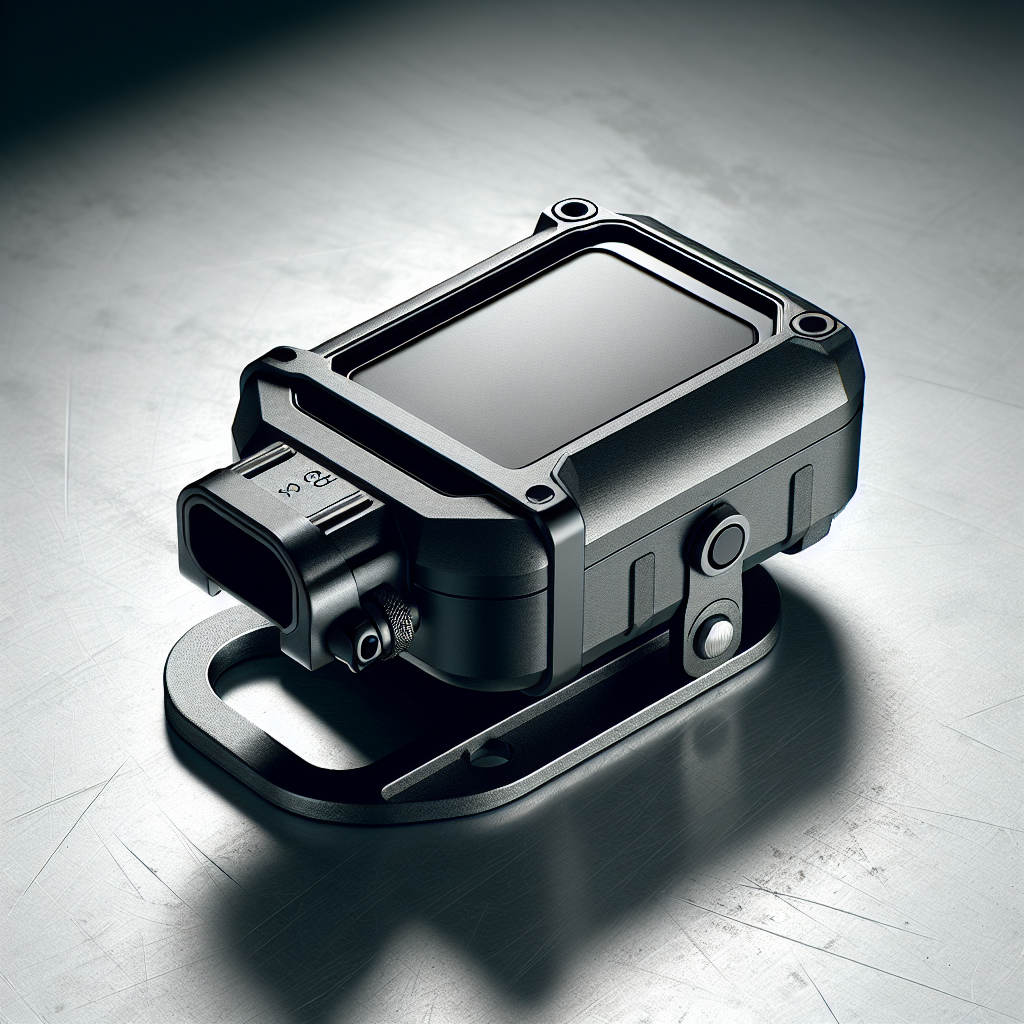
The discovery that heavy equipment has been stolen triggers a time-sensitive response process where GPS tracking technology becomes the central tool enabling recovery before thieves can move machinery beyond recovery range. Construction companies and rental operators should establish theft response protocols before incidents occur, ensuring everyone knows their role when equipment goes missing and maximizing the likelihood of successful recovery.
Immediate verification represents the critical first step when equipment appears missing from an expected location. Before assuming theft has occurred, fleet managers should confirm the equipment was not legitimately moved to another jobsite or pulled for maintenance without updating location records. This verification step prevents false alarms that waste law enforcement resources and create credibility problems for future theft reports. GPS tracking devices eliminate much of this uncertainty by providing definitive location data that confirms whether equipment remains at an authorized location or has moved to an unexpected area.
Once theft is confirmed, fleet managers should immediately access their GPS tracking platform to obtain current location coordinates for the stolen equipment. The precision of these coordinates directly impacts law enforcement response effectiveness, as deputies or detectives need exact locations to initiate recovery operations. Passive GPS trackers that report location data at regular intervals provide the position information needed to guide law enforcement to stolen equipment, even when thieves have moved machinery to remote locations or secured facilities.
Law enforcement notification should occur as soon as GPS location data is available, providing investigating officers with both the theft report details and current equipment coordinates. Many jurisdictions prioritize theft reports that include GPS tracking information, recognizing that actionable location data dramatically increases recovery probability compared to reports where investigators must conduct time-consuming searches based on limited leads. Fleet managers should maintain relationships with local law enforcement agencies before theft occurs, educating deputies about their GPS tracking capabilities and establishing communication protocols that enable rapid response when incidents happen.
Documentation throughout the theft and recovery process serves multiple purposes, from insurance claim support to prosecution evidence if thieves are apprehended. Fleet managers should capture screenshots of GPS location data, record timestamps of all tracking reports, and photograph recovered equipment before moving it from recovery locations. This documentation creates an evidence trail that supports both insurance claims and criminal prosecution, while also providing data that can inform improvements to security protocols that might prevent future theft incidents.
Post-recovery analysis helps construction companies and rental operators learn from theft incidents, identifying security gaps that enabled the theft and implementing countermeasures that reduce future vulnerability. GPS tracking data from the theft and recovery process reveals how thieves accessed equipment, transportation routes they used, and whether they made efforts to locate and disable tracking devices. These insights inform decisions about covert tracker placement, geofencing parameters, and physical security measures that complement GPS tracking technology.
Optimizing Equipment Utilization Through Location Intelligence
While theft prevention drives initial interest in GPS tracking technology for most heavy equipment fleet managers, the utilization optimization benefits often deliver greater long-term return on investment by improving how efficiently companies deploy their machinery assets. Location intelligence from passive GPS trackers transforms equipment management from reactive problem-solving into proactive resource allocation that maximizes the productivity of every machine in the fleet.
Identifying underutilized equipment represents the first optimization opportunity that GPS tracking data reveals. Fleet managers can analyze location history to determine which machines sit idle at the same location for extended periods, indicating potential candidates for redeployment to active jobsites where they could generate revenue or improve project productivity. Rental companies particularly benefit from this visibility, as equipment sitting unused in the yard generates zero income despite representing significant capital investment and ongoing depreciation costs.
Right-sizing fleet capacity becomes possible when location data provides empirical evidence of actual equipment utilization across the entire inventory. Many construction companies and rental operators maintain larger fleets than operationally necessary, purchasing or leasing additional machines based on peak demand projections rather than typical utilization patterns. GPS tracking data enables data-driven decisions about which equipment categories are genuinely needed versus which machines could be sold or not replaced at end-of-life without impacting operational capability. These fleet optimization decisions can reduce capital costs substantially while improving the utilization rates of remaining equipment.
Project-level equipment allocation improves when project managers and superintendents have visibility into which machines are currently deployed to their jobsites versus sitting at other locations where they might not be immediately needed. This transparency reduces the political conflicts that often arise when multiple project managers compete for limited equipment resources, as allocation decisions can be based on objective location data rather than whoever makes the loudest demands. The operational efficiency gains from improved equipment allocation ripple through project schedules, reducing delays caused by equipment shortages and improving overall project delivery timelines.
Maintenance scheduling benefits from GPS tracking data as well, since location information helps maintenance coordinators identify optimal times to pull equipment for service based on upcoming jobsite needs and current deployment status. Rather than scheduling maintenance on arbitrary calendar intervals regardless of equipment location or utilization, GPS-informed maintenance planning minimizes the operational disruption of service downtime by targeting periods when machines sit idle or when alternative equipment is available to cover jobsite requirements.
The financial reporting and analysis capabilities that GPS tracking data enables should not be overlooked, particularly for rental companies that bill customers based on equipment usage. Location data provides auditable records of when equipment arrived at customer jobsites and when it returned to the rental yard, eliminating billing disputes and ensuring rental companies capture revenue for the full period equipment remains deployed. This documentation creates value that extends beyond operations into finance and customer relations, demonstrating how GPS tracking delivers benefits across multiple business functions.
Selecting the Right Tracking Solution for Equipment Fleets
The GPS tracking device marketplace includes hundreds of products targeting heavy equipment applications, ranging from consumer-grade solutions adapted from vehicle tracking to purpose-built industrial devices engineered specifically for construction and rental fleet requirements. Fleet managers evaluating their options should focus on several key decision criteria that separate effective professional solutions from inadequate consumer products that fail under real-world operating conditions.
Environmental durability represents a non-negotiable requirement for any GPS tracker deployed on heavy equipment, as these devices must withstand exposure to dust, moisture, vibration, temperature extremes, and the physical abuse that comes with jobsite operations. Consumer GPS trackers designed for passenger vehicles rarely survive these harsh conditions, failing within weeks or months when subjected to construction equipment environments. Purpose-built equipment trackers feature ruggedized housings with proper ingress protection ratings that prevent dust and water intrusion, ensuring reliable operation regardless of weather conditions or jobsite environments.
Cellular coverage requirements deserve careful evaluation, as GPS trackers rely on cellular networks to transmit location data from equipment to tracking platforms. Devices that only support older 3G cellular networks face obsolescence as carriers continue shutting down these legacy networks, while trackers supporting modern 4G LTE or newer cellular standards offer longer useful lifespans and better performance in areas with marginal coverage. Fleet managers should verify which cellular carriers each tracking solution supports and confirm those carriers provide adequate coverage in the geographic regions where their equipment operates.
Total cost of ownership extends far beyond the initial purchase price of GPS tracking devices, encompassing monthly service fees, battery replacement costs, and the labor required to install and maintain trackers across an equipment fleet. Some manufacturers offer attractively low device prices but compensate with expensive monthly subscription fees that dramatically increase long-term costs, while others bundle service fees into higher upfront prices that deliver better value over multi-year deployments. Fleet managers should calculate total costs across the expected service life of tracking devices, typically three to five years, to make accurate cost comparisons between competing solutions.
Vendor reputation and longevity matter more than many fleet managers realize when selecting GPS tracking partners, as these systems require ongoing cellular service, platform support, and potentially firmware updates over their operational lifetime. Purchasing tracking devices from vendors that may not survive in the competitive GPS tracking marketplace creates risks that devices could become unsupported orphans, leaving fleet managers with hardware investments that no longer function when cellular networks change or platforms shut down. Established vendors with proven track records and sustainable business models offer greater confidence that their tracking solutions will remain supported for the full useful life of the equipment being tracked.
Scalability considerations become important for growing companies that plan to expand their GPS tracking deployments over time as they experience success with initial installations. Tracking platforms that make it difficult to add new devices or that charge prohibitive fees for fleet expansion create friction that discourages companies from expanding coverage across their full equipment inventory. The best heavy equipment GPS tracking solutions scale effortlessly from initial pilot deployments of a few devices to fleet-wide implementations covering hundreds or thousands of machines, with pricing structures that reward larger deployments rather than penalizing growth.
Frequently Asked Questions About Heavy Equipment GPS Trackers
How long do batteries last in heavy equipment GPS trackers?
Battery life in GPS tracking devices designed for heavy equipment typically ranges from a few weeks to 90 days depending on the technology used and reporting frequency configured. Passive GPS trackers optimize power consumption by reporting location data at scheduled intervals rather than continuously transmitting, enabling extended battery life that makes fleet-scale deployments practical. Devices with up to 5-year battery life life require only quarterly maintenance to recharge or replace batteries, dramatically reducing the labor burden compared to trackers requiring weekly or monthly charging cycles. Fleet managers should prioritize GPS tracking solutions offering the longest possible battery life to minimize ongoing maintenance requirements.
Can thieves detect and disable GPS trackers on construction equipment?
Sophisticated theft rings do attempt to locate and disable GPS tracking devices before moving stolen equipment, which is why covert installation in non-obvious locations is critical for security effectiveness. Battery-powered passive GPS trackers offer significant advantages for theft prevention compared to hardwired systems because they can be hidden completely out of sight without any visible wiring or antennas that signal their presence. Hardwired tracking devices often become obvious to anyone inspecting equipment carefully, while properly concealed battery-powered trackers remain effective throughout the theft and recovery process. Multiple tracker placement or rotating installation locations across equipment fleets can further reduce the risk of thieves successfully locating and disabling tracking devices.
What is the difference between passive and GPS location monitoring?
Passive GPS tracking devices record and report location data at optimized intervals such as once or several times daily, balancing location visibility with extended battery life, while passive trackers transmit location continuously or at very frequent intervals that provide minute-by-minute visibility but drain batteries quickly. For heavy equipment applications, passive tracking delivers the location intelligence fleet managers need for theft recovery and utilization optimization without the battery life constraints that make passive location monitoring impractical for assets that sit idle for extended periods. The up to 5-year battery life life possible with passive tracking technology eliminates the maintenance burden of constant recharging while still providing adequate location data for security and fleet management purposes.
Do GPS trackers work on equipment stored in enclosed buildings or shipping containers?
GPS tracking devices require line-of-sight to overhead satellites to determine location, which means equipment stored inside metal buildings, underground, or within shipping containers may prevent GPS signal acquisition until the equipment moves to an outdoor location where satellite visibility is restored. However, this limitation rarely impacts theft recovery effectiveness because thieves must eventually move stolen equipment to outdoor locations for transport or use, at which point GPS trackers reacquire satellite signals and report current locations. Some advanced tracking devices also incorporate cellular tower triangulation as a backup location method that can provide approximate positioning even when GPS satellite signals are unavailable, though with reduced accuracy compared to full GPS positioning.
How accurate is the location data from heavy equipment GPS trackers?
Modern GPS tracking devices typically provide location accuracy within 5 to 15 meters under normal conditions with clear satellite visibility, which is sufficient precision to identify the specific jobsite, equipment yard, or property where tracked machinery is located. Location accuracy can degrade in challenging environments with obstructed sky views such as urban areas with tall buildings, dense forests, or other conditions that limit satellite visibility, but rarely impacts the practical utility of tracking data for theft recovery or fleet management applications. The location precision provided by GPS technology enables law enforcement to drive directly to stolen equipment locations and allows fleet managers to confirm which jobsite or yard specific machines occupy without requiring time-consuming physical searches across distributed facilities.
Choosing GPS Tracking Technology for Heavy Equipment Protection and Fleet Optimization
GPS tracking technology has evolved from a novel security concept into an essential fleet management tool that delivers measurable return on investment through both theft prevention and utilization optimization. A heavy equipment GPS tracker with up to 5-year battery life life and covert installation capability provides construction companies, rental operators, and equipment fleet managers with the location visibility they need to protect high-value assets while improving how efficiently they deploy machinery resources across jobsites and projects. The combination of extended battery life, ruggedized construction, and intelligent power management makes passive GPS tracking the practical solution for equipment fleets ranging from small contractor operations to large nationwide rental companies.
The decision to implement GPS tracking across heavy equipment fleets should focus on finding solutions that balance comprehensive functionality with minimal maintenance burden, ensuring that security and utilization benefits are not offset by excessive administrative overhead. Devices offering up to 5-year battery life life, covert installation options, intuitive mobile and web platforms, and flexible geofencing capabilities deliver the feature set most fleet managers need without unnecessary complexity that reduces adoption or increases costs. As the heavy equipment tracking technology continues maturing, the gap between professional-grade solutions and consumer products widens, making vendor selection and feature evaluation increasingly important for achieving desired outcomes.
Fleet managers ready to implement GPS tracking across their heavy equipment inventory should evaluate solutions based on total cost of ownership, environmental durability, battery life specifications, and vendor reputation to ensure their investments deliver long-term value. Visit Piritiz for heavy equipment GPS tracker solutions engineered specifically for construction and rental fleet applications, featuring up to 5-year battery life life and passive tracking technology designed for the harsh environments where heavy machinery operates.