GPS tracking device for rental equipment has become essential for operators managing assets across multiple job sites and customer locations. Equipment rental companies face unique challenges that set them apart from other fleet operations: assets constantly move between renters, sit idle at unknown locations, and become vulnerable to theft or misuse. Without visibility into where equipment travels and how customers use it, rental businesses lose revenue through extended rental periods, unauthorized usage, and assets that simply disappear.
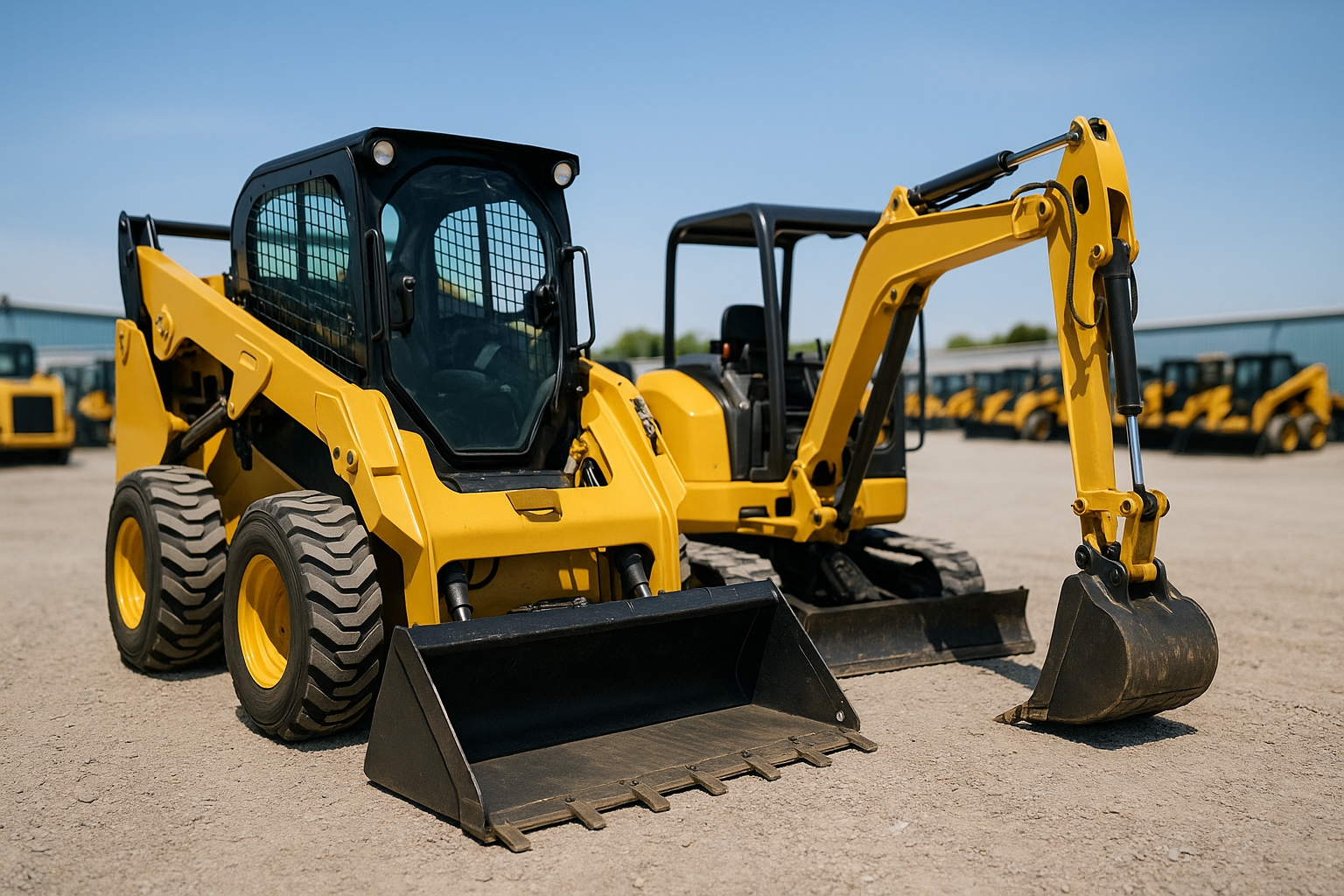
The rental equipment industry operates on thin margins where every piece of machinery must generate consistent returns. When a skid steer, compressor, or generator goes missing or sits unused at a customer site beyond the rental period, the financial impact compounds quickly. Traditional methods of tracking rental equipment—phone calls, manual inspections, and customer honesty—no longer suffice for modern rental operations that need precise asset location data and utilization insights.
Passive GPS tracking solutions address these challenges by providing long-term asset monitoring without the maintenance burden of devices requiring frequent recharging. For rental equipment that may sit dormant for extended periods or operate in remote locations without power access, battery life determines whether a tracking system delivers value or creates operational headaches.
Why Rental Equipment Requires Specialized GPS Tracking Devices
Rental equipment presents tracking challenges that differ fundamentally from owned fleet vehicles. Equipment moves into customer possession for days, weeks, or months at a time, often operating in environments without reliable power sources or connectivity infrastructure. A GPS tracking device for rental equipment must function independently without requiring the renter to charge batteries, maintain connections, or even know the tracker exists.
Unlike construction companies that maintain continuous control over their equipment, rental operators relinquish physical custody while retaining ownership and financial risk. This separation creates information gaps that traditional tracking systems fail to bridge effectively. Equipment may travel to residential properties, remote industrial sites, or agricultural locations where cellular coverage fluctuates and power access remains limited.
The temporary nature of rental transactions also means equipment changes hands frequently, increasing exposure to theft, damage, and misuse. Each time machinery leaves the rental yard, operators need confidence that they can locate it regardless of where customers take it or whether the rental period expires without return. Specialized tracking devices designed for rental applications must withstand harsh operating environments while providing reliable location data throughout extended rental cycles.
Battery longevity becomes the critical factor separating effective tracking systems from those that fail mid-rental. Devices requiring weekly or monthly recharging create impossible maintenance scenarios when equipment sits at customer sites. A 90-day battery life ensures tracking remains active through typical rental periods without intervention, giving operators complete visibility regardless of rental duration or customer behavior.
Preventing Theft and Unauthorized Use in Rental Operations
Equipment theft represents one of the largest uncontrolled expenses for rental companies, with stolen assets often never recovered. A GPS tracking device for rental equipment transforms theft from a total loss into a recoverable situation by providing law enforcement with precise location data immediately after discovering an asset missing. The mere presence of tracking technology also serves as a deterrent when customers know equipment includes location monitoring.
Beyond outright theft, unauthorized use creates liability exposure and accelerates equipment wear. Renters who extend usage beyond contracted periods, take equipment to unapproved locations, or allow unauthorized operators to use machinery all create risk that passive GPS tracking helps identify. Geofencing capabilities alert rental companies when equipment moves outside designated areas, enabling immediate intervention before small violations become major problems.
The financial impact of theft extends beyond the equipment value itself. Lost rental revenue during police investigations, insurance deductibles, replacement costs, and increased premiums all multiply the actual expense. Recovery rates improve dramatically when rental companies can provide law enforcement with real-time location updates rather than vague descriptions of when equipment was last seen.
Passive tracking systems excel in theft prevention because they remain active continuously without depending on external power sources that thieves can easily disconnect. Devices installed in discrete locations on equipment continue reporting position data even when machinery sits powered down or has been stripped of obvious tracking components. The 90-day battery specification ensures tracking persists through the critical window when stolen equipment either gets recovered or disappears permanently into resale channels.
Improving Asset Utilization and Rental Revenue
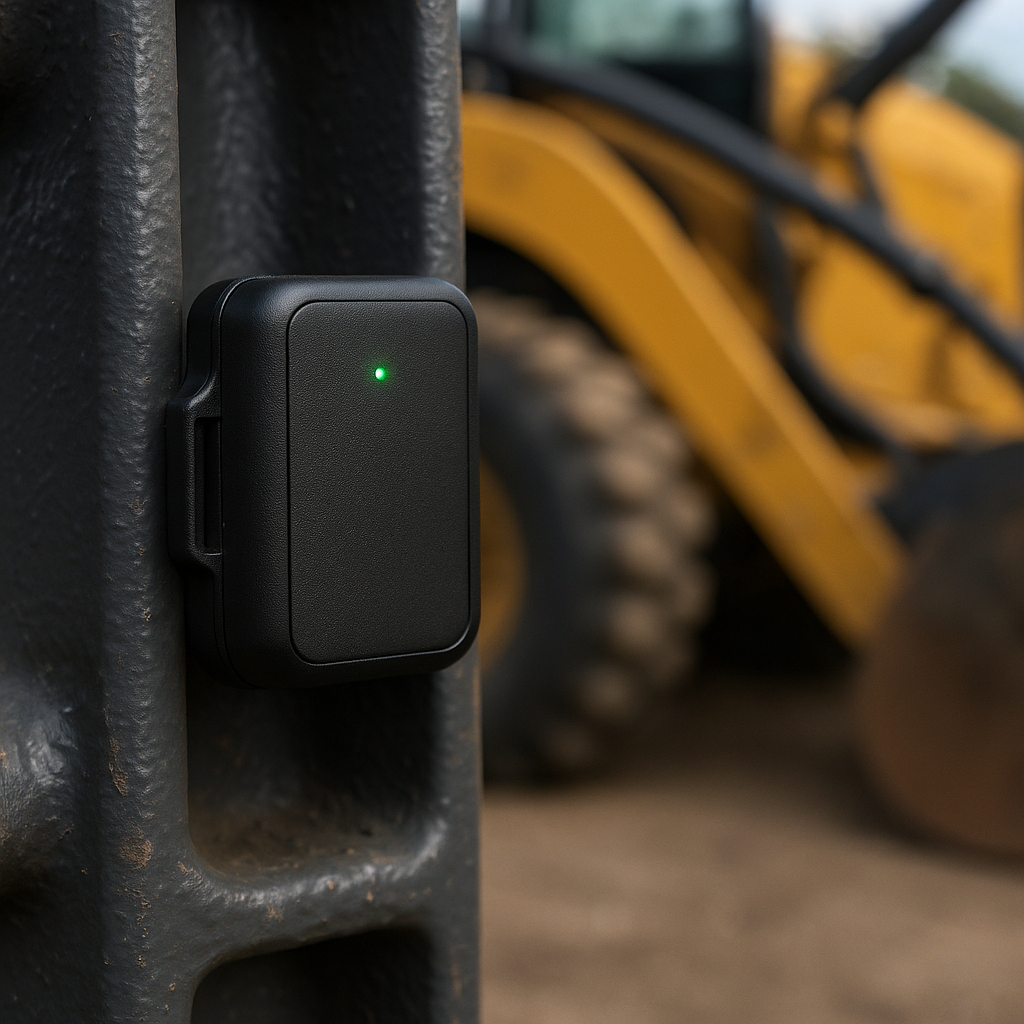
Rental businesses succeed by maximizing utilization rates—the percentage of time equipment generates revenue versus sitting idle. Without accurate location and usage data, operators struggle to understand which assets remain underutilized, where equipment clusters unnecessarily, and when customers retain machinery beyond rental periods. A GPS tracking device for rental equipment provides the visibility needed to optimize fleet composition and deployment strategies.
Many rental companies discover significant revenue leakage when implementing tracking systems for the first time. Equipment that renters claim to have returned actually sits at job sites for additional days, customers use machinery at multiple locations beyond the contracted single site, and assets believed to be on rent actually sit idle in the yard. Each insight represents recovered revenue and improved decision-making about fleet size and composition.
Passive GPS tracking enables data-driven decisions about equipment purchasing and retirement. When utilization reports show certain machinery types consistently renting at high rates while others sit idle, operators can adjust their fleet mix accordingly. Location history also reveals geographic demand patterns, helping rental companies decide where to establish satellite yards or which locations would benefit from equipment transfers.
The extended battery life of 90-day tracking devices proves essential for utilization monitoring because it ensures complete data capture across the entire rental cycle. Gaps in tracking data caused by dead batteries create blind spots that distort utilization calculations and prevent accurate billing for extended rental periods. Continuous passive tracking provides the reliable data foundation rental operations need for financial analysis and strategic planning.
Streamlining Equipment Recovery and Customer Accountability
The end of rental periods often becomes contentious when customers dispute return dates or claim equipment was returned when rental companies have no record of receipt. GPS tracking eliminates these disputes by providing objective evidence of equipment location throughout the rental cycle and confirming when assets actually return to the rental yard. This accountability protects rental companies from revenue loss while maintaining customer relationships through transparent, data-backed policies.
Equipment recovery becomes straightforward when rental periods expire without return. Rather than making repeated phone calls or sending collection notices based on estimates, rental operators can reference exact equipment locations and present customers with specific addresses or coordinates. This professional approach often accelerates returns because customers recognize the futility of claiming equipment is lost, stolen, or previously returned.
Passive GPS tracking also protects customers from false claims. When rental companies accuse customers of having equipment that was actually returned or taken by another party, location data provides definitive proof that resolves disputes immediately. This fair, evidence-based approach builds trust and encourages customers to rent again, knowing they won’t face baseless accusations or charges.
The long battery life characteristic of effective rental tracking devices ensures location data remains available through the entire dispute resolution process. Equipment involved in billing disagreements may sit at contested locations for weeks or months while parties work toward resolution. Tracking systems that lose power during these periods eliminate the evidence needed for fair outcomes, creating he-said-she-said scenarios that damage business relationships and lead to write-offs.
Installation and Maintenance Considerations for Rental Fleets

Rental equipment tracking devices must accommodate installation across diverse machinery types while remaining concealed from casual observation. Equipment ranging from compact power tools to large earthmoving machinery requires flexible mounting options that keep trackers secure through transport, operation, and potential rough handling. A GPS tracking device for rental equipment should install quickly without specialized tools or technical expertise, enabling rental yard staff to equip assets as they arrive and remove devices during equipment sales or retirement.
Maintenance requirements directly impact tracking system viability for rental operations. Devices requiring frequent battery changes, software updates, or connectivity troubleshooting create labor costs that erode the value tracking provides. Rental yards processing dozens or hundreds of equipment check-ins and check-outs daily cannot dedicate staff time to maintaining tracking devices. Passive GPS solutions with 90-day battery life reduce maintenance to quarterly battery replacement cycles that align with routine equipment service intervals.
Weather resistance and durability determine whether tracking devices survive the rental environment. Equipment operates in rain, snow, extreme temperatures, and dusty or muddy conditions that destroy consumer-grade electronics quickly. Industrial-grade enclosures that protect against moisture, impact, and vibration ensure tracking investments last for years rather than months, spreading costs across many rental cycles and improving return on investment.
The discrete nature of tracking installations also affects theft prevention effectiveness. When devices remain visible and easily accessible, determined thieves can remove them before relocating stolen equipment. Strategic installation in protected cavities or beneath panels keeps trackers hidden while ensuring adequate satellite visibility for reliable position reporting. Balance between concealment and signal strength requires understanding equipment design and GPS technology limitations.
Selecting the Right Passive GPS Tracking Technology
Equipment rental companies evaluating tracking solutions must distinguish between active real-time systems and passive GPS tracking devices designed for periodic position reporting. Active systems provide continuous updates and require constant power, making them suitable for powered vehicles but impractical for rental equipment that sits dormant between uses. Passive tracking conserves battery life by reporting position at scheduled intervals or when movement occurs, extending operational duration to the 90-day standard essential for rental applications.
Cellular connectivity options impact tracking reliability and cost structures. Multi-carrier devices that automatically select the strongest available network ensure consistent reporting regardless of where customers take equipment. Rental operators serving diverse geographic regions benefit from tracking technology that works across rural areas with limited coverage as well as urban environments where signal interference occurs. Understanding the cellular technology underlying tracking devices helps operators avoid solutions that work in some locations but fail in others.
Reporting frequency and data retention policies affect the intelligence rental companies can extract from tracking systems. Devices that report position only once daily may miss unauthorized movement or theft opportunities, while systems reporting too frequently drain batteries unnecessarily. Optimal tracking solutions balance battery conservation with sufficient update frequency to capture meaningful asset movement patterns. Long-term data retention enables trend analysis that informs fleet management decisions beyond immediate location needs.
Platform features and reporting capabilities separate basic location services from comprehensive fleet management tools. The best GPS tracking device for rental equipment integrates with business systems to automate billing adjustments for extended rentals, generate utilization reports for financial analysis, and create geofence alerts that prevent unauthorized equipment movement. Evaluating platforms based on rental-specific workflows rather than generic tracking features ensures the solution delivers value aligned with business priorities.
Cost-Benefit Analysis for Rental Equipment Tracking
Implementing passive GPS tracking requires upfront investment in devices, installation labor, and subscription services that rental operations must justify through quantifiable returns. The business case for a GPS tracking device for rental equipment typically centers on theft prevention, utilization improvement, and billing accuracy—each delivering measurable financial impact that exceeds tracking costs within months of deployment.
Theft recovery alone often justifies tracking investments. Recovering a single piece of heavy equipment that would otherwise represent a total loss covers tracking costs for an entire fleet. Beyond one-time recovery events, the theft deterrent effect reduces loss rates over time as word spreads among potential thieves that rental equipment includes location monitoring. Insurance premium reductions available to companies with tracking systems further improve financial returns.
Utilization improvements generate ongoing revenue gains that compound over time. Equipment that previously sat idle between rentals becomes available for immediate deployment when operators know exact locations and can route retrieval efficiently. Customers who previously retained equipment for uncompensated extra days now return assets on time when they know tracking monitors rental periods. These incremental revenue gains accumulate across hundreds of rental transactions annually.
Battery life economics significantly impact total cost of ownership. Tracking devices requiring monthly battery replacement create labor costs that exceed the device and subscription expenses themselves. A rental yard with 200 tracked assets spends considerable staff time on monthly maintenance visits. Passive GPS tracking with 90-day battery life reduces this maintenance burden by 67%, freeing staff for revenue-generating activities while lowering the effective cost per asset tracked.
Frequently Asked Questions
How long do GPS tracking devices for rental equipment typically last on a single battery charge?
Quality passive GPS tracking devices designed specifically for rental equipment applications feature 90-day battery life under normal operating conditions. This extended duration eliminates the need for battery maintenance during typical rental periods and reduces the labor costs associated with frequent recharging or battery replacement. Battery longevity depends on reporting frequency, with devices programmed to update position less frequently achieving longer operational periods. The 90-day standard represents the industry benchmark that rental operators should expect from purpose-built tracking solutions rather than general consumer GPS devices adapted for commercial use.
Can customers detect or disable GPS trackers installed on rental equipment?
Professional-grade GPS tracking devices for rental equipment install in discrete locations that remain hidden during normal equipment operation and inspection. While determined individuals with technical knowledge might locate and attempt to disable tracking devices, strategic installation in protected cavities combined with tamper alerts notifies rental companies of interference attempts. Most customers never notice tracking devices because they integrate seamlessly with equipment design. Rental agreements that disclose location monitoring as a standard security measure also discourage tampering by establishing clear expectations that equipment includes tracking technology for theft prevention and asset management purposes.
What happens to GPS tracking when rental equipment operates in areas with poor cellular coverage?
Passive GPS tracking devices continue logging position data even when cellular connectivity becomes unavailable in remote locations. Once equipment returns to areas with cellular service, stored location history uploads automatically, providing rental companies with complete movement records. Multi-carrier devices that support multiple cellular networks improve reliability by connecting to whichever carrier offers the strongest signal in any given location. This geographic flexibility ensures tracking remains effective across diverse rental territories including rural construction sites, agricultural properties, and industrial facilities where single-carrier solutions might fail consistently.
How does GPS tracking improve billing accuracy for equipment rental companies?
Location data from GPS tracking devices eliminates disputes about rental period duration and equipment usage by providing objective evidence of when assets leave and return to the rental yard. Automated alerts notify rental companies when equipment remains at customer sites beyond contracted return dates, enabling immediate billing adjustments or collection actions. Geofencing technology also identifies when customers take equipment to multiple job sites beyond the single location specified in rental agreements, supporting additional location charges where applicable. This transparency protects rental company revenue while maintaining fair customer relationships based on verified usage rather than estimates or assumptions.
What types of rental equipment benefit most from passive GPS tracking?
High-value equipment including excavators, skid steers, generators, compressors, trailers, and aerial lifts represents the primary target for GPS tracking implementation due to theft risk and revenue impact when assets go missing. However, rental companies increasingly track smaller equipment as device costs decline and utilization management becomes more sophisticated. Any rental asset that leaves the yard for extended periods, operates in unsecured locations, or presents significant financial exposure justifies tracking investment. The equipment types generating the highest rental revenue or experiencing the most frequent theft attempts should receive tracking priority when rental operations implement phased deployment strategies.
Protecting Rental Assets Through Advanced Location Intelligence
The challenges facing equipment rental operations—theft exposure, utilization optimization, billing disputes, and asset accountability—all share a common solution in passive GPS tracking technology designed specifically for rental applications. A GPS tracking device for rental equipment transforms asset management from reactive problem-solving to proactive intelligence that drives revenue protection and operational efficiency. The 90-day battery life standard ensures tracking remains reliable throughout rental cycles without creating maintenance burdens that undermine system value.
Rental companies that implement comprehensive tracking programs report measurable improvements across key performance indicators including theft recovery rates, utilization percentages, billing accuracy, and customer satisfaction scores. These gains stem from the visibility and accountability that location data provides, eliminating the information gaps that previously allowed revenue leakage and asset losses. As tracking technology becomes standard practice across the rental industry, operators without robust systems face competitive disadvantages when customers recognize the security and professionalism that monitored equipment represents.
Equipment rental businesses ready to protect assets and optimize fleet performance should explore passive GPS tracking devices for rental equipment that deliver 90-day battery life and comprehensive location intelligence designed specifically for rental operations.