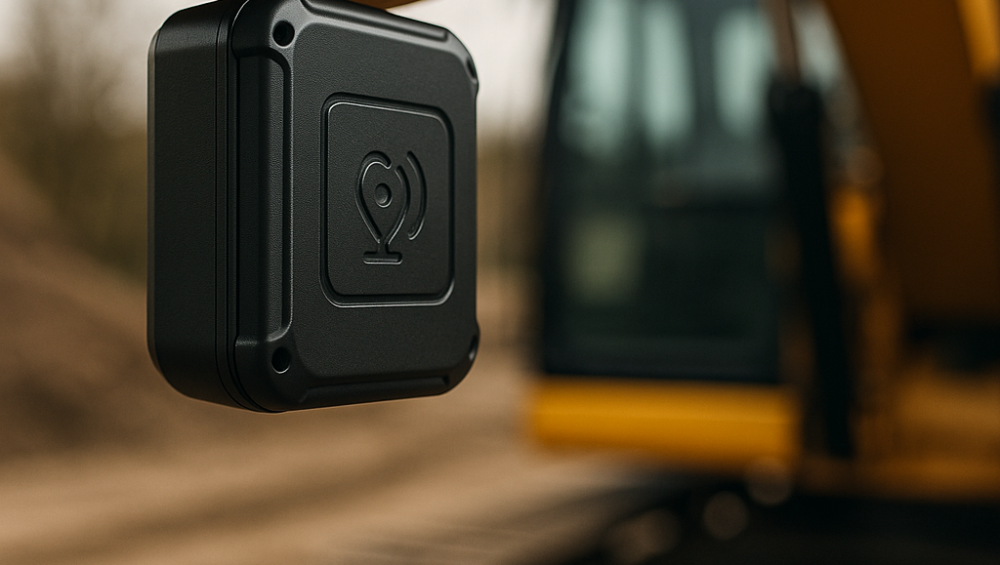
An asset GPS tracker serves as the critical defense layer between business equipment and potential loss, theft, or mismanagement. Fleet managers, construction supervisors, and equipment rental operators face mounting pressure to account for every piece of machinery, trailer, and high-value tool scattered across job sites, customer locations, and storage yards. The financial exposure from a single stolen excavator, missing generator set, or untracked trailer can devastate quarterly budgets and erode operational confidence.
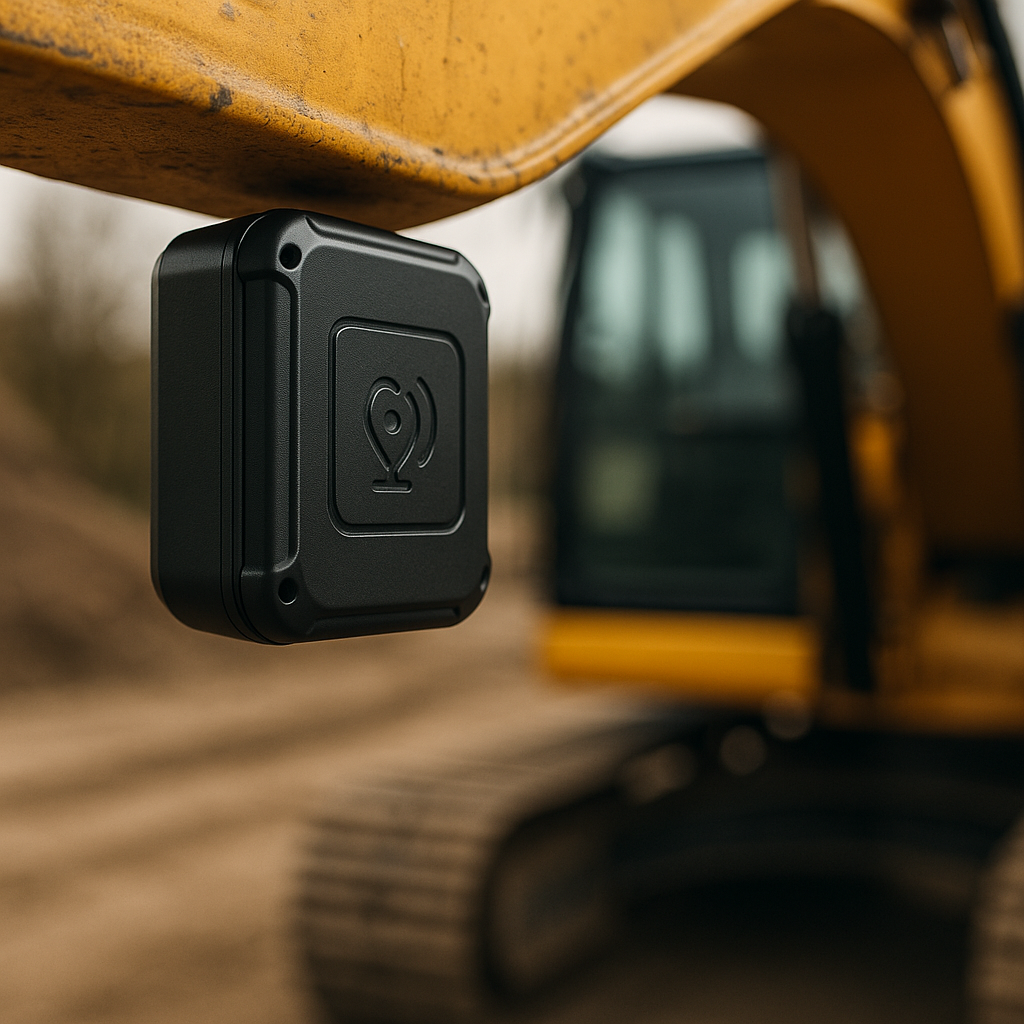
Passive GPS tracking technology has transformed how organizations monitor assets without the complexity of hardwired installations or frequent battery replacements. Unlike traditional systems requiring professional installation and constant power sources, modern asset tracking solutions deploy in minutes and operate independently for extended periods. The challenge lies in selecting tracking hardware that balances location accuracy, battery endurance, and deployment flexibility across diverse equipment types.
Choosing the right asset GPS tracker demands understanding how different tracking technologies align with specific operational requirements. Construction companies managing dozers and backhoes have vastly different needs than trailer fleet operators or equipment rental businesses tracking portable generators. The following sections examine the core capabilities, deployment strategies, and selection criteria that separate effective asset protection from expensive monitoring failures.
How Asset GPS Trackers Eliminate Equipment Loss and Improve Recovery Rates
Equipment theft represents a persistent threat across construction, rental, and transportation industries. Unmonitored assets become targets the moment they leave secured facilities or sit unattended on remote job sites overnight. Traditional security measures like perimeter fencing and surveillance cameras cannot protect equipment once it moves beyond fixed locations. Asset GPS trackers provide continuous location visibility regardless of where equipment travels or gets moved.
The passive tracking approach delivers location updates at predetermined intervals without requiring constant cellular connections. This methodology extends battery life dramatically compared to systems transmitting continuous real-time positions. When equipment goes missing, historical location data reveals movement patterns, storage locations, and potential theft timelines. Law enforcement agencies can pinpoint recovery coordinates rather than searching broad geographic areas.
Recovery success hinges on deployment discretion and battery longevity. Thieves actively search for and disable obvious tracking devices, making concealed placement essential. Trackers requiring frequent battery changes create maintenance burdens and potential tracking gaps during replacement periods. Solutions offering 90-day battery life minimize vulnerability windows while reducing the labor costs associated with battery maintenance across large equipment fleets.
Beyond theft recovery, location data exposes unauthorized equipment use and after-hours movement. Supervisors can identify when assets leave designated work zones or operate during non-business hours. This visibility deters employee misuse and establishes accountability for equipment handling. The mere presence of tracking technology often reduces theft attempts as word spreads among would-be thieves that assets carry location monitoring.
Maximizing Asset Utilization Through Location Intelligence
Equipment sitting idle represents capital generating zero return while still incurring depreciation and ownership costs. Many organizations discover they own more equipment than necessary simply because they lack visibility into current utilization patterns. Asset GPS trackers transform location data into utilization intelligence, revealing which machines work consistently and which accumulate expensive idle time.
Location history shows how long equipment remains at specific job sites versus time spent in transit or storage. Rental companies can identify units with high demand versus those rarely deployed, informing purchasing decisions and fleet composition. Construction firms can redistribute underutilized equipment from overstocked locations to sites experiencing shortages, eliminating unnecessary rental expenses.
Passive tracking systems record location check-ins that establish presence at job sites without the data overhead of minute-by-minute position updates. This approach provides sufficient detail for utilization analysis while conserving battery power. Managers can review weekly or monthly location patterns to identify equipment trapped at completed job sites, forgotten in remote storage yards, or consistently underdeployed.
The financial impact of improved utilization extends beyond avoiding unnecessary equipment purchases. Better asset distribution reduces the transportation costs of moving equipment between locations. Organizations can confidently commit to project timelines knowing they can locate and deploy required machinery quickly. Customers receive better service when rental companies can immediately identify available equipment locations rather than relying on manual status checks across multiple yards.
Deployment Strategies for Different Asset Types and Environments

Construction equipment, trailers, portable generators, compressors, and light towers each present unique tracking challenges. Heavy machinery typically offers enclosed compartments for concealed tracker placement, while open trailers require weatherproof mounting solutions. Generators and compressors vibrate continuously during operation, demanding secure attachment methods that withstand mechanical stress.
Magnetic mounting provides the fastest deployment option for metal assets, allowing tracker attachment without tools or modifications. Fleet managers can deploy trackers across dozens of assets in a single afternoon rather than scheduling professional installation appointments. The magnetic approach works exceptionally well for trailers, shipping containers, and equipment with flat metal surfaces. However, magnetic mounting requires periodic checks to ensure vibration and weather haven’t compromised attachment integrity.
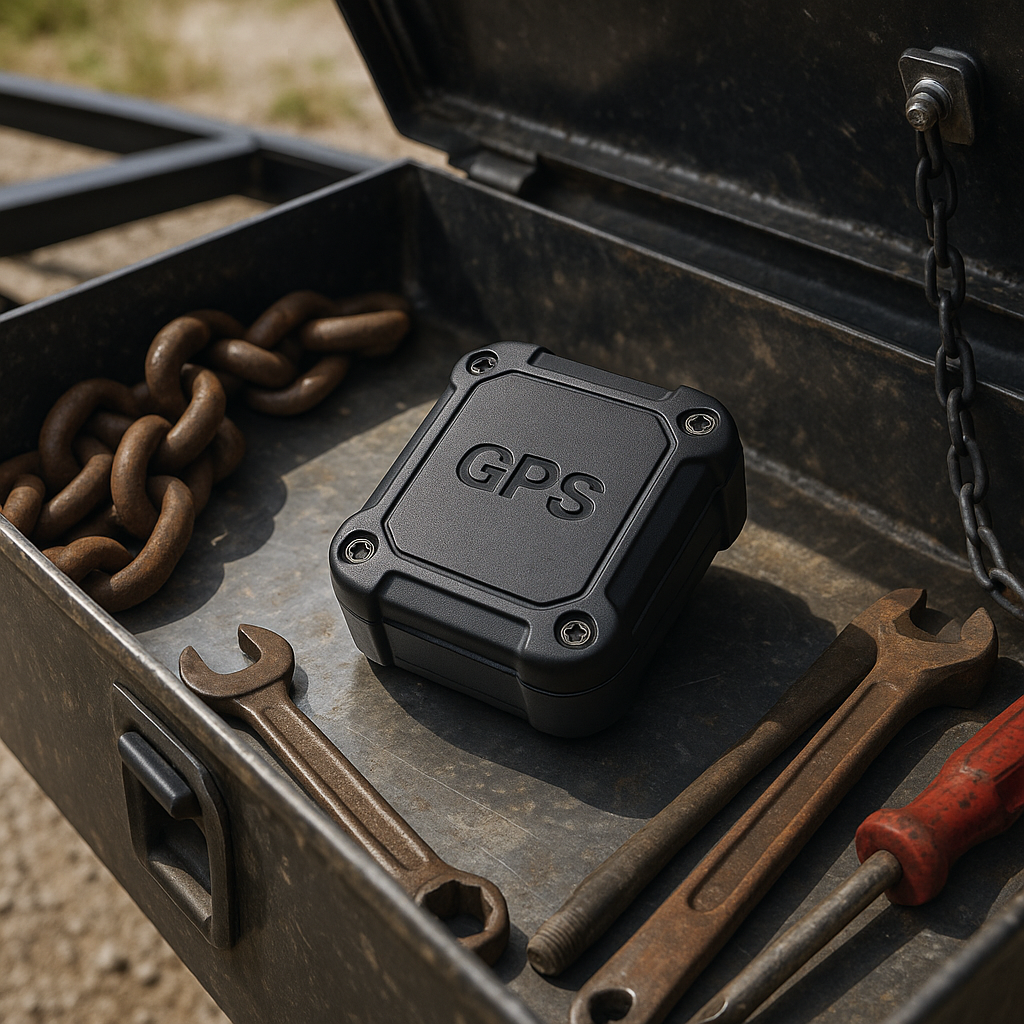
Enclosed equipment like skid steers, excavators, and boom lifts offer concealment opportunities within battery compartments, toolboxes, or operator cabins. Hidden placement increases theft recovery chances since thieves cannot quickly locate and remove tracking devices. The passive tracking approach proves particularly valuable in enclosed placements because extended battery life means trackers can remain concealed for months without maintenance access.
Environmental factors influence tracker selection and placement. Equipment operating in extreme temperatures requires trackers rated for expanded temperature ranges. Dusty or muddy job sites demand sealed housings that prevent particle ingress. Assets stored outdoors year-round need UV-resistant cases that prevent sun damage. Understanding the operational environment prevents premature tracker failure and maintains consistent location visibility across all conditions.
Battery Life Considerations That Impact Total Cost of Ownership
Battery endurance directly affects asset tracking program sustainability and operational costs. Systems requiring weekly or monthly battery changes across hundreds of assets create unsustainable labor burdens. Each battery replacement event requires locating the asset, accessing the tracker, replacing the power source, and verifying resumed operation. These maintenance cycles consume staff hours that could address higher-value activities.
Passive GPS tracking technology achieves extended battery life by transmitting location updates at strategic intervals rather than maintaining constant cellular connections. A tracker reporting position once or twice daily consumes a fraction of the power required for minute-by-minute updates. For asset tracking applications, knowing equipment location within the past 12 or 24 hours satisfies most operational requirements without demanding real-time precision.
The 90-day battery life threshold represents the practical minimum for sustainable fleet tracking. Quarterly maintenance intervals align with existing equipment inspection schedules, allowing battery changes to coincide with routine service rather than requiring dedicated tracker maintenance trips. Longer battery life reduces the total number of battery units purchased annually, lowering consumable costs across the equipment fleet.
Battery life calculations must account for actual transmission frequency and environmental conditions. Cold temperatures reduce battery capacity while frequent location updates accelerate power consumption. Organizations should evaluate battery performance based on their specific update requirements and operating environments rather than relying solely on manufacturer maximum ratings. Conservative battery life expectations prevent unexpected tracking gaps when devices deplete power earlier than anticipated.
Integration with Fleet Management Systems and Operational Workflows
Asset GPS trackers deliver maximum value when location data flows into existing management systems and decision-making processes. Standalone tracking platforms that operate independently from fleet management software, maintenance scheduling tools, and project management systems create information silos. Data integration transforms raw location coordinates into actionable intelligence within the workflows managers already use daily.
Application programming interfaces enable asset location data to populate fleet management dashboards, maintenance scheduling systems, and project tracking platforms. When a project manager needs specific equipment, the system can instantly display current locations and availability status. Maintenance schedulers can identify equipment approaching service intervals based on location history indicating active deployment versus storage.
Automated alert systems notify supervisors when assets move outside designated geofences or appear at unexpected locations. Rather than manually reviewing location data, managers receive exception notifications requiring investigation. This proactive approach catches unauthorized movement, theft attempts, or routing errors before they escalate into major losses. Alert thresholds can adjust based on asset value, with high-value equipment triggering immediate notifications while lower-priority assets generate daily summary reports.
The passive tracking model supports integration without overwhelming management systems with excessive data volume. Hourly or daily location updates provide sufficient information for oversight without the storage and processing demands of second-by-second position streams. This balanced approach maintains system performance while delivering the visibility required for effective asset management.
Selecting Asset Tracking Hardware Based on Fleet Composition and Scale
Equipment diversity within a single organization often spans multiple tracking requirements. A construction company might operate compact excavators, dump trucks, portable generators, trailers, and small hand tools—each demanding different tracking approaches. The asset GPS tracker solution must accommodate this variety without requiring separate platforms for different equipment categories.
Tracker size and form factor influence deployment options across varied assets. Compact trackers fit inside small equipment compartments and toolboxes without consuming valuable storage space. Larger trackers may offer extended battery capacity but limit placement options on space-constrained assets. Organizations managing diverse equipment types benefit from tracker families offering multiple form factors that share common tracking platforms and management interfaces.
Scalability considerations become critical as fleets expand. A tracking solution supporting 50 assets may prove inadequate when the fleet grows to 500 pieces of equipment. Platform selection should account for anticipated growth and the administrative overhead of managing tracker deployments, battery replacements, and subscription renewals across expanding asset counts. Bulk deployment tools and automated maintenance scheduling become essential at scale.
Pricing structures vary dramatically between tracking providers, with some charging per device, per location update, or through tiered subscription models. Total cost of ownership calculations must include hardware acquisition costs, monthly or annual service fees, battery replacement expenses, and staff time for deployment and maintenance. The lowest upfront hardware cost often masks higher ongoing operational expenses that accumulate over multi-year deployments.
Compliance and Documentation Benefits of Asset Location Records
Regulatory requirements across industries increasingly demand documented asset accountability and utilization records. Insurance claims for stolen or damaged equipment require proof of ownership and last-known location. Tax deductions for equipment depreciation benefit from usage documentation showing active business deployment. Contract compliance for equipment rental agreements may specify geographic restrictions or usage limitations requiring verification.
Asset GPS tracker location histories provide objective documentation for these compliance scenarios. Insurance adjusters can review movement patterns leading up to theft events, strengthening claims with factual location data rather than estimated timelines. Tax audits can confirm equipment deployment at business locations rather than personal use. Contract disputes can reference location records showing whether equipment remained within agreed geographic boundaries.
Documentation extends to safety and liability scenarios. When accidents occur involving tracked equipment, location records establish whether assets were at authorized work sites or unauthorized locations. This information proves critical for workers’ compensation claims and liability determinations. The passive tracking approach maintains continuous location records without requiring active system management during incidents.
Data retention policies must balance documentation needs with privacy considerations and storage costs. Location records spanning multiple years provide comprehensive historical references but accumulate storage expenses and potential privacy exposure. Organizations should establish retention schedules aligned with regulatory requirements, insurance policy terms, and internal audit needs. Most business applications require location history between one and three years to satisfy documentation requirements while managing data volumes.
Frequently Asked Questions About Asset GPS Trackers
What types of assets benefit most from GPS tracking?
High-value construction equipment, trailers, portable generators, compressors, shipping containers, and any machinery subject to theft risk or requiring utilization monitoring benefits from GPS tracking. Assets that move between locations, sit unattended at job sites, or get deployed to customer locations represent prime tracking candidates. Equipment costing thousands of dollars or more typically justifies tracking investments through theft prevention and utilization improvements alone.
How does passive GPS tracking differ from real-time tracking?
Passive GPS tracking records location data at predetermined intervals—such as once or twice daily—rather than transmitting continuous position updates. This approach dramatically extends battery life since the tracker only activates cellular connections during scheduled check-ins. Real-time systems maintain constant communication for second-by-second positioning, consuming significantly more power and requiring hardwired power connections or frequent battery changes. For most asset management applications, knowing location within the past 12-24 hours provides sufficient visibility without the complexity of real-time systems.
Can asset trackers withstand harsh construction and outdoor environments?
Quality asset GPS trackers feature weatherproof housings rated for water resistance, dust protection, and extreme temperature operation. Specifications should indicate IP67 or higher ingress protection ratings, ensuring the device survives rain, mud, and temporary submersion. Operating temperature ranges should span freezing conditions through high summer heat. Vibration resistance matters for equipment like generators and compressors that produce constant mechanical movement. Verifying environmental ratings against actual deployment conditions prevents premature tracker failure.
How difficult is it to install GPS trackers on equipment?
Installation difficulty varies by mounting method and equipment type. Magnetic mounting allows tool-free attachment to metal surfaces in minutes, requiring no technical expertise. Battery-powered trackers eliminate wiring complexity compared to hardwired systems. The main installation considerations involve selecting concealed mounting locations that prevent easy detection and removal while maintaining cellular signal reception. Most asset tracking deployments complete in under five minutes per unit once placement strategies are established.
What ongoing costs should organizations expect beyond initial hardware purchase?
Ongoing costs typically include monthly or annual cellular service subscriptions that enable location data transmission, periodic battery replacements based on tracker battery life, and potential platform fees for accessing location data and management tools. Battery replacement frequency depends on transmission schedules and battery capacity, with 90-day battery life requiring four replacement cycles annually per tracker. Service subscription costs vary by provider and feature set, with basic location tracking priced lower than advanced platforms offering geofencing, alerts, and integration capabilities. Total cost of ownership calculations should project these recurring expenses across expected tracker lifespan.
Protecting Valuable Assets Through Strategic GPS Tracking Implementation
Asset GPS tracker deployment transforms equipment management from reactive loss response to proactive protection and optimization. Organizations gain continuous visibility into equipment locations, movement patterns, and utilization metrics that inform smarter deployment decisions and faster theft recovery. The passive tracking approach delivers this visibility without the installation complexity and maintenance burdens that undermine traditional hardwired systems. Extended battery life ensures consistent tracking coverage without creating unsustainable maintenance schedules across growing equipment fleets.
Successful implementation requires matching tracker capabilities to specific asset types, operational environments, and business objectives. Construction equipment demands different tracking approaches than trailer fleets or portable power generation assets. Battery endurance, mounting flexibility, environmental durability, and integration capabilities all influence which solutions deliver sustainable value versus those that create new operational burdens. The most effective programs treat asset tracking as an integrated component of broader fleet management and loss prevention strategies rather than isolated technology deployments.
Organizations seeking reliable asset GPS tracker solutions with 90-day battery life can explore passive tracking options designed specifically for construction equipment, trailers, and high-value machinery protection.