Waterproof GPS tracker technology has become essential for fleet managers and vehicle owners who need reliable location monitoring regardless of weather conditions or exposure to moisture. Equipment left outdoors, trailers parked in remote yards, construction machinery operating in wet conditions, and vehicles stored in humid environments all demand tracking devices that can withstand rain, snow, condensation, and even temporary submersion without losing functionality or compromising data integrity.
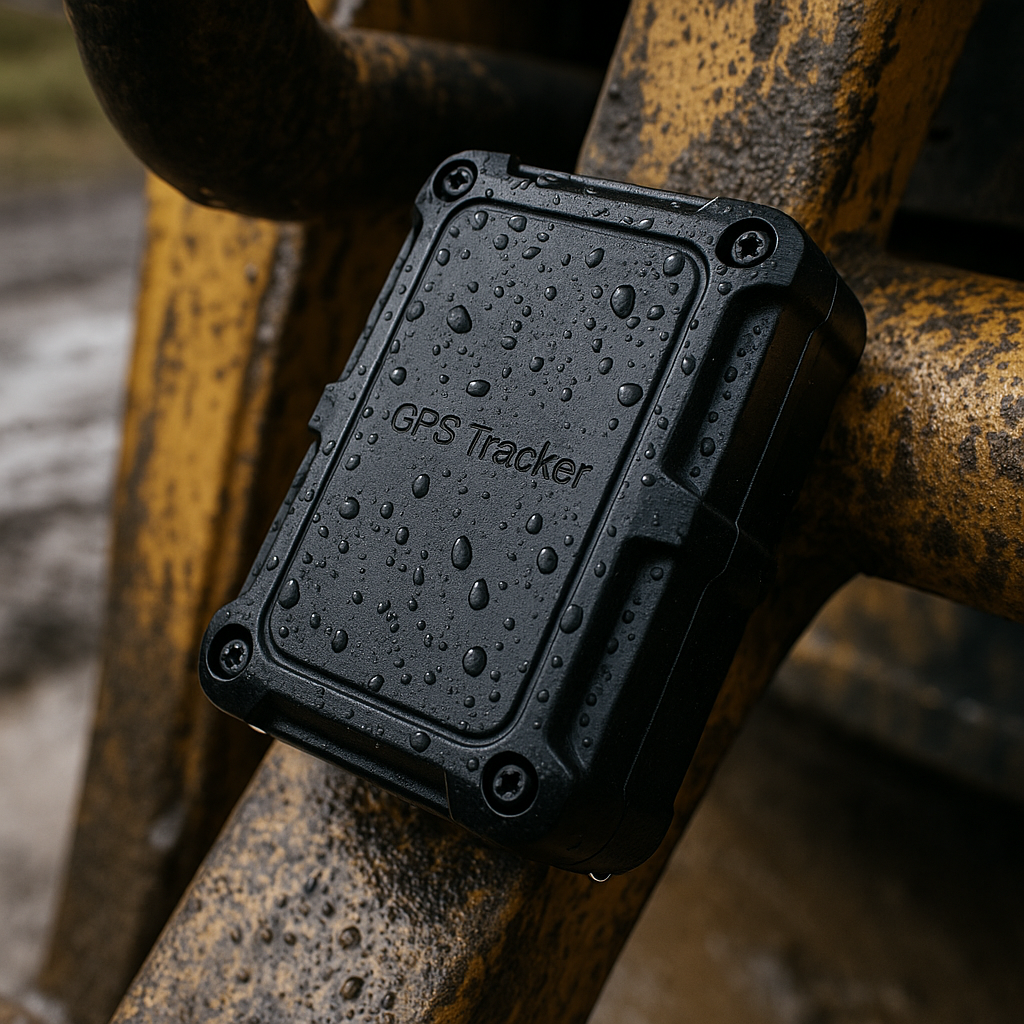
The challenge goes beyond simple water resistance. Many tracking devices claim splash protection but fail when exposed to sustained moisture, pressure washing, or submersion during flooding events. For businesses managing assets worth thousands or millions of dollars, tracking device failure during critical moments—such as theft recovery or unauthorized movement detection—can result in permanent asset loss. The right waterproof GPS tracker combines robust environmental sealing with extended battery performance and passive tracking capabilities that eliminate the need for constant recharging or hardwired power connections.
Selecting a tracking solution built for harsh conditions requires understanding ingress protection ratings, battery longevity in various temperatures, and how passive GPS tracking differs from power-hungry alternatives that drain batteries quickly. This guide examines the essential features, deployment scenarios, and technical specifications that define truly weather-resistant tracking solutions for professional fleet operations and vehicle protection applications.
Why Waterproof GPS Tracker Design Matters for Long-Term Asset Protection
The distinction between water-resistant and truly waterproof tracking devices determines whether equipment remains protected during extended outdoor exposure or catastrophic weather events. Fleet assets—particularly construction equipment, rental machinery, and trailers—regularly face conditions that would destroy consumer-grade electronics. Morning dew, rain accumulation, pressure washing during maintenance, and accidental submersion in puddles or flooded areas all test the limits of device construction.
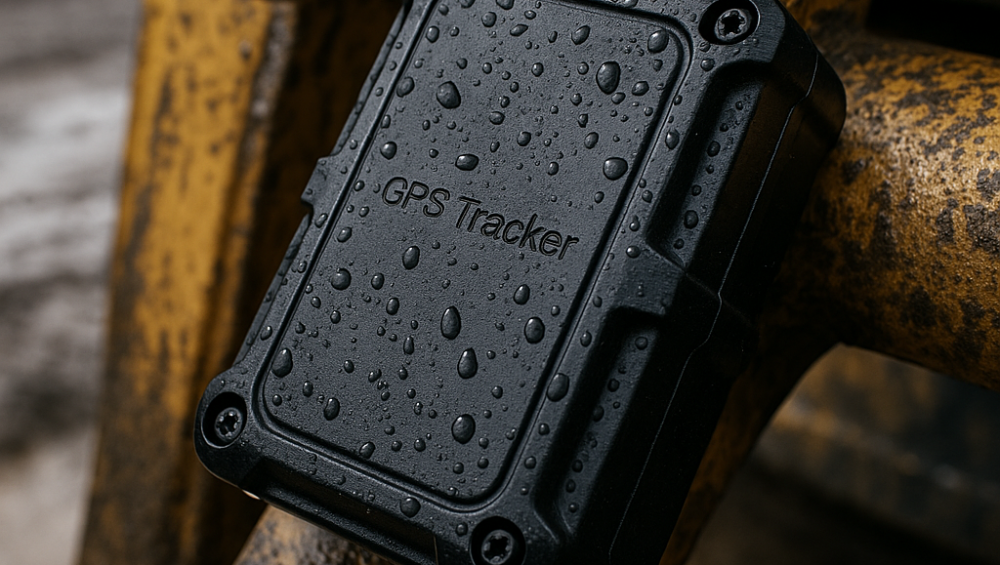
Genuine waterproof GPS tracker units incorporate sealed housings with gasket protection around every potential entry point, including USB ports, antenna connections, and seams where the case components join. The Ingress Protection rating system provides standardized measurement of dust and water resistance, with IP67 and IP68 ratings indicating devices that can withstand temporary submersion at depths of one meter or greater for specified durations. These ratings translate directly to real-world scenarios: equipment stored in outdoor yards during storms, trailers exposed to road spray and rain, and machinery operating in muddy construction sites.
Beyond initial water entry prevention, long-term moisture exposure creates additional challenges. Humidity can penetrate devices through microscopic gaps, causing internal corrosion that gradually degrades electronic components and battery connections. Quality waterproof tracking solutions use conformal coating on circuit boards—a protective layer that insulates electronic traces from moisture and prevents short circuits even if water bypasses external seals. This internal protection extends device lifespan significantly, particularly in coastal environments with salt air or industrial settings with chemical exposure.
Temperature fluctuations compound water protection challenges. When devices cool after daytime heating, they create negative pressure that can draw moisture into any unsealed spaces. Properly engineered waterproof GPS tracker designs account for this thermal cycling, using pressure-equalization membranes that allow air movement while blocking water particles. This prevents the condensation accumulation inside devices that often causes field failures in supposedly weather-resistant units. For fleet managers deploying hundreds of tracking devices across diverse environments, these engineering details separate reliable protection from premature failure and replacement costs.
Extended Battery Performance in Weather-Exposed Tracking Applications
Battery longevity becomes exponentially more critical when tracking devices face outdoor deployment and weather exposure. Unlike hardwired vehicle installations with constant power access, many fleet assets—particularly trailers, stored equipment, and seasonally-used machinery—require fully self-contained tracking solutions that operate independently for months between maintenance intervals. A waterproof GPS tracker with inadequate battery capacity forces frequent device retrieval for recharging, creating labor costs and monitoring gaps that defeat the purpose of autonomous tracking.
The 90-day battery life standard represents a transformative threshold for fleet operations. Quarterly maintenance cycles align with standard business practices for equipment inspection, regulatory compliance checks, and scheduled servicing. Fleet managers can coordinate tracker battery replacement during existing maintenance windows rather than implementing separate retrieval schedules solely for device charging. This operational efficiency reduces labor overhead while ensuring continuous asset visibility without coverage interruptions.
Passive GPS tracking architecture enables this extended battery performance by fundamentally changing how devices consume power. Rather than maintaining constant cellular connections and transmitting location updates every few seconds or minutes, passive trackers collect position data at predetermined intervals and batch-transmit information during scheduled check-ins. This approach reduces power consumption dramatically compared to active tracking systems, extending battery life from days or weeks to months while still providing the location history and movement alerts that fleet managers require for theft detection and asset utilization analysis.
Environmental conditions directly impact battery performance, making weather protection inseparable from power management. Extreme cold reduces battery capacity and increases internal resistance, while excessive heat accelerates chemical degradation and permanent capacity loss. Waterproof GPS tracker designs that incorporate thermal insulation and temperature-compensated charging algorithms protect batteries from these environmental stressors. Devices deployed on construction equipment in desert climates or rental trailers stored in northern winters maintain consistent performance across temperature ranges that would disable lesser units, ensuring location data remains available regardless of seasonal conditions or geographic deployment locations.
Waterproof GPS Tracker Applications for Construction Equipment and Heavy Machinery
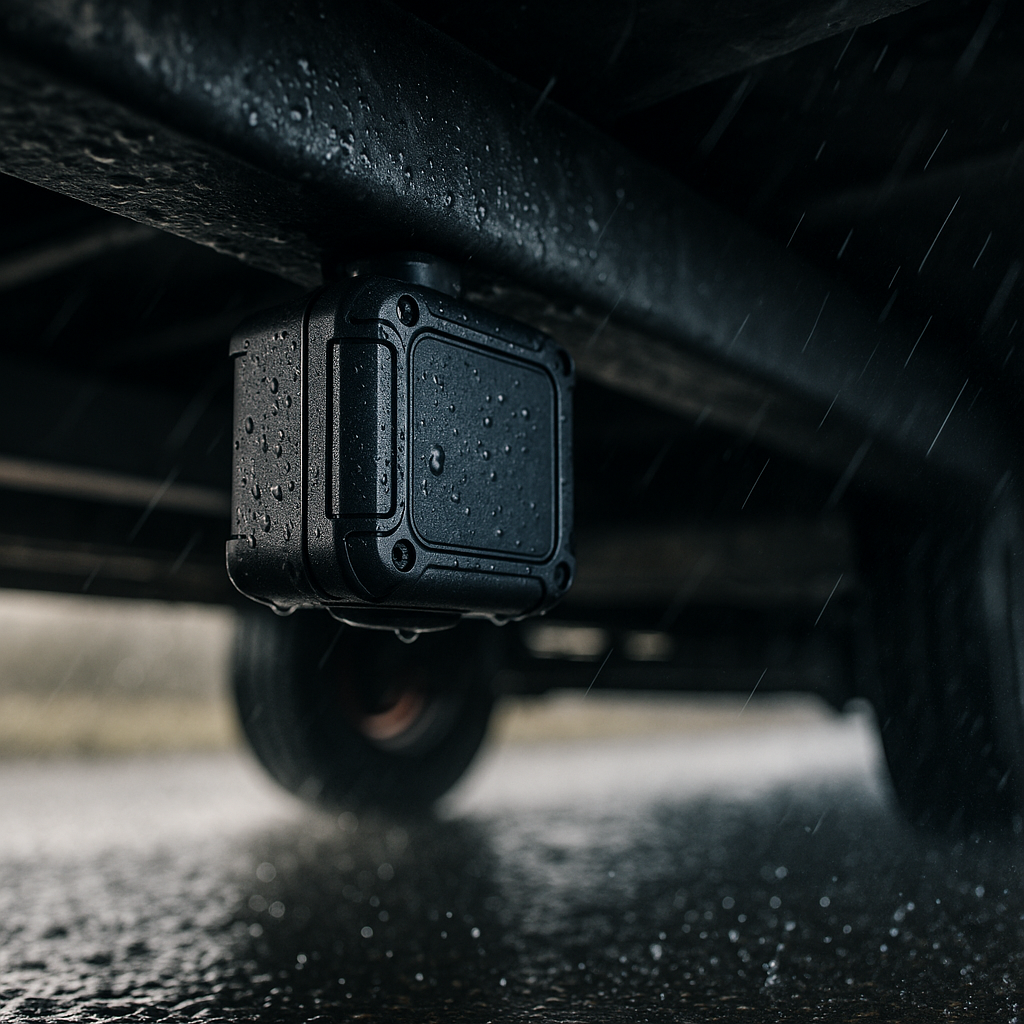
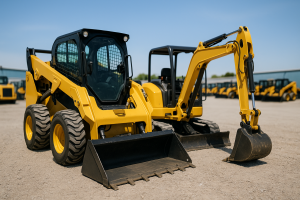
Construction and heavy equipment operations present perhaps the most demanding environment for tracking technology. Machinery valued at hundreds of thousands of dollars operates in mud, rain, and dust while sitting idle in unsecured job sites overnight or between projects. Equipment rental companies face the additional challenge of assets dispersed across multiple customer locations, often with minimal physical security and high theft risk. A waterproof GPS tracker purpose-built for these conditions becomes essential infrastructure rather than optional enhancement.
Theft of construction equipment represents a substantial drain on industry profitability, with recovery rates remaining frustratingly low without location tracking technology. Heavy machinery disappears from job sites during weekends or overnight periods, often transported across state lines within hours of theft. By the time morning crews discover missing equipment, thieves have gained substantial distance and concealment opportunities. Passive GPS tracking devices installed discreetly on equipment frames, undercarriages, or within enclosed compartments provide recovery teams with location history and current position data that dramatically increases successful recovery probability.
Equipment utilization analysis provides equally compelling value beyond theft prevention. Fleet managers overseeing dozens or hundreds of machines need visibility into which assets actively generate revenue versus sitting idle. A waterproof GPS tracker records movement patterns, site dwell times, and transportation routes that reveal underutilized equipment candidates for sale or redeployment. This data-driven approach to fleet optimization reduces unnecessary equipment purchases, improves rental inventory turnover, and maximizes return on capital invested in machinery. The financial impact of improved utilization often justifies tracking technology investment within a single fiscal quarter.
Installation flexibility matters significantly in equipment applications. Unlike vehicles with accessible power systems and interior mounting locations, heavy machinery offers limited installation options and exposes devices to extreme conditions. Magnetic mounting systems allow secure attachment to metal frames without drilling or permanent modification, essential for rental equipment that changes hands frequently. The combination of waterproof construction, magnetic mounting, and extended battery life creates a truly portable tracking solution that equipment managers can relocate between assets as utilization patterns change or equipment moves between owned and rental inventory.
Fleet Vehicle and Trailer Tracking in All-Weather Conditions
Commercial fleet vehicles and trailers operate across all weather conditions and geographic regions, making environmental protection non-negotiable for tracking reliability. Delivery trucks navigate winter storms, utility vehicles respond to emergencies during hurricanes, and trailers sit exposed in parking lots through freeze-thaw cycles and summer heat waves. Fleet managers depend on uninterrupted location visibility for dispatch optimization, driver accountability, and rapid response when vehicles deviate from expected routes or schedules.
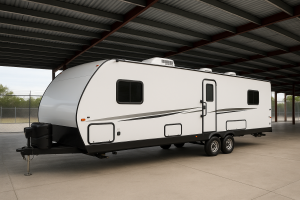
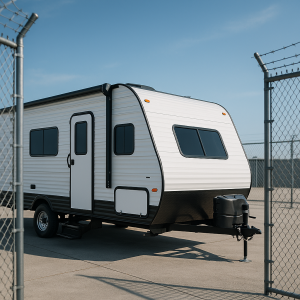
Trailer tracking presents unique challenges that distinguish it from powered vehicle monitoring. Detached trailers sit in yards, customer locations, or remote storage areas without power sources or regular human contact for days or weeks at a time. Cargo theft often targets unattended trailers precisely because their isolation makes theft detection difficult until drivers return to collect them—sometimes long after thieves have emptied valuable loads. A waterproof GPS tracker with months-long battery life and discreet mounting transforms trailers from blind spots in fleet operations into continuously monitored assets with movement alerts and location history.
Weather exposure affects trailer tracking devices through multiple pathways. Road spray carrying salt, chemicals, and debris constantly impacts trailer undercarriages where tracking devices mount for concealment. Pressure washing during trailer cleaning subjects mounting locations to high-pressure water jets. Temperature extremes in uninsulated trailer compartments swing from sub-zero winter cold to oven-like summer heat. Devices failing to withstand these conditions create false security—fleet managers believe trailers remain protected while tracking capability has actually ceased, leaving assets vulnerable during the precise moments when monitoring matters most.
Multi-vehicle fleet deployments amplify the importance of device reliability. A fleet operating fifty trucks and a hundred trailers cannot tolerate tracking solutions requiring weekly maintenance or frequent battery replacement. The labor costs of device service across dispersed assets quickly exceed the hardware investment, making extended battery life and weatherproof durability essential for practical fleet-wide implementation. Passive GPS tracking with 90-day battery intervals and sealed waterproof construction aligns device maintenance with existing fleet servicing schedules, integrating seamlessly into operations rather than creating additional administrative burden.
Personal Vehicle and Motorcycle Protection with Weather-Resistant Tracking
Personal vehicle owners and motorcycle enthusiasts face distinct tracking needs compared to commercial fleet operations, but weather protection remains equally critical. Motorcycles parked outdoors, classic cars stored in non-climate-controlled garages, and daily-driver vehicles in regions with harsh winters or humid summers all benefit from tracking devices that maintain functionality despite environmental exposure. The peace of mind that comes from knowing vehicle location remains accessible regardless of weather conditions adds genuine value for owners of high-value or theft-prone vehicles.
Motorcycle theft represents a particularly acute concern given these vehicles’ vulnerability and appeal to thieves. Unlike cars with multiple security layers and enclosed parking options, motorcycles often sit exposed in parking lots, on streets, or in open garages. Their relatively light weight compared to cars allows thieves to load them into trucks or vans without specialized equipment. A waterproof GPS tracker installed discreetly within body panels, under seats, or in other concealed locations provides recovery capability that significantly improves the odds of vehicle return following theft.
Installation simplicity matters significantly for personal vehicle applications. Most owners lack the technical expertise or desire to hardwire tracking devices into vehicle electrical systems, and many prefer to avoid permanent modifications that might affect vehicle warranties or resale value. Battery-powered waterproof tracking solutions with magnetic or adhesive mounting enable tool-free installation in minutes, making the technology accessible to anyone regardless of mechanical skill. The extended 90-day battery life prevents the frustration of frequent recharging that plagues consumer tracking devices, ensuring protection remains active without constant user intervention.
Seasonal vehicle storage scenarios particularly highlight the value of long-battery waterproof tracking. Classic cars, recreational vehicles, convertibles, and motorcycles often sit unused for months during winter or unfavorable weather periods. Owners storing vehicles in shared facilities, remote storage units, or even home garages benefit from monitoring capabilities that alert them to unexpected movement or unauthorized access. A waterproof GPS tracker that operates independently for a full quarter provides complete off-season protection without requiring mid-storage retrieval for device maintenance, addressing a coverage gap that traditional vehicle security systems cannot fill.
Technical Specifications That Define True Waterproof GPS Tracker Performance
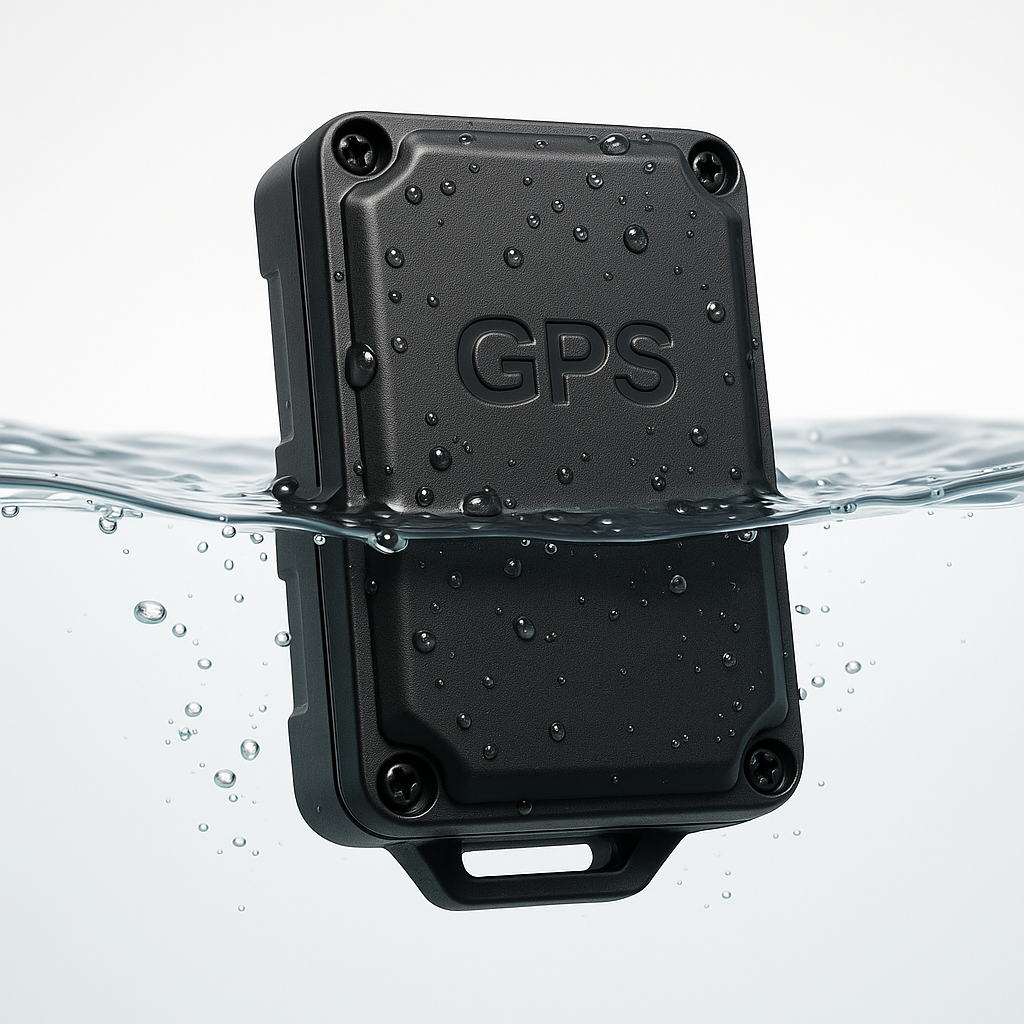
Understanding the technical specifications that distinguish genuinely capable waterproof tracking devices from marketing claims requires examining several interconnected systems. The Ingress Protection rating provides standardized measurement of environmental sealing, with the two-digit code indicating dust protection (first digit) and water resistance (second digit). For serious outdoor deployment, IP67 minimum rating ensures dust-tight construction and protection against temporary submersion up to one meter depth for thirty minutes. IP68 rating extends this to continuous submersion, appropriate for equipment that may encounter flooding or water crossings.
Battery technology and capacity directly determine operational lifespan between charging cycles. Lithium battery chemistry offers superior energy density, temperature tolerance, and shelf life compared to alkaline or nickel-based alternatives. Capacity measured in milliampere-hours (mAh) indicates stored energy, but real-world battery life depends equally on device power consumption during various operational modes. A waterproof GPS tracker with passive tracking architecture consuming minimal power during sleep cycles leverages battery capacity far more efficiently than devices maintaining constant cellular connections, explaining how similar battery sizes deliver vastly different operational durations.
Cellular connectivity determines where tracking devices function and how reliably they transmit location data. Modern networks using LTE and newer cellular technologies provide broader coverage and more reliable connections than legacy networks being phased out. Multi-carrier compatibility allows devices to connect with available networks rather than being locked to single carriers with coverage gaps in specific regions. For fleet operations spanning multiple states or international borders, this flexibility ensures consistent tracking performance regardless of asset location.
GPS positioning accuracy affects tracking utility for both theft recovery and operational monitoring. Standard GPS provides typical accuracy within five to ten meters under open sky conditions, sufficient for locating vehicles in parking areas or equipment at job sites. Assisted GPS (A-GPS) improves lock speed and accuracy in challenging environments with partial sky visibility, such as urban canyons or tree cover. Multi-constellation support—incorporating GPS, GLONASS, Galileo, and BeiDou satellites—increases available positioning signals, improving accuracy and reliability particularly in obstructed locations where single-system receivers struggle.
Deployment Strategy and Installation Best Practices for Maximum Protection
Successful tracking deployment requires strategic planning beyond simply attaching devices to assets. Installation location significantly impacts both device performance and concealment from potential thieves. A waterproof GPS tracker mounted in locations with clear sky visibility obtains GPS position locks faster and more accurately than devices buried deep within metal enclosures. However, obvious mounting locations also alert sophisticated thieves to check for tracking devices. The optimal installation balances signal reception requirements with concealment needs based on asset type and theft risk profile.
Magnetic mounting provides the most flexible installation method for metal assets including vehicles, trailers, and equipment frames. High-strength neodymium magnets create secure attachment without tools, drilling, or adhesives, allowing device relocation as asset utilization patterns change. The waterproof housing protects electronics from road spray, rain, and debris while magnets maintain grip through vibration and normal operating conditions. For assets with non-metal surfaces, industrial adhesive mounting or bolt-through installation with gasket sealing maintains weatherproof integrity while securing devices against removal attempts.
Asset-specific considerations guide installation decisions. Construction equipment with exposed metal frames and minimal enclosed spaces requires fully waterproof external mounting, often on undercarriage components where devices remain concealed but maintain GPS signal reception. Trailers offer internal mounting opportunities within toolboxes or covered compartments, trading some GPS signal quality for superior concealment and physical protection. Vehicles provide the most installation flexibility, with options ranging from OBD-II port connections (for hardwired power) to battery-powered units hidden within interior trim panels, under seats, or in trunk spaces.
Multi-asset deployment benefits from standardized installation procedures that reduce training requirements and ensure consistent performance across fleet units. Documenting installation locations with photographs and written descriptions prevents confusion during device maintenance or asset sales when tracking units require retrieval. Establishing battery replacement schedules aligned with existing maintenance intervals—such as quarterly inspections or seasonal servicing—integrates tracker maintenance into normal operations rather than creating separate administrative processes. This systematic approach transforms tracking from an add-on technology requiring special attention into standard operating infrastructure that maintains itself through existing business processes.
Waterproof GPS Tracker Selection Criteria for Different Use Cases
Matching tracking technology to specific use case requirements prevents over-spending on unnecessary features or under-investing in capabilities that prove essential during critical moments. Construction equipment tracking prioritizes rugged waterproof construction, extended battery life, and movement alerts that trigger when machinery leaves job sites during off-hours. The ability to withstand mud, vibration, extreme temperatures, and pressure washing outweighs features like second-by-second location updates that drain batteries without adding practical value for equipment monitoring applications.
Trailer fleet tracking emphasizes concealment, long battery life, and geofencing capabilities that alert managers when trailers exit designated yards or enter unauthorized areas. Since trailers may sit unused for weeks between loads, battery life measured in months rather than days becomes mandatory rather than optional. Waterproof construction protects devices from road spray and weather exposure during transport and storage. Multi-trailer deployments require cost-effective device pricing that allows fleet-wide implementation without budget strain, making the total cost of ownership—including device price, cellular service fees, and battery replacement frequency—the relevant evaluation metric.
Personal vehicle and motorcycle tracking applications prioritize installation simplicity, compact size for concealment, and theft recovery features including location history and movement alerts. Vehicle owners typically lack technical expertise for complex installations, making battery-powered waterproof GPS tracker solutions with magnetic or adhesive mounting essential for accessibility. The peace of mind value comes from knowing the device will function when needed without requiring constant attention, making reliable weatherproof construction and extended battery life differentiating factors that justify premium pricing over consumer-grade alternatives requiring weekly charging.
Seasonal equipment monitoring—such as recreational vehicles, stored vehicles, or equipment used only during specific months—demands maximum battery longevity since devices may operate unsupervised for entire off-seasons. A waterproof GPS tracker with 90-day battery life provides complete quarterly protection, allowing owners to check devices during seasonal changeover periods without mid-season retrieval. Temperature tolerance becomes particularly important for assets stored in non-climate-controlled environments experiencing summer heat or winter freezing, ensuring tracking remains operational across the temperature range the asset encounters.
Frequently Asked Questions About Waterproof GPS Tracker Technology
What makes a GPS tracker truly waterproof versus just water-resistant?
Truly waterproof GPS trackers carry IP67 or IP68 ingress protection ratings, indicating they can withstand temporary or continuous submersion in water at specified depths, typically one meter or more for at least thirty minutes. Water-resistant devices may only protect against light rain or splashing but fail when exposed to pressure washing, submersion, or sustained moisture exposure. The difference lies in comprehensive sealing of all housing joints, ports, and seams with gaskets and O-rings, plus conformal coating on internal circuit boards that prevents corrosion if water does enter. For fleet equipment and vehicles exposed to harsh weather, genuine waterproof construction prevents device failure during critical tracking moments.
How long do batteries last in waterproof GPS tracking devices?
Battery life varies dramatically based on tracking architecture and update frequency. Passive GPS tracking devices with 90-day battery life achieve extended operation by collecting location data at predetermined intervals and batch-transmitting during scheduled check-ins rather than maintaining constant cellular connections. This approach reduces power consumption substantially compared to active tracking systems that transmit updates every few seconds or minutes, which typically exhaust batteries within days or weeks. Environmental factors including temperature extremes also impact battery performance, making weatherproof construction that protects batteries from thermal stress essential for maintaining rated capacity throughout the device’s operational life.
Can waterproof GPS trackers work on equipment that sits idle for months?
Extended battery life specifically enables tracking of seasonally-used equipment, stored vehicles, and assets that remain stationary for long periods. A waterproof GPS tracker with 90-day battery capacity continues monitoring throughout an entire quarter without requiring device retrieval for charging. Passive tracking architecture maintains position monitoring and movement alerts while consuming minimal power during idle periods, then transmitting location data and alerts when equipment moves or during scheduled check-ins. This makes quarterly battery replacement during existing equipment maintenance intervals practical, providing continuous protection without implementing separate retrieval schedules solely for tracker servicing.
Where should waterproof GPS trackers be installed for best performance?
Installation location balances GPS signal reception requirements with concealment from potential thieves. Devices need reasonable sky visibility for satellite signal reception, making completely enclosed metal compartments problematic for GPS positioning. Optimal locations include mounting under vehicle chassis or equipment frames with upward-facing antennas, inside non-metal compartments with roof or wall proximity to sky, or on top surfaces of enclosed trailers. Magnetic mounting on metal frames provides secure attachment without drilling, while maintaining the ability to relocate devices as needs change. Asset-specific considerations—such as exposure to pressure washing, physical damage risk, and theft concealment requirements—guide final placement decisions for each deployment scenario.
Do waterproof GPS trackers require cellular service to function?
GPS positioning itself operates independently using satellite signals and requires no cellular service, but transmitting location data to users does require cellular connectivity. Waterproof GPS trackers collect position information via satellite signals, then use cellular networks to send that data to tracking platforms accessible via smartphone apps or web interfaces. Multi-carrier compatibility allows devices to connect with available networks rather than being restricted to single carriers, improving coverage reliability across different regions. Some tracking devices store location history internally when outside cellular coverage, then upload collected data once connectivity returns, ensuring complete tracking records even in remote areas with intermittent cellular service.
Selecting Weather-Resistant Tracking Solutions That Deliver Reliable Asset Protection
The effectiveness of any tracking system ultimately depends on its ability to function reliably when needed most—during theft attempts, unauthorized movement, or recovery operations following asset disappearance. A waterproof GPS tracker that fails due to weather exposure, battery depletion, or inadequate environmental sealing provides false security worse than no tracking at all, since fleet managers and vehicle owners believe assets remain protected when monitoring has actually ceased. Genuine weatherproof construction, extended battery performance through passive tracking architecture, and robust cellular connectivity create the foundation for dependable asset protection across all operating conditions and deployment scenarios.
Fleet managers evaluating tracking solutions should prioritize long-term reliability and total cost of ownership over initial device pricing alone. The 90-day battery life standard transforms tracking from a labor-intensive maintenance burden into infrastructure that services itself through existing quarterly maintenance schedules. Waterproof construction with verifiable IP67 or IP68 ratings ensures devices withstand the rain, mud, temperature extremes, and physical exposure that fleet assets encounter daily. Passive GPS tracking architecture delivers the location history, movement alerts, and theft recovery capabilities that fleet operations require while maintaining battery efficiency that makes large-scale deployment practical. Vehicle owners seeking theft protection and peace of mind benefit from these same capabilities scaled to personal use applications, with installation simplicity and extended battery life eliminating the frustration of consumer-grade devices requiring constant recharging. For comprehensive protection across construction equipment, trailers, fleet vehicles, and personal transportation, waterproof GPS tracker solutions from Piritiz combine weather-resistant durability with extended battery performance for reliable asset monitoring in any environment.