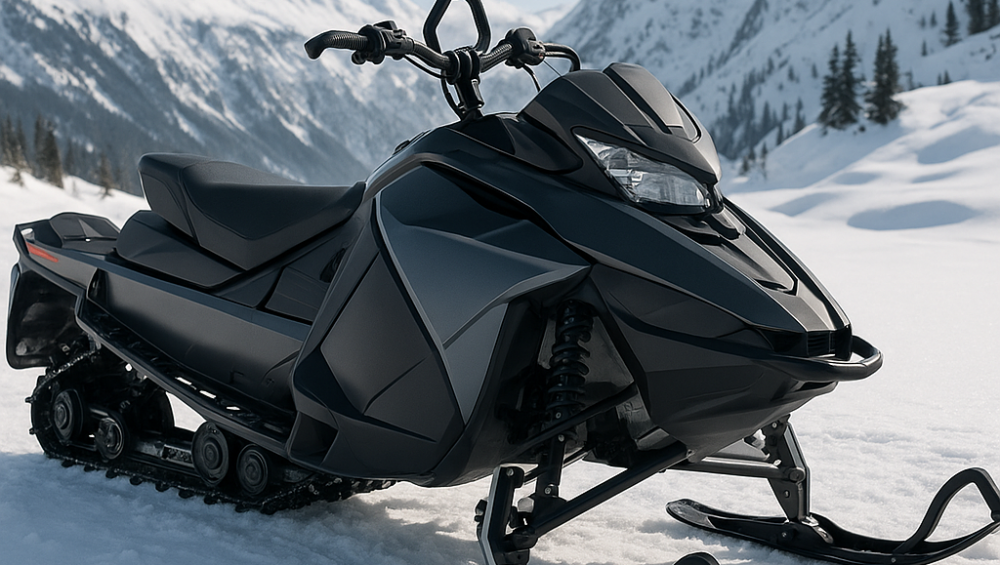
Snowmobile tracker technology addresses one of the most pressing concerns for sled owners: the vulnerability of high-value recreational equipment to theft and unauthorized use. With snowmobiles frequently stored in remote locations, seasonal garages, and unmonitored trailers during off-season months, the risk of disappearance without immediate detection remains high. Traditional security measures like locks and chains provide minimal deterrence against determined thieves who target these machines specifically for their resale value and difficulty to trace once registration plates are removed.

GPS tracking devices designed specifically for snowmobiles offer a proactive solution that extends protection beyond the winter riding season. Unlike alarm systems that require proximity to be effective, passive GPS tracking creates a continuous monitoring capability that functions regardless of location or cellular connectivity at the moment of placement. The extended battery life characteristic of modern tracking solutions ensures protection spans the entire calendar year, including the critical storage months when owners may not physically check on their equipment for weeks or months at a time.
Selecting the appropriate tracking device requires understanding the unique operational environment snowmobiles encounter: extreme temperature fluctuations, vibration from rough terrain, moisture exposure, and the need for covert installation that prevents detection and removal by thieves. The following guide examines the essential considerations for implementing effective snowmobile tracking, from device selection to installation strategies and recovery protocols.
Why Snowmobiles Require Specialized GPS Tracking Solutions
The theft profile of snowmobiles differs significantly from standard vehicles, creating unique requirements for effective tracking implementation. These machines often disappear from storage locations during off-season months when owners visit their property infrequently, allowing thieves days or weeks of undetected time to transport stolen equipment across state or provincial borders. By the time theft discovery occurs, the snowmobile may have changed hands multiple times or been stripped for parts, making recovery exponentially more difficult without precise location data.
Seasonal storage patterns compound the vulnerability. Many sled owners transport their machines to summer storage facilities, enclosed trailers, or remote cabins where visual inspection happens only a few times per year. This extended period between physical checks creates an ideal window for theft that traditional security measures cannot address. A GPS tracking device provides continuous monitoring even when the owner cannot personally verify the snowmobile’s presence, sending alerts if the machine moves from its designated storage location unexpectedly.
The operating environment presents additional challenges that generic tracking devices struggle to handle. Snowmobiles experience temperature extremes ranging from well below freezing during operation to potentially hot storage conditions in enclosed trailers during summer months. Vibration from rough terrain riding and impacts from jumps create mechanical stress that can dislodge poorly mounted devices. Moisture exposure from snow, ice, and condensation requires weatherproof housing that maintains functionality in wet conditions. These factors demand tracking solutions specifically engineered for powersports equipment rather than repurposed automotive devices.
Installation concealment becomes critical given that thieves targeting snowmobiles often possess mechanical knowledge and specifically search for tracking devices before transporting stolen equipment. Obvious placement locations like under seats or in storage compartments represent the first places experienced thieves check. Effective snowmobile tracker implementation requires creative installation in locations that appear to be standard components or wiring, making detection and removal time-consuming enough to deter tampering attempts.
Extended Battery Life: The Critical Advantage for Seasonal Equipment
Battery longevity represents the single most important specification when evaluating tracking solutions for snowmobiles. Unlike daily-use vehicles where regular operation allows hardwired devices to draw power from the electrical system, snowmobiles sit dormant for six to eight months annually in most climates. During this extended storage period, the tracking device must maintain operational capability without any external power source or opportunity for recharging, making battery life the determining factor between effective protection and a dead device when theft occurs.
Ninety-day battery capacity provides coverage that spans the critical transition periods when theft risk peaks: the beginning and end of riding season when snowmobiles are being transported to and from storage, and the mid-summer months when storage facilities may experience break-ins. This extended operational window ensures that even if an owner forgets to check or replace the device before storage, protection remains active throughout the period when the machine is most vulnerable. Shorter battery life devices requiring monthly attention create gaps in coverage that thieves can exploit.
The passive GPS tracking approach maximizes battery conservation by eliminating the constant power drain associated with real-time transmission. Instead of continuously broadcasting location via cellular connection, passive devices record position data at regular intervals and store it internally, transmitting only when queried or when movement triggers a status check. This methodology extends operational time dramatically compared to active tracking systems that exhaust batteries within days or weeks. For snowmobile applications where the device may not need to transmit data for months at a time, passive tracking aligns perfectly with usage patterns.
Power management becomes even more critical in cold weather conditions, where battery performance naturally degrades. Lithium batteries used in quality tracking devices maintain better performance in freezing temperatures than alkaline alternatives, but even these experience reduced capacity when exposed to sustained cold. A device rated for ninety days under standard conditions provides adequate margin to maintain functionality even when winter storage temperatures reduce effective capacity. Shorter-rated devices may fail precisely when needed most: during the cold months when a snowmobile stored outdoors or in an unheated facility gets stolen.
Installation Strategies That Prevent Detection and Removal

Proper installation location determines whether a snowmobile tracker provides genuine theft recovery capability or simply gives owners false confidence. Thieves experienced in stealing powersports equipment conduct systematic searches for tracking devices immediately after theft, checking common mounting locations before transporting the machine any significant distance. If they locate and remove the device within the first hour, the tracker provides no recovery value regardless of its technical capabilities. Strategic placement that mimics factory components or utilizes truly hidden locations is essential.
The tunnel area beneath the seat and above the track presents multiple concealment opportunities that appear to be part of the snowmobile’s standard construction. Heat exchangers, coolant lines, and structural reinforcements create visual complexity where a small tracking device can blend into the existing components. Securing the device to mimic a factory heat shield or mounting bracket reduces the likelihood of detection during a quick visual scan. This location also benefits from some protection against direct moisture exposure while remaining accessible enough for installation without extensive disassembly.
Airbox and intake areas offer another concealment option, particularly in snowmobiles with large air intake systems that include multiple chambers and foam filter elements. Placing a tracking device inside the airbox housing, secured to the interior wall where it appears to be a sensor mount or drain component, provides both physical protection and visual concealment. The regular geometry and mounting points inside these spaces make it difficult for a thief to distinguish a properly installed tracker from factory equipment during a hasty inspection. Weatherproofing becomes critical in this location due to potential moisture accumulation.
Gauge cluster and dashboard areas present opportunities for extremely covert installation, though these locations require more technical skill to access. Modern snowmobiles include multiple wiring harnesses, control modules, and sensor connections behind the instrumentation panel. A small tracking device secured within this bundle of electronics and wrapped in black electrical tape or split loom tubing becomes virtually indistinguishable from factory wiring. This location benefits from weather protection and makes removal extremely time-consuming since a thief must disassemble the dashboard and identify which component among dozens of similar-sized modules is the tracking device.
Regardless of installation location, using mounting methods that require specialized tools or knowledge to remove adds another layer of security. Cable ties appear easy to cut but can be surprisingly effective when woven through multiple mounting points in a complex pattern. Stainless steel hose clamps provide secure attachment that requires tools to remove. Two-part epoxy or industrial Velcro creates semi-permanent bonds that make quick removal difficult. The goal is not to make removal impossible—a determined thief with unlimited time can find and extract any device—but rather to make the process time-consuming enough that the thief decides the risk of working on the stolen machine for an extended period outweighs the benefit.
Theft Recovery Protocols: From Alert to Law Enforcement Coordination
The recovery process for a stolen snowmobile equipped with GPS tracking follows a specific sequence that maximizes the probability of successful retrieval while minimizing legal complications. Understanding this protocol before theft occurs ensures owners respond appropriately when receiving theft alerts, avoiding common mistakes that can compromise recovery efforts or create safety risks. The window for successful recovery often spans just hours after theft discovery, making prepared, decisive action critical.
Immediate verification represents the first response step when a tracking device indicates unexpected movement or location change. Before initiating law enforcement contact, owners should confirm the alert legitimacy by checking whether authorized users might have accessed the snowmobile or whether the machine was loaned to family members. False alarms waste law enforcement resources and reduce credibility for future incidents. Once unauthorized movement is confirmed, owners should access all available location data from the tracking device, noting the current position, movement history, and whether the machine appears stationary or in transit.
Law enforcement notification should occur immediately after theft confirmation, with specific emphasis on providing actionable intelligence rather than simply reporting a stolen snowmobile. Supplying precise GPS coordinates, movement patterns, and current location status gives law enforcement tactical information they can use to intercept the theft in progress or locate a recovery site. Officers respond more urgently to theft reports that include real-time location data compared to standard stolen vehicle reports where the machine could be anywhere. Owners should clearly communicate they have GPS tracking information and are prepared to provide updated coordinates as the situation develops.
Direct confrontation attempts by owners represent the most common mistake in GPS tracking recovery scenarios. Approaching thieves personally creates safety risks far exceeding the value of any snowmobile, and may result in legal liability if the confrontation turns physical. Additionally, some jurisdictions have legal complexities around property recovery without law enforcement involvement, even when the property unquestionably belongs to the person retrieving it. The appropriate role for owners is providing continuous location updates to law enforcement while maintaining safe distance from the recovery site.
Documentation throughout the recovery process proves valuable for insurance claims and potential prosecution. Screenshots of location data, timestamps of law enforcement notifications, photographs of the recovered snowmobile showing any damage or modifications, and copies of police reports create a comprehensive record. Even if the snowmobile is recovered quickly with minimal damage, thorough documentation supports insurance claims for any losses and provides evidence if the case proceeds to prosecution. This record-keeping also proves valuable if recovery is unsuccessful and the insurance claim becomes the primary recourse for financial loss.
Year-Round Protection Beyond Winter Riding Season
The theft risk profile for snowmobiles extends throughout the entire calendar year, with some evidence suggesting off-season theft occurs more frequently than winter season theft in certain regions. This counterintuitive pattern reflects the reduced vigilance owners maintain during summer months and the extended discovery window that allows thieves to transport stolen equipment long distances before owners realize the theft occurred. Effective tracking implementation must account for this year-round vulnerability rather than focusing solely on winter protection.
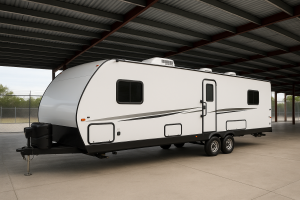
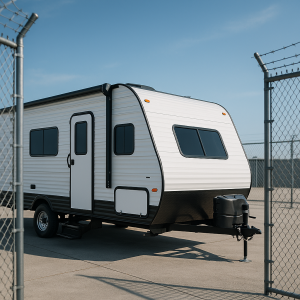
Summer storage locations often provide easier access for thieves than winter usage sites. Enclosed trailers parked in driveways or storage facilities lack the security features of locked garages, and rural properties where snowmobiles sit in pole barns or under tarps offer minimal theft deterrence. The seasonal nature of these vehicles means neighbors and property owners grow accustomed to seeing snowmobiles in specific locations and may not notice if one disappears during a summer weekend. This environmental familiarity creates opportunities for daytime theft where perpetrators appear to be legitimate owners loading their own equipment.
Tracking devices must maintain functionality across the extreme temperature range snowmobiles experience throughout the year. Winter operation in sub-zero conditions contrasts sharply with summer storage in metal trailers or enclosed spaces where temperatures may exceed 100 degrees Fahrenheit. Quality tracking devices specify operational temperature ranges that encompass these extremes, ensuring the GPS receiver, battery, and electronic components function reliably regardless of seasonal conditions. Devices that fail in temperature extremes provide no protection precisely when environmental conditions make theft detection most challenging.
The extended battery life requirement becomes clearest when considering year-round protection scenarios. An owner who installs or replaces a tracking device in early spring before storing the snowmobile for summer needs that device to remain operational through six months of storage, the subsequent winter riding season, and into the following spring. Ninety-day battery capacity provides sufficient longevity for summer storage with periodic verification possible. Shorter battery life creates either coverage gaps where the device dies during storage or requires owners to remember seasonal battery changes that may not align conveniently with their property access schedule.
Multi-Asset Tracking for Snowmobile Fleets and Rental Operations
Commercial snowmobile operations face amplified tracking challenges compared to individual owners, with fleet sizes ranging from a handful of machines for small rental operations to dozens of units for large guide services and rental businesses. These operations require tracking solutions that scale effectively across multiple assets while providing centralized monitoring capability that allows a single manager to oversee the entire fleet’s location and status without checking each machine individually.
Rental operations deal with unique risk factors that differ from private ownership theft scenarios. Renters who fail to return machines on schedule may represent simple forgetfulness, mechanical breakdown, or actual theft. GPS tracking allows rental operators to verify machine locations without immediately assuming criminal intent, checking whether an overdue snowmobile remains near designated trail systems or has moved to unexpected locations. This verification capability protects customer relationships by enabling operators to contact renters about overdue returns with factual location information rather than accusations.
Guided tour operations utilize tracking for both theft prevention and operational management purposes. Knowing the real-time or recent location of each machine in a fleet helps operations managers schedule maintenance, verify that machines are where staff reported leaving them, and confirm that guided groups remain on designated trails. The passive GPS tracking approach suits these applications since continuous real-time tracking proves unnecessary—periodic position updates provide sufficient information for operational oversight while maximizing battery life across the fleet.
Fleet tracking implementation requires consideration of device management across multiple assets. Some operators prefer tracking devices that can be quickly transferred between snowmobiles, allowing a smaller number of devices to provide coverage across a larger fleet with units rotated based on usage patterns and storage locations. Others implement permanent installation in each machine for consistent coverage. The optimal approach depends on whether the fleet remains in a centralized location where device rotation is practical or distributes across multiple storage sites where permanent installation proves more manageable.
Cost analysis for fleet tracking focuses on the prevention of even a single theft to justify the investment across multiple machines. Commercial snowmobiles represent significant capital investment, and the loss of even one machine during peak season creates both financial loss and lost revenue from unavailable rental inventory. When evaluated against the replacement cost and revenue loss from a single theft incident, implementing tracking across an entire fleet shows clear return on investment. Additionally, some insurance providers offer premium reductions for commercially owned snowmobiles equipped with theft recovery tracking, further improving the financial equation.
Integration With Trailer Security for Complete Transport Protection
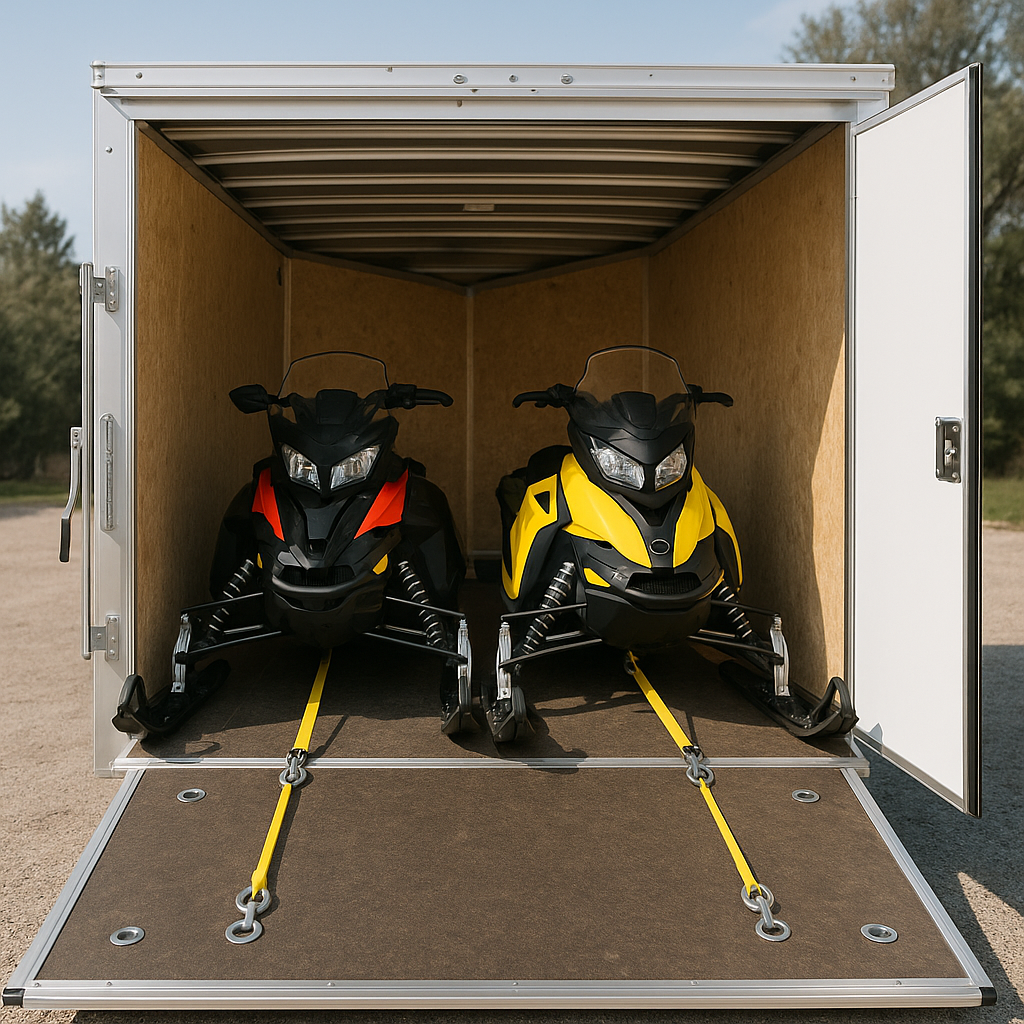
Snowmobile theft frequently occurs as trailer theft, with thieves taking the entire enclosed or open trailer containing one or multiple machines rather than unloading snowmobiles at the storage site. This theft methodology provides thieves with time to work on locked snowmobiles in a private location and avoids the noise and visibility of operating stolen machines. Comprehensive theft protection therefore requires consideration of both the snowmobiles themselves and the trailers used for transportation and storage.
Tracking device placement must account for trailer theft scenarios where the snowmobile remains secured to the trailer during transport. A GPS device hidden on the snowmobile provides location data regardless of whether the machine was stolen individually or as part of a trailer theft. This contrasts with trailer-only tracking, where thieves who unload and abandon the trailer eliminate the tracking capability for the snowmobiles themselves. Installing devices on the snowmobiles ensures continuous tracking through multiple theft scenarios and transportation methods.
Combined tracking strategies deploy devices on both the trailer and individual snowmobiles, creating redundant protection that increases recovery probability. If thieves locate and remove the trailer tracking device, the snowmobile devices continue providing location data. Conversely, if snowmobiles are unloaded and the trailer abandoned, the trailer device may help law enforcement locate the initial unloading location and develop investigative leads. This redundant approach increases overall system cost but provides maximum theft recovery capability for high-value equipment combinations.
Storage practices influence optimal tracking implementation. Snowmobiles stored loaded on trailers year-round face combined theft risk and benefit most from redundant tracking on both assets. Machines stored separately from trailers may require only snowmobile-based tracking since the trailer itself typically remains at the primary residence where theft risk differs. Operators should assess their specific storage configuration and transportation patterns when determining whether single or multi-asset tracking provides the best protection.
Battery accessibility considerations arise when snowmobiles remain loaded in enclosed trailers for extended periods. Accessing the devices for battery verification or replacement requires either entering the trailer or unloading machines, creating inconvenience that reduces the likelihood of regular maintenance. Extended battery life minimizes this maintenance burden by reducing the frequency of required access. Ninety-day battery capacity allows checking devices when trailers are opened for seasonal access rather than requiring monthly trailer entry specifically for tracking maintenance.
Frequently Asked Questions About Snowmobile Tracking
How long does a snowmobile GPS tracker battery last?
Quality passive GPS tracking devices designed for snowmobile applications provide battery life extending up to ninety days of continuous operation. This extended duration ensures protection throughout off-season storage when snowmobiles sit unused for months at a time. Battery longevity varies based on reporting frequency, temperature conditions, and device quality, with passive tracking approaches conserving power more effectively than continuous real-time transmission systems.
Where should a tracking device be installed on a snowmobile?
Effective installation locations include the tunnel area beneath the seat, inside the airbox housing, behind the dashboard instrumentation, or secured within wiring harnesses where the device mimics factory components. The optimal location balances weather protection, signal reception, and concealment from thieves who conduct systematic searches for tracking devices. Installation should avoid obvious locations like storage compartments and instead utilize areas requiring disassembly to access, increasing removal difficulty.
Do snowmobile trackers work in remote areas without cell service?
Passive GPS tracking devices record location data continuously using satellite signals, which function in remote areas without cellular coverage. The device stores position history internally and transmits the accumulated data when cellular connectivity becomes available. This approach ensures tracking functionality regardless of the theft location, with data retrieval occurring once the stolen snowmobile moves through areas with cellular network access or when the device is recovered.
Can a GPS tracker survive snowmobile operating conditions?
Tracking devices engineered specifically for powersports applications feature weatherproof housings, wide operating temperature ranges, and vibration resistance necessary for snowmobile environments. These specifications ensure functionality through freezing temperatures, moisture exposure from snow and ice, and mechanical vibration from rough terrain operation. Generic tracking devices lacking these specifications may fail under snowmobile operating conditions, making equipment-specific device selection important.
What happens if a thief finds and removes the tracking device?
Strategic installation in concealed locations significantly reduces discovery probability, but determined thieves with mechanical knowledge may eventually locate tracking devices. The critical factor is maximizing the time required for detection and removal, allowing law enforcement opportunity to respond before device removal occurs. Covert installation that mimics factory components, secure mounting requiring tools to remove, and placement in areas requiring significant disassembly to access all increase the work required for device removal, often exceeding the effort thieves are willing to invest.
Protecting Snowmobile Assets With Reliable GPS Tracking Technology
Snowmobile tracking implementation provides owners and commercial operators with continuous theft protection that extends far beyond traditional security measures. The unique vulnerability profile of these seasonal recreational vehicles—long storage periods, remote locations, high resale value, and difficult registration tracking—creates an environment where GPS tracking technology offers clear advantages in both theft deterrence and recovery capability. The effectiveness of any tracking solution ultimately depends on battery longevity that maintains operation through months of dormant storage, installation concealment that prevents detection and removal, and reliable performance across the extreme temperature and environmental conditions snowmobiles encounter.
The passive GPS tracking approach aligns specifically with snowmobile usage patterns, prioritizing extended battery life over continuous real-time reporting that proves unnecessary for equipment that sits stationary for extended periods. Ninety-day operational capacity ensures devices remain functional throughout critical off-season months when theft risk peaks and discovery windows extend longest. Combined with strategic installation that makes device detection time-consuming and proper owner response protocols that maximize law enforcement recovery capability, GPS tracking transforms snowmobile theft from a high-probability-of-loss scenario into a situation where recovery becomes the expected outcome.
For snowmobile owners seeking reliable protection, passive GPS tracking solutions for snowmobiles provide the extended battery life and discrete monitoring capability necessary for year-round asset security.