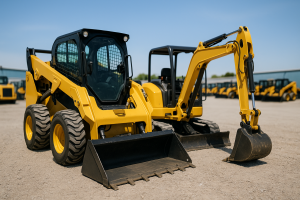

Small equipment tracking devices have become essential tools for construction companies, equipment rental businesses, and facilities management operations struggling with the costly problem of missing machinery. Compact assets like generators, compressors, skid steers, light towers, welders, and scissor lifts disappear from job sites with alarming frequency, yet traditional fleet tracking solutions designed for larger vehicles often fail to meet the unique demands of tracking smaller equipment that moves between locations, sits idle for extended periods, or operates in remote areas without reliable power sources.
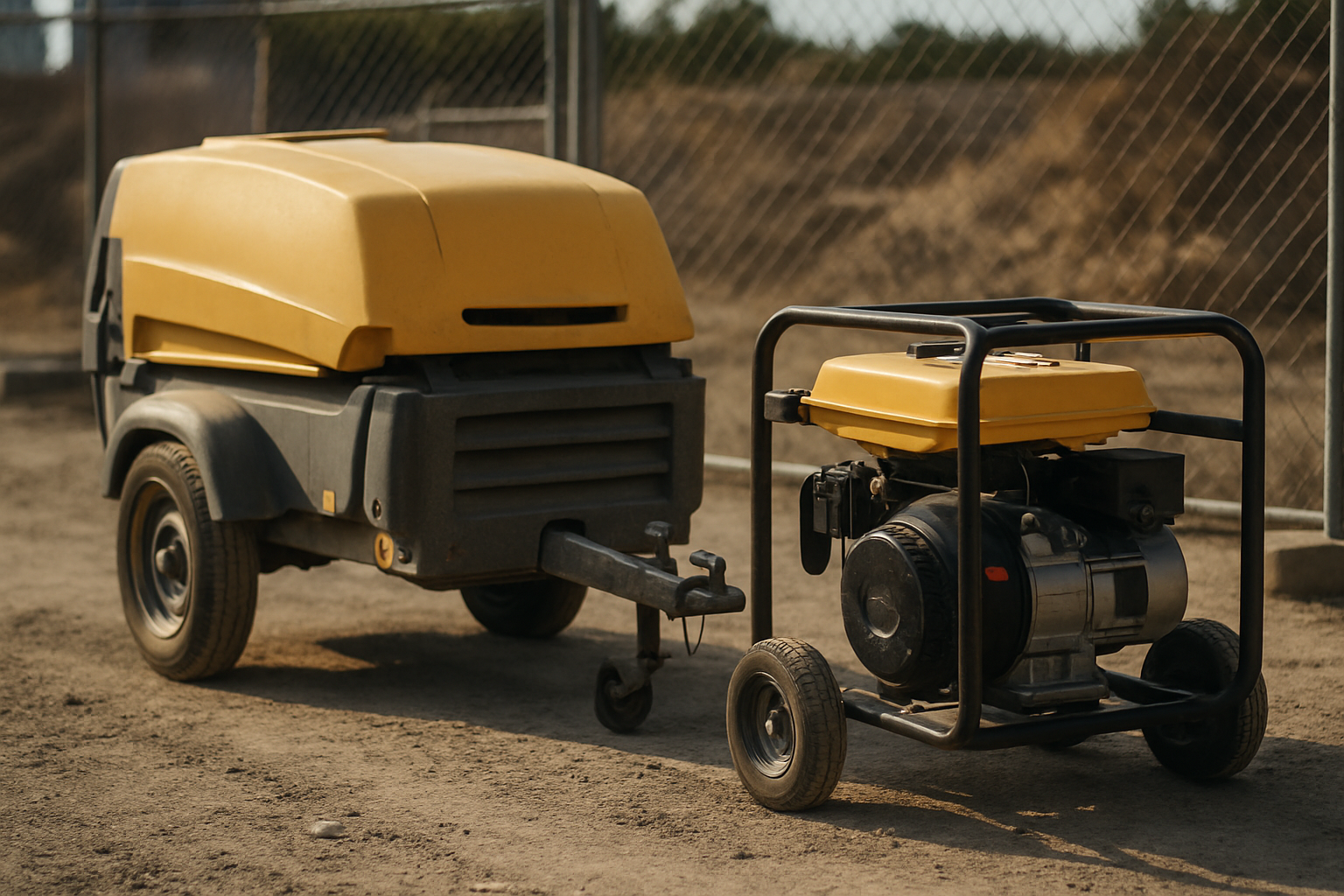
The financial impact extends beyond replacement costs. When small equipment tracking devices aren’t deployed, businesses face project delays while waiting for replacement machinery, insurance premium increases following theft claims, and poor asset utilization because no one knows which equipment sits idle at which location. Fleet managers waste hours manually hunting down machinery across multiple job sites, while rental companies struggle to maintain accurate inventory of their scattered assets. The solution lies in purpose-built tracking technology that addresses the specific challenges of monitoring compact equipment without requiring constant battery changes or complex installation procedures.
Passive GPS tracking technology solves these problems by providing location visibility without the battery drain associated with continuous real-time reporting. For small equipment that may sit unused for days or weeks between jobs, battery life becomes the critical factor that determines whether a tracking solution succeeds or becomes another abandoned technology initiative.
Why Small Equipment Tracking Devices Differ from Vehicle Trackers
The fundamental requirements for tracking compact machinery diverge significantly from those needed for vehicle fleet management. Small equipment tracking devices must account for usage patterns that include extended dormant periods, outdoor storage in harsh weather conditions, and operation in locations far from power sources. A generator used twice monthly or a compressor that sits in a storage yard between rental periods cannot support tracking hardware that drains batteries within days or requires weekly recharging.
Installation environments present another critical distinction. Unlike vehicles with convenient OBD-II ports and protected interior spaces, small equipment offers limited mounting locations and exposes tracking hardware to dirt, moisture, vibration, and temperature extremes. Compact machinery often lacks the dedicated electrical systems found in trucks and cars, making battery-powered tracking the only viable option. The tracking device must survive the same punishing conditions as the equipment itself while remaining concealed enough to prevent immediate detection and removal by thieves.
Movement patterns also differ substantially. Vehicles typically operate daily with predictable routes and regular returns to a central location. Small equipment may remain stationary at a job site for weeks before suddenly relocating to an entirely different project across town or across the state. This sporadic movement makes continuous real-time tracking unnecessary and wasteful of battery resources. What matters is knowing where equipment sits when needed and receiving alerts if machinery moves unexpectedly from an authorized location. Passive GPS tracking technology aligns perfectly with these requirements by conserving battery life while still providing actionable location intelligence.
The economic model differs as well. Fleet vehicles typically justify higher monthly service fees because they generate revenue through constant utilization. Small equipment, particularly in rental fleets, may sit idle frequently yet still represents substantial capital investment requiring protection. The tracking solution must deliver theft prevention and location visibility at a cost structure that makes sense even for assets with intermittent usage patterns.
Battery Life: The Make-or-Break Factor for Equipment Tracking Success
Battery endurance determines whether small equipment tracking devices become reliable business tools or maintenance headaches that eventually get abandoned. Construction and rental operations cannot dedicate staff to monitoring battery levels across dozens or hundreds of scattered assets, climbing onto machinery every few weeks to swap batteries or recharge devices. When tracking hardware requires constant attention, compliance drops, devices go offline, and the entire tracking program fails to deliver promised benefits.
Extended battery life fundamentally changes the operational equation. Tracking devices that maintain charge for 90 days transform equipment monitoring from a labor-intensive burden into a set-and-forget solution. Quarterly battery maintenance aligns naturally with regular equipment service intervals, allowing technicians to check tracking device batteries during routine maintenance rather than requiring dedicated trips. This extended operational period reduces labor costs dramatically while ensuring continuous protection for valuable assets.
The relationship between battery life and tracking frequency reveals why passive GPS technology outperforms real-time alternatives for small equipment applications. Devices that report location every few minutes drain batteries rapidly because the GPS receiver and cellular modem consume significant power during each transmission. Passive tracking reduces power consumption by reporting location less frequently—typically once or several times daily when equipment remains stationary, with more frequent updates when movement occurs. This intelligent reporting strategy preserves battery capacity for months rather than days.
Battery performance also impacts theft recovery outcomes. Real-time trackers often die within days after equipment theft, particularly if thieves move stolen machinery to locations where the device continues reporting frequently. Passive trackers with 90-day battery life continue providing location data long after theft occurs, giving law enforcement extended windows to locate and recover stolen assets. The psychological impact matters too—thieves increasingly check for and remove tracking devices immediately after stealing equipment, but extended battery life means devices can remain dormant and undetected before activating to reveal location when needed.
Environmental factors stress batteries differently across seasons and climates. Cold weather reduces battery capacity while extreme heat accelerates degradation. Small equipment stored outdoors experiences the full range of temperature extremes, making robust battery performance under challenging conditions essential. Tracking devices engineered specifically for equipment applications account for these environmental stresses with battery technology and power management designed to maintain months of operation regardless of weather conditions.
Theft Prevention and Recovery for Compact Machinery

Small equipment disappears from job sites, storage yards, and rental locations through both opportunistic theft and organized operations targeting high-value machinery. Compact assets prove particularly vulnerable because thieves can load generators, compressors, and similar equipment into pickup trucks within minutes, often during evening hours or weekends when sites sit unattended. Without tracking technology, stolen equipment vanishes permanently, with recovery rates remaining dismally low for machinery lacking visible identification and location tracking capabilities.
Small equipment tracking devices enable multiple layers of theft deterrence and recovery. Geofence alerts notify fleet managers immediately when machinery moves outside authorized boundaries, allowing rapid response while stolen equipment remains nearby rather than discovering theft days later during routine site visits. After-hours movement alerts flag suspicious activity during times when equipment should remain stationary, potentially catching theft in progress. The faster businesses detect theft, the higher the probability of recovery before equipment gets stripped for parts, repainted to hide identity, or transported across state lines.
Recovery success depends heavily on providing law enforcement with accurate, current location data. Passive GPS tracking maintains this capability without the battery depletion that renders many trackers useless within days of theft. When police receive precise coordinates for stolen equipment, recovery becomes a matter of investigation and retrieval rather than a hopeless search. Some jurisdictions prioritize theft cases where victims can provide specific location information, making tracking devices not just helpful but essential for getting police engagement.
The deterrent effect extends beyond individual assets. Thieves increasingly recognize that modern equipment may contain tracking technology, creating uncertainty that discourages theft. Rental companies that prominently advertise GPS tracking across their fleets see measurable reductions in theft attempts as criminals shift attention toward unprotected targets. The mere possibility of tracking introduces risk that professional thieves prefer to avoid, particularly when abundant untracked equipment offers easier opportunities.
Insurance implications add another dimension to theft prevention value. Some insurers offer premium discounts for equipment fleets with comprehensive GPS tracking, recognizing that tracking demonstrably reduces loss ratios. Even without formal discounts, businesses with tracking devices experience smoother claims processes and faster settlements because they can provide detailed information about theft circumstances, last known locations, and timeline of events. The documentation tracking devices provide strengthens insurance claims while potentially preventing fraudulent reports.
Asset Utilization and Allocation Optimization
Beyond theft prevention, small equipment tracking devices unlock operational efficiencies that directly impact profitability through improved asset utilization. Construction and rental companies frequently own more equipment than necessary because no one knows which machinery sits idle at which location. Project managers assume equipment isn’t available and rent additional units rather than locating and retrieving existing assets. This redundant ownership and unnecessary rental expense represents significant capital waste that tracking technology eliminates.
Location visibility answers the critical question every fleet manager faces: where is each piece of equipment right now? Instead of making phone calls to multiple foremen or driving between job sites searching for specific machinery, managers access a dashboard showing exact locations of all tracked assets. This instant visibility enables better allocation decisions, allowing businesses to redeploy idle equipment from one project to another rather than letting machinery sit unused while simultaneously renting additional units for other jobs.
Utilization data reveals which equipment justifies ownership versus rental. When tracking shows a compressor sits idle 80% of the time, that asset becomes a candidate for sale with future needs met through short-term rentals. Conversely, equipment in constant demand across multiple projects clearly justifies ownership and possibly purchasing additional units. These insights transform equipment investment from guesswork into data-driven decisions that optimize fleet composition for actual usage patterns rather than assumptions.
Rental operations gain particular advantages from tracking-enabled utilization monitoring. Knowing exactly when equipment returns from rental and where it sits in the yard streamlines inventory management and enables faster turnaround for subsequent rentals. Tracking prevents disputes about pickup and return times by providing objective location data. Customers cannot claim they returned equipment days earlier than tracking records show, eliminating revenue losses from unpaid rental periods.
Maintenance scheduling benefits from accurate location and movement data as well. Instead of tracking machine hours through manual logs that may be incomplete or inaccurate, tracking devices provide movement data that helps estimate usage and predict maintenance needs. Equipment that has moved frequently between multiple locations likely needs service sooner than machinery that has remained stationary. This usage-based intelligence improves maintenance planning and reduces unexpected breakdowns that delay projects and frustrate customers.
Installation Simplicity and Concealment Strategies
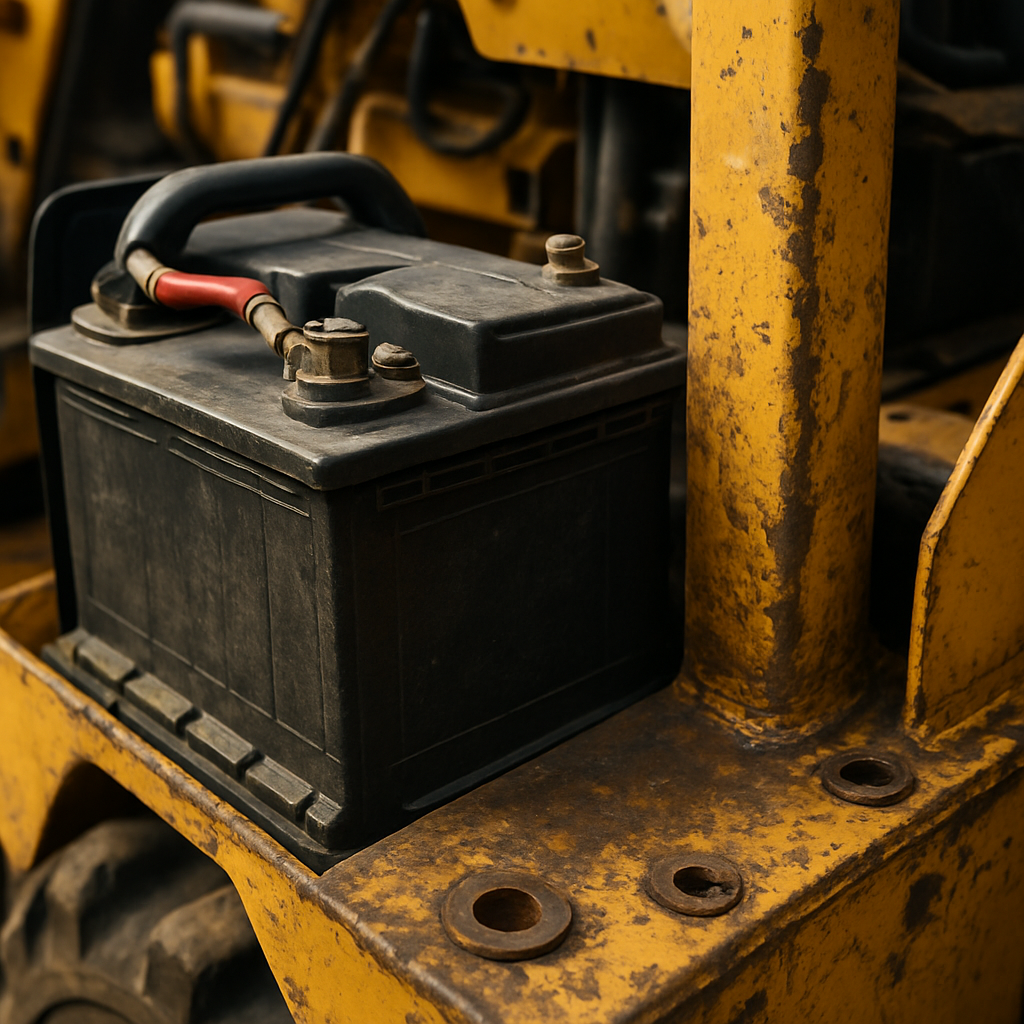
Effective small equipment tracking devices must balance easy installation with sufficient concealment to prevent immediate discovery and removal by thieves. Unlike vehicle trackers that can hide behind dashboards or connect to OBD-II ports, equipment trackers attach to machinery with limited protected spaces and no standardized connection points. The ideal solution installs quickly without specialized tools or technical expertise while remaining unobtrusive enough that casual observers won’t immediately spot the device.
Magnetic mounting offers the fastest deployment method for equipment with steel frames or housings. Strong magnets secure tracking devices firmly enough to withstand vibration and movement while allowing installation without drilling, screws, or adhesives. Magnetic mounting enables field personnel to install tracking across entire fleets in minutes per unit rather than hours, dramatically reducing deployment costs and timeline. The non-permanent attachment also allows easy device transfer when selling equipment or redeploying trackers to different assets.
Concealment strategies vary by equipment type but generally focus on locating devices in areas thieves are unlikely to check during initial theft. Underneath battery compartments, inside empty toolboxes, beneath operator platforms, and within housings provide effective hiding spots that don’t require sophisticated installation. The tracking device should remain accessible enough for authorized personnel to reach for battery changes but obscure enough that thieves conducting quick visual inspections won’t spot it. Multiple devices on high-value equipment provide redundancy—even if thieves find and remove one tracker, a second concealed device continues providing location data.
Weather resistance becomes non-negotiable for outdoor equipment exposure. Small equipment tracking devices need ruggedized enclosures with IP67 or higher ratings that protect internal electronics from rain, snow, dust, and pressure washing. Inadequate weather sealing leads to device failure during the first rainstorm, undermining the entire tracking investment. Professional-grade tracking hardware designed specifically for equipment applications incorporates the environmental protection that consumer-grade vehicle trackers typically lack.
Installation must account for metal interference with GPS and cellular signals. Mounting tracking devices deep inside steel enclosures or directly against large metal components can block signal reception, preventing location updates. Optimal placement positions the device with clear sky view when possible, or at minimum avoids complete metal enclosure. Testing signal strength after installation confirms the device can successfully communicate location data before the equipment leaves the yard.
Cost-Benefit Analysis for Equipment Tracking Programs
Implementing small equipment tracking devices requires upfront investment in hardware and ongoing service fees, making cost-benefit analysis essential for justifying the expense. The business case becomes straightforward when quantifying the financial impact of prevented theft, eliminated redundant ownership, improved utilization, and reduced time wasted searching for equipment. Even modest-sized fleets typically see positive return on investment within months as tracking delivers multiple streams of value across operations, finance, and risk management.
Theft prevention alone often justifies tracking costs. A single stolen compressor, generator, or skid steer can cost thousands to tens of thousands to replace, plus insurance deductibles, premium increases, and project delay expenses. Preventing just one theft per year across a fleet typically exceeds total annual tracking costs for dozens of assets. The insurance benefits compound over time as claims-free years lead to lower premiums, while tracked fleets may qualify for discounted rates that offset service fees.
Operational savings from improved utilization and reduced search time deliver ongoing value that accumulates monthly. When project managers can locate and redeploy idle equipment instead of renting additional units, each avoided rental generates immediate savings. The labor hours that foremen previously spent driving between sites looking for specific machinery now redirect toward productive work. Over a full year, these incremental time and rental savings add up to substantial amounts that dwarf tracking service costs.
Fleet optimization represents longer-term strategic value. Tracking data revealing low-utilization assets enables selling underused equipment and reducing capital tied up in unnecessary inventory. The freed capital can redeploy toward business expansion, debt reduction, or other investments with better returns than idle machinery. Right-sizing the fleet to actual needs rather than worst-case assumptions improves overall capital efficiency and reduces ongoing maintenance, insurance, and storage costs for equipment that rarely sees use.
Rental businesses gain revenue protection from accurate pickup and return documentation. When tracking records definitively show rental period duration, businesses capture all earned revenue rather than losing days of income to customer disputes. The professional image of technology-enabled operations also provides marketing advantages that attract customers seeking reliable, modern rental partners. These factors contribute to both protecting existing revenue and enabling growth through enhanced competitive positioning.
The calculation should also consider risk reduction value beyond direct financial metrics. Equipment tracking reduces stress and uncertainty for managers responsible for expensive assets. Knowing equipment location at any moment, receiving alerts for unauthorized movement, and maintaining recovery capability if theft occurs provides peace of mind that, while difficult to quantify precisely, represents real value to decision-makers accountable for protecting company assets.
Choosing the Right Tracking Solution for Small Equipment Needs
The market offers numerous tracking devices with vastly different capabilities, battery life, and cost structures. Selecting appropriate technology requires matching specific features to actual business requirements rather than being swayed by impressive-sounding specifications that don’t address real operational needs. Small equipment tracking demands prioritize battery endurance, rugged construction, reliable connectivity, and simple deployment over features like continuous real-time tracking that rapidly drain batteries without delivering proportional value for machinery that moves infrequently.
Battery life stands as the primary selection criterion for equipment applications. Devices requiring weekly or monthly recharging create unsustainable maintenance burdens that doom tracking programs to eventual failure. Solutions offering 90-day battery life on passive GPS tracking transform equipment monitoring from a constant chore into a quarterly task that integrates seamlessly with routine maintenance schedules. This extended endurance also ensures tracking continues functioning long enough to enable recovery even if equipment theft goes undetected for weeks.
Connectivity reliability determines whether tracking devices successfully report location when needed. Small equipment often operates in remote construction sites, rural areas, or locations with limited cellular coverage. Tracking solutions that only support single-carrier connectivity may fail in areas where that specific carrier lacks coverage, leaving equipment invisible during critical periods. Multi-carrier or carrier-agnostic solutions that automatically select the strongest available signal provide more reliable connectivity across diverse operating environments.
Rugged construction separates professional equipment tracking devices from consumer vehicle trackers. Equipment applications expose tracking hardware to temperature extremes, moisture, dust, vibration, and potential impacts that would quickly destroy devices designed for protected vehicle interiors. Look for IP67 or IP68 environmental ratings, wide operating temperature ranges, and shock-resistant housings that can survive the harsh conditions equipment endures. False economy from purchasing cheaper consumer devices leads to high failure rates and replacement costs that exceed initial savings.
Service costs require careful evaluation beyond just monthly fees. Some providers charge separately for hardware, activation, monthly service, and overage fees if location reports exceed plan limits. Others bundle everything into simple monthly pricing with no surprise charges. Calculate total cost of ownership over typical device lifespan including hardware, activation, monthly fees, battery replacements, and any usage overages. The lowest monthly fee may not represent the best value once all costs factor into long-term expenses.
Alert capabilities and reporting features should align with actual monitoring needs. Geofence alerts notifying managers when equipment leaves authorized areas provide essential theft detection. Movement alerts during specified hours flag after-hours activity. Battery status warnings ensure proactive replacement before devices go offline. Overly complex features that require extensive configuration and monitoring attention rarely get used consistently, while simple, automated alerts deliver consistent value without requiring constant management oversight.
Frequently Asked Questions About Small Equipment Tracking Devices
How long do batteries last in equipment tracking devices?
Battery life varies dramatically based on tracking technology and reporting frequency. Real-time trackers that continuously report location typically last only days to weeks before requiring recharging. Passive GPS tracking devices that report location once or several times daily can maintain 90-day battery life, making them far more practical for small equipment that may sit idle for extended periods. Battery endurance depends on factors including outdoor temperature extremes, reporting frequency, cellular signal strength, and GPS acquisition time. Devices engineered specifically for equipment tracking with extended battery life eliminate the unsustainable maintenance burden of frequent battery changes across large fleets.
Can tracking devices work on equipment without electrical systems?
Yes, battery-powered tracking devices operate completely independently without any connection to equipment electrical systems. This makes them ideal for small equipment like generators, compressors, welders, and trailers that lack dedicated electrical infrastructure. The tracking device contains its own internal battery that powers both GPS location detection and cellular communication for transmitting location data. Magnetic mounting or simple bracket attachment allows installation on equipment without electrical systems in minutes. The self-contained design also prevents tracking devices from draining equipment batteries or interfering with machinery operation.
What happens if someone finds and removes the tracking device?
Concealment strategies significantly reduce the likelihood of thieves discovering tracking devices during quick equipment theft. Hiding devices in non-obvious locations like underneath battery compartments, inside empty toolboxes, or within equipment housings makes discovery less likely during opportunistic theft. For high-value equipment, installing multiple tracking devices in different locations provides redundancy—even if thieves find one device, additional concealed trackers continue reporting location. The best defense combines smart concealment with rapid theft detection through geofence and movement alerts that enable response before thieves have time to thoroughly search for tracking hardware.
How accurate is GPS tracking for equipment location?
Modern GPS tracking typically provides location accuracy within 10 to 30 feet under normal conditions with clear sky view. Accuracy can degrade when equipment sits inside metal buildings, under heavy tree cover, or in urban canyons where tall buildings block satellite signals. For equipment recovery purposes, this accuracy level provides sufficient precision to guide law enforcement or recovery personnel to the specific property or lot where stolen machinery sits. The location coordinates combined with equipment descriptions enable successful recovery even if GPS cannot pinpoint exact position within a few feet. Cellular tower triangulation provides backup location data when GPS signals are temporarily unavailable.
Do tracking devices work nationwide or only in specific regions?
Quality equipment tracking solutions provide nationwide coverage across all cellular networks, ensuring equipment remains visible regardless of where jobs take machinery. Some devices lock to specific carrier networks, which can create coverage gaps in rural areas or regions where that carrier has limited infrastructure. Multi-carrier devices that automatically connect to the strongest available signal deliver more reliable nationwide tracking. Businesses operating across multiple states or taking equipment to remote job sites should verify tracking solutions offer comprehensive coverage rather than assuming all devices work everywhere. International coverage matters for companies operating near borders or temporarily moving equipment to other countries.
Making Small Equipment Tracking Devices Work for Your Operation
Small equipment tracking devices deliver measurable value across theft prevention, asset utilization, operational efficiency, and cost reduction when businesses select appropriate technology and implement tracking strategically across their fleets. The key differentiators separating successful tracking programs from abandoned initiatives center on battery life that eliminates maintenance burdens, rugged construction that survives harsh equipment environments, and passive GPS technology that provides actionable location intelligence without the power consumption of unnecessary real-time reporting. Construction companies, equipment rental operations, and facilities management businesses that prioritize these capabilities gain visibility and control over scattered assets while avoiding the compliance and battery maintenance problems that plague tracking solutions designed for vehicles rather than equipment.
The decision to implement tracking should align with specific business pain points rather than adopting technology for its own sake. Operations losing equipment to theft, wasting time searching for machinery across multiple locations, carrying excess inventory because utilization remains unknown, or facing customer disputes about rental periods all have clear problems that tracking directly solves. Starting with a pilot program on the most valuable or theft-prone equipment builds internal expertise and demonstrates value before expanding tracking across entire fleets. The businesses seeing strongest returns treat equipment tracking as an integrated business tool rather than a standalone technology, incorporating location data into daily operations, asset management decisions, and customer service processes.
Companies ready to protect small equipment and optimize fleet utilization should explore passive GPS tracking devices designed specifically for compact machinery with the extended battery life and rugged construction that equipment applications demand.