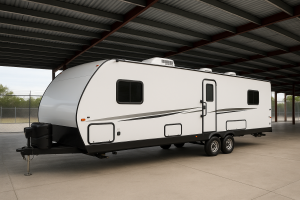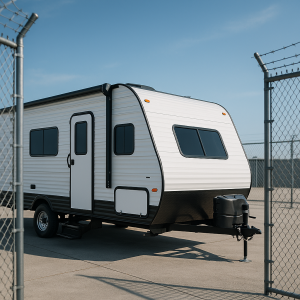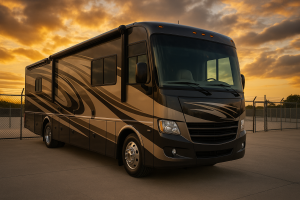

Most stolen vehicles share common characteristics that make them attractive to professional thieves: high demand for parts, ease of theft, and strong resale value. Vehicle theft remains a persistent threat across the United States, with certain makes and models experiencing disproportionately high theft rates. Understanding which vehicles face the greatest risk empowers owners and fleet managers to implement effective protection strategies before becoming victims.

The financial impact of vehicle theft extends far beyond the immediate loss of the asset. Business operations face disruption, insurance premiums increase, and the recovery process consumes valuable time and resources. For fleet operators managing construction equipment, rental vehicles, or commercial trucks, a single theft can cascade into project delays, revenue loss, and damaged client relationships. Vehicle owners face similar consequences, including transportation disruptions, deductible expenses, and the lengthy process of filing claims and replacing their vehicles.
Proactive prevention through strategic protection measures offers the most effective defense against theft. Identifying vulnerability factors and implementing layered security approaches significantly reduces theft risk across all vehicle categories. This guide examines which vehicles thieves target most frequently, why specific models face elevated risk, and the practical steps owners can take to safeguard their investments.
Why Certain Vehicles Become Most Stolen Vehicles Year After Year
Thieves select target vehicles based on calculated risk-reward assessments rather than random opportunity. The most stolen vehicles consistently share specific attributes that maximize criminal profit while minimizing theft difficulty. Full-size pickup trucks dominate theft statistics because their parts command premium prices in both legitimate and underground markets. Components like catalytic converters, airbags, doors, and engine parts from popular truck models sell quickly to repair shops and dismantlers who may not scrutinize part origins closely.
Older vehicle models lacking advanced anti-theft technology present easier targets than newer vehicles equipped with sophisticated immobilizers and tracking systems. Thieves can bypass or defeat outdated ignition systems and physical locks in minutes using readily available tools and techniques. This explains why models from the early 2000s often appear on most stolen vehicles lists despite newer versions of the same models existing on the road. The combination of high demand and low security creates an ideal target profile.
Geographic factors influence which vehicles face the highest theft risk in specific regions. Areas near international borders see elevated theft rates for vehicles that can be quickly transported and resold in foreign markets. Urban centers with large populations and higher vehicle densities provide more targets and easier anonymity for thieves operating in these environments. Rural and suburban areas see different theft patterns, often focusing on work trucks, trailers, and equipment left at job sites or storage yards overnight.
Resale value drives much of the targeting logic behind vehicle theft operations. Luxury vehicles and high-performance sports cars attract thieves who work within organized rings capable of altering VINs and selling complete vehicles through fraudulent channels. These operations often involve sophisticated planning and execution, including obtaining legitimate-looking titles and export documentation. The vehicles most frequently stolen, however, tend to be popular mainstream models whose ubiquity provides cover and whose parts integrate easily into the existing repair ecosystem.
Pickup Trucks Lead the List of Most Stolen Vehicles
Full-size pickup trucks from domestic manufacturers consistently rank among the most stolen vehicles across the United States. These trucks serve dual purposes as both personal transportation and commercial work vehicles, creating broad market demand that extends to replacement parts. Ford F-Series, Chevrolet Silverado, and Ram pickup models appear repeatedly in theft statistics due to their popularity, parts value, and widespread use across industries including construction, landscaping, and equipment rental operations.
Thieves targeting pickup trucks often dismantle them for parts rather than reselling complete vehicles. Individual components from these trucks—beds, tailgates, wheels, catalytic converters, and electronic modules—generate substantial profit when sold separately through online marketplaces, salvage yards, and repair facilities. The fragmented nature of parts sales makes detection difficult for law enforcement while providing criminals with multiple revenue streams from a single stolen vehicle.
Work trucks face additional theft vulnerability when parked at job sites, storage facilities, or on the street overnight. These vehicles often contain valuable tools, equipment, and materials in addition to their base value, multiplying the potential profit for thieves. Fleet operators managing multiple pickup trucks face compounded risk, as organized theft rings may target entire fleets in coordinated operations. A single night can result in the loss of multiple vehicles, crippling business operations and creating cascading delays across projects and client commitments.
The prevalence of keyless entry and push-button start systems in newer pickup models has introduced new vulnerability vectors. Thieves using signal amplification devices can capture and replay key fob signals, allowing them to unlock and start vehicles without physical key access. This technology-enabled theft method works quickly and quietly, often completed in under a minute. Older pickup models without these electronic systems remain vulnerable to traditional ignition bypass techniques that experienced thieves execute with equal efficiency.
Honda and Toyota Models Among Most Stolen Vehicles for Parts Demand
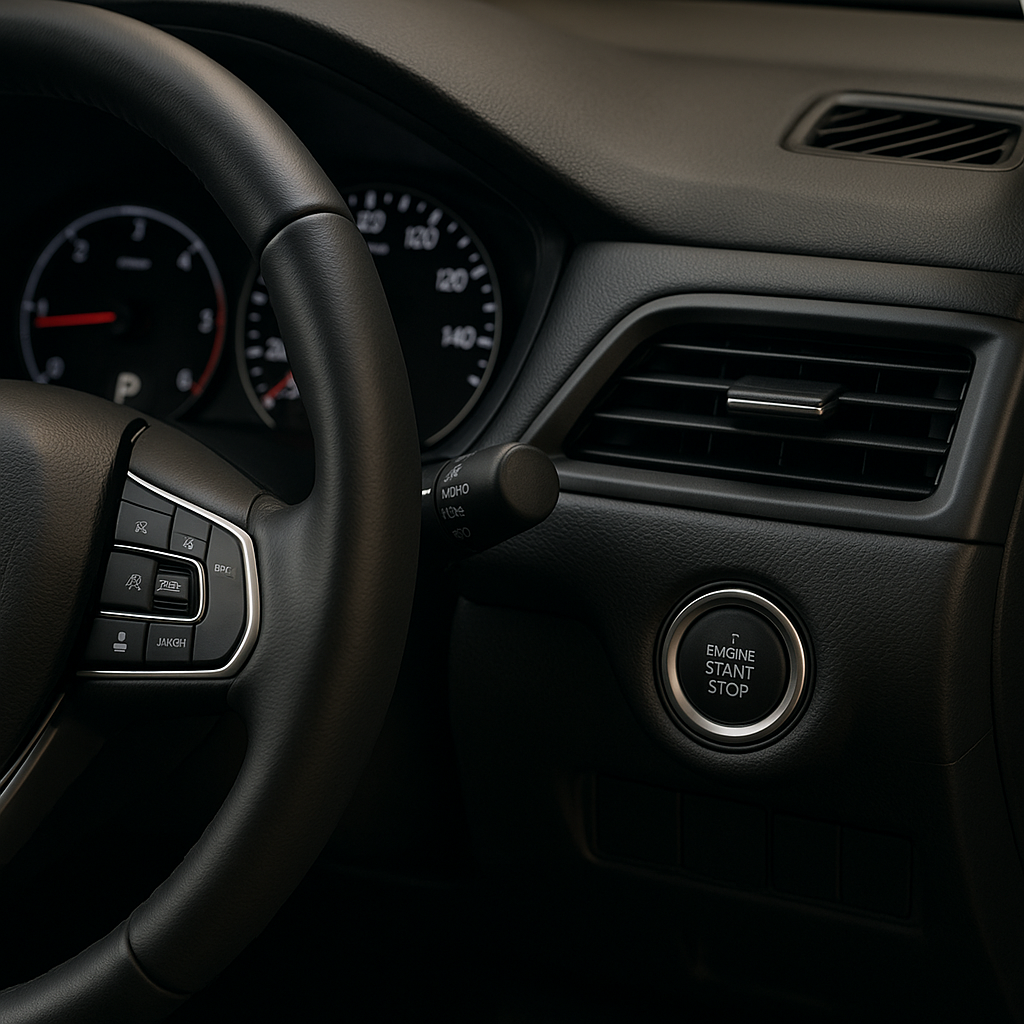
Honda and Toyota vehicles occupy prominent positions on most stolen vehicles rankings due to their reliability, longevity, and the resulting robust demand for replacement parts. Models like the Honda Civic, Honda Accord, Toyota Camry, and Toyota Corolla have maintained strong sales volumes for decades, creating a large population of vehicles on the road requiring maintenance and repair. This installed base generates consistent demand for both new and used parts, making stolen components from these vehicles easy to monetize quickly.
The reputation for reliability that makes these brands desirable to legitimate buyers also makes them attractive theft targets. Owners keep these vehicles in service longer than many competing brands, driving continued parts demand as vehicles age. A stolen Honda or Toyota can be stripped and its components sold through multiple channels within hours of the theft. Catalytic converters from these models contain valuable precious metals and command particularly high prices, making even partial vehicle theft profitable.
Older model years from these manufacturers lack the sophisticated anti-theft systems found in contemporary vehicles, despite the brands’ engineering advancements in recent years. Civics and Accords from the late 1990s and early 2000s remain common targets because thieves can defeat their security systems using basic tools and minimal technical knowledge. The combination of weak security and strong parts demand creates a persistent theft risk that affects both individual owners and businesses operating these vehicles in their fleets.
The crossover and SUV segments from these manufacturers face similar theft pressures. Honda CR-V and Toyota RAV4 models appear frequently in theft reports, particularly newer generations that combine high resale values with desirable features. Thieves targeting complete vehicle theft for resale or export often focus on these popular crossovers because they blend into traffic easily, attract less attention than luxury vehicles, and sell quickly in domestic and international markets. Fleet operators using these models for service vehicles, rental operations, or company car programs must account for this elevated theft risk in their security planning.
Luxury and Performance Vehicles as High-Value Most Stolen Vehicles
Premium brands including BMW, Mercedes-Benz, Lexus, and Land Rover represent a distinct category among the most stolen vehicles, targeted for their high resale values and export potential. Unlike mass-market vehicles stolen primarily for parts, luxury vehicles are often stolen complete and moved through sophisticated criminal networks. These operations involve forged documentation, VIN alteration, and international shipping to markets where these vehicles command premium prices and face less stringent ownership verification.
Keyless entry systems on luxury vehicles have created new exploitation opportunities for tech-savvy thieves. Relay attacks allow criminals to amplify the signal from a key fob inside a home or office, transmitting it to an accomplice near the vehicle who can unlock and start it without triggering alarms. This method works on many premium vehicles equipped with proximity-based keyless systems, allowing theft to occur in minutes without forced entry or visible damage. Owners often discover the theft hours after it occurred, giving criminals substantial time to move the vehicle before the loss is reported.
High-performance vehicles from brands like Dodge, including Charger and Challenger models, face theft risk driven by both parts demand and complete vehicle resale. These vehicles contain performance components that enthusiasts seek for upgrades and modifications, creating underground market demand. Additionally, their powerful engines and performance capabilities attract thieves who view them as personal prizes rather than simply profit opportunities. Some stolen performance vehicles are hidden and kept by the thieves themselves rather than being sold, making recovery particularly challenging.
Luxury SUVs represent the highest-value targets among the most stolen vehicles, combining premium pricing with strong international demand. Models like the Range Rover, BMW X5, and Lexus LX series command six-figure values when new and retain significant worth even after years of use. These vehicles are frequently shipped to Eastern Europe, Africa, and the Middle East, where they enjoy status symbol appeal and face minimal theft tracking. The profit margins on luxury SUV theft incentivize organized crime involvement, bringing professional-level planning and execution to theft operations.
Commercial Vehicles and Fleet Assets Among Most Stolen Vehicles

Commercial vehicles including cargo vans, box trucks, and fleet vehicles face distinct theft patterns driven by their utility value rather than parts or resale considerations alone. Thieves targeting commercial vehicles often intend to use them for secondary criminal activity such as transporting stolen goods, committing additional thefts, or perpetrating fraud. Vehicles bearing legitimate company branding provide cover for criminals, allowing them to access secured areas, make deliveries, or operate without suspicion during the commission of other crimes.
Fleet operators managing multiple commercial vehicles across distributed locations face compounded theft risk. A vehicle stolen from an unsecured lot, job site, or street parking location may go unnoticed for hours or days, particularly if the fleet lacks real-time monitoring systems. This delayed discovery gives criminals time to remove company identification, alter the vehicle’s appearance, and put it into service for illicit purposes. The business impact extends beyond the vehicle’s value to include operational disruption, project delays, and potential liability if the stolen vehicle is used in subsequent criminal activity.
Rental vehicles constitute a specialized subset of the most stolen vehicles due to unique vulnerability factors. These vehicles are accessible to strangers by design, creating opportunities for renters with criminal intent to disappear with vehicles rather than returning them. While most rental theft involves renters who extend agreements without payment rather than traditional theft, the financial impact on rental companies remains significant. Some operations specifically rent vehicles intending to commit fraud, using false identification and payment information to obtain vehicles they never plan to return.
Construction and equipment rental companies face particularly acute challenges with vehicle and equipment theft. Trucks carrying expensive tools, trailers loaded with equipment, and service vehicles containing specialized parts represent concentrated value that attracts organized theft operations. These thefts often occur at job sites where security is minimal and vehicles must be left overnight. The loss disrupts not only the company suffering the theft but also clients expecting work to continue on schedule, potentially triggering contractual penalties and damaging business relationships built over years.
Motorcycles Face Unique Vulnerabilities Among Most Stolen Vehicles
Motorcycles experience theft rates disproportionate to their population on the road, making them a significant category among the most stolen vehicles. Their portability creates unique vulnerability—thieves can load motorcycles into vans or trucks in seconds without needing to defeat ignition systems or drive them away. This physical theft method works regardless of the motorcycle’s electronic security systems, making even bikes with sophisticated immobilizers vulnerable to determined thieves with a pickup truck and a ramp.
High-performance sport bikes from manufacturers like Yamaha, Honda, Kawasaki, and Suzuki face elevated theft risk due to their value and demand among riding enthusiasts. These motorcycles contain specialized performance components that command premium prices in both legitimate and underground markets. Complete stolen sport bikes may be stripped for parts, sold with altered VINs to unsuspecting buyers, or exported to international markets where registration requirements are less stringent. The relatively small size and high value-to-weight ratio make motorcycles ideal targets for theft operations focused on volume.
Cruiser motorcycles from Harley-Davidson represent another frequently targeted category, driven by brand cachet and strong parts demand. Individual components from these motorcycles—engines, wheels, seats, and accessories—sell readily through online marketplaces where buyers may not question their origins. The customization culture surrounding these motorcycles creates markets for both OEM and aftermarket parts, providing multiple channels through which thieves can monetize stolen motorcycles. A stolen Harley-Davidson can be dismantled and its components sold across dozens of transactions, making tracking nearly impossible.
Off-road motorcycles and dirt bikes face theft risk at trailheads, racing events, and storage facilities where security is often minimal. These motorcycles are typically transported in trucks or trailers, creating opportunities for thieves to target both the bikes and their transport vehicles simultaneously. The serial number systems for off-road motorcycles are less standardized than street-legal vehicles, making stolen bikes easier to sell without detection. Owners who use these motorcycles recreationally may not notice theft immediately, giving criminals additional time to move and sell the stolen property.
Geographic Patterns in Most Stolen Vehicles Data
Vehicle theft rates vary dramatically by location, with certain metropolitan areas experiencing theft frequencies many times the national average. Urban centers with large populations, significant economic inequality, and proximity to major transportation corridors see elevated theft rates across all vehicle categories. Cities serving as port hubs face particular challenges, as stolen vehicles can be loaded into shipping containers and exported before law enforcement can intercept them. These geographic hot spots require vehicle owners and fleet operators to implement more robust protection measures than might be necessary in lower-risk regions.
Border regions see distinct theft patterns influenced by international demand for vehicles that may be difficult or expensive to obtain in neighboring countries. Pickup trucks, SUVs, and luxury vehicles stolen in border states are often driven or transported across international boundaries within hours of the theft. Recovery becomes nearly impossible once vehicles leave the country, as international law enforcement cooperation faces jurisdictional and resource limitations. Vehicle owners in these regions must account for this heightened risk when selecting protection strategies.
Suburban and rural areas experience different theft patterns than urban centers, with thieves targeting vehicles left at job sites, parking lots, and residential streets overnight. These locations often lack the surveillance and foot traffic that provide informal security in denser areas. Thieves can work more slowly and carefully in these environments, taking time to defeat security systems without fear of observation. Fleet vehicles left at remote locations face particular vulnerability, as their patterns become predictable and security presence is typically minimal or absent.
Seasonal patterns influence theft rates in certain regions, with warmer months seeing increased motorcycle theft and winter months seeing more truck and SUV theft. Holiday periods experience spikes in vehicle theft as criminals take advantage of increased shopping activity, parking lot congestion, and vehicle owners’ reduced attention to security practices. Understanding these temporal and geographic patterns allows vehicle owners to adjust their protection strategies based on risk levels that fluctuate throughout the year.
How Passive GPS Tracking Protects the Most Stolen Vehicles
Passive GPS tracking provides a powerful deterrent and recovery tool for vehicles facing elevated theft risk. Unlike traditional security systems that focus solely on preventing theft at the moment of attack, passive GPS tracking enables rapid location and recovery after a theft occurs. This recovery capability transforms the risk calculus for both vehicle owners and thieves—owners gain confidence knowing stolen assets can be located, while thieves face increased risk that their crimes will result in arrest and prosecution when stolen vehicles are quickly recovered.
The extended battery life of advanced passive GPS tracking solutions addresses a critical weakness in many tracking systems. Devices offering 90-day battery life continue operating long after thieves believe they have avoided detection. Criminals often wait days or weeks after a theft before moving vehicles to their final destinations, expecting that any tracking devices will have exhausted their batteries. Passive GPS trackers with extended battery life remain operational throughout this waiting period, providing location data that enables law enforcement to recover vehicles and apprehend thieves during subsequent movement.
Fleet operators managing vehicles on the most stolen vehicles lists benefit particularly from passive GPS tracking deployment. A fleet-wide tracking implementation creates layered security that protects multiple assets simultaneously while providing centralized monitoring capabilities. When a theft occurs, fleet managers can immediately provide law enforcement with precise location data, dramatically increasing recovery probability. The deterrent effect extends across the entire fleet—thieves who encounter GPS tracking on one stolen vehicle may avoid targeting other vehicles from the same fleet or company.
The discrete installation of passive GPS tracking devices prevents thieves from detecting and removing them during or after a theft. Unlike visible security measures that criminals learn to defeat or bypass, hidden GPS trackers continue operating without the thief’s knowledge. This covert functionality is particularly valuable for high-value vehicles on the most stolen vehicles lists, where organized theft rings may specifically search for and disable visible security devices. The combination of extended battery life and discrete installation creates persistent tracking capability that survives professional theft attempts.
Vehicle owners concerned about the most stolen vehicles can implement passive GPS tracking as part of a comprehensive security strategy that includes physical deterrents, parking practices, and insurance coverage. The relatively modest investment in GPS tracking technology delivers ongoing peace of mind and protection that adapts to changing theft patterns and criminal techniques. As thieves continue evolving their methods, passive GPS tracking provides a flexible countermeasure that doesn’t rely on preventing theft—instead, it ensures that theft results in rapid recovery rather than permanent loss.
Frequently Asked Questions About Most Stolen Vehicles
What makes a vehicle one of the most stolen vehicles?
Vehicles become theft targets based on factors including parts demand, ease of theft, resale value, and market popularity. Full-size pickup trucks, older Honda and Toyota models, and luxury SUVs face elevated risk due to combinations of these factors. Thieves select targets that maximize profit while minimizing the time and skill required to complete the theft successfully.
Are newer or older vehicles more likely to be stolen?
Both newer and older vehicles face theft risk for different reasons. Older vehicles lack sophisticated anti-theft systems, making them easier to steal for parts. Newer vehicles have higher complete-vehicle resale values and are targeted by organized rings despite their advanced security. The specific make and model matters more than age alone in determining theft risk.
How do thieves bypass modern vehicle security systems?
Thieves use signal amplification devices to capture and replay key fob signals from keyless entry systems, allowing them to unlock and start vehicles without physical keys. For older vehicles, criminals bypass ignition systems using mechanical tools and techniques. Professional theft rings employ sophisticated methods including key cloning, computer hacking, and obtaining manufacturer key codes through illicit channels.
Can GPS tracking help recover a stolen vehicle?
GPS tracking significantly improves stolen vehicle recovery rates by providing law enforcement with precise location data immediately after a theft is discovered. Passive GPS tracking devices with extended battery life continue operating even after thieves believe they have avoided detection, enabling recovery days or weeks after the initial theft when criminals move vehicles to final destinations.
Does insurance cover theft of most stolen vehicles?
Comprehensive auto insurance policies typically cover theft, though coverage details vary by policy and insurer. Deductibles apply to theft claims, and the insurance payout may not cover the full replacement cost or loss of use during the claims process. Some insurers offer premium discounts for vehicles equipped with approved anti-theft devices, including GPS tracking systems.
Protecting Your Assets From the Most Stolen Vehicles List
Understanding which vehicles appear on the most stolen vehicles lists empowers owners and fleet managers to implement targeted protection strategies before experiencing theft. The patterns underlying vehicle theft—parts demand, security vulnerabilities, resale value, and geographic factors—remain consistent even as specific models and theft techniques evolve. Vehicles sharing characteristics with frequently stolen models require proactive security measures that address multiple threat vectors simultaneously, combining physical deterrents, smart parking practices, and technology-based tracking solutions.
The financial and operational impacts of vehicle theft extend far beyond the immediate asset loss, particularly for businesses managing commercial fleets. Project delays, client disappointment, insurance complications, and replacement costs compound the direct loss of the vehicle itself. Individual vehicle owners face similar cascading consequences including transportation disruption and the time-consuming recovery process. Implementing comprehensive protection strategies transforms vehicle ownership from reactive response to proactive defense, ensuring that assets remain secure and available when needed. Passive GPS tracking represents a critical component of modern vehicle security, providing both deterrent value and rapid recovery capability that adapts to evolving criminal techniques.
Vehicle owners seeking reliable protection for assets on the most stolen vehicles lists can explore passive GPS tracking solutions for theft prevention and recovery that deliver extended battery life and discrete installation. These purpose-built systems provide peace of mind and practical protection tailored to the unique challenges facing today’s vehicle owners and fleet operators.