
GPS tracker for dump trailer applications has become essential equipment for contractors, landscaping companies, and construction businesses seeking to protect valuable assets from theft and unauthorized use. Dump trailers represent significant capital investments that often sit unattended on job sites, storage yards, and remote locations where traditional security measures fall short. Without proper tracking technology, these assets become vulnerable targets that can disappear overnight, leaving businesses facing substantial replacement costs and operational disruptions.

The challenge with monitoring dump trailers extends beyond simple theft prevention. Fleet managers need visibility into trailer location and utilization patterns to maximize return on investment, but many tracking solutions demand frequent battery changes or hardwired installations that prove impractical for unpowered assets. Passive GPS tracking technology solves this problem by delivering extended monitoring capabilities without the maintenance burden of traditional real-time systems, making it the ideal solution for dump trailer fleets of any size.
Selecting the right tracking system requires understanding how dump trailers operate within fleet workflows, the environmental conditions they face, and the specific security threats that target these assets. This guide examines every critical factor that influences GPS tracker selection for dump trailers, from battery performance and mounting considerations to recovery capabilities and total cost of ownership.
Why Dump Trailers Require Specialized GPS Tracking Solutions
Dump trailers face unique operational challenges that distinguish them from other fleet assets and demand purpose-built tracking technology. Unlike powered vehicles with constant electrical systems, dump trailers operate as unpowered assets that spend extended periods stationary between jobs. This intermittent use pattern creates specific requirements for GPS tracking devices that differ fundamentally from solutions designed for trucks or powered equipment.
The physical environment surrounding dump trailer operations adds another layer of complexity. These assets frequently operate in construction zones, demolition sites, and rural locations where cellular connectivity may be limited or intermittent. Tracking devices must maintain reliable performance despite exposure to dust, moisture, vibration, and temperature extremes that would compromise consumer-grade technology. The rugged construction of professional-grade trackers ensures consistent operation regardless of harsh conditions.
Security threats targeting dump trailers also differ from those affecting other fleet assets. Thieves specifically target these trailers because they can be quickly hitched to nearly any vehicle and relocated before the theft is discovered. The absence of VIN registration requirements in many jurisdictions makes dump trailers particularly attractive targets for organized theft rings. Tracking devices must provide location data that enables rapid recovery before stolen assets can be stripped, repainted, or transported across state lines.
Asset utilization represents another critical factor driving specialized tracking requirements. Fleet managers need to identify which trailers sit idle while others are overutilized, enabling smarter deployment decisions that maximize return on investment. Traditional real-time tracking systems generate excessive data that obscures meaningful utilization patterns, whereas passive GPS tracking delivers focused insights that support strategic asset management without overwhelming fleet managers with unnecessary alerts.
90-Day Battery Life: The Game-Changing Advantage for Trailer Fleets
Battery performance stands as the single most important differentiator when evaluating GPS tracker options for dump trailer applications. Traditional tracking devices demand battery replacement or recharging every few weeks, creating an ongoing maintenance burden that undermines the value proposition of fleet tracking. For companies managing multiple trailers across different locations, the labor cost of accessing each unit for battery service quickly exceeds the value of the tracking data itself.
Passive GPS tracking technology achieves 90-day battery life by eliminating the constant cellular communication that drains power in real-time systems. Instead of transmitting location data every few seconds or minutes, passive trackers record position information at strategic intervals and upload comprehensive reports on schedules aligned with actual business needs. This approach reduces power consumption by orders of magnitude while still capturing all location data relevant to theft recovery and utilization analysis.
The operational impact of extended battery life extends well beyond reduced maintenance costs. Fleet managers can deploy trackers on trailers stored in remote yards, leased to customers, or stationed at distant job sites without worrying about device functionality when assets are eventually needed. The confidence that tracking devices will remain operational for months without intervention fundamentally changes how companies approach asset security and management.
Battery replacement logistics also become dramatically simpler with 90-day intervals. Rather than dispatching technicians to scattered locations on an ongoing basis, companies can align battery service with routine fleet maintenance cycles or scheduled asset inspections. This consolidation reduces labor costs while ensuring tracking devices remain operational without gaps in coverage that create vulnerability windows for theft or unauthorized use.
Installation Strategies and Mounting Considerations for Maximum Security

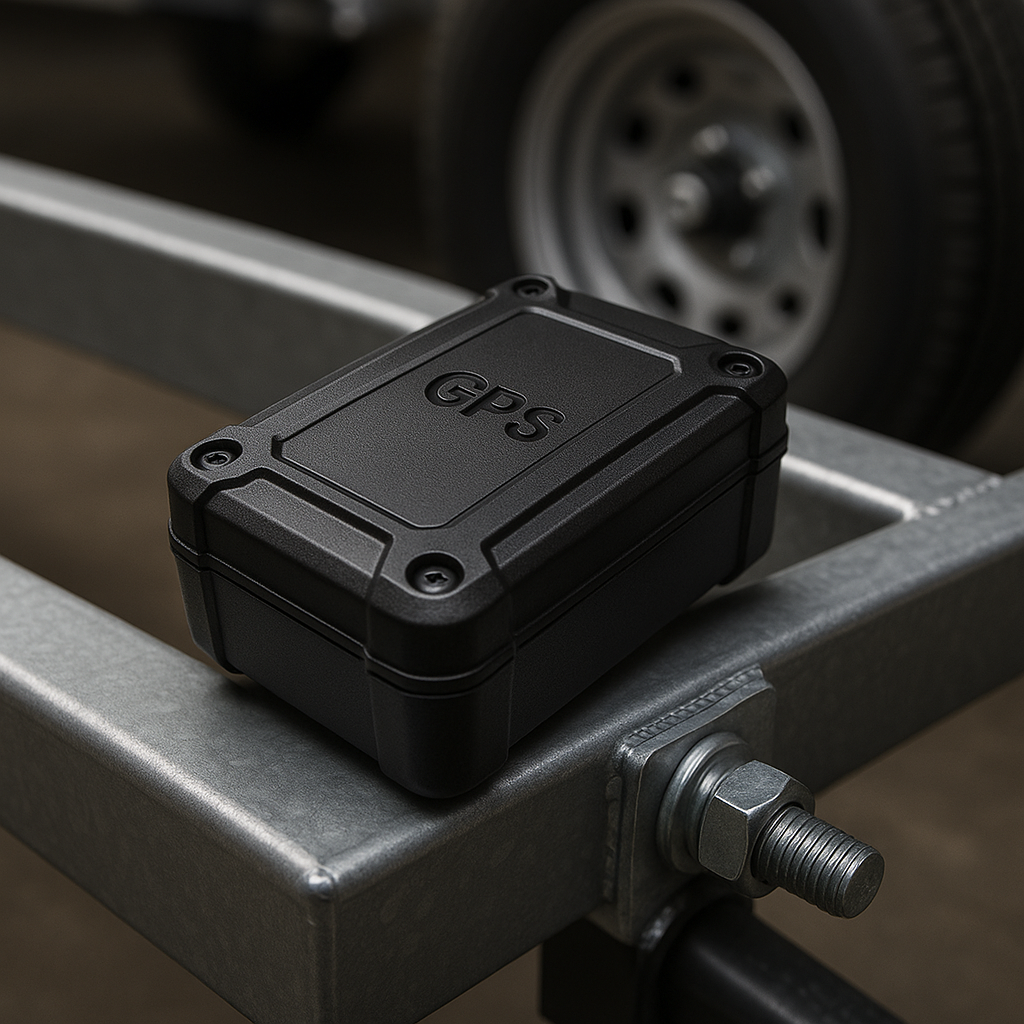
Proper installation of a GPS tracker for dump trailer assets requires strategic thinking about both signal performance and theft prevention. The most effective placement balances the need for clear satellite visibility with concealment that prevents detection and removal by thieves. Obvious mounting locations such as underneath the tongue or on external frame members make devices easy to find and disable, undermining the entire purpose of theft prevention tracking.
Professional installers prioritize concealed locations within the trailer structure that provide adequate GPS signal reception while remaining hidden from casual inspection. Internal frame cavities, sealed toolboxes, and structural channels offer excellent concealment opportunities without significantly compromising signal quality. The key is selecting locations that would require significant disassembly to access, creating time barriers that deter thieves even if they suspect a tracking device is present.
Magnetic mounting systems provide installation flexibility but should be used judiciously on dump trailers due to the risk of environmental displacement. The constant vibration and impact loads experienced during hauling and dumping operations can gradually shift magnetic mounts, potentially moving devices into positions where signal reception degrades or water intrusion becomes problematic. Permanent mounting using industrial adhesives or mechanical fasteners provides superior long-term reliability for trailer applications.
Multiple device installations offer enhanced security for high-value trailer fleets. By installing both a visible deterrent device and a deeply concealed backup tracker, fleet operators create layered protection that increases recovery probability even if thieves locate and remove the first device. This strategy proves particularly valuable for specialized dump trailers with premium features that represent substantial replacement costs.
Theft Recovery Capabilities and Law Enforcement Coordination
The primary value proposition of GPS tracking for dump trailers centers on theft recovery capabilities that dramatically improve the odds of asset retrieval. Without tracking technology, stolen trailers essentially vanish, leaving fleet operators with nothing more than insurance claims and equipment replacement delays. Tracking devices transform this scenario by providing law enforcement with precise location data that enables rapid recovery operations.
Passive GPS tracking systems generate location histories that prove invaluable during theft investigations. Rather than simply indicating current position, these systems provide comprehensive movement records showing exactly when and where trailers were relocated. This historical data helps law enforcement identify theft patterns, establish probable cause for search warrants, and build stronger cases against organized theft operations targeting construction assets.
The speed of theft discovery directly impacts recovery success rates. Fleet managers who check trailer locations regularly through tracking portals can identify unauthorized movements within hours rather than days or weeks. Early detection enables law enforcement response while stolen assets remain within local jurisdictions, before thieves can transport them to distant locations or alter identifying characteristics. Setting up location-based alerts ensures immediate notification of unexpected movements.
Law enforcement agencies have developed specific protocols for GPS-assisted recovery operations based on the type of tracking data available. Passive tracking systems provide the precise location information officers need to plan safe recovery approaches without alerting suspects to surveillance. Fleet managers should establish relationships with local law enforcement property crimes units before theft occurs, ensuring officers understand how to access and interpret tracking data when recovery operations become necessary.
Asset Utilization Optimization Through Location Intelligence
Beyond theft prevention, GPS tracker technology delivers strategic insights that optimize dump trailer utilization and improve fleet return on investment. Many construction and landscaping companies discover they own more trailers than necessary once tracking data reveals actual usage patterns. Identifying underutilized assets enables smarter deployment decisions, equipment reduction, or rental income opportunities that improve overall fleet economics.
Location history data exposes inefficient asset distribution patterns that increase operational costs. Trailers that repeatedly travel between the same limited locations suggest opportunities for permanent repositioning that would reduce hauling requirements. Similarly, tracking data can identify situations where multiple trailers serve the same job site when strategic scheduling could consolidate requirements and free assets for deployment elsewhere.
Passive GPS tracking systems generate utilization reports that quantify how often each trailer moves and how long it remains stationary between uses. This objective data replaces guesswork and anecdotal information that often drives fleet decisions. Fleet managers gain clear visibility into which assets deliver consistent value versus those that represent underperforming capital investments worthy of disposition or redeployment.
Customer billing accuracy improves when rental companies use tracking data to verify delivery and pickup dates for leased dump trailers. Location records eliminate disputes about rental duration and provide objective proof of when assets entered and exited customer control. This documentation protects rental revenue and reduces administrative overhead associated with billing disagreements that damage customer relationships.
Total Cost Analysis: Investment Protection and ROI Calculation
Evaluating GPS tracker options for dump trailer fleets requires comprehensive cost analysis that extends beyond initial device purchase prices. The total cost of ownership includes hardware expenses, subscription fees, installation labor, ongoing maintenance, and battery replacement over the system’s operational lifetime. Solutions with attractive entry-level pricing often prove more expensive over multi-year periods due to hidden costs that emerge during deployment.
Subscription pricing models vary dramatically across tracking providers, with some charging per device monthly fees while others offer tiered fleet pricing that reduces per-unit costs at scale. Fleet managers should project costs across realistic timeframes—typically three to five years—to identify which pricing structures deliver the best value for their specific fleet size and growth trajectory. Avoiding long-term contracts preserves flexibility to adjust service levels as business needs evolve.
The labor cost associated with battery maintenance represents a substantial hidden expense that many fleet operators overlook during initial evaluation. A tracking system requiring monthly battery service across a 20-unit fleet generates significant ongoing labor costs that compound over time. Calculating these maintenance expenses typically reveals that premium tracking systems with 90-day battery life deliver superior total cost of ownership despite higher upfront hardware costs.
Theft recovery value provides the most significant ROI component for dump trailer tracking investments. A single successful recovery of a stolen trailer typically covers tracking costs for an entire fleet for multiple years. Even more valuable is the theft deterrence effect that occurs when potential thieves recognize that trailers carry tracking devices. The presence of tracking technology—whether through visible warning decals or word-of-mouth among theft networks—reduces targeting frequency and provides ongoing protection value difficult to quantify but nonetheless substantial.
Integration with Fleet Management Systems and Business Processes
Modern GPS tracking solutions offer integration capabilities that extend value beyond standalone location monitoring. Fleet management platforms can incorporate tracking data alongside maintenance records, utilization schedules, and financial information to create comprehensive asset intelligence systems. These integrated approaches deliver insights impossible to achieve when tracking data exists in isolation from other business systems.
Application programming interfaces enable custom integrations between tracking platforms and enterprise resource planning systems used by larger construction and equipment rental operations. Automated data exchange eliminates manual entry requirements and ensures location information remains synchronized across all business systems. This integration reduces administrative overhead while improving data accuracy and enabling more sophisticated analytical capabilities.
Mobile applications provide field personnel with direct access to trailer location information without requiring contact with central dispatch or fleet management staff. Drivers can identify the nearest available trailer for their next job, reducing deadhead miles and improving operational efficiency. This self-service capability decreases communication overhead while empowering field teams to make smarter decisions about asset selection and routing.
Reporting capabilities should align with actual business decision-making processes rather than generating generic dashboards disconnected from strategic needs. The most valuable tracking systems offer customizable reporting that answers specific questions fleet managers face: Which trailers haven’t moved in 30 days? What percentage of fleet assets are currently deployed versus idle? Which customers have retained rental units beyond scheduled return dates? Tailored reporting transforms raw location data into actionable business intelligence.
Frequently Asked Questions About Dump Trailer GPS Tracking
How long does the battery last in a GPS tracker for dump trailer applications?
Premium passive GPS tracking devices deliver 90-day battery life under typical dump trailer usage patterns. This extended performance eliminates the frequent battery maintenance required by real-time tracking systems that drain power through constant cellular communication. Battery longevity depends on reporting frequency settings, with less frequent position updates extending operational duration. Fleet managers can optimize battery life by configuring reporting schedules aligned with actual business monitoring needs rather than using unnecessarily frequent update intervals.
Can GPS trackers withstand the harsh conditions dump trailers face?
Professional-grade GPS tracking devices designed for commercial fleet applications feature ruggedized construction that withstands the extreme conditions common in dump trailer operations. These devices carry IP67 or higher ingress protection ratings indicating complete dust protection and immersion resistance. Industrial-temperature components ensure reliable operation from subzero winter conditions through summer heat extremes. Shock-resistant housings protect internal electronics from the constant vibration and impact loads experienced during hauling and dumping activities. Consumer-grade tracking devices lack these protective features and typically fail quickly in demanding trailer environments.
What happens if a dump trailer is stolen and moved to an area without cellular coverage?
GPS trackers continue recording location data even when cellular connectivity is unavailable, storing position history in internal memory until the device regains network access. Once cellular service is restored, stored location records upload automatically, providing complete movement tracking throughout the theft event. This functionality proves particularly valuable when stolen trailers are temporarily hidden in rural areas or metal buildings that block cellular signals. The historical movement data helps law enforcement understand theft patterns and identify likely current locations even if real-time tracking was temporarily interrupted.
How difficult is it to install a GPS tracker on a dump trailer?
Basic GPS tracker installation requires no specialized technical skills or tools for most dump trailer applications. Magnetic mounting options enable attachment in minutes without drilling or permanent modifications. However, optimal security requires concealed installation within trailer structures to prevent device detection and removal by thieves. Professional installation services ensure proper placement that balances signal reception with theft prevention while avoiding locations where environmental factors might compromise device longevity. Fleet operators managing multiple trailers often find that professional installation delivers superior long-term results despite higher initial costs compared to self-installation approaches.
Do GPS tracking systems require monthly subscription fees?
Nearly all GPS tracking solutions require ongoing subscription fees to cover cellular data transmission costs and access to tracking platforms and mobile applications. Subscription pricing structures vary significantly across providers, ranging from per-device monthly fees to tiered fleet pricing that reduces per-unit costs as fleet size increases. Some providers offer prepaid annual plans that deliver cost savings versus month-to-month billing. Fleet managers should carefully compare total subscription costs over realistic multi-year periods rather than focusing solely on initial hardware prices, as cumulative subscription expenses typically exceed equipment costs over the system’s operational lifetime.
Protecting Dump Trailer Investments With Purpose-Built Tracking Technology
Dump trailers represent substantial capital investments that deserve protection commensurate with their value and vulnerability to theft. The combination of high resale value, easy mobility, and frequent positioning in unsecured locations makes these assets prime targets for theft rings operating throughout the construction and landscaping industries. GPS tracking technology fundamentally shifts this risk equation by enabling rapid theft detection and recovery while simultaneously delivering asset utilization insights that optimize fleet performance and return on investment.
The distinction between tracking technologies matters significantly for dump trailer applications. Real-time systems with frequent battery maintenance requirements create operational burdens that undermine practical value, whereas passive GPS tracking with 90-day battery life delivers comprehensive protection without ongoing maintenance overhead. Strategic installation, rapid theft response protocols, and integration with broader fleet management processes maximize the value tracking systems provide. Fleet operators who approach GPS tracking as a strategic asset management tool rather than simply a theft prevention measure discover opportunities to reduce fleet size, improve utilization rates, and enhance operational efficiency across their entire organization.
Fleet managers seeking comprehensive protection for their dump trailer assets will find passive GPS tracker solutions designed specifically for trailer applications that deliver the extended battery life, rugged construction, and strategic insights essential for maximizing fleet value and security.