
Top Features to Look for in Multi-Asset GPS TrackersCategoriesUncategorized

Top Features to Look for in Multi-Asset GPS Trackers

Want to protect your assets and improve efficiency? Multi-asset GPS trackers are the solution. Whether you’re managing vehicles, equipment, or trailers, these devices offer passive location monitoring, theft prevention, and operational insights – all while saving time and money.

Key Features to Consider:

  • passive location monitoring: Locate assets instantly with live map updates and alerts.
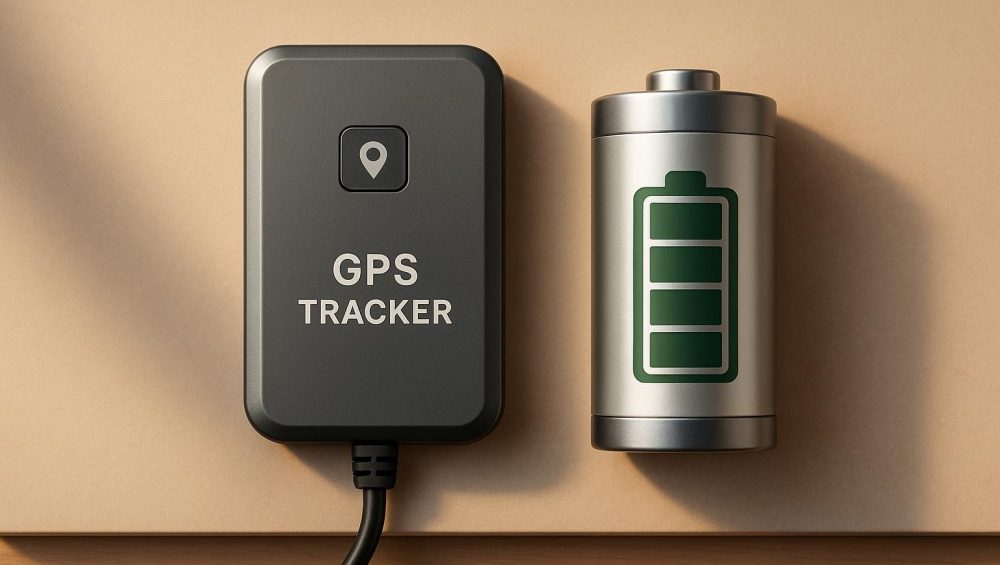
  • Long Battery Life: Devices can last up to 5 years, reducing maintenance hassle.
  • Durable & Waterproof Design: Built to withstand harsh conditions like rain, mud, and extreme temperatures.
  • Wireless Installation: Quick and easy setup without special tools.
  • Movement & Tamper Alerts: Immediate notifications for unauthorized activity.
  • Geofencing: Set virtual boundaries for better monitoring and security.
  • Mobile App Integration: Manage assets on-the-go with passive data and alerts.
  • Flexible Pricing Plans: No contracts, affordable monthly rates, and no hidden fees.
  • Fleet Management Tools: Optimize routes, monitor driver behavior, and schedule maintenance.
  • 24/7 Access: Always know where your assets are, anytime, anywhere.

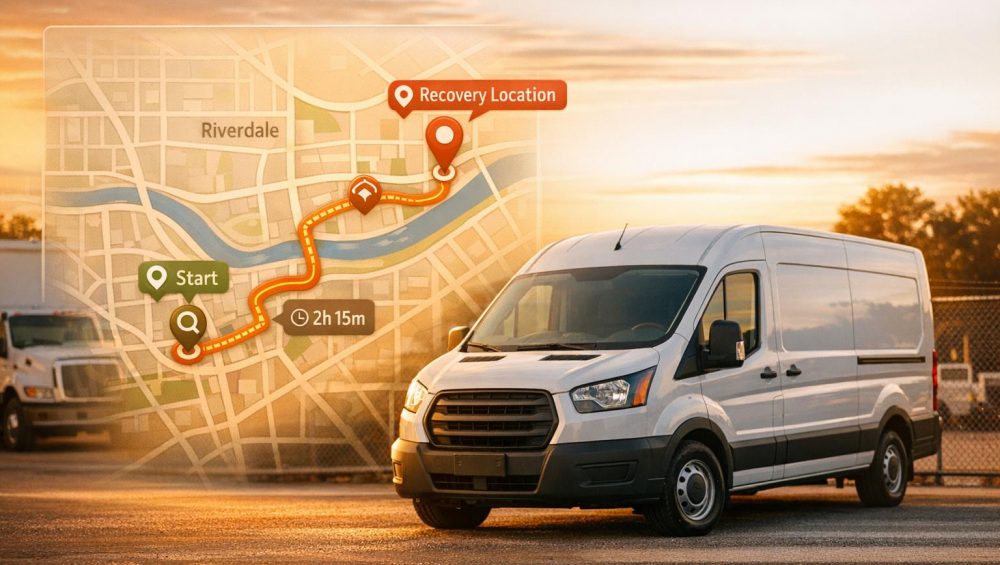
Example: A construction company recovered $125,000 worth of stolen equipment in just 3 hours, thanks to passive alerts and tracking.

These features make GPS trackers a smart investment for reducing theft, improving efficiency, and protecting your bottom line.

10 Essential Features of Multi-Asset GPS Trackers

10 Essential Features of Multi-Asset GPS Trackers

Selecting the Right Asset Tracking Device | OnAsset‘s Paul Rodwell

1. last recorded location Tracking

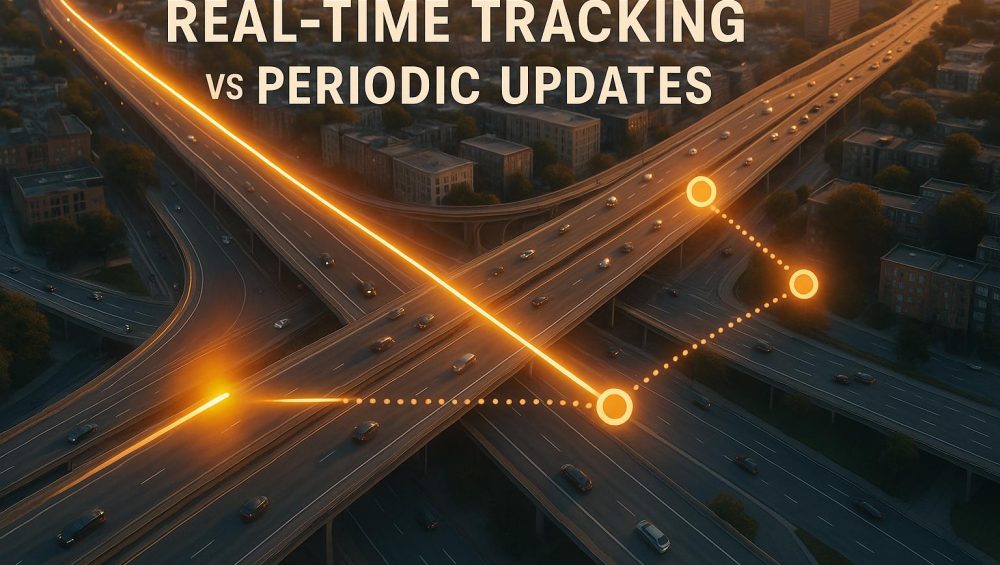
When a trailer heads out or equipment moves unexpectedly during off-hours, getting immediate alerts becomes crucial. Forget outdated logs or endless phone calls – passive map updates refresh every few seconds, letting you see live coordinates on your screen without delay.

GPS tracking devices can significantly reduce theft losses, with recovery rates for stolen assets soaring to 93% when active tracking is in place, compared to just 11% for untracked items. For example, one construction company recovered $125,000 worth of stolen equipment in just 3 hours by relying on automated movement alerts and last recorded location data. This kind of rapid response is only possible with continuous monitoring.

passive location monitoring isn’t just about security – it also streamlines operations. Dispatchers can reroute vehicles to avoid traffic, managers can reassign idle equipment to new job sites, and customers can receive accurate ETAs instead of vague estimates. Research shows that passive shipment tracking can cut delays by up to 58% and reduce operational costs by about 15%. These benefits depend on the precision of the tracking technology.

Modern GPS systems ensure highly accurate location data. Advanced GPS receivers can pinpoint locations within 2.5 to 3 meters under optimal conditions. Meanwhile, dual-frequency chips further enhance accuracy, reducing errors from 10 meters down to less than 3 meters. For high-value assets or during high-risk times, increasing the ping frequency to every 10–30 seconds provides even more detailed visibility.

Piritiz tracking devices leverage this precision, offering 24/7 access through a mobile app. This means you’re always just a few taps away from knowing exactly where your vehicles, trailers, or equipment are. Whether managing a construction fleet or keeping an eye on stored recreational vehicles, this instant visibility eliminates guesswork and provides complete peace of mind.

2. Long Battery Life

Skipping battery recharges can throw tracking programs off course. When devices lose power during busy times, they stop working – and if an asset moves or gets stolen during that downtime, your investment in tracking takes a big hit. For remote assets like underground generators, storage containers, or trailers parked far away, frequent battery replacements aren’t just inconvenient – they can be nearly impossible. That’s why strong battery performance is just as important as passive location monitoring when it comes to protecting your assets.

"Maintenance is the constraint that quietly makes or breaks most tracking programs." – Mitch Belsley, Contributor, GPX

Battery life plays a key role in tracking reliability. For example, doubling how often a device sends updates (ping frequency) can cut its battery life in half. That’s why finding the right balance for update intervals is so important. Stationary assets might only need one check-in per day, while active equipment could require more frequent updates. Devices that transmit just once daily can last up to 10 years on a single battery. However, extreme cold can reduce the efficiency of lithium-ion batteries by as much as 20%.

Piritiz tracking devices, priced at $19.95 each, come with subscription plans ranging from $7 to $9.95 per month. These devices offer wireless, waterproof tracking for vehicles, trailers, and equipment. With advanced energy management, they provide up to 5 years of battery life. For assets exposed to harsh temperatures, the company suggests annual battery replacements to ensure top performance. Otherwise, these trackers run independently with minimal upkeep.

This "set-and-forget" setup takes the hassle out of tracking. Instead of worrying about hardware maintenance, your team can focus on the data and insights these devices deliver. Meanwhile, your assets stay visible 24/7 through the mobile app – whether they’re parked in a remote location or on the move across state lines.

3. Waterproof and Durable Design

When it comes to tracking devices, durability is just as important as battery life, especially if the device is used in tough environments.

Think about assets like trailers, construction equipment, or outdoor machinery. These are constantly exposed to rain, mud, dust, and extreme temperatures. If your tracker can’t handle these conditions, it might fail at the worst possible moment, leaving you without the critical data you need.

Industrial-grade trackers are built to withstand extreme temperatures, operating reliably between -40°F and 176°F. This is vital because extreme heat or freezing cold can damage electronics that aren’t properly protected. A tracker that shuts down in such conditions could compromise your entire security setup.

The durability of a tracker is often measured by its IP rating, which indicates its resistance to dust and water. For example, an IP67-rated device is dust-tight and can survive being submerged in up to 1 meter (3.3 feet) of water for 30 minutes. If your equipment faces high-pressure cleaning or operates in flood-prone areas, an IP69K-rated device is a better choice. These devices are built to handle intense water jets at high temperatures.

Piritiz tracking devices are designed with these challenges in mind. They feature waterproof construction, sealed housings to block out moisture and dust, and a wireless design that removes weak points like exposed connection ports. These features make them reliable in unpredictable, real-world conditions.

"Losing tracking capabilities because a device wasn’t waterproof could be costly and even dangerous." – PassTime

Additionally, tough mounting systems and internal antennas ensure the tracker stays securely in place, even during rough handling or transport. Whether it’s attached under a trailer during a downpour or mounted on dusty construction equipment, these design elements ensure your tracker keeps working when you need it the most.

4. Wireless and Easy Installation

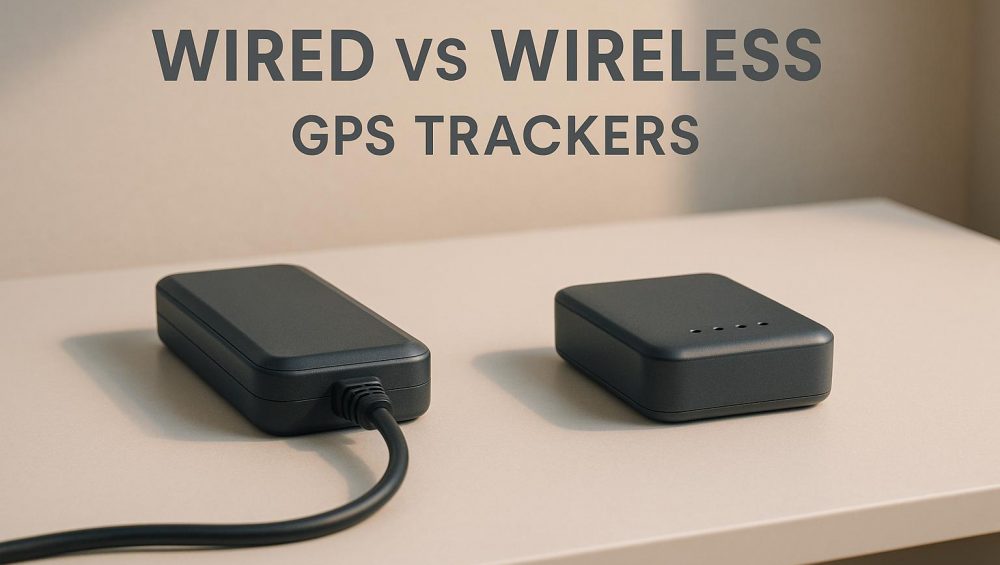
Setting up modern GPS trackers is a breeze. Thanks to their wireless designs, there’s no need for complicated wiring, drilling, or special tools. You can install a tracker on nearly any asset in just seconds.

This simplicity also reduces the risk of installation mistakes. Improper setup is a common issue, with up to 30% of GPS devices underperforming or failing because of it. Take OBD-II plug-in trackers, for instance – they can be installed in under a minute by sliding them into a vehicle’s diagnostic port. Similarly, magnetic trackers attach instantly to surfaces like bumpers, wheel wells, or trailer frames.

Piritiz tracking devices are versatile, working with both powered and non-powered assets. This flexibility allows quick reallocation between vehicles, trailers, shipping containers, construction equipment, or even toolboxes.

"Everything is very simple and easy to use and now I don’t have to worry where is my equipment" – Brian, Fleet Manager

The ease of installation doesn’t just save time – it cuts costs, too. By avoiding professional installation fees, businesses can deploy trackers across multiple assets quickly and affordably. If you’re managing a fleet or overseeing rental equipment, this means you can roll out tracking across dozens of vehicles or tools in no time. Portable trackers are especially handy for rental companies and contractors, as they can be easily reassigned to temporary assets.

Compact designs add even more appeal. Many wireless trackers are as small as a key fob or about 2.25 inches in diameter, making them easy to conceal and harder for thieves to spot. Whether you’re securing a construction site – where theft averages $6,000 per incident – or managing a fleet of trailers, these discreet, portable trackers enhance efficiency while keeping your assets safe.

5. Instant Movement and Tamper Alerts

Getting notified the moment an asset moves without permission can make all the difference. With instant alerts sent via SMS, email, or push notifications, you have a chance to act quickly when something’s wrong. Motion sensors play a key role here, detecting unauthorized movement of vehicles, trailers, or equipment – especially during off-business hours, when theft is more likely to occur.

But it’s not just about movement. Protecting against tampering is just as important. Tamper alerts add another layer of security by notifying you if a tracker is removed, disconnected, or interfered with. This is crucial because thieves often try to disable tracking devices before making off with an asset. In fact, GPS tracking has been shown to reduce theft losses by 70-80% and increase recovery rates to over 93%.

"Last week we couldn’t find our trailer, we thought it was stolen. Using tracker we found out that it was just towed." – James, Customer

Considering that theft on construction sites averages $6,000 per incident, having timely alerts isn’t just helpful – it’s essential.

To stay ahead, configure after-hours alerts to notify managers if equipment moves outside normal working hours. Setting a wake-on-motion threshold – around 3 seconds – helps capture the asset’s initial location immediately. Piritiz tracking devices ensure you’re always in the loop, sending passive notifications for both movement and tampering, so you can act fast and keep your assets secure.

6. Geofencing Capabilities

Geofencing is a game-changer for managing fleets and multi-asset operations, offering automated oversight and an added layer of security. At its core, geofencing creates a virtual boundary around a specific geographic area using GPS technology. When an asset crosses this boundary, the system can instantly trigger alerts or log the event. This is all handled seamlessly through GPS data and management software, making it easier to monitor entry and exit points.

This feature doesn’t just boost security – it also makes operations more efficient.

"Geofencing is a location-based service that uses GPS to create a virtual boundary around a real-world geographic area… When a fleet vehicle enters or exits this boundary, the system automatically records the time and sends an alert to the manager." – Alfredo Montalvo, Spytec

On average, automated logging saves managers about 30 minutes per shift, while geofencing reduces theft detection time and incidents by up to 30%. For added security, after-hours geofences around job sites can send instant alerts in case of breaches, cutting detection times from hours to just seconds.

To fine-tune geofencing, consider using polygon-shaped boundaries to match property lines accurately and avoid unnecessary alerts. Dwell timers are another useful tool – they ensure an asset must remain in or out of a zone for at least two minutes before triggering an alert, helping to filter out false alarms from GPS drift or quick drive-bys. Color-coded zones on the dashboard – like red for restricted areas and green for customer sites – make it easy for dispatchers to assess the status of operations at a glance.

Geofencing delivers precise control, typically achieving accuracy within 10–30 feet. With Piritiz tracking devices, you can integrate this feature to monitor operations, prevent unauthorized use, and automate workflows – removing the need for constant manual oversight.

7. Mobile App Integration

Keep tabs on all your assets effortlessly with the Piritiz mobile app, available on both the Apple App Store and Google Play. Whether you’re tracking cars, trailers, RVs, or heavy equipment, the app brings passive monitoring right to your pocket.

At the heart of the app is live map tracking, which makes mobile monitoring incredibly efficient. An integrated map shows the exact location of your assets in passive, helping you quickly dispatch the nearest equipment when needed. To make things even clearer, you can assign custom names like "Trailer 5" for easy identification.

The app also sends push notifications to keep you in the loop. If an asset moves without permission, is tampered with, or crosses a geofence, you’ll get an immediate alert. And this speed can make a huge difference: one construction company managed to recover $125,000 worth of stolen equipment in just three hours, thanks to these automated alerts.

Beyond alerts, the app boosts overall efficiency. For example, Shoring Engineers saved between $50,000 and $120,000 by improving equipment visibility and management using GPS tracking. Similarly, Boudreau Pipeline cut monthly costs by $15,000 to $19,000 by leveraging utilization and idle reports. The app’s historical playback feature also lets you review routes and stops directly on your phone, making audits, billing checks, and driver accountability much easier.

"Everything is very simple and easy to use and now I don’t have to worry where is my equipment" – Brian, Fleet Manager

The app supports adjustable refresh rates (from 15 to 60 seconds), so you can balance location updates with battery conservation. Plus, you can set up geofences around job sites, enable notifications for unauthorized movement, and even monitor battery life. With Piritiz devices lasting up to five years, you can count on dependable, long-term tracking.

8. No-Contract Flexible Pricing Plans

Long-term contracts can be a burden, especially when you’re paying for assets that aren’t being used. No-contract pricing plans offer a solution by letting you adjust your tracking needs without penalties, avoiding cancellation fees and activation charges altogether.

These plans are particularly useful for businesses with seasonal operations. For instance, construction equipment that sits idle during the winter or rental trailers only needed during peak seasons can be managed on a month-to-month basis. As GPS Insight points out, "For fleets with seasonal assets, flexible contracts can significantly reduce costs."

The difference in cost between traditional and no-contract plans is striking. Over three years, traditional subscriptions can run between $640 and $1,840, while no-contract plans typically cost only $100–$200. This flexibility means real savings for businesses with fluctuating asset needs. Plus, there are no activation fees, no cancellation penalties, and no unexpected charges to worry about.

"Was searching a lot across network, this price is the most affordable."
– Jennifer, Business Owner

These savings highlight the importance of looking at total ownership costs, not just the monthly rate. A low monthly fee might seem appealing but can quickly escalate with early termination charges, minimum device requirements, or hidden fees. With 72% of vehicle owners steering clear of long-term commitments, transparent no-contract plans provide a cost-effective way to manage dynamic asset needs.

9. Fleet Management and Reporting Tools

Managing multiple assets efficiently requires tools that can turn GPS data into practical insights. Fleet management systems do just that, helping businesses identify inefficiencies, avoid breakdowns, and make better decisions about equipment deployment. These tools not only enhance asset security but also improve overall operations.

With passive visibility on a single map, dispatching becomes faster, reducing response times significantly. Predictive maintenance features track engine hours, mileage, and diagnostic trouble codes, alerting you to potential issues before they escalate. Studies show that automated maintenance scheduling can extend vehicle life by 20%–30% and cut unexpected breakdown costs by up to 40%.

Another key feature is driver behavior monitoring. By using accelerometer data, these systems track harsh braking, rapid acceleration, and speeding. Driver scorecards generated from this data have been shown to lower accident rates by 20%–30%. Additionally, route optimization tools analyze traffic patterns and historical data to reduce drive times by 15%–25%, which translates into less fuel consumption.

As Mitch Belsley from GPX Intelligence explains:

"Commercial GPS tracking isn’t really about a dot on a map anymore. The real win comes when your GPS tracking system helps you prevent loss, cut downtime, and spot inefficiencies early." – Mitch Belsley, Contributor, GPX Intelligence

For seamless operations, platforms with open APIs allow GPS data to integrate directly into ERP or Transportation Management Systems. This ensures a smooth flow of information into accounting, payroll, and dispatch systems. Piritiz Tracking Devices, for instance, support these features via a mobile app, enabling continuous, passive asset tracking.

To maximize efficiency, adjust reporting frequency based on asset type. Active vehicles may require updates every 30–60 seconds, while stored assets can use less frequent pings. These tools also help identify underused equipment, simplify compliance reporting, and reduce fuel consumption by up to 15%.

10. movement-triggered location updates Access

With movement-triggered location updates, you can monitor your assets anytime, anywhere. This constant visibility takes the guesswork out of managing trailers, vehicles, and equipment spread across multiple sites or regions. It not only simplifies daily operations but also adds an extra layer of security.

When it comes to theft recovery, continuous tracking makes a huge difference. Stolen assets equipped with active tracking have a recovery rate of over 93%, compared to just 11% for those without tracking. Considering that equipment theft costs U.S. businesses between $300 million and $1 billion annually, this kind of tracking is a game-changer.

But security is just one piece of the puzzle. 24/7 access also improves operational efficiency. Dispatchers can quickly locate the nearest available equipment or trailer, reducing response times and improving customer service. Fleet managers can monitor asset usage, ensuring they’re only used for authorized purposes, and track idle time to optimize efficiency.

Most modern systems provide this level of access through cloud-based platforms, complete with desktop and mobile apps for both iOS and Android. For instance, Piritiz Tracking Devices offer round-the-clock access via their mobile app, with subscription plans ranging from $7 to $9.95 per month (depending on the prepay term) and devices priced at $19.95. Reliable systems typically maintain 99.9% server uptime, ensuring you can always access your data when you need it.

You can take tracking a step further by setting up after-hours alerts. Geofencing boundaries and motion alerts can notify you of unauthorized movement during nights or weekends, helping to catch theft or misuse early. For battery-powered trackers, wake-on-motion settings ensure updates are only sent when the asset is in motion, making it a perfect complement to 24/7 monitoring.

Conclusion

Finding the right multi-asset GPS tracker means prioritizing functionality, durability, and ease of use. passive location monitoring and instant alerts are essential for preventing theft and improving efficiency. But even the most advanced features won’t help if the device can’t handle harsh conditions or demands constant upkeep. As Ryan Horban, GPS Tracking Expert, explains:

"Protecting your assets isn’t about features, it’s about results."

Durability is often underestimated. Trackers that fail in extreme temperatures or under high-pressure cleaning can quickly lose their value. To avoid this, choose devices with at least an IP67 rating and a battery life of up to 5 years. These features lower maintenance needs and ensure reliability.

Ease of use is just as critical. Devices that require frequent recharging, complicated setups, or constant troubleshooting can waste both time and money. Look for options with wireless, magnetic, or plug-and-play installation to simplify setup. Features like motion-activated reporting and deep sleep modes also help reduce ongoing oversight, creating a more efficient tracking solution.

Piritiz Tracking Devices check all these boxes. At $19.95 per device, with subscription plans ranging from $7 to $9.95 per month (depending on the prepay term), they offer up to 5 years of battery life, waterproof construction, wireless installation, and 24/7 mobile app access. These trackers are versatile, designed to protect a variety of asset types. As one fleet manager shared:

"Everything is very simple and easy to use and now I don’t have to worry where is my equipment."

For the best results, align your tracker with your asset’s power source – hardwired solutions work well for vehicles, while long-life lithium batteries are ideal for trailers. And make sure the device is tough enough to handle your specific environment. Choosing the right GPS tracker turns asset monitoring into a seamless, dependable tool that safeguards your investment and streamlines your operations.

FAQs

How can multi-asset GPS trackers help prevent theft and recover stolen assets?

Multi-asset GPS trackers are a game-changer when it comes to theft prevention. They provide last recorded location updates and instantly alert you if your assets move beyond set boundaries. This quick notification system gives you the chance to respond immediately and stop any unauthorized activity.

If theft does occur, these trackers deliver accurate GPS coordinates, which can be shared with law enforcement to speed up the recovery process. With tools like geofencing, round-the-clock monitoring, and dependable tracking, these devices safeguard your important assets, giving you extra security and confidence.

What should I look for in a GPS tracker for tough environments?

When selecting a GPS tracker for tough environments, focus on durability, dependable communication, and extended battery life. Choose devices built to endure harsh conditions, such as those with waterproof and dustproof housings rated IP67 or higher. These features help the tracker withstand challenges like extreme temperatures, moisture, and constant vibrations.

In remote areas with poor cellular coverage, go for trackers equipped with satellite communication to maintain consistent tracking. A long-lasting battery or a low-power mode is also crucial for assets that are hard to access regularly. Additional features like passive location monitoring, tamper detection, and environmental sensors can boost both security and functionality. Prioritizing these elements ensures your tracker performs reliably, even in the most demanding situations.

What is geofencing, and how does it help protect and manage assets?

Geofencing uses GPS technology to set up virtual boundaries around specific locations – think job sites, storage areas, or operational zones. When a GPS-enabled asset crosses these boundaries, the system sends instant alerts, keeping you updated in passive.

This tool boosts security by immediately flagging any unauthorized movements, which can help deter theft or misuse. It’s also a game-changer for efficiency, ensuring vehicles or equipment stick to assigned routes and stay within approved zones. With geofencing, you can keep a closer eye on your assets while making fleet management smoother and more organized.

Related Blog Posts

Ultimate Guide to Long-Life GPS BatteriesCategoriesUncategorized

Ultimate Guide to Long-Life GPS Batteries

Looking for GPS trackers that last longer without constant maintenance? Here’s what you need to know:

  • Battery life depends on usage: Frequent updates (every 30 seconds) drain batteries faster, while daily updates can extend life significantly.
  • Choose the right battery type:
    • Lithium-ion (Li-ion): Rechargeable, lasts 2–3 years, ideal for frequent updates.
    • Lithium Thionyl Chloride (Li-SOCl₂): Non-rechargeable, lasts 5–7 years, perfect for low-maintenance tracking.
  • Environmental factors matter: Extreme temperatures and poor signal areas can reduce battery performance.
  • Smart features save power: Motion-activated tracking, deep sleep modes, and low-power networks can extend battery life.

For businesses managing vehicles, best GPS trackers for trailers, or equipment, long-lasting GPS batteries reduce downtime and costs. Whether you need frequent updates or long-term tracking, picking the right battery ensures reliable performance.

Battery Types for GPS Devices

Lithium-Ion vs Lithium Thionyl Chloride GPS Battery Comparison

Lithium-Ion vs Lithium Thionyl Chloride GPS Battery Comparison

The type of battery in a GPS tracker plays a big role in how it performs, how often it needs maintenance, and how well it handles tough weather conditions. The battery chemistry affects how often the device can update, how it holds up in extreme environments, and how long it will last overall.

In the world of long-life GPS trackers, two main battery options stand out: lithium-ion (Li-ion) and lithium thionyl chloride (Li-SOCl₂). If you need frequent updates, go with Li-ion. For long-term, low-maintenance tracking, Li-SOCl₂ is the better choice.

Lithium-Ion Batteries

Lithium-ion batteries are the go-to choice for most rechargeable GPS trackers. They provide a nominal voltage of 3.7V and pack a lot of energy into a small size, making them perfect for vehicle trackers that require updates every few minutes.

These batteries typically last for 300–500 charge cycles, which translates to about 2–3 years of use. They’re rechargeable and lose only 1–2% of their charge per month when idle, ensuring maximum uptime.

However, Li-ion batteries have a downside: they don’t handle extreme temperatures well. In cold weather, their efficiency can drop by up to 20%, and high heat speeds up their wear and tear. They work best in vehicles that have regular access to charging or are hardwired to draw power directly from the vehicle’s battery.

Lithium Thionyl Chloride (Li-SOCl₂) Batteries

For a low-maintenance option, lithium thionyl chloride batteries are hard to beat. These non-rechargeable batteries provide a nominal voltage of 3.6V and offer the highest energy density available for GPS tracking.

With a self-discharge rate of less than 1% per year, they can remain dormant for years without losing significant power. While standard batteries last weeks or months, Li-SOCl₂ batteries can keep a tracker running for 5–7 years when used for interval reporting (e.g., one update per day).

What’s more, these batteries excel in extreme temperatures. They perform reliably in freezing cold or scorching heat, making them ideal for remote or outdoor assets that don’t have access to frequent maintenance.

Battery Type Comparison

Here’s a quick comparison to help you decide which battery suits your needs:

FeatureLithium-Ion (Li-ion)Lithium Thionyl Chloride (Li-SOCl₂)
TypeRechargeable (Secondary)Non-rechargeable (Primary)
Nominal Voltage3.7V3.6V
Self-Discharge1–2% per month<1% per year
Operating Life300–500 cycles5–7 years
Best Use CaseFrequent/Active trackingLong-term/Passive asset tracking
Temperature RangeSensitive to extremesExcellent (wide range)
MaintenanceRequires regular rechargingMaintenance-free until depletion

To sum it up, pick lithium-ion batteries for trackers that need constant updates – every 30 seconds to 5 minutes. For assets that only need to report their location once or twice a day, lithium thionyl chloride batteries are the better choice.

Next, we’ll dive into the factors that influence GPS tracker battery life.

What Affects GPS Tracker Battery Life

Several key factors influence the battery life of a GPS tracker: how the device consumes power, the surrounding environment, and the technologies used to manage energy efficiently.

Device Power Consumption

How often your GPS tracker updates its location plays a huge role in battery life. For instance, passive location monitoring can drain a battery up to 100 times faster than hourly updates. Think of it this way: a 30-second update interval means the device works 120 times per hour, compared to just once for hourly updates. The GPS module and cellular modem are the biggest energy users, especially during a "cold start", when the device connects to satellites for the first time. A "hot start", which uses stored satellite data, is much more efficient.

Modern networks like LTE-M and NB-IoT also help conserve energy compared to older 4G or 2G networks. These newer technologies are designed to use less power, making them a smart choice for extending battery life.

"It’s not just about battery size; it’s about how efficiently that battery’s power is used to keep your vehicle secure."

Environmental Conditions

The environment can seriously affect a GPS tracker’s battery. For example, cold weather can reduce lithium battery capacity by about 20% at 32°F (0°C). On the flip side, extreme heat speeds up chemical degradation inside the battery, shortening its lifespan.

Poor signal areas are another culprit. When the device struggles to maintain a connection, the cellular modem ramps up its transmission power, draining the battery faster. Urban areas with lots of tall buildings – often called "urban canyons" – make the GPS work harder to locate satellites, further increasing power consumption.

Power Management Technologies

Modern GPS trackers are designed to save energy with smarter power management. For instance, motion-activated tracking uses low-power accelerometers to detect movement. The device stays in a low-power sleep mode until motion is detected, at which point it wakes up and starts reporting more frequently.

Deep sleep modes are even more efficient, reducing power consumption to just a few microamperes. Adjusting how often the device reports its location can also make a big difference. Switching from 1-minute updates to 10-minute updates can stretch battery life from a few days to several weeks. Turning off features you don’t need – like LED indicator lights, vibration alerts, or unused Bluetooth and Wi-Fi connections – can also help conserve energy.

"The best long-life GPS trackers in 2026 aren’t just bigger batteries – they’re smarter about power (motion-based reporting, deep sleep modes, low-power networks, and proactive low-battery alerts)."

  • Mitch Belsley, Contributor, GPX

Devices like Piritiz Tracking Devices incorporate these advanced power-saving technologies, ensuring reliable performance even in tough conditions.

Choosing the Right Battery for Your Needs

To get the most out of your tracker, you need a battery that matches its usage. By aligning battery capacity and chemistry with how your tracker operates, you ensure it performs reliably and efficiently.

Matching Battery Capacity to Your Application

Battery capacity, measured in milliamp-hours (mAh), indicates how much energy a battery can store. The frequency of updates plays a big role in how quickly the battery drains.

For passive fleet tracking, where updates occur every 1–5 minutes, a rechargeable tracker with at least 10,000 mAh is ideal. With frequent updates, this type of battery can last up to two months. In battery-saver mode, it may last as long as 12 months.

For equipment tracking or trailer security, where assets are usually stationary and only need daily updates, Lithium Thionyl Chloride (Li-SOCl₂) batteries are a great fit. These high-capacity, non-rechargeable batteries can power unpowered assets like construction equipment for up to five years on a single charge. In these situations, professional-grade tracking solutions often require a battery capacity of 10,000 mAh or more to sustain months of operation.

"A manufacturer’s battery claim is a starting point, not a guarantee. Your actual usage – how often it reports, the signal environment, and how much it moves – will ultimately determine its real-world performance."

  • CarLock

Keep in mind that poor reception, like in underground parking or dense urban areas, forces the cellular modem to work harder to maintain a connection. This can drain the battery faster.

Next, consider how the initial cost of the battery compares to its long-term value.

Long-Term Cost vs. Initial Investment

While cheaper batteries might seem appealing upfront, their shorter lifespan can lead to higher costs over time. This is especially true in fleet operations, where frequent replacements add up quickly. On the other hand, non-rechargeable Li-SOCl₂ batteries, though more expensive initially, provide extended operation and reduce the hassle of frequent replacements.

Beyond cost, a battery’s safety and durability features can also impact its long-term value.

Safety and Durability Features

Safety is non-negotiable when it comes to batteries. Look for certifications like IEC62133, which protect against overcharging, short circuits, and fire risks. Additional certifications such as CE, RoHS, and ISO9001 add another layer of assurance.

Batteries with built-in protection circuitry help guard against overcharge, over-discharge, and short circuits. For outdoor or industrial applications, durability is equally important. High-quality GPS batteries are designed to operate in extreme temperatures, from –4°F to 140°F (–20°C to 60°C). Features like IP67 weatherproof ratings protect batteries from dust and water immersion, while rigid casings, such as those found in 18650 cells, offer better resistance to vibration and impact compared to flexible pouches.

For example, Piritiz Tracking Devices include these safety and durability features. Their waterproof designs and long-lasting batteries – up to five years – make them a reliable choice for managing trailers, equipment, and fleet vehicles in tough environments.

Maintaining and Extending GPS Battery Life

Once you’ve picked the right battery, taking care of it properly can make a world of difference. With the right approach, you can add months – or even years – to your GPS tracker’s lifespan.

Proper Storage Practices

When storing spare batteries or taking a tracker offline, temperature and charge level are crucial. Lithium-ion batteries should be stored at 40% to 50% charge, not fully charged or completely drained. Why? A battery kept at 100% charge at 77°F (25°C) loses about 20% of its capacity after a year. But if stored at 40% charge, that loss drops to just 4%.

The sweet spot for storage temperature is 59°F (15°C), though anything between 32°F and 95°F (0°C to 35°C) is acceptable. Aim for 50% humidity, and always remove the battery from the device if you’re storing it long-term to avoid parasitic drain. Also, never let lithium batteries fall below 2V per cell – this can cause permanent damage.

Routine inspections are another must. They help you catch small issues before they snowball into bigger problems.

Regular Maintenance and Inspections

Keeping your battery in good shape is essential to getting the most out of your GPS tracker. Regular checks can help you spot problems early. While most GPS tracker batteries last 3 to 5 years, you should replace them when their capacity drops below 80% of the original rating. Warning signs like swelling, overheating, or sudden shutdowns are red flags that shouldn’t be ignored.

Also, clean the charging contacts often. Dust and debris can interfere with power transfer. Enable low-battery alerts in your tracking app and set notifications for when the battery hits 15% – this ensures you’re never caught off guard. For rechargeable batteries, keeping the charge between 20% and 80% helps maintain their health over the long term.

Software Updates and Optimization

Don’t underestimate the power of software updates. Firmware updates often include fixes for bugs that drain batteries unnecessarily. After updating, double-check your settings to ensure nothing is causing extra battery drain.

Another major factor is the reporting interval. A tracker that sends updates every 30 seconds uses a lot more power – 120 cycles per hour – compared to one that sends updates hourly. For stationary equipment, you can use motion-activated tracking. This feature keeps the device in a low-power sleep mode (drawing only microamperes) until movement triggers it. You can also save power by disabling secondary satellite systems like GLONASS and sticking with GPS-only.

With tools like the Piritiz Tracking Devices app, adjusting reporting intervals and enabling low-battery notifications is simple. These features help you get the most out of their batteries, which can last up to five years. Learn more at Piritiz Tracking Devices.

Conclusion

Selecting the right battery for your GPS tracker boils down to aligning the battery’s chemistry with your specific needs. For long-term asset tracking, Lithium Thionyl Chloride (Li‑SOCl₂) batteries are ideal, offering months or even years of maintenance-free operation. On the other hand, rechargeable lithium-ion batteries work best for devices that are used frequently and can be recharged regularly. However, even the most advanced battery requires effective power management to perform at its best.

Battery life hinges on smart usage. Adjusting reporting intervals and using features like motion-activated tracking can dramatically extend battery performance.

For businesses managing fleets, trailers, or equipment, long-lasting batteries are more than just a convenience – they’re a cost-saving necessity. They reduce downtime for recharging, lower the risk of devices losing power during critical moments, and help control the total cost of ownership. A powerless tracker during a theft is as good as useless, no matter how precise it was beforehand. Piritiz Tracking Devices, for example, offer up to five years of battery life, feature a waterproof and wireless design, and come with a mobile app for easy monitoring. You can explore more at Piritiz Tracking Devices.

With the right battery choice, optimized settings, and consistent maintenance, your tracking system becomes a dependable tool. As highlighted earlier, proper care further enhances battery longevity, ensuring your assets stay monitored when it matters most.

FAQs

How do environmental factors influence GPS battery life?

The environment can have a big impact on how long your GPS device’s battery lasts. Extreme temperatures – whether it’s freezing cold or scorching hot – can take a toll on battery performance. In cold weather, the chemical reactions inside the battery slow down, which causes it to drain faster. On the flip side, excessive heat can wear down the battery over time, reducing both its capacity and overall lifespan.

Humidity and moisture are also factors to watch out for. If your device isn’t waterproof or properly sealed, exposure to high humidity or water can lead to corrosion or internal damage, which can significantly shorten the battery’s life.

To keep your GPS device running smoothly and reliably, it’s essential to think about these environmental factors, especially if you’re using it outdoors or for extended periods.

What’s the difference between Li-ion and Li-SOCl₂ batteries for GPS devices?

Li-ion batteries are rechargeable, lightweight, and pack a lot of energy into a compact size. This makes them a solid choice for GPS devices that are used often and need frequent recharging. They’re commonly found in gadgets where portability and regular charging are essential.

Li-SOCl₂ batteries, however, are non-rechargeable but deliver even higher energy density. They also perform exceptionally well in extreme temperatures. These batteries are perfect for long-term applications, like GPS trackers designed to run for years without needing a battery change.

What are the best ways to extend the battery life of my GPS tracker?

To get the most out of your GPS tracker’s battery, start by using power-saving modes or standby features if they’re available. These settings help conserve energy by scaling back non-essential functions while keeping the core tracking operational.

You can also save battery by tweaking the signal update frequency. For instance, setting location updates to every 15 minutes instead of every minute can go a long way in preserving power.

Don’t overlook regular upkeep, either. Keep the device clean and free from dirt, and ensure it’s used in proper conditions. Opting for a tracker with a high-capacity battery – like lithium-ion or lithium-polymer – can also boost its longevity.

Using these tips, you’ll cut down on the need for frequent recharges or replacements, keeping your tracker running longer when you need it most.

Related Blog Posts

Top Features to Look for in No-Contract GPS DevicesCategoriesUncategorized

Top Features to Look for in No-Contract GPS Devices

No-contract GPS devices provide flexibility with month-to-month or prepaid plans, making them ideal for businesses and individuals who want to track assets without long-term commitments or hidden fees. Here’s what to prioritize when choosing one:

  • passive location monitoring: Look for devices that connect to multiple satellite systems (e.g., GPS, GLONASS) for accurate location updates. Update intervals range from 1 second to 60 seconds, balancing precision and battery life.
  • Battery Life: Opt for trackers with extended battery life – some last up to 5 years on a single charge. Features like motion-activated tracking and power-saving modes help conserve energy.
  • Durability: Weatherproof designs (IP67 or higher) and rugged materials ensure reliability in harsh conditions. Tamper-proof mounting adds extra security.
  • Mobile App Integration: A good app provides passive location monitoring, geofence alerts, route history, and customizable notifications for better asset management.
  • Global Coverage: Devices with multi-carrier SIMs or satellite capabilities ensure connectivity, even in remote areas.
  • Easy Installation: Plug-and-play or wireless options make setup quick and simple.
  • Transparent Pricing: No-contract plans range from $7–$25/month, with prepaid discounts available.

These features help protect assets, reduce theft risk, and streamline fleet management. For instance, construction site theft averages $6,000 per incident, making reliable GPS tracking a smart investment.

No-Contract GPS Device Features Comparison Guide

No-Contract GPS Device Features Comparison Guide

A GPS tracker for almost everything with no long-term contract required. The best GPS tracker on the market.

passive location monitoring

passive location monitoring gives you immediate location updates, making it a powerful tool for recovering stolen assets and boosting security. What separates a decent tracker from an excellent one is how often it updates and how accurate its data is. Devices that connect to multiple satellite systems – like GPS, GLONASS, Galileo, and Beidou – offer greater precision and fewer blind spots. Standard GPS accuracy is within about 23 feet 95% of the time, but using multiple satellite networks can narrow that margin even further. Another factor to consider is how often your tracker updates its location, as this affects both accuracy and battery life.

Location Update Frequency

How often a tracker refreshes its location is key to keeping tabs on your assets. Most devices update anywhere from every second to every 60 seconds, and the interval you choose can significantly impact battery life. Shorter intervals provide more precise tracking but drain the battery faster. For theft recovery, updates set between 15 and 60 seconds create a clear breadcrumb trail. On the other hand, if you’re monitoring long-term asset storage, switching to a daily update or using motion-only mode can extend battery life to months or even years. Many trackers feature built-in accelerometers that wake the device only when movement is detected, helping conserve power without compromising security. Striking the right balance between update frequency and battery performance is essential, especially with no-contract GPS devices.

Mobile App Integration

A good mobile app transforms raw tracking data into actionable insights. The best apps send instant alerts for geofence breaches, unauthorized movement, and more, while also offering tools like historical route playback for in-depth analysis. Geofencing lets you set up virtual boundaries – whether circular or polygonal – around specific areas like job sites or parking lots. If an asset crosses one of these boundaries, you’ll get an alert via SMS, email, or push notification. Additionally, these apps often include time-stamped location history, which is useful for audits, incident investigations, or verifying completed services. Some apps even store up to 12 months of location data, which can help with compliance or payroll verification.

Piritiz Tracking Devices come with a mobile app offering live map tracking, instant movement alerts, and tools for managing fleets. You can access all of these features 24/7 from your smartphone. Plans start at $7/month with a 2-year prepay option, offering flexibility with no contracts or hidden fees.

Global Coverage and Alerts

For assets that move across state lines or internationally, global coverage is a must. Trackers with multi-carrier SIMs can switch between different cellular networks, ensuring connectivity across the country. In remote or off-grid areas, satellite-capable devices step in to provide tracking where cellular signals can’t reach. Instant alerts are your first line of defense against theft. Many trackers also include features like "Follow Mode" or a "Re-Sync" button, which triggers an immediate location update if suspicious movement is detected.

Battery Life

Battery life is a key factor for any tracker – after all, what good is a device if it dies when you need it most? Keeping your tracker powered is just as important as receiving accurate location updates. For assets like trailers, construction equipment, or shipping containers that might remain idle for extended periods, a long-lasting battery isn’t just convenient – it’s absolutely necessary. Here’s what you need to know to ensure your tracker stays operational for the long haul.

Extended Battery Duration

Top-tier no-contract GPS trackers can operate for months – or even years – on a single charge. For professional-grade tracking, devices typically require around 10,000 mAh to sustain extended use. Some models equipped with Lithium-Thionyl Chloride (Li-SOCl₂) batteries can last up to 5 years when configured for daily updates. This makes them perfect for remote assets that don’t require frequent monitoring, saving you from the hassle and expense of constant battery replacements or service visits.

For example, Piritiz Tracking Devices offer up to 5 years of battery life. They’re ideal for trailers, heavy equipment, and vehicles that don’t need constant tracking. Plus, with plans starting at just $7/month (on a 2-year prepay), you get reliable, long-term tracking without the usual maintenance headaches.

Low-Battery Alerts

Even the most durable batteries will eventually run out. That’s why low-battery notifications – sent via SMS, email, or push alerts – are indispensable. These alerts ensure you can recharge or replace your tracker before it powers down, preventing any gaps in tracking. This feature is especially important when monitoring high-value assets where uninterrupted data is critical for theft recovery.

Power-Saving Modes

Energy efficiency is just as important as battery capacity. Many trackers feature power-saving modes, such as deep sleep functions, which turn off non-essential components like the GPS receiver and cellular modem when the asset isn’t moving. This reduces consumption to mere microamps (µA). Motion-activated tracking, enabled by built-in accelerometers, wakes the device only when movement is detected, ensuring minimal battery drain while still providing timely alerts in case of theft.

Adjusting the reporting frequency is another way to conserve energy. For instance, switching from updates every few seconds to once per hour – or even once per day – can significantly extend battery life. However, keep in mind that increasing the ping frequency can cut battery life in half. Balancing these settings helps maximize both performance and longevity.

Weatherproof and Durable Design

A GPS tracker needs to work reliably no matter the weather. Whether it’s monitoring construction equipment, outdoor trailers used year-round, or vehicles that undergo frequent washing, durability is non-negotiable. Just like precise tracking and long-lasting batteries, a sturdy design ensures the tracker stays functional when it matters most.

"A vital component of a good GPS tracker is its ability to function under any conditions. Rain can disable non-weatherproof devices".

Waterproof Features

IP ratings are the standard for measuring a device’s resistance to water and dust. For example, an IP67 rating means the tracker is completely dust-tight and can handle being submerged in up to one meter of water for 30 minutes. This level of protection is enough for rain, splashes, or short-term water exposure. However, for harsher conditions like high-pressure washing or marine environments, you’ll want a device with IP68 or even IP69K ratings, which provide superior protection. Piritiz Tracking Devices are designed with built-in waterproof capabilities to handle such challenges.

Rugged Construction

When trackers are mounted on heavy machinery or used in environments with constant vibrations and impacts, durable materials are a must. Industrial-grade models are often built with high-impact plastics, marine-grade seals, or aluminum housings to withstand physical stress, vibrations, and even corrosion. These trackers are also engineered to function in extreme temperatures.

In one 2024 recovery operation, a GPS Insight customer recovered a $180,000 construction loader within 48 hours of theft using a rugged tracker.

When protecting high-value assets, this level of reliability is indispensable.

Tamper-Proof Mounting

Durability alone isn’t enough – secure mounting is just as critical to prevent tampering or removal. A tracker that’s easy to spot and remove provides minimal protection. Features like sealed enclosures with no external buttons, strong built-in magnets for metal surfaces, and screw-hole mounting options for permanent attachment help deter theft. Some advanced models even include light sensors that send instant alerts if someone tries to remove the device. For non-magnetic surfaces, adhesive or screw-mounted options are available.

In another 2024 case, a commercial fleet equipped with IP69K-rated lithium trackers recovered two stolen dry van trailers in under 24 hours by sharing last recorded location data with law enforcement.

These design elements, combined with passive location monitoring and efficient batteries, provide a comprehensive solution for protecting valuable assets.

Easy Installation

A GPS tracker shouldn’t be a hassle to install. For business owners juggling multiple vehicles or equipment, the ideal solution is one that gets up and running in minutes – not hours or days. Quick setup goes hand-in-hand with the convenience and dependability that define great tracking features.

Wireless and Tool-Free Setup

Plug-and-play OBD-II trackers are as simple as they sound. These devices plug directly into the diagnostic port located under the dashboard of any car sold in the U.S. since 1996. The entire process takes about 10 seconds – no tools or wiring required. Gannon Burgett, Testing Editor at Car and Driver, highlighted the ease of use:

"Activating the device took mere moments since it has a true plug-and-play setup".

For even greater flexibility, battery-powered trackers offer wireless installation. Using built-in magnets or adhesives, they can be attached to vehicles, trailers, or equipment in seconds. Todd Morris, Founder and CEO of BrickHouse Security, adds:

"If you’re comfortable with simple automotive electrical work, you should be able to install a hardwired GPS tracker yourself. If not, your local car stereo shop or mechanic can usually do the job in less than a half-hour".

Piritiz Tracking Devices are engineered for effortless, tool-free installation, ensuring you’re ready to monitor assets immediately without any interruptions.

Compact Design

Smaller trackers are not only easier to install but also easier to conceal. Their compact size allows them to fit in tight spaces – under seats, behind trim, or other discreet locations – without compromising signal quality. This makes them a great theft deterrent. Lightweight, battery-powered models weighing just over an ounce can be placed virtually anywhere while still maintaining a strong GPS connection. Just make sure the tracker has a clear view of the sky to ensure consistent satellite communication.

Quick Activation

Once installed, activation is a breeze. Most trackers can be set up via a mobile app or web portal in just a few minutes. Typically, you’ll need to register the device, input an activation code, and follow a few simple steps to calibrate the GPS and cellular connection. Once motion is detected, the tracker starts transmitting location data within 15 minutes.

Mobile App Features

The mobile app serves as a central hub, giving you round-the-clock access to asset locations through interactive maps. It also tracks key metrics like mileage, idle time, and battery levels. Paired with reliable tracking devices and durable batteries, the app creates a complete asset management system. As Uma Mahesh from Propel Apps points out:

"A mobile asset management solution is no more a luxury but mandatory to optimize your maintenance efficiency."

With its user-friendly interface, the app minimizes the number of clicks needed to access information, allowing your team to get up to speed quickly without extensive training. The Piritiz Tracking Devices integrate seamlessly with the app, offering a simple dashboard that provides immediate insights into vehicles, trailers, and equipment.

Customizable Alerts and Reports

The app doesn’t just track assets in passive – it also boosts functionality with customizable alerts. You can set notifications for crucial events like speeding, unauthorized movement during specific hours (e.g., between 10:00 PM and 6:00 AM), geofence violations, and low battery levels. Additionally, detailed reports provide insights into asset usage, driver hours, and route history.

passive alerts for poor driving habits or excessive idling can help cut fuel costs by 5% to 10%. Some advanced systems even include over 25 pre-built reports, enabling you to analyze everything from maintenance schedules to driver behavior.

Fleet Management Tools

The app’s fleet management features include passive mapping to monitor all vehicles simultaneously, two-way messaging, and geofencing alerts that notify you when an asset crosses predefined boundaries. Automated reminders based on mileage, engine hours, or calendar intervals, along with PTO (Power Take-Off) monitoring, further streamline operations.

In 2023, the global Mobile Asset Management Software market was valued at $2.3 billion and is expected to grow to $7.4 billion by 2033, with an annual growth rate of 12.5%.

No-Contract Pricing

When it comes to GPS devices, flexibility in pricing can make a big difference. No-contract options free you from being tied to long-term commitments of 12 to 36 months. This is especially helpful if your tracking needs change often – whether you’re managing seasonal equipment, growing your fleet, or moving away from a service that no longer works for you.

Over a three-year period, subscription-based systems can cost anywhere from $390 to $1,150, while no-contract options range from $50 to $300. In fact, 72% of vehicle owners opt for one-time purchase trackers to avoid the hassle of recurring subscriptions. According to the 2025 GPS Industry Analyst Report:

"The shift toward no-monthly-fee GPS tracking reflects a growing consumer preference for predictable, one-time costs over recurring subscriptions, even if it means some feature compromises."

This pricing model gives you the freedom to adapt to your changing tracking needs.

Monthly Plans

Month-to-month plans offer major flexibility, allowing you to cancel or adjust your service without penalties. Unlike traditional contracts, you won’t face early termination fees or unexpected costs if you need to scale down. This is a great option for seasonal businesses. For example, you might only need to track construction equipment during the summer or boats during boating season, and you can pause the service during the off-season.

One example is Piritiz’s Month to Month plan, which costs $9.95 per month. Across the industry, entry-level plans typically range from $15 to $20 per vehicle, while more advanced plans with added reporting features cost between $25 and $45.

Prepaid Plan Discounts

Prepaid plans let you save money while still avoiding long-term contracts. Piritiz offers three prepaid options: a 6-month plan at $9 per month (10% savings), a 1-year plan at $8 per month (20% savings), and a 2-year plan at $7 per month (30% savings). These plans come with no contracts, no cancellation fees, and no hidden charges.

Some manufacturers also include the first year (or more) of service in the hardware’s purchase price, which works as a built-in prepaid discount. To make the best choice, calculate the total cost of ownership over your expected usage period instead of focusing solely on the monthly rate. This will help uncover any hidden expenses.

Clear Pricing

Transparent pricing means knowing exactly what you’ll pay upfront. This includes no activation fees, no roaming charges, and no surprise costs for basic features. Activation fees, for instance, can range from $0 to $50, though many providers waive them. Hardware prices also vary, from $39.95 for simple plug-and-play devices to $299 or more for rugged, hardwired units.

Be wary of additional fees. Some providers charge extra for faster location updates, while others add costs for optional features like ELD compliance ($10–$25 per month) or AI dashcams ($30–$60 per month). Even devices marketed as "no long-term contract" often include just a limited service period – usually 12 months – after which you’ll need to pay an annual renewal fee to continue tracking. Always confirm what’s included in the base price and what might cost extra before making a decision.

Security and Management Features

A GPS device isn’t just about tracking location – it’s also a powerful tool for safeguarding your assets. With advanced security features, these devices provide around-the-clock protection, turning them into a comprehensive security system.

Tamper Detection

Tamper detection ensures you’re immediately alerted if someone tampers with your device. Using internal light sensors, these devices can detect when their casing is opened or removed. Additionally, built-in 3-axis accelerometers pick up on unauthorized movements, vibrations, or tilting – even when the vehicle is off. Considering that thefts on construction sites average around $6,000 per incident, these alerts are a game-changer for protecting valuable equipment. Some devices even include panic or SOS buttons, which send emergency alerts along with location data to pre-set contacts. For added security, opt for trackers with covert mounting options like industrial-strength magnetic cases or "throw-and-go" designs that can be hidden in wheel wells or under the chassis.

Historical Trip Data

Historical trip data provides a detailed overview of how your assets are being used. Time-stamped stop records and route logs allow you to review travel patterns, identify frequently visited spots, and analyze trip durations. This data is especially helpful for spotting inefficiencies, such as overlapping assignments or unauthorized use during off-hours. Some devices can store up to two years of data, making them a valuable resource for audits and performance reviews. Additionally, these logs can highlight driving behaviors like speeding or hard braking, enabling you to score drivers and encourage safer, more fuel-efficient habits. To conserve battery life while retaining these records, many devices use motion-activated tracking that switches to "deep sleep" mode when no movement is detected.

Geofencing Tools

While historical data looks at past activity, geofencing focuses on passive security. This feature allows you to create virtual boundaries around specific locations. If an asset enters or leaves these boundaries, you’ll receive instant notifications. Geofencing is not only a security measure but also boosts operational efficiency. For fleets, it can automatically track when vehicles arrive at customer sites or leave facilities, cutting down on manual check-ins and improving accountability. You can also set up safe zones around your home, business, or job sites and receive alerts if equipment moves beyond these authorized areas.

Conclusion

No-contract GPS devices offer a practical blend of tracking capabilities, durability, and user-friendly design to safeguard your assets effectively. Selecting a tracker that aligns with your specific needs – whether it’s tracking precision, ruggedness, or extended battery life – can make all the difference.

Choosing the right device can redefine how you secure and manage valuable equipment, especially with proven results in theft recovery and fleet protection. But don’t overlook the essentials: easy installation and reliable network coverage are key factors to ensure seamless operation. Make sure the device you choose supports strong cellular connectivity in your area.

When construction site theft costs an average of $6,000 per incident, opting for a reliable GPS tracker becomes more than just a choice – it’s a necessity. For dependable solutions offering passive location monitoring, long-lasting batteries, and weather-resistant designs, visit Piritiz Tracking Devices. Protecting your assets has never been this straightforward.

FAQs

What are the advantages of choosing a no-contract GPS device instead of one with a subscription?

Choosing a no-contract GPS device is a smart way to sidestep recurring monthly fees while still enjoying dependable tracking. These devices offer passive location monitoring without tying you to long-term agreements, giving you more freedom to manage your budget.

They’re especially appealing for those who value simplicity and affordability while still having access to key features like mobile app support, extended battery life, and round-the-clock location tracking. Whether you’re keeping tabs on vehicles, equipment, or trailers, these devices let you avoid the hassle of ongoing payments while meeting your tracking needs.

How do motion-activated tracking and power-saving modes help extend battery life?

Motion-activated tracking and power-saving modes are built to stretch battery life by cutting down on energy use when it’s unnecessary. These features kick in by either slowing down location updates or pausing tracking altogether when the device notices minimal or no movement.

In practice, this helps the device save power during inactive times, making it perfect for extended use or situations where recharging often isn’t convenient.

Why does multi-satellite connectivity improve GPS accuracy?

Multi-satellite connectivity enhances GPS accuracy by enabling devices to tap into multiple satellite networks, including GPS (United States), GLONASS (Russia), and Galileo (European Union). By using signals from these diverse systems, devices can determine locations with greater precision and maintain dependable tracking, even in tricky areas like crowded cities or thick forests.

This capability is crucial for delivering consistent and precise location data, which plays a key role in applications such as vehicle tracking, theft prevention, and fleet management.

Related Blog Posts

No-Contract GPS vs. Subscription-Based TrackingCategoriesUncategorized

No-Contract GPS vs. Subscription-Based Tracking

Looking for GPS tracking for your vehicles or equipment? Here’s the deal: you’ve got two main options – no-contract GPS trackers and subscription-based tracking systems. The choice comes down to upfront costs, monthly fees, and your tracking needs. The Piritiz no contract GPS tracker is built around this exact model: device cost up front, month-to-month service, cancel anytime.

  • No-Contract GPS: Pay once upfront ($89–$300) for hardware and service (1–2 years). Afterward, renew at lower rates (e.g., $7/month for 2-year prepaid plans). These devices are great for long-term savings, theft recovery, or assets that don’t move often. Many businesses use these tracking devices to protect equipment from theft.
  • Subscription-Based Tracking: Lower hardware costs ($30–$150) but higher monthly fees ($15–$50/device). Ideal for businesses needing location updates every 3–10 seconds, advanced analytics, or fleet compliance tools.

Quick Comparison

FeatureNo-Contract GPSSubscription-Based Tracking
Cost$89–$300 upfront (no long-term contract required)$30–$150 upfront + $15–$50/month
UpdatesEvery 60 seconds or on-demandpassive (3–10 seconds)
Battery LifeUp to 5 yearsDays/weeks (hardwired options exist)
Best ForTheft recovery, idle equipmentActive fleets, compliance needs

Bottom Line: If you want low upfront costs and advanced features, go with a subscription. For simple, long-term tracking without recurring fees, no-contract GPS is the way to go.

No-Contract GPS vs Subscription-Based Tracking: Cost and Feature Comparison

No-Contract GPS vs Subscription-Based Tracking: Cost and Feature Comparison

Feature Comparison

Main Features

Both no-contract and subscription-based GPS systems provide core tracking capabilities, but they cater to different needs, particularly in how they handle updates. No-contract devices update location every 60 seconds or via network pings. On the other hand, subscription-based systems offer updates every 3–10 seconds, making them ideal for scenarios like active fleet management where near-passive visibility is essential.

Geofencing is another shared feature, allowing users to receive alerts via text or email when equipment or trailers cross predetermined boundaries. However, there are differences in battery life. No-contract devices, such as Piritiz Tracking Devices, can run for up to 5 years on a single charge. In contrast, subscription-based trackers often last only a few days or weeks due to the energy demands of frequent data transmission. Hardwired subscription trackers bypass this issue by drawing power directly from the vehicle.

Installation varies between the two systems. No-contract options are user-friendly, with magnetic mounts or plug-and-play designs that don’t require technical expertise. Subscription-based systems, especially those tailored for fleet compliance, typically involve professional installation and hardwiring. Both options, however, offer 24/7 access through mobile and web apps for remote monitoring.

"The shift toward no-monthly-fee GPS tracking reflects a growing consumer preference for predictable, one-time costs over recurring subscriptions, even if it means some feature compromises." – GPS Industry Analyst Report, 2025

Below is a table that highlights the key differences between these two types of GPS systems.

Feature Comparison Table

FeatureNo-Contract GPSSubscription-Based Tracking
passive location monitoringUpdates every 60 seconds or via network pingsHigh-frequency updates (3–10 seconds)
GeofencingStandard alerts via app/emailAdvanced alerts with driver scorecards
Battery LifeLong-term (5–10 years)Short-term (days/weeks) or hardwired
InstallationDIY, magnetic, or plug-and-playProfessional or hardwired
App Access24/7 mobile and web trackingComprehensive fleet analytics platforms
Primary UseTheft recovery, personal assets, trailersFleet management, ELD compliance

Cost Analysis: Upfront vs. Monthly Payments

How Pricing Works

No-contract GPS tracking requires a single upfront payment that covers both the hardware and service, eliminating recurring fees. This approach can often save money in the long run compared to subscription models. For instance, a prepaid plan might cost $185 upfront for two years of service, while a subscription at $15/month adds up to $360 over the same period. These recurring payments can significantly increase the total cost. As Chris Brown, Associate Publisher at Work Truck Online, explains:

"A subscription is more like a rental or lease… while your initial cost will be lower in a subscription plan, you may end up paying more in the long run."

Piritiz Tracking Devices provides prepaid plans that avoid hidden fees. Their Month-to-Month plan costs $9.95/month with no contract, while the 2-Year Prepay plan reduces the cost to $7/month, offering a 30% savings compared to the flexible option. There are no activation fees, cancellation penalties, or setup charges, making it easier to budget and predict costs. This pricing structure highlights the key difference between upfront investments and ongoing subscription fees.

Subscription models often come with extra charges. For example, optional ELD modules can add $10–$25/month, and AI dashcams range from $30–$60/month. In contrast, no-contract plans include all fees in the initial payment.

"Compare total costs over the full contract term, not just the monthly rate, to spot hidden expenses and maximize value." – GPS Insight

Next, let’s dive into specific pricing examples and a detailed cost table to further illustrate these differences.

Cost Comparison Table

Here’s a breakdown of upfront and subscription costs:

Plan TypeUpfront CostMonthly Fee1-Year Total2-Year Total
Piritiz Month-to-Month$0$9.95$119.40$238.80
Piritiz 6-Month Prepay$54.00$0 (prepaid)$108.00$216.00
Piritiz 1-Year Prepay$96.00$0 (prepaid)$96.00$192.00
Piritiz 2-Year Prepay$168.00$0 (prepaid)$168.00$168.00
Standard Subscription (Low)$40 hardware + $30 setup$15$250.00$430.00
Standard Subscription (Mid)$100 hardware + $50 setup$30$510.00$870.00

This table clearly shows how prepaid plans can lead to significant savings over time for tracking vehicles, best GPS trackers for trailers, and equipment. For example, the 2-Year Piritiz Prepay plan totals $168, while even a basic subscription plan costs around $430 over the same period. Many fleets achieve a full return on investment (ROI) within 6–12 months through savings on fuel and other operational costs.

Pros and Cons of Each Option

Benefits and Drawbacks

No-contract GPS devices come with a straightforward one-time payment, which appeals to 72% of vehicle owners looking to avoid recurring fees. These trackers often boast impressive battery life – sometimes lasting up to 10 years – because they don’t rely on energy-draining cellular modems. For instance, Piritiz Tracking Devices offer a battery life of up to 5 years, are waterproof, and feature a wireless setup that takes only minutes. They also perform well in challenging environments like indoors or areas with heavy metal interference. However, their reliance on crowdsourced networks or periodic updates means they lack passive location monitoring capabilities, especially in remote or wilderness areas. Additionally, these devices usually offer fewer features, such as limited historical data and fewer advanced alerts.

On the other hand, subscription-based tracking systems excel in offering continuous location updates and a broad range of advanced features. These systems use cellular or satellite networks to provide nationwide or global coverage. They also include advanced capabilities like instant theft alerts, driver behavior analytics, AI dashcams, and compliance tools for commercial fleets. For example, an HVAC fleet of 10 vehicles saved about $5,000 annually by reducing idling and optimizing routes using subscription-based tracking. However, these benefits come at a higher cost. Over three years, subscription-based tracking can range from $640 to $1,840 per device. Additionally, constant connectivity drains batteries quickly, often requiring hardwiring or frequent recharging. Optional extras like ELD modules ($10–$25/month) and AI dashcams ($30–$60/month) can further increase costs. These trade-offs highlight the balance between upfront affordability and ongoing service benefits.

Pros and Cons Table

FeatureNo-Contract GPSSubscription-Based Tracking
Pros• 70–85% lower 3-year cost
• Battery life up to 10 years
• No recurring fees or contracts
• Effective for indoor/metal tracking
• True passive location monitoring
• Nationwide/global coverage
• Advanced alerts and analytics
• Driver behavior monitoring
• ELD compliance support
Cons• Limited location updates
• Less effective in remote areas
• Fewer advanced features
• Relies on crowdsourced networks
• High recurring costs ($640–$1,840 over 3 years)
• Rapid battery drain
• Often requires hardwiring
• Additional fees for premium features
Best Use Cases• Trailers and seasonal equipment
• Short-term asset tracking
• Indoor warehouse storage
• Theft recovery in urban areas
• Active delivery fleets
• Long-term fleet management
• DOT-compliant operations
• High-value asset protection

When to Choose No-Contract GPS

Best Use Cases for No-Contract GPS

No-contract GPS trackers are perfect for assets that aren’t constantly in use. Think about an RV that’s parked for months, a classic car that only hits the road on weekends, or construction equipment sitting idle between jobs. In these cases, you only pay for tracking when you actually need it.

They’re also great for theft recovery. If you want a "set-it-and-forget-it" security solution, no-contract trackers can do the job. Some devices even boast up to 5 years of battery life, making them low-maintenance and reliable for long-term protection.

For those keeping a close eye on expenses, no-contract trackers help avoid subscription overload. Whether you’re a small business owner keeping tabs on a few trailers or someone monitoring personal assets, these trackers offer clear, upfront costs – either through a one-time hardware purchase or a prepaid plan.

And then there are the challenging environments. If you’re storing equipment in places like metal warehouses, underground parking garages, or shipping containers, BLE-based trackers can outperform cellular GPS systems in these tricky conditions. They’re also ideal for short-term needs, like tracking a shipment for a few weeks, temporarily monitoring a teen driver, or securing rental equipment. The flexibility of no-contract solutions makes them a smart choice for these scenarios.

These use cases show how no-contract GPS trackers combine practical functionality with long-term cost control.

Long-Term Savings with No-Contract Plans

Beyond their practical benefits, no-contract plans often lead to significant savings over time. Traditional subscription-based tracking can cost anywhere from $640 to $1,840 per device over three years. In contrast, no-contract options typically range between $50 and $300 for the same period. That’s a potential cost reduction of 70–85%. For small businesses, these savings can make a huge difference.

Take Piritiz’s prepaid plans as an example. Their 2-year prepaid option costs just $7 per month, totaling $168 – 30% less than paying month-to-month. Even their $9.95 month-to-month plan is far cheaper than standard subscription models. Plus, there are no contracts, cancellation fees, or activation charges, offering complete financial flexibility.

The savings don’t stop there. With batteries that can last up to 5 years, Piritiz trackers eliminate the recurring costs tied to hardwired systems. You avoid installer fees, frequent battery replacements, and unexpected hardware expenses. Once you’ve made the initial investment, your costs are straightforward and easy to manage.

A GPS tracker for almost everything with no long-term contract required. The best GPS tracker on the market.

Conclusion

Pick a tracking system that matches both your needs and your budget. Subscription-based systems provide location updates every 5–30 seconds and include advanced features like AI-powered dashcams and driver behavior tracking. However, these come with monthly fees ranging from $15 to $50 or more, which can add up considerably over time. On the other hand, no-contract trackers are often a better fit for monitoring trailers, equipment, or vehicles that stay idle for long periods, offering solid value without the ongoing expense of monthly fees. For operations requiring continuous, location updates, the recurring cost of a subscription-based system might be justified.

"The shift toward no-monthly-fee GPS tracking reflects a growing consumer preference for predictable, one-time costs over recurring subscriptions, even if it means some feature compromises." – GPS Industry Analyst Report, 2025

These points emphasize the importance of choosing a system that aligns with your specific operational needs. Piritiz’s no-contract GPS solutions are designed with these advantages in mind, catering to businesses managing vehicles, trailers, and equipment. Their trackers feature up to a 5-year battery life, a waterproof and wireless design, and prepaid plans starting at $7/month for 2 years. With no contracts, cancellation fees, or activation charges, Piritiz offers straightforward, reliable tracking with predictable costs.

Evaluate your usage patterns carefully and select the solution that best supports your operational demands and financial priorities.

FAQs

How does battery life compare between no-contract and subscription-based GPS trackers?

The difference in battery life between no-contract GPS trackers and subscription-based GPS trackers boils down to how they’re built and what they’re designed to do.

No-contract GPS trackers are known for their long-lasting batteries, with some models lasting up to 5 years or even longer. This extended battery life makes them perfect for tracking assets like trailers or equipment that don’t need constant updates. These devices rely on low-power technology, which helps conserve energy over time.

In contrast, subscription-based GPS trackers focus on passive location monitoring and frequent location updates. While this feature is great for continuous monitoring, it comes at the cost of higher energy consumption. These trackers typically need to be recharged anywhere from every few days to a couple of weeks, depending on how often they’re used.

If you’re after a low-maintenance option with long battery life, no-contract trackers are a solid pick. But if location updates are a priority, subscription-based trackers deliver more frequent data, though they’ll require more frequent charging.

What are the cost differences between no-contract and subscription-based GPS tracking?

No-contract GPS trackers come with a higher upfront price, typically between $55 and $70 or more, depending on the model. However, they don’t require monthly fees, making them a one-time purchase that can save money in the long run – especially if you’re planning to use the tracker over an extended period.

On the flip side, subscription-based GPS trackers tend to have a lower initial cost for the device itself but require ongoing payments. These monthly or annual fees can range from $10 to $50 per month, depending on the plan. In return, you often get extras like passive location monitoring, geofencing, and customer support, which can make the recurring expense worthwhile for those who need these features.

Your decision boils down to what matters most to you: if avoiding recurring fees is a priority, a no-contract tracker makes sense. But if you value advanced features and continuous support, a subscription-based tracker might be the better option.

What’s the best GPS tracking option for businesses with active fleets?

For businesses with active fleets, subscription-based GPS tracking often stands out as the smarter option. These systems offer last recorded location tracking, advanced fleet management tools, and around-the-clock monitoring. Features such as route optimization, safety alerts, and detailed reporting are perfect for managing the demands of a busy operation.

On the other hand, no-contract GPS trackers can work well for smaller-scale or occasional use. However, they typically lack the connectivity and advanced tools that active fleets depend on. If your business needs consistent monitoring and comprehensive management features, subscription-based solutions tend to be more reliable and better suited for scaling with your operations.

Related Blog Posts

How GPS Detects Speeding and Harsh DrivingCategoriesUncategorized

How GPS Detects Speeding and Harsh Driving

GPS tracking systems help monitor speeding and harsh driving behaviors using satellite signals and accelerometers. These devices calculate speed, detect sudden movements, and provide passive alerts to improve safety and reduce costs for fleets. Here’s how they work:

  • Speed Detection: GPS calculates speed by dividing distance traveled by time. Devices use data from multiple satellites for accuracy, even in challenging areas like urban environments.
  • Harsh Driving: Built-in accelerometers measure G-forces to flag sudden braking, rapid acceleration, or sharp turns. Thresholds can be customized to suit different vehicle types.
  • passive Alerts: Managers receive instant notifications for speeding or harsh events via apps or dashboards, enabling timely corrective actions.
  • Benefits: Monitoring driver behavior can cut fuel costs by up to 25%, reduce accidents by 20–30%, and extend vehicle lifespans by 20%.

These systems also generate detailed reports, driver scorecards, and trend analyses, helping fleets improve safety and efficiency while lowering expenses.

How GPS Tracking Systems Detect Speeding and Harsh Driving Behavior

How GPS Tracking Systems Detect Speeding and Harsh Driving Behavior

How GPS Detects Speeding

Speed Calculation Using GPS

GPS determines speed by dividing the distance traveled by the time it took to cover that distance. The device relies on signals from at least four satellites, measuring the time delay of these signals to pinpoint its position and calculate speed, elevation, and direction of travel.

"As GPS devices move, the radius (distance to the satellite) changes. When the radius changes, new spheres are produced, giving us a new position. We can use that data… to determine velocity." – Geotab Team

The accuracy of these calculations depends on atomic clocks inside the satellites, which are so precise they lose only one second every 300,000 years. This precision is crucial since GPS signals travel at the speed of light. Once the speed is calculated, the tracking device combines this information with ignition status and diagnostics, transmitting it through 4G or 5G networks to a cloud-based dashboard.

In areas with tall buildings – commonly referred to as "urban canyons" – accuracy can be affected. To counter this, fleet managers should opt for trackers that work with multiple satellite systems like Galileo or GLONASS, alongside standard GPS. This combination, known as a multi-GNSS approach, improves accuracy from 16–33 feet to as close as 3–10 feet. These precise calculations allow for setting accurate speed alert thresholds.

Setting Speed Limits for Alerts

Fleet managers can set up speed thresholds using the alerts menu in the tracking platform. Typically, there are two types of speeding alerts:

  • Posted Speed Alerts: Triggered when a vehicle exceeds the legal speed limit of the road, based on third-party map data from providers like HERE.COM.
  • Fixed Speeding Alerts: Activated when a vehicle surpasses a specific speed, such as 75 mph, regardless of the local road limit.

To avoid false alarms caused by brief speed spikes, managers can implement a sustained speeding rule. This requires multiple consecutive data points (over 2 to 8 minutes) to exceed the limit before flagging a violation.

However, map-based speed limits might not account for temporary changes, like construction zones. It’s essential to verify all details before acting on alerts. For optimal results, set GPS update intervals between 15 seconds and 1 minute. While longer intervals save battery life, they may miss brief speeding incidents. Once set, the device immediately reports violations in passive.

passive Speeding Alerts

With precise speed calculations and preset thresholds, the tracker instantly flags any speeding incidents. When a vehicle exceeds the set limit, the tracker sends the data through its cellular connection to a cloud server. Managers receive notifications via a mobile app or dashboard. Some systems even send automated messages directly to drivers, encouraging them to adjust their behavior immediately.

This instant feedback allows managers to focus on coaching drivers proactively rather than relying solely on disciplinary actions. The data collected can also be used to create driver scorecards and risk reports, helping identify unsafe habits and reward good driving. These insights help protect your fleet from risks and operational inefficiencies. Studies show that monitoring speed can lower fuel costs by 10% to 25%, and nearly half of users report fewer accidents as a result.

GPS Tracking to Improve Fleet Safety

How GPS Identifies Harsh Driving Events

GPS systems do more than monitor speed – they also capture specific driving behaviors by detecting harsh events.

Detecting Harsh Acceleration and Braking

GPS trackers use built-in accelerometers to identify harsh driving patterns. These sensors measure G-forces across three axes: longitudinal, lateral, and vertical. Force is recorded in mG (1G equals 1,000 mG). When a driver accelerates rapidly or brakes suddenly, the longitudinal axis captures the abrupt force changes. If these forces exceed a set threshold – usually between 200 and 350 mG – the system flags it as a harsh event. For context, typical driving rarely exceeds 400 mG.

"If a vehicle reported high forward acceleration, increased RPM and an increasing road speed during a speeding event, it is virtually impossible that the speeding event was incorrect." – Alex Sukhov, Embedded Systems Engineer, Geotab

Modern GPS systems enhance accuracy by pairing accelerometer data with GPS speed and engine diagnostics from the vehicle’s CAN bus. This helps confirm both the severity and circumstances of each event. However, proper installation is key. Devices need to be securely mounted using brackets or high-bond tape; a loose tracker can produce inaccurate readings if it shifts or gets bumped. Lateral forces, which occur during sharp turns, also provide critical insights into harsh cornering.

Identifying Harsh Cornering

Lateral G-force monitoring comes into play when a vehicle takes a sharp turn. If the turn is too aggressive for the vehicle’s weight and center of gravity, the system detects high forces on the left/right axis. For passenger vehicles, harsh cornering typically registers around 300 mG. Fleet managers can adjust these thresholds to suit different vehicle types. For instance, a sedan may tolerate higher G-forces compared to a fully loaded semi-truck. Heavier vehicles require lower thresholds: a Class 5 truck (16,001–19,500 lbs) might use around 0.28g, while a smaller Class 1 vehicle (<6,000 lbs) can handle approximately 0.37g.

Event Logging and Data Analysis

When a harsh event occurs, the GPS tracker records key details like the timestamp, location, and peak G-force. This information feeds into driver behavior reports, helping fleets assess risks and address disputes. Many fleets recover their investment in these systems within 6 to 12 months, thanks to fewer accidents and improved fuel efficiency.

Setting Up Alerts and Notifications

GPS platforms give fleet managers the ability to set up alerts for specific events like speeding or harsh acceleration for selected vehicles or driver groups. You can define parameters such as speed limits or G-force thresholds and even set a duration (like 30–60 seconds) to filter out brief spikes caused by legitimate maneuvers. From there, you can customize thresholds and geofences to fine-tune how and when notifications are triggered.

Customizing Thresholds and Geofences

Once you’ve identified events like speeding or harsh driving, you can adjust thresholds and use geofences for greater precision. For example, you can set fixed speed limits (e.g., 75 mph) or configure alerts to trigger when a driver exceeds the posted speed limit by 10 mph. Similarly, harsh driving thresholds can be tailored to your fleet’s safety standards, such as 0.45g for braking or 0.35g for acceleration.

Geofences add another layer of control, allowing you to restrict alerts to specific zones, like construction sites or school areas. These platforms can manage thousands of geofences, monitoring vehicle entry and exit in passive. To avoid overwhelming managers with repetitive alerts, you can configure a "repeat delay" (e.g., a five-minute interval) to prevent notifications from triggering multiple times when a vehicle crosses the same boundary.

passive Notifications

Alerts can be sent through various channels, including email, SMS, push notifications via fleet apps, Slack integrations, or webhooks for server-side actions. Many systems also provide in-cab feedback, such as buzzers or app-based alerts, to immediately notify drivers of violations. To make alerts more noticeable, managers can encourage drivers to assign a unique SMS tone to the tracking system’s number, ensuring violations are recognized without needing to check their devices.

passive notifications can drive significant improvements in fleet behavior. For instance, the City of Fort Lauderdale utilized idling alerts to cut fleet idling by 20% in 2025. Critical alerts can be directed to immediate responders, while non-urgent data can be included in scheduled reports. These passive notifications also integrate seamlessly with driver behavior reports, enabling proactive fleet management.

Using GPS Data for Insights and Reporting

Once speeding and harsh driving events are flagged, GPS data gets analyzed further to uncover long-term trends in driver behavior. This builds on passive alerts, offering fleets a way to improve driver habits over time. GPS tracking platforms take raw data and turn it into actionable reports, highlighting patterns and potential safety risks. A key feature of these platforms is Driver Scorecards, which use weighted scoring systems (like A–F grades or numeric scales) based on safety-related events such as hard braking, rapid acceleration, and speeding. For example, speeding often makes up 40% of the total score, while hard braking accounts for 20%, emphasizing behaviors that carry the most risk.

Driver Behavior Reports

The most effective reports don’t just tally up violations – they provide context. Metrics like "violations per 100 miles" ensure fairness by normalizing data, so drivers covering more miles aren’t unfairly penalized compared to those with lighter schedules. Tools for trend analysis can show whether a driver’s behavior is getting better or worse over time. Features like Leaderboards spotlight the top and bottom 10 performers, helping managers focus coaching where it’s needed most.

Studies reveal that 40% of drivers improve their behavior after receiving their first safety warning, and a 10-point increase in a safety score can cut accident risk by 57.4%. Advanced systems even factor in contextual details – like weather conditions or time of day – to better evaluate the actual risk tied to specific driving events. For instance, the chance of preventable accidents rises from 20.1% with one hard braking event per 100 miles to 44.1% with two events. These insights integrate seamlessly into the Piritiz platform, offering a complete solution for managing fleet safety.

Integration with Piritiz Tracking Devices

Piritiz

Piritiz Tracking Devices provide 24/7 access to GPS data through a user-friendly mobile app, allowing managers to monitor vehicle locations, statuses, and driver behaviors in passive. Equipped with diagnostic sensors and accelerometers, these devices detect actions like hard braking, rapid acceleration, and sharp turns. The collected data is automatically processed into insights, such as driver scorecards and performance trends, eliminating the need for manual data entry or complicated setups.

Managers can also customize alerts through the Piritiz app to match their safety standards. For example, thresholds for hard turns can be set at 0.35g, while hard braking can be set at 0.36g. The platform’s automated reporting system uses these thresholds to generate weighted scores, making it easier to identify high-risk drivers who need immediate attention. With features like a waterproof, wireless design and a battery life of up to 5 years, Piritiz devices work reliably across various vehicle types – including cars, RVs, trailers, and fleet vehicles – ensuring consistent data collection under all conditions.

Conclusion

GPS tracking systems excel at identifying speeding and harsh driving through a combination of advanced sensors. By leveraging GPS signals, these systems pinpoint vehicle speed and location with an impressive accuracy of 3–5 meters. Simultaneously, 3-axis accelerometers measure G-forces to detect behaviors like hard braking, rapid acceleration, and sharp turns. To ensure reliability, modern setups cross-check these events with engine RPM data, minimizing false alerts.

"Over time, dangerous driving behavior can be identified with a high degree of accuracy."
– Alex Sukhov, Embedded Systems Engineer, Geotab

This precise monitoring capability leads to noticeable operational improvements. Many fleets report fuel savings of 15–25% and a 10–20% reduction in overtime costs thanks to better routing and idle management. Additionally, businesses often see a return on investment within just 3 to 6 months. By identifying high-risk drivers and implementing targeted coaching, companies can reduce accidents, cut down on insurance costs, and protect their assets with tools like geofencing and passive alerts.

Piritiz Tracking Devices make adopting these advancements straightforward. Their battery-powered trackers, built to last up to 5 years, feature a waterproof, wireless design suitable for cars, RVs, trailers, and fleet vehicles. The accompanying mobile app provides 24/7 driver scorecards, customizable thresholds, and automated reports, turning raw data into meaningful insights. With plans starting at just $7 per month and no contracts or hidden fees, Piritiz offers a cost-effective solution with a strong return on investment.

Whether you’re overseeing a commercial fleet or safeguarding personal vehicles, GPS tracking shifts driver monitoring from a reactive process to a proactive strategy. This seamless approach enhances fleet safety and efficiency while providing full visibility into your assets. Learn more about how Piritiz Tracking Devices can help you reduce costs, improve safety, and gain complete control over your vehicles and equipment.

FAQs

How does GPS stay accurate in cities with tall buildings and obstacles?

GPS stays reliable in urban areas by leveraging signals from several satellites and incorporating advanced tech to tackle issues like signal blockages and reflections caused by tall buildings and dense structures. While GPS accuracy in open areas is usually within 16 feet, urban settings often create interference that can affect precision.

To combat this, many modern GPS devices use dual-frequency receivers and augmentation systems. These tools help refine signal quality and boost accuracy, even in bustling city environments. This ensures dependable location data for tasks like vehicle and equipment tracking, keeping users informed and on track despite urban challenges.

Why should you set custom thresholds for detecting harsh driving?

Setting custom thresholds for harsh driving allows you to fine-tune monitoring based on the specific needs of your fleet. By adjusting these settings, you can better accommodate different vehicle types, varying road conditions, and individual driver behaviors. The result? Improved safety, fewer irrelevant alerts, and more precise reporting.

Customizing thresholds also helps spot risky driving habits early, which can reduce wear and tear on your vehicles. This proactive strategy not only cuts down on maintenance costs but also promotes a safer experience for drivers and others on the road.

How do GPS tracking systems help lower fleet costs?

GPS tracking systems are a game-changer for fleet managers looking to save money and boost efficiency. With passive location monitoring, managers can keep tabs on vehicle locations, plan smarter routes, and cut down on idle time. The result? Lower fuel costs and less wear and tear on vehicles.

These systems also send alerts for things like speeding or harsh driving, encouraging safer habits behind the wheel. Safer driving means less fuel burned and fewer maintenance headaches, saving money in the long run.

Another perk is the ability to stay ahead of maintenance issues. GPS systems track vehicle usage and health, helping to avoid expensive breakdowns and extend the life of your fleet. Plus, automated reporting features make tasks like fuel tax filing and maintenance logs a breeze, reducing time spent on paperwork.

By cutting inefficiencies and providing actionable insights, GPS tracking technology directly helps fleets save money while running smoother operations.

Related Blog Posts

5 Data Encryption Standards for GPS TrackingCategoriesUncategorized

5 Data Encryption Standards for GPS Tracking

GPS tracking is essential for securing trailers, RVs, and valuable equipment. But without encryption, your location data is vulnerable to interception and manipulation. Using the right encryption standards ensures your assets remain safe from theft, spoofing, and unauthorized access. Here are five key encryption methods to secure GPS tracking systems:

  • AES-256 Encryption: A top-tier standard used for safeguarding sensitive data, including military-grade applications. It ensures data integrity and prevents brute-force attacks.
  • M-Code Encryption: Exclusively for military use, this advanced GPS signal resists spoofing and jamming.
  • P(Y)-Code Encryption: A dual-layer system for precise military navigation, offering high security against interception.
  • TLS 1.2+ with AES-256: Protects data during transmission between GPS devices and servers, ensuring confidentiality and tamper-proof communication.
  • Geo-Encryption: Adds location-based security by tying data decryption to specific geographic zones.

Quick Comparison

Encryption StandardPurposeApplicationsKey Features
AES-256General data protectionCivilian and commercial devicesHigh security, efficient for low-power devices
M-CodeMilitary GPS signal protectionU.S. Department of DefenseSpoofing/jamming resistance, high power
P(Y)-CodeMilitary navigationU.S. military and alliesDual-layer encryption, precise positioning
TLS 1.2+ with AES-256Secure data transmissionCivilian and commercial devicesAuthentication, confidentiality, integrity
Geo-EncryptionLocation-based data securityHigh-value asset trackingGeographic zone-specific decryption

Choose a GPS tracker with these encryption standards to protect your assets and ensure reliable performance. AES-256 and TLS 1.2+ are ideal for personal and business use, while M-Code and P(Y)-Code serve military needs. Geo-encryption adds an extra layer of safety for location-specific applications.

5 GPS Encryption Standards Comparison Chart

5 GPS Encryption Standards Comparison Chart

GPS Encrypted Military Signals M-code and Y-code – Spirent Federal

Spirent Federal

1. AES-256 Encryption

AES-256 is the benchmark for securing GPS tracking data. It’s the only publicly available cipher endorsed by the National Security Agency (NSA) for safeguarding "Top Secret" information. When your trailer GPS tracking system wirelessly transmits location data, AES-256 transforms that plain text into unreadable ciphertext using a 256-bit key and 14 rounds of encryption processes. This encryption forms the backbone of the security framework in GPS tracking devices.

Protection Against Interception and Spoofing

AES-256 encryption makes brute-force attacks virtually impossible. To put it into perspective, cracking a 128-bit AES key would take an estimated one billion billion years, and a 256-bit key is exponentially harder to break. When paired with Galois/Counter Mode (GCM), AES adds authentication and integrity checks. This ensures that your data remains untampered during transmission and prevents spoofing, verifying that location updates from hidden GPS trackers for trailers or other valuable assets are legitimate.

Applications in GPS Tracking Systems

In portable GPS trackers and wireless GPS tracker setups, AES-256 secures data exchanges between the tracking device and the server using TLS 1.2+ protocols. This safeguards last recorded location updates, geofencing alerts, and playback of historical data. Additionally, it ensures that commands sent to the tracker – like disabling LED lights for covert use or adjusting reporting intervals – cannot be intercepted or manipulated.

Efficiency for Low-Power Devices

AES-256 is optimized for efficiency, even in compact GPS trackers with extended battery life. Designed for high speed and minimal RAM usage, the algorithm performs seamlessly on both low-power devices and high-performance systems. Thanks to AES-NI hardware acceleration in modern CPUs, encryption requires just about 1.8 clock cycles per byte. Advanced GPS trackers with power-saving features can deliver up to 8 years of battery life while maintaining encryption. This balance of security and efficiency is crucial for portable and wireless GPS trackers, ensuring long-lasting functionality without excessive energy consumption.

"The design and strength of all key lengths of the AES algorithm (i.e., 128, 192 and 256) are sufficient to protect classified information up to the SECRET level. TOP SECRET information will require use of either the 192 or 256 key lengths." – National Security Agency (NSA)

2. M-Code Encryption

M-Code is a specialized encryption standard designed to safeguard military GPS signals, granting access exclusively to the U.S. Department of Defense (DoD) and authorized agencies. This system ensures strong protection against threats like interception, jamming, and spoofing, thereby securing critical military operations. As an advanced step in GPS security, M-Code significantly strengthens the resilience of positioning and navigation systems. While it shares the high-security ethos of AES-256 encryption, M-Code is uniquely tailored for military use.

Security Against Interception and Spoofing

Traditional GPS signals lack encryption, making them vulnerable to malicious activities such as recording and rebroadcasting counterfeit signals. Spoofing attacks, for instance, use fake high-power signals to override legitimate ones, disrupting crucial functions like time synchronization and speed regulation. M-Code addresses these weaknesses by incorporating the Modernized Navstar Security Algorithm (MNSA), which makes spoofing nearly impossible. Additionally, it transmits at a higher power level, allowing signals to penetrate dense environments like forests and resist interference.

"The big advantage of the encrypted signal is that it is virtually impossible to spoof."

  • John Fischer, Vice President for Advanced Research and Development, Orolia USA

Compatibility with Devices and Platforms

Because M-Code is specifically designed for military applications, it is limited to Military GPS User Equipment (M-GUE) and is not available for civilian GPS devices. Since 2017, all new U.S. military equipment must support M-Code, though some waivers have been granted during the transition to full adoption.

3. P(Y)-Code Encryption

P(Y)-Code is a highly secure GPS signal that combines the Precise (P) code with an additional classified Y-code layer. This dual-layer system ensures that only authorized users with the proper keys and hardware can access or decrypt the signal. It’s exclusively available to the United States military, select government agencies, and approved allied nations. This layered encryption not only safeguards the signal but also enhances its ability to resist interference and spoofing.

Security Against Interception and Spoofing

Unlike the civilian C/A code, P(Y)-Code encryption offers a much higher level of security, making it nearly impossible for adversaries to intercept or falsify the signal. The classified Y-code ensures that precise positioning data remains accessible only to receivers equipped with the necessary decryption keys. This level of protection is crucial for scenarios where the integrity of the signal must remain uncompromised.

Use Cases in GPS Tracking Systems

P(Y)-Code signals are broadcast on the L1 and L2 channels, offering high-precision navigation capabilities. While the U.S. government permits limited “codeless/semi-codeless” access for certain civilian applications, its primary role is to provide enhanced accuracy for authorized users. P(Y)-Code serves as an interim solution until the full deployment of newer signals like L2C and L5, as outlined in the Federal Radionavigation Plan (FRP).

Compatibility with Devices and Platforms

P(Y)-Code’s advanced encryption requires specialized hardware to decode the signal. The Interface Control Working Group (ICWG) oversees the technical specifications for GPS codes, including those for the L1 and L2 frequencies where P(Y)-Code operates with designated PRN codes. Due to these hardware requirements, P(Y)-Code is primarily used in authorized military and government systems. It is not designed for commercial GPS trackers or consumer devices like portable GPS units. While its usage is limited to specific applications, the encryption aligns with the rigorous standards seen in other high-security GPS tracking technologies.

4. TLS 1.2+ with AES-256

In GPS tracking devices, ensuring secure communication is a top priority. TLS 1.2+ (Transport Layer Security) establishes a protected channel between your GPS tracking device and its monitoring server using AES-256 encryption. This protocol safeguards data during transmission by ensuring authentication, confidentiality, and integrity. Its handshake process is designed to resist downgrade attacks, preventing attackers from forcing weaker security settings. This level of security is especially important for applications like hidden GPS trackers for trailers or portable devices.

Security Against Interception and Spoofing

TLS 1.2+ encryption ensures that location data remains secure while being transmitted. It encrypts the communication channel, making it nearly impossible for attackers to intercept or modify GPS coordinates. Any tampering attempts are detected, effectively preventing spoofing attacks.

"The primary goal of TLS is to provide a secure channel between two communicating peers… designed to prevent eavesdropping, tampering, and message forgery." – E. Rescorla, Editor of RFC 8446

Applications in GPS Tracking Systems

TLS 1.2+ with AES-256 encryption is a game-changer for GPS tracking systems, offering robust security for a variety of devices. This includes hidden GPS trackers for trailers, portable trackers, and wireless GPS trackers that rely on cellular or public networks. Whether used in trailer GPS tracking systems or fleet operations, this encryption ensures last recorded location data remains private and tamper-proof.

This standard is particularly effective for trailer tracking, where maintaining security without draining battery life is critical. Modern implementations using AES-GCM (Galois/Counter Mode) provide data transfer speeds exceeding 10 gigabits per second, thanks to hardware acceleration. This means even compact GPS trackers with extended battery life can perform efficiently without compromising security.

Optimized for Resource-Constrained Devices

AES-GCM is specifically designed to work efficiently in resource-constrained devices like battery-powered GPS trackers. Through hardware pipelining, it achieves high-speed processing with minimal latency and energy consumption. For models like GPS trackers for trailers with no long-term contract required, this efficiency is key – it ensures encryption doesn’t drain power unnecessarily, allowing the device to maintain strong security while preserving battery life.

"AES-GCM is not only efficient and secure, but hardware implementations can achieve high speeds with low cost and low latency, because the mode can be pipelined." – J. Salowey, Cisco Systems, Inc.

5. Geo-Encryption

Geo-encryption steps up location-based security by ensuring that tracking data can only be accessed or decrypted within specific geographic zones. This is especially useful for trailer GPS tracking systems and portable GPS trackers, where risks like unauthorized access or signal tampering can lead to major problems. Since standard GPS signals are open and unencrypted, they’re susceptible to spoofing attacks – where hackers send fake position, navigation, or time data to mislead systems. By tying decryption to specific locations, geo-encryption adds a crucial layer of defense, enhancing the reliability of GPS tracking systems.

Security Against Interception and Spoofing

Geo-encryption works alongside traditional encryption, but with an added twist: it ties decryption to specific geographic areas. Advanced systems often use Receiver Autonomous Integrity Monitoring (RAIM) to detect spoofing attempts by identifying irregularities in satellite signals. If a device moves outside its authorized zone, it triggers immediate alerts. This feature is particularly effective against carry-off attacks, where receivers are slowly moved out of their intended range without detection.

A striking example occurred in September 2023, when a flight traveling from Europe to Qatar encountered severe GNSS spoofing over Iraqi airspace. The aircraft lost its GPS sensors, and its Inertia Reference System revealed it had drifted 80 miles off course. Meanwhile, avionics falsely reported a ground speed of 0 MPH. The crew had to rely on alternate navigation methods to complete the journey.

Use Cases in GPS Tracking Systems

Geo-encryption is invaluable for protecting high-value assets like trailers, RVs, and sensitive cargo. For wireless GPS trackers monitoring critical shipments, this technology ensures that telematics and location data stay secure, even if a trailer veers off its designated route. Some high-security trackers are designed to "sleep" when stationary, making them harder to detect by RF scanners used by thieves to locate tracking devices. Combining geo-encryption with geofencing allows operators to establish "safe zones." Any movement outside these zones triggers instant alerts, signaling potential tampering or theft.

One example comes from a construction company that adopted a fleet management solution using mini IoT tags and hybrid trackers. These tools secured high-value equipment and trailers across multiple job sites. By implementing passive location monitoring with location-based security, the company not only reduced tool theft but also improved asset utilization, leading to increased profitability. This approach integrates seamlessly with existing encryption standards, further bolstering GPS tracking security.

Efficiency in Resource-Constrained Environments

Modern geo-encrypted devices leverage 5G Cat-M1 technology, enabling battery-powered trackers to operate for up to five years without needing maintenance. These devices use efficient algorithms like AES-256, which safeguard electronic data without draining battery life unnecessarily. Some specialized trackers also monitor additional satellites to maintain strong reception, even in challenging environments. This makes geo-encryption a practical solution for GPS trackers designed to last longer while maintaining robust functionality.

How These Standards Work in GPS Tracking Devices

Modern portable GPS trackers are designed to keep your data secure by encrypting information at multiple points: from the satellite to the receiver, from the tracker to the server, and finally, from the server to your mobile app.

Battery-powered trackers, like those used for trailer monitoring, rely on AES-256-CCM encryption for device-to-server communication. This level of encryption is considered highly secure and has the added benefit of being energy-efficient, which is crucial for devices that need to function for years without maintenance. AES-256 encryption is essentially impossible to break, offering a strong layer of security across all communication channels.

The protection doesn’t stop there. When you check your tracker through a mobile app, the connection is secured with HTTPS using TLS 1.2+ and SHA-256 encryption. This setup helps block man-in-the-middle attacks. For Bluetooth-enabled configurations, AES-128 encryption secures the short-range connection between your smartphone and the tracker.

These advanced encryption methods are key to the reliable performance of Piritiz GPS trackers. In addition to robust security, these devices are built for efficiency, offering up to 5 years of battery life thanks to smart energy management. Each tracker is available for $19.95, with subscription plans starting at $7.00 per month.

"AES-GCM is not only efficient and secure, but hardware implementations can achieve high speeds with low cost and low latency, because the mode can be pipelined." – IETF RFC 5288

To further enhance security, each tracker uses unique, randomly generated encryption keys and Message Authentication Codes (MAC) to verify the authenticity of both the device and the server. This method ensures that even if one device in your fleet were compromised, the others would remain secure with their own encryption credentials, effectively preventing spoofing attacks.

Conclusion

The five encryption standards discussed – AES-256, M-Code, P(Y)-Code, TLS 1.2+ with AES-256, and Geo-Encryption – provide robust, multi-layered protection for GPS tracking data. Encryption safeguards against spoofing, transmission security ensures data isn’t intercepted, and storage protection keeps location history secure. These layers of protection are essential, particularly when you consider that in 2020 alone, 873,080 cars were stolen in the United States – a 9.2% jump from the previous year.

When selecting a GPS tracker, prioritize one with strong encryption like AES-256, the federal standard for safeguarding sensitive information. As Elaine B. Barker from NIST explains:

"This document is intended to provide guidance to the Federal Government for using cryptography and NIST’s cryptographic standards to protect sensitive, but unclassified digitized information during transmission and while in storage."

Standard factory equipment often lacks adequate security, making it easy for thieves to disable unencrypted alarms in seconds. This highlights the importance of choosing GPS trackers – whether for trailers or other assets – that meet NIST-approved encryption standards. A hidden GPS tracker for trailer or a GPS tracker for trailer with no long-term contract equipped with these protections can be a critical line of defense.

For those seeking a small GPS tracker with long battery life or a trailer GPS tracking system, ensure the device uses AES-256 or TLS 1.2+ encryption. These standards make intercepted data unreadable, offering around-the-clock protection for your assets.

FAQs

Why is AES-256 encryption ideal for both civilian and military GPS tracking systems?

AES-256 stands out as a powerful encryption standard, recognized and approved by the National Institute of Standards and Technology (NIST). With its 256-bit key, it generates an immense key space, making it nearly impossible to crack. This unmatched level of protection makes it ideal for military-grade GPS tracking systems, where defending against cyber threats is critical.

What’s impressive is that AES-256 doesn’t sacrifice performance for security. It’s designed to be computationally efficient, which is why it’s also widely used in civilian GPS tracking applications. From trailer GPS trackers to portable devices, it provides a reliable layer of security. This combination of strength and efficiency has cemented AES-256 as a go-to solution for protecting sensitive data across both high-security and everyday uses.

How does geo-encryption improve the security of GPS tracking systems?

Geo-encryption boosts the security of GPS tracking by encrypting location data, ensuring that only those with the correct cryptographic key can access it. When a GPS tracker transmits coordinates, secure protocols like SSL/TLS protect the data during transmission, preventing interception or unauthorized access. Once the data reaches its destination, it’s stored using advanced encryption methods such as AES-256, which keeps it unreadable without the proper decryption key.

This dual-layer encryption – covering both transmission and storage – provides a strong shield for sensitive location data. It blocks unauthorized tracking, safeguards user privacy, and helps comply with data protection regulations. For trailer GPS tracking systems, hidden trackers, and portable wireless devices, this level of security ensures users can rely on their systems with confidence.

Why is using TLS 1.2+ with AES-256 crucial for securing GPS tracking data?

When it comes to securing GPS tracking data, TLS 1.2+ paired with AES-256 encryption is a must. This setup uses a highly secure protocol along with a 256-bit symmetric key to encrypt information, ensuring that the data stays private and protected from interception or tampering during transmission.

AES-256 delivers strong encryption that’s resistant to brute-force attacks, while TLS 1.2+ aligns with modern security standards to maintain compatibility. This powerful combination is crucial for safeguarding sensitive GPS data, whether it’s for trailer GPS tracking systems or portable wireless GPS trackers.

Related Blog Posts

Ultimate Guide to No-Contract GPS TrackingCategoriesUncategorized

Ultimate Guide to No-Contract GPS Tracking

No-contract GPS tracking offers a simple, flexible way to monitor vehicles and equipment without being tied to long-term agreements. These trackers eliminate hidden fees, lengthy contracts, and expensive cancellation charges. They’re easy to install, cost-effective, and ideal for businesses or individuals needing short-term or seasonal tracking solutions.

Key Takeaways:

  • Affordable Plans: Starting at $7/month with no activation or cancellation fees.
  • DIY Installation: Plug-and-play or magnetic options set up in minutes.
  • Battery Life: Devices can last up to 5 years on a single charge.
  • Security Features: passive location monitoring, geofencing, and theft alerts.
  • Durable Design: Waterproof and built for harsh conditions.

No-contract GPS trackers like Piritiz offer flexibility and affordability for fleet management, asset security, and long-term equipment monitoring. Whether you’re managing a fleet or safeguarding assets, these trackers provide reliable and cost-efficient solutions.

Benefits of No-Contract GPS Trackers

Lower Costs and No Long-Term Commitments

No-contract GPS trackers are a cost-effective alternative to traditional options with monthly fees. While standard GPS tracking systems typically cost $15–$50 per month per vehicle (adding up to $390–$1,150 over three years), no-contract versions range from just $50–$300 upfront.

They also eliminate hidden fees like early termination charges, cancellation costs, and installation expenses, which can average $50–$100 per vehicle. With traditional contracts often locking businesses into 12- to 36-month agreements, unexpected service fees can add up quickly. On top of that, some insurance providers offer up to 25% discounts for vehicles equipped with active GPS trackers, adding another layer of savings. These cost benefits make it easier to invest in security without straining your budget.

"The shift toward no-monthly-fee GPS tracking reflects a growing consumer preference for predictable, one-time costs over recurring subscriptions, even if it means some feature compromises." – GPS Industry Analyst Report

Better Security and Theft Prevention

These trackers don’t just save money – they also provide powerful security features. With instant location updates, GPS trackers help law enforcement recover stolen assets in minutes. Advanced multi-constellation receivers pinpoint locations with accuracy down to 2 to 3 meters (6 to 10 feet) in open areas. Features like geofencing allow users to set virtual boundaries, triggering SMS or push alerts if the boundary is crossed.

Motion and vibration alerts detect unauthorized activity in passive. Accelerometers can sense tampering and send immediate notifications, sometimes even triggering a direct phone call to the owner. For urgent theft situations, a theft-recovery mode increases ping rates to every 10 seconds, providing precise tracking for moving vehicles. Compact and wireless, these devices can be discreetly placed in hard-to-find spots like frame rails, toolboxes, or hitch crank housings, making them tough for thieves to disable. Quick and easy installation ensures that security measures can be implemented immediately.

Simple Setup and Installation

On top of financial and security benefits, no-contract GPS trackers are incredibly easy to set up. Plug-and-play OBD-II dongles can be installed in under a minute without any tools, while magnetic battery-powered trackers can be quickly attached to trailers or equipment. This portability allows businesses to move trackers between assets as needs evolve.

Self-installation also removes the hassle of scheduling technicians and avoids downtime for vehicles or equipment. For temporary projects – like contractor jobs, rental equipment, or goods in transit – wireless trackers offer a convenient "stick-it-and-forget-it" solution.

Key Features of No-Contract GPS Tracking Devices

Long Battery Life and Energy Efficiency

When it comes to GPS trackers, battery life is a big deal. Piritiz devices can last an impressive 5 years on a single battery without needing a recharge. This longevity is thanks to a smart design that uses passive tracking. Instead of constantly streaming data, these devices only send updates when movement or coverage changes are detected.

When idle, the trackers enter a deep sleep mode, drawing less than 3 mA of power. But as soon as motion is detected, an internal accelerometer kicks in, waking the device to start reporting. To put this into perspective, standard trackers with 60-second updates last just 5–10 days. However, by adjusting the update interval to every 6 hours, battery life can stretch to an incredible 3–5 years. This makes them perfect for long-term use on trailers, construction equipment, or seasonal vehicles – you can set it up once and let it handle the rest. The result? Less maintenance and consistent security coverage.

"As a small trucking business owner, I needed a reliable and user-friendly tracker… I don’t have the time to recharge devices every couple of months, so this model was the perfect choice."

  • Vitaliy, Small Trucking Business Owner

This energy-efficient design ensures continuous tracking, all accessible through a dedicated mobile app.

Mobile App Access and 24/7 Monitoring

The Piritiz platform transforms GPS data into actionable insights, giving you passive monitoring of vehicles, trailers, and heavy equipment – all visible on a single live map, 24/7. Push notifications alert you to unauthorized movements, geofence breaches, or tampering attempts.

You can also access historical route data to replay trips by day, week, or month. This feature is especially handy for verifying deliveries, reviewing driver routes, or settling billing disputes. The app lets you name each device, create custom geofence zones around key locations, and even manage subscription plans – all from your phone. Considering vehicle theft costs U.S. businesses and individuals over $7 billion annually, these instant alerts can make a huge difference in recovering stolen assets.

Durable Design for Multiple Applications

Durability is a must for GPS trackers, especially in tough environments. Piritiz devices are built to last – they’re waterproof and resistant to rain, mud, dust, and even high-pressure washing. With an IP67 rating, these trackers can survive being submerged in up to 3.3 feet of water for 30 minutes. They’re also designed to handle extreme temperatures, ranging from –4°F to 140°F for standard models, and –40°F to 185°F for specialized units.

The wireless, magnetic design makes installation easy and discreet. You can place them in high-exposure areas like under chassis, wheel wells, or trailer tongues. Plus, the sealed construction eliminates common issues like wiring corrosion or damage from vibration. Whether you’re keeping an eye on a flatbed trailer at a construction site or an RV parked outdoors for months, these rugged devices provide reliable tracking without the need for constant attention. This durability is key to the dependability of no-contract tracking solutions.

How No-Contract GPS Tracking Works

Setup and Installation

To get started with a battery-powered tracker, make sure it’s fully charged – this usually requires an overnight charge. Once charged, attach the tracker using its magnetic mount by placing it on a sturdy metal surface like a vehicle frame or trailer tongue. For the best GPS signal, mount the device horizontally with a clear view of the sky.

If you’re looking for an even simpler option, OBD-II trackers are plug-and-play. Just connect the device to the OBD-II port under the dashboard – no tools or extra steps required. For those who need a more permanent solution, hardwired trackers are also available.

After installation, download the app, activate the tracker using its serial number, and take a 15–30 minute test drive to ensure everything is working correctly. Most devices come with a pre-installed SIM card, making the setup process even easier. Once activated, the tracker begins sending passive data right away.

"A clear line of sight to the sky helps your tracker connect with GPS satellites for strong signal and accurate data."

Tracking and Notifications

Once the tracker is active, it uses GPS satellites to determine your vehicle’s location. It then transmits this data through cellular networks like 4G LTE or 5G to cloud-based servers. You can access this information anytime through your mobile app or web dashboard, giving you round-the-clock updates on last recorded locations and past routes.

You can customize how often the tracker updates its location. For fleet management, devices may refresh every 1 to 30 seconds while moving. Battery-powered units, on the other hand, often update less frequently – every 2 to 10 minutes – or even just once a day when stationary, to conserve battery life. You can also set up passive alerts for specific events like entering or leaving a geofenced area, unauthorized movement, speeding, harsh braking, or tampering. Notifications can be sent through push alerts, SMS, or email, ensuring you’re always in the loop.

If the tracker temporarily loses cellular coverage, many devices use buffered logging to save location data. Once the signal is restored, the stored information is uploaded, so you don’t miss any critical details.

A GPS tracker for almost everything with no long-term contract required. The best GPS tracker on the market.

Piritiz No-Contract Tracking Plans and Pricing

Piritiz

Piritiz GPS Tracker Pricing Plans Comparison: Monthly Rates and Savings

Piritiz GPS Tracker Pricing Plans Comparison: Monthly Rates and Savings

Piritiz offers simple, affordable tracking solutions with no contracts or hidden fees. Hardware is priced at just $19.95 per device, and you can choose from four flexible subscription plans. There are no activation fees, cancellation charges, or surprise costs – just straightforward pricing.

The Month-to-Month plan is $9.95 per month, giving you complete flexibility with no long-term commitment. For those looking to save, prepaid plans offer discounts: the 6-Month Prepay lowers the cost to $9.00 per month (a 10% discount), the 1-Year Prepay reduces it further to $8.00 per month (20% off), and the 2-Year Prepay brings the price down to just $7.00 per month – a 30% savings compared to the monthly plan. Over two years, that’s nearly $70 in savings.

"Was searching a lot across network, this price is the most affordable."

  • Jennifer, Business Owner

Plan Comparison and Features

Plan TypeMonthly RateTotal PrepaymentSavingsKey Features
Month-to-Month$9.95$9.950%No contract, No activation fee, 24/7 App Access
6-Month Prepay$9.00$55.0010%No hidden charges, 24/7 App Access
1-Year Prepay$8.00$95.0020%No cancellation fee, 24/7 App Access
2-Year Prepay$7.00$170.0030%Lowest rate, 24/7 App Access

Every plan includes 24/7 access to the Piritiz mobile app, available for iOS and Android, ensuring you can monitor your trackers anytime. The device itself is waterproof, wireless, and built to last between 1 and 5 years on a single battery, depending on usage and environmental factors. For best results, Piritiz recommends replacing the battery annually, especially in extreme weather conditions.

Standard delivery is available within 3 to 14 business days, and the hardware comes with a 30-day money-back guarantee for peace of mind.

Use Cases for No-Contract GPS Trackers

No-contract GPS trackers are versatile tools that cater to a wide range of needs across various industries. Let’s take a closer look at how tracking devices help protect assets and businesses.

Fleet Management and Route Optimization

Managing a fleet becomes far more efficient with passive location monitoring. Fleet managers can monitor last recorded locations on a map, enabling them to dispatch the nearest vehicle to urgent tasks. Daniel F., who owns a plumbing business, shares his experience:

"Because of the tracker, I could see which truck was closest and send help right away."

Optimizing routes not only saves time but also reduces fuel expenses by 15% to 25%. Businesses typically recover their investment in GPS tracking systems within 3 to 6 months. Automated mileage logs simplify compliance with IFTA regulations while minimizing manual errors. Additionally, tracking driver behaviors – like speeding, harsh braking, and sudden acceleration – helps create driver scorecards that promote safer driving habits and lower liability risks.

Asset Security and Theft Recovery

No-contract GPS trackers are also valuable for protecting assets. With theft being a persistent concern, these devices offer proactive solutions. High-frequency updates, ranging from every 3 to 10 seconds, provide last recorded location data, which can be critical for law enforcement during theft incidents. Features like geofencing allow users to set virtual boundaries, sending instant alerts if assets are moved unexpectedly. Thanks to their wireless and compact design, battery-powered trackers are easy to conceal and resist tampering.

Long-Term Equipment Monitoring

Beyond fleet management and theft recovery, these trackers are ideal for monitoring equipment over extended periods. Industries like construction, agriculture, and equipment rentals rely on them to keep tabs on assets that may remain idle for months. Battery-powered trackers with 6-hour heartbeat pings can last 3–5 years, making them perfect for monitoring items like bulldozers, harvesters, shipping containers, and generators in remote areas. Solar-hybrid trackers offer maintenance-free operation in open-sky environments. With cargo and asset theft costing the trucking and retail sectors $15 to $30 billion annually, asset tracking not only helps reduce theft but also cuts unplanned downtime by up to 30% through better maintenance planning.

Conclusion

No-contract GPS tracking gives you the freedom and control that long-term agreements just can’t match. You can cancel or pause service anytime without worrying about penalties, hidden fees, or being locked into expensive multi-year commitments.

The security advantages are just as impressive. Every year, vehicle theft costs U.S. businesses and individuals over $7 billion. Tools like passive location monitoring and geofencing alerts are critical for protecting your assets. Whether it’s for a fleet, remote equipment, or personal vehicles, today’s GPS trackers deliver precise location data – often accurate within 2 to 3 meters (about 6–10 feet) in open areas. Plus, they’re easy to set up, so you can start tracking right away.

Battery-powered GPS units add another layer of convenience, offering up to 5 years of maintenance-free operation. This means you can begin tracking immediately without the hassle or expense of professional installation.

Piritiz stands out by offering devices that meet these high standards. Their battery-powered, waterproof GPS trackers provide up to 5 years of battery life and movement-triggered location updates access through a user-friendly mobile app. Plans start at just $9.95 per month, with no contracts, cancellation fees, or hidden charges. For even more savings, prepaid options are available: $9 per month for 6 months (10% off), $8 per month for 1 year (20% off), or $7 per month for 2 years (30% off).

FAQs

What are the cost and flexibility benefits of no-contract GPS tracking compared to traditional services?

No-contract GPS tracking offers a cost-effective and flexible alternative to traditional tracking services. Instead of committing to long-term contracts and recurring monthly fees, you can purchase the hardware outright – sometimes for as little as $19.95 – and sidestep subscription obligations. While some devices might involve small data charges, there are no activation fees or early cancellation penalties. This makes no-contract options particularly appealing for occasional or seasonal use.

These trackers often rely on low-power networks like Sigfox or LoRa, which eliminates the need for a mobile data plan. Installation is hassle-free – no wiring or professional setup required – and they can be used with vehicles, trailers, or equipment. The pay-as-you-go model allows you to start, pause, or stop service whenever you like, offering the flexibility to adapt as your needs change. In contrast, traditional services typically lock you into fixed plans and specific hardware, making upgrades or adjustments more costly and less convenient.

What security features make no-contract GPS trackers effective at preventing theft?

No-contract GPS trackers come packed with features to help you keep your assets safe and secure. These devices offer last recorded location tracking, so you can keep an eye on your vehicle or equipment around the clock. Plus, with geofence alerts, you’ll get instant notifications if something moves outside a pre-set boundary or is tampered with.

Some models also come with tamper detection, alerting you if someone tries to disable or remove the tracker. Their discreet, weather-resistant designs make them tough to spot or damage, ensuring they stay functional. And with batteries that can last up to five years, these trackers provide dependable monitoring, even for assets that sit idle for long periods.

Piritiz GPS trackers bring all these features together in a simple, no-contract package, giving you an easy way to protect what matters most.

How do I install a no-contract GPS tracker for the best performance?

To set up a no-contract GPS tracker like Piritiz for the best results, start by finding the right spot in your vehicle. Look for a location with a clear view of the sky, such as under the dashboard or behind the glove compartment, while keeping the device discreet. Avoid placing it near or under large metal objects or panels, as this can interfere with the signal.

Secure the tracker using the adhesive or screws that come with the device. For plug-and-play models, simply connect it to the OBD-II port, typically located under the steering column. If you’re using a battery-powered tracker, make sure the battery is fully charged before installation. After setting it up, pair the device with the mobile app to ensure it’s working properly and receiving satellite signals. Once connected, you can adjust features like geofence alerts and notifications to start tracking smoothly.

Related Blog Posts

How Predictive GPS Tracking Reduces Equipment DowntimeCategoriesUncategorized

How Predictive GPS Tracking Reduces Equipment Downtime

Every day of downtime costs businesses $450–$750, and unplanned disruptions can total $50 billion annually. Predictive systems monitor metrics like engine temperature, oil quality, and vibrations, sending alerts when potential problems arise. This approach slashes downtime by 35–45%, cuts maintenance costs by 25–30%, and extends equipment lifespan by 20–40%.

Key Benefits:

  • Fewer Breakdowns: Early alerts prevent costly failures.
  • Cost Savings: Lower repair costs, improved fuel efficiency, and reduced labor expenses.
  • Longer Equipment Life: Timely maintenance keeps machines running efficiently.

Predictive tracking transforms raw data into actionable insights, ensuring repairs are timely and operations stay on track.

Predictive GPS Tracking ROI: Cost Savings and Downtime Reduction Statistics

Predictive GPS Tracking ROI: Cost Savings and Downtime Reduction Statistics

How predictive maintenance helps fleets save thousands

How Predictive GPS Tracking Works

Predictive GPS tracking operates through two main processes: gathering passive data from your equipment and analyzing that information to detect potential issues before they escalate into costly breakdowns. The system connects GPS devices to your equipment using standard wiring setups. These devices work continuously to collect engine diagnostics and usage data, frequently capturing location coordinates and transmitting everything via cellular networks to a cloud-based platform.

passive Data Collection

GPS tracking devices, like Piritiz, act as central hubs, monitoring multiple performance metrics at once. They keep tabs on engine hours, idling habits, battery voltage, and fuel levels, while integrated IoT sensors track additional indicators such as engine temperature, vibrations, oil quality, brake wear, and exhaust emissions. This comprehensive monitoring offers a passive snapshot of your equipment’s overall condition.

But this system goes beyond just tracking location – it’s about understanding actual wear and tear. For instance, instead of following a fixed schedule for oil changes (e.g., every six months), the device uses passive data like engine hours and operating conditions to determine when service is genuinely needed. One fleet owner shared that they saved around $1,000 per month per truck in fuel costs by using this tracking data to reduce unnecessary idling.

This constant monitoring forms the backbone for predictive analytics.

Predictive Analytics and Alerts

Once collected, the data flows into a cloud platform where AI and machine learning algorithms analyze it. These systems compare passive sensor readings against historical data and predefined "failure modes" for specific equipment types. Over time, the platform learns what normal performance looks like for each machine and flags unusual patterns that often signal impending problems. If a parameter exceeds its set threshold – like sudden temperature increases, irregular vibrations, or diagnostic trouble codes – the system sends immediate alerts.

These alerts let you address issues during planned maintenance windows instead of scrambling to fix emergency breakdowns. For example, if the system detects unusual fluctuations in battery voltage, it will notify you to replace the battery during regular business hours, avoiding a potential "no-start" situation in the field. The benefits are clear: GPS-based preventive maintenance can cut unscheduled downtime by up to 20%, while proper vehicle maintenance informed by predictive data can boost fuel efficiency by as much as 40%.

Steps to Implement Predictive GPS Tracking

You don’t need to completely revamp your operations to get started with predictive GPS tracking. It’s a step-by-step process that builds toward creating a reliable and efficient monitoring system.

Step 1: Choose the Right GPS Tracking Devices

Start with selecting reliable GPS tracking devices that suit your assets. For heavy equipment, go for hard-wired, rugged trackers that connect directly to the engine’s diagnostic port. These should be IP67-rated to handle tough conditions like dust, moisture, and extreme temperatures. Beyond just location tracking, look for devices that can pull data such as engine hours, fuel usage, idle time, and fault codes straight from the equipment’s onboard computer.

For smaller assets like generators or compressors, battery-powered trackers are a better fit. Some, like those from Piritiz, offer up to five years of battery life, cutting down on maintenance needs. If you’re tracking trailers or containers, consider solar-powered trackers for continuous monitoring without worrying about battery drain. Matching the device type to the asset is key – basic location-only trackers won’t provide the diagnostic data necessary for predictive maintenance.

Once you’ve chosen your devices, the next step is to install and configure them for seamless data collection.

Step 2: Install Sensors and Configure Alerts

After installing the devices, connect them to your equipment’s diagnostic ports using the appropriate cables (e.g., Caterpillar 9-pin or 14-pin connectors). This setup gives you direct access to passive engine data and fault codes. For monitoring environmental conditions, use Bluetooth-enabled gateways paired with wireless sensors to track metrics like temperature, humidity, or door status.

Next, set performance thresholds to trigger alerts before issues escalate. For instance, configure notifications for critical changes like engine temperature spikes, oil pressure drops, or low battery voltage. Create geofences around job sites to get instant alerts if equipment moves during unauthorized hours. Transitioning from calendar-based schedules to automated, data-driven alerts can save you unnecessary service visits and help catch problems early. For example, ignoring a “Check Engine” light can lead to repair bills averaging $1,700, while delaying an oil change might cost as much as $3,173.

With sensors and alerts in place, you’re ready to use this data to fine-tune your maintenance strategy.

Step 3: Turn Data Into Actionable Maintenance Plans

Focus on your most critical assets – those with high usage or a history of costly repairs. Define specific "failure modes" for each piece of equipment, such as maximum operating temperatures or acceptable vibration levels. Use a centralized dashboard to monitor these parameters continuously, and let the system generate automated work orders when thresholds are breached. This approach transforms raw data into actionable maintenance schedules.

By shifting from reactive to predictive maintenance, you can plan repairs based on passive equipment conditions. For example, track idle time separately from mileage, as excessive idling leads to wear that mileage logs won’t capture. Use remote troubleshooting to analyze fault codes before sending out technicians, which can save significant time on diagnostics. As Rich Poppoff, Equipment Superintendent at DeSilva Gates Construction, put it:

"Asset Tag allows us to reinforce existing location tracking on our high-value assets and, for the first time, add tracking to smaller assets that we couldn’t track before".

This level of visibility changes the game for maintenance planning, turning unexpected breakdowns into scheduled service appointments.

Benefits of Predictive GPS Tracking for Equipment Downtime

Predictive GPS tracking is changing the game for fleet management by helping businesses cut down on surprise repairs and keep their equipment running longer.

Fewer Unplanned Repairs

Predictive tracking systems are like having a built-in early warning system for your fleet. Sensors constantly monitor key performance metrics, flagging potential issues before they escalate into expensive emergencies. Fixing small problems early can save a fortune – equipment failures can cost organizations an average of $260,000 per hour. With condition-based maintenance, you service equipment only when passive data shows it’s necessary, avoiding unnecessary shop visits and surprise breakdowns.

Another perk? Remote diagnostics make troubleshooting faster by providing instant access to fault codes and engine data. Fleet operators using predictive alerts have reported up to 35% savings on repair costs. Catching issues early doesn’t just save money – it also helps preserve the long-term value of your equipment.

Longer Equipment Lifespan

When problems are addressed promptly, equipment stays in top shape for longer. Early detection of issues like unusual vibrations, temperature spikes, or abnormal noises can prevent major damage to key components like the engine or chassis. Monitoring driver habits – such as harsh braking or rapid acceleration – also reduces wear and tear. Predictive maintenance can boost equipment uptime by as much as 20% and extend component life by 20–40%.

Ignoring small issues can snowball into bigger problems. For example, a clogged air filter or low tire pressure forces the engine to work harder, leading to reduced fuel efficiency and faster wear. As Omnitracs puts it:

"Replacing worn-out parts before they create bigger problems helps your vehicles perform at their best for years to come." – Omnitracs

Cost Savings and Efficiency Gains

The cost benefits of predictive GPS tracking go beyond just fewer repairs and longer-lasting equipment. Predictive maintenance can reduce costs by 8–12% compared to traditional preventive methods and up to 40% compared to reactive repairs. These savings come from lower emergency labor costs, better parts management, less downtime, and improved fuel efficiency.

Take Trenitalia, for instance. This Italian train operator equipped 1,500 locomotives with sensors over three years, cutting downtime by 5–8% and saving about $100 million annually by reducing their $1.3 billion maintenance budget by 8–10%.

Smaller operations have seen similar results. Dubbo Regional Council implemented GPS telematics and saved $180,000 on fuel and maintenance combined. passive location monitoring also eliminates wasted labor hours, reduces the time spent searching for parts, and prevents up to 30% of tool and equipment purchases from being lost to theft or misplacement. Monitoring idling, harsh driving, and fuel card usage can even help curb fuel fraud, which eats up as much as 19% of a company’s total fleet costs.

Real-World Examples of ROI with Predictive GPS Tracking

Let’s take a closer look at how predictive GPS tracking translates into measurable returns, particularly in maintenance and operational savings.

Calculating Savings with Predictive Maintenance

Fleet operators who use predictive alerts have reported cutting repair costs by 35% and reducing emergency service calls by 40%. The math is simple: proactive repairs are 4–5 times cheaper than reactive fixes.

Here’s how it works: predictive maintenance minimizes unexpected breakdowns, ensuring equipment doesn’t sit idle and disrupt revenue streams. On average, businesses implementing these systems see a 3:1 ROI ratio and start experiencing positive returns within 12 months.

Timing is everything. Predictive systems provide maintenance teams with 5–7 days’ notice for critical failures and 2–4 weeks for issues that develop more gradually. This early warning system allows repairs to be scheduled during planned downtime, avoiding the steep costs – 3–5 times higher – associated with emergency repairs, premium-priced parts, and overtime labor.

How Piritiz Delivers ROI

Piritiz

Piritiz takes passive data and turns it into actionable insights, helping businesses save money and operate more efficiently. Their tracking devices, which offer 24/7 monitoring, alert users instantly when equipment performance deviates from the norm. These battery-powered units, with a lifespan of up to 5 years, are designed to prevent surprise expenses.

The platform’s mobile app gives fleet managers a last known location of their assets, making it easier to pinpoint underutilized equipment that could be costing money. With plans starting at just $7/month per device on a 2-year agreement, the cost quickly pays for itself. Users typically see fuel savings of up to 15%, a 30% reduction in idle time, and 10% fewer miles driven.

These numbers highlight the practical benefits and financial edge that predictive GPS tracking provides. It’s not just about tracking – it’s about transforming data into smarter decisions.

Conclusion

Predictive GPS tracking takes maintenance to the next level by using passive alerts for engine fault codes, battery health, and vibration levels. Instead of waiting for equipment to break down, you can plan maintenance based on actual performance data. This means tackling issues during scheduled downtime and grouping services together to cut down on costly emergency repairs.

Switching from reactive fixes to proactive planning can make a noticeable difference to your bottom line. When a vehicle is out of service, it can cost anywhere from $450 to $750 per day in lost revenue. By extending the life of your equipment and keeping operations running smoothly, you not only minimize downtime but also boost your return on investment (ROI). This forward-thinking approach doesn’t just protect schedules – it’s the backbone of smarter tracking solutions.

Piritiz makes this process seamless with GPS tracking devices that provide round-the-clock monitoring and instant alerts. Their battery-powered devices can last up to five years, and plans start as low as $7 per month with a two-year agreement. Whether you’re managing a fleet of vehicles, trailers, or heavy equipment, the platform offers the visibility you need to prevent theft, improve utilization, and simplify operations.

FAQs

How does predictive GPS tracking help lower maintenance costs?

Predictive GPS tracking offers a smart way to cut down on maintenance costs by keeping a close eye on critical equipment metrics like engine temperature, battery health, fuel usage, and tire pressure in passive. It doesn’t just stop at monitoring; the system analyzes this data and provides alerts and automated service reminders, helping you tackle potential issues before they escalate into costly emergency repairs or unexpected downtime.

This kind of forward-thinking maintenance not only saves money but also boosts the longevity of your equipment. With round-the-clock tracking and actionable insights, you can schedule maintenance more effectively and ensure your operations stay on track without interruptions.

Which types of equipment benefit the most from predictive GPS tracking?

Predictive GPS tracking plays a crucial role in managing heavy equipment, mobile assets, and vehicles commonly used in industries such as construction, oil and gas, and logistics. This technology applies to a wide range of assets, including machinery, trailers, and both light- and heavy-duty equipment.

With features like last recorded location tracking and maintenance alerts, predictive GPS tracking helps companies minimize downtime, deter theft, and streamline operations. For businesses handling high-value assets, it’s an essential tool to ensure efficiency and security.

How can predictive GPS tracking help reduce fuel costs?

Predictive GPS tracking can play a big role in cutting down fuel costs by tackling two key issues: excessive idling and inefficient routing. For instance, idling vehicles can consume roughly 0.8 gallons of fuel per hour. With passive data, fleet managers can spot unnecessary idling and send alerts to drivers to turn off engines after a specific idle time. This simple step can lead to noticeable fuel savings.

On top of that, predictive analytics leverage historical data and traffic trends to suggest the quickest and most fuel-efficient routes. Many fleets have seen fuel costs drop by 10–15% after using GPS systems to optimize their routes. With Piritiz’s durable, battery-powered GPS devices, operators can access these insights through a mobile app, ensuring vehicles stay efficient and fuel expenses remain under control.

Related Blog Posts

GPS Apps vs. Traditional Trailer Security SystemsCategoriesUncategorized

GPS Apps vs. Traditional Trailer Security Systems

When it comes to protecting your trailer, GPS tracking systems and physical security measures (like locks and alarms) serve very different purposes. GPS systems focus on passive location monitoring and recovery, while physical tools aim to deter theft. Here’s a quick breakdown:

  • GPS Tracking Systems: Provide last recorded location updates, geofencing alerts, and motion sensors. They’re ideal for recovering stolen trailers and managing fleets. Costs include hardware ($25–$300) and monthly fees ($5–$50).
  • Physical Security Tools: Include hitch locks, wheel boots, and alarms. These are one-time purchases ($25–$400) but lack tracking or recovery features.

Quick Comparison

FeatureGPS Tracking SystemsPhysical Security Tools
Purposepassive location monitoring & recoveryTheft deterrence only
Cost$25–$300 (plus $5–$50/month)$25–$400
SetupEasy (DIY or professional)Manual application required
AlertsInstant notificationsAudible alarms (if equipped)
Recovery CapabilityHigh (precise location data)None

Bottom Line: If recovery and fleet management are priorities, GPS tracking is the better choice. Locks and alarms can slow thieves but won’t help find your trailer if it’s stolen.

GPS Tracking vs Traditional Trailer Security: Cost, Features & Effectiveness Comparison

GPS Tracking vs Traditional Trailer Security: Cost, Features & Effectiveness Comparison

GPS Tracking & Locking Your Utility Trailer

What Are GPS Apps for Trailer Tracking?

GPS apps act as the software link between you and a tracking device installed on your trailer. These devices use satellite signals to determine precise coordinates, which are then sent to your device through cellular or satellite networks. This data is displayed on an interactive map – often integrated with platforms like Google Maps – allowing you to track your trailer’s location in passive. Update intervals can vary, ranging from every few seconds during critical situations to once a day for routine monitoring.

These apps take raw location data and turn it into practical security tools. Whether you’re keeping tabs on one utility trailer or managing a fleet, the app ensures you’re always aware of your assets’ locations and movements. The system typically includes three key components: a battery-powered tracker, a 4G LTE connection, and a mobile app.

Modern GPS trackers are incredibly precise, often pinpointing a trailer’s location within 7 to 10 feet. This level of accuracy can be crucial for law enforcement when recovering stolen property.

Main Features of GPS Apps

last recorded location updates are the foundation of any GPS tracking app. You can monitor your trailer’s position live, with update intervals that you can adjust – faster for emergencies or slower to conserve battery life. The app also logs historical route data, giving you a complete record of where your trailer has been.

Geofencing is another powerful tool. It lets you create virtual boundaries around specific areas, such as job sites or storage facilities. If your trailer crosses these boundaries, the app immediately notifies you through push alerts, text messages, or even automated phone calls. Phone call notifications, in particular, are hard to miss.

Motion and tamper alerts add an extra layer of security. Built-in sensors detect unauthorized movement, such as someone hitching your trailer or tampering with the tracking device. Some systems even include light sensors that trigger alerts if the tracker’s hidden location is exposed. These alerts are sent within seconds, giving you time to act before the trailer is moved far.

The app also keeps you informed about the tracker’s health, showing battery levels and connectivity status to ensure the system stays operational. For fleet managers, additional data – like mileage, idle times, and maintenance schedules – can help streamline operations.

Together, these features turn GPS tracking from a passive monitoring tool into an active security system.

How GPS Apps Help Protect Trailers

GPS apps take trailer security to the next level by enabling active recovery. While traditional locks and other physical deterrents may slow down a thief, they don’t help you locate your stolen trailer. With GPS apps, you can share passive coordinates with law enforcement, significantly boosting the chances of recovery.

James R., a contractor, shared his experience:

"My trailer was stolen from a job site overnight. Because I had the tracker installed… I gave the police the GPS coordinates, and they found it two towns over, with all my tools still inside".

Many apps also offer an aggressive mode that increases location update frequency during theft situations, providing even more precise tracking.

For fleet managers, these apps provide constant oversight. You can monitor multiple trailers at once, get instant alerts if a trailer leaves its designated area, and analyze historical data to spot unusual activity or unauthorized detours. As Sherwood Construction noted:

"What really pushes you to telematics is the data. The data you can gather is just amazing".

Additionally, these apps make it easy to share evidence. Temporary location links can be generated and sent to law enforcement or insurance companies, simplifying investigations and speeding up the recovery process.

What Are Traditional Trailer Security Systems?

Traditional trailer security systems rely on physical barriers to deter theft. These include hitch locks, wheel boots, and alarm systems. The idea is simple: make stealing your trailer so difficult that thieves decide it’s not worth the effort. With a vehicle theft happening every 28 seconds in the U.S., these tools are designed to slow down criminals and buy precious time. While effective to a degree, these systems also highlight the limitations of older methods when compared to newer, tech-driven solutions.

Physical locks are the go-to option for many trailer owners. Hitch and receiver locks, which secure the trailer to the tow vehicle, usually cost between $35 and $45. Coupler locks, like "The Collar", offer additional protection for the hitch coupler and are priced around $39.95. For even tougher security, advanced door locks like the War-Lok CTL-10 are built with die-cast zinc and hardened steel to resist tools like bolt cutters and hammers. Wheel immobilizers, or boots, clamp around the tire to prevent it from rolling. High-end versions even cover the lug nuts to stop thieves from simply swapping out the wheel.

Alarm systems add another layer of defense. These setups include a control unit connected to wireless door sensors and shock detectors. When triggered, they activate a siren, flash exterior lights, and may even engage the trailer’s electric brakes. A system with two door sensors typically costs about $420. However, as Lyle Clark from Trailer-Alarms.com notes, professional thieves often ignore alarms because the public rarely reacts to them.

Some owners opt for hardwired anti-theft systems like Ravelco. These systems block the fuel pump, ignition, and starter circuits, requiring a uniquely coded physical plug to start the vehicle. This makes hotwiring nearly impossible. Installation for such systems typically costs around $400. Meanwhile, older passive tracking systems only log data for later retrieval, offering no location updates during a theft.

The main goal of these traditional systems is theft prevention. However, as Rich Lagasse pointed out in MotorTrend, once these barriers are bypassed, they offer no assistance in recovering a stolen trailer. This lack of recovery capability has paved the way for advanced GPS solutions to take center stage as the preferred choice for trailer security.

Cost Comparison: GPS Apps vs. Traditional Security Systems

When choosing between GPS tracking systems and traditional trailer security measures, it’s essential to weigh both the upfront costs and any ongoing expenses. Here’s how they stack up:

GPS App Costs

The cost of GPS tracking includes both hardware and a subscription service. Basic plug-and-play devices start at around $39.95, while more durable, hardwired systems can exceed $299. Installation costs vary too – magnetic trackers are DIY-friendly and require no extra fees, but professional hardwiring can cost anywhere from $50 to $200 per vehicle. Businesses that need flexibility prefer no contract GPS tracking — month-to-month service that scales with their actual fleet size.

Recurring expenses include monthly subscription fees, which range from $5 to $50, and occasional battery replacements priced between $10 and $30. However, GPS tracking systems often pay for themselves within 6–12 months by reducing costs related to fuel, maintenance, and insurance. Some insurance companies even offer 5–10% discounts for vehicles equipped with active GPS tracking.

For example, Piritiz devices offer competitive subscription plans starting at $7/month on a two-year prepay plan or $9.95/month for a month-to-month option. Designed to last, these devices boast up to 5 years of battery life, minimizing long-term maintenance needs.

On the other hand, traditional security systems typically have no recurring fees but lack the operational savings GPS tracking provides.

Traditional System Costs

Traditional security systems involve a one-time hardware purchase, with costs ranging from $25 to $400. Unlike GPS systems, these don’t require monthly fees, making them more straightforward in terms of budgeting.

However, this simplicity comes at a cost. Traditional systems lack passive location monitoring and theft recovery capabilities, which are key advantages of GPS solutions. As Chris Brown from Work Truck Online points out:

"While your initial cost will be lower in a subscription plan, you may end up paying more in the long run."

This perspective shifts when considering the added savings from GPS tracking, such as improved efficiency and insurance discounts.

FeatureGPS Tracking SystemsTraditional Security Systems
Initial Cost$25–$300 (device and installation)$25–$400 (hardware only)
Ongoing Fees$5–$50 per month (subscription)None
InstallationDIY available; professional: $50–$200Manual; some may need professional setup
MaintenanceBattery replacement ($10–$30)Physical wear, key replacement, or re-installation
Long-term ValueROI through fuel, maintenance, and insurance savingsOne-time cost with limited benefits

When you factor in long-term savings, operational efficiency, and potential insurance discounts, GPS tracking systems often present a more appealing financial option.

Ease of Use: Which System Is Simpler?

When it comes to safeguarding your trailer, the time and effort involved in setup and daily use can significantly impact your security routine. GPS tracking systems and traditional security methods offer distinctly different experiences in this regard.

Installation and Setup

Installing a GPS tracker is incredibly straightforward. Many models attach using industrial-strength magnets, allowing you to secure them in place within seconds – no tools, technical skills, or professional assistance required. Similarly, Piritiz devices feature a plug-and-play design that’s battery-powered and mounts discreetly without the need for drilling or wiring. The whole process takes less than 15 minutes from start to finish.

On the other hand, traditional security measures are more time-consuming. Devices like hitch locks, wheel boots, and alarms must be manually applied every time you park your trailer. Hardwired alarm systems can be even more cumbersome, often requiring complex electrical work and, in many cases, professional installation. This not only takes more time but can also add to your expenses. Once installed, however, GPS systems streamline daily monitoring, making them far easier to manage.

Daily Use and Access

GPS tracking systems turn trailer security into a seamless, 24/7 experience. With dedicated smartphone apps or web dashboards, you can check your trailer’s exact location anytime, no matter where you are. Geofencing features add another layer of convenience by sending instant alerts to your phone if your trailer moves without permission.

Traditional systems, however, lack this level of accessibility. They don’t provide remote monitoring, meaning theft is only discovered after the trailer is gone. As Todd Morris, Founder and CEO of BrickHouse Security, points out:

"Trailers are often unpowered, which means traditional vehicle GPS trackers that rely on an engine or OBD-II port won’t work".

The table below highlights the key differences in user experience between GPS tracking systems and traditional security methods:

FeatureGPS Tracking SystemsTraditional Security Systems
Installation TimeSeconds (magnetic) to under 15 minutesVaries; manual setup each use
Technical Know-HowLow; easy-to-use smartphone appsModerate to high (for alarms and wiring)
Daily Monitoring24/7 remote accessPhysical inspection required
Alert TypeInstant notificationsAudible alarm only (if equipped)
Theft DiscoveryImmediate motion detectionManual (when absence noticed)
MaintenanceOccasional battery checksKey/lock upkeep

Effectiveness: passive location monitoring vs. Passive Security

When it comes to safeguarding your trailer and recovering it in case of theft, the contrast between GPS tracking and traditional security methods is striking. While locks and chains might slow down a thief, they neither prevent theft outright nor help you locate your stolen trailer. GPS tracking transforms this static approach into an active recovery tool.

The numbers tell a concerning story: equipment thefts have risen by over 30% since 2022, and recovery rates for trailers without GPS tracking remain disappointingly low. In contrast, trailers equipped with GPS tracking are often recovered in under 30 minutes, compared to the days or even weeks it can take with just physical security measures. This difference underscores why passive location monitoring is essential compared to the limited functionality of traditional locks.

passive location monitoring with GPS Apps

As mentioned earlier, The best GPS tracker for trailer owners will deliver precise location data with pinpoint accuracy. Their true strength lies in instant notifications – features like motion detection, geofencing, and tamper sensors send alerts via SMS, email, or push notifications the moment your trailer moves without authorization. Instead of finding out hours after a theft has occurred, you’re informed as it happens.

Some advanced systems even include an "Aggressive Mode", which updates the trailer’s location every few seconds. This allows you to share passive coordinates directly with law enforcement, ensuring quick action. GPS Insight explains it best:

"GPS tracking bridges this gap by alerting you the moment unauthorized movement occurs, turning a passive deterrent into an active response system."

These features not only make recovery faster but also enhance the overall security benefits of GPS tracking systems.

Where Traditional Security Systems Fall Short

Traditional locks and chains provide a barrier but no passive situational awareness. They might delay a theft but offer no tools for quick recovery. In most cases, theft is only discovered during a manual inspection, often hours or even days after the incident.

Here’s a side-by-side comparison of how GPS tracking outperforms traditional security measures:

MetricGPS Tracking SystemsTraditional Security (Locks/Chains)
Tracking AccuracyWithin 7–10 feetNone (No location data)
Theft Recovery RateHigh (Millions in assets recovered)Low recovery rates
Alert SpeedInstant (Seconds via SMS/Push)Manual discovery (Hours/Days)
Recovery TimeOften under 30 minutesDays to weeks
Tamper DetectionRemote alerts for vibration/removalNone (No notification)
Visibility24/7 passive map accessNone (Asset is "offline")

Traditional locks simply don’t offer the passive insights needed during a theft. GPS tracking, on the other hand, provides instant updates and actionable information, giving you and law enforcement the tools to act swiftly and recover your trailer efficiently.

Performance in Real Situations

When it comes to real-world scenarios, GPS tracking proves its worth time and again, especially in recovering stolen trailers – something traditional locks simply can’t match. Take the example of a landscaping business in Texas. During a routine morning check, they discovered their equipment trailer missing. Thankfully, their GPS tracker had already recorded the trailer’s unauthorized movement hours earlier. By reviewing the tracker’s historical route data, they pinpointed its exact location and worked with law enforcement to recover it the very same day. Without GPS, this level of precision and speed would have been impossible.

The benefits extend far beyond individual cases. Fleet managers, for instance, rely heavily on GPS technology for day-to-day operations. At Navajo DOT, supervisors use GPS applications to track trailer locations from their office. This allows them to monitor whether drivers are reaching their destinations on time. One manager shared:

"My boss and I can be in office and see who’s where and whether they are getting to their destination on time. It makes my job considerably easier".

This kind of passive visibility simply isn’t achievable with physical locks or chains.

Small businesses also gain an edge with geofencing – a feature that sets up virtual boundaries around trailers. If a trailer moves outside these boundaries during high-risk periods, like overnight hours, owners receive instant alerts. This allows them to act quickly, often contacting authorities while the thief is still nearby. In contrast, traditional security measures only notify you once someone physically inspects the site, which can be far too late.

But GPS tracking isn’t just about theft prevention – it’s also a game-changer for operational efficiency. Sherwood Construction, for example, uses GPS data to optimize routes, cut down on idle time, and schedule maintenance based on actual mileage instead of guesswork. As their team put it:

"What really pushes you to telematics is the data. The data you can gather is just amazing".

Traditional systems simply can’t provide these kinds of insights.

The growing issue of cargo theft makes GPS tracking even more critical. In North America, cargo thefts surged by 59% in 2023, with an estimated $31 million in shipments stolen in Q3 alone. In such a climate, businesses need more than just passive deterrents. GPS tracking transforms security from a reactive measure into an active recovery solution, helping companies stay one step ahead.

Why Advanced GPS Devices Beat Both Options

While GPS apps and traditional security systems serve distinct purposes, dedicated GPS tracking devices from Piritiz stand out with their superior performance tailored specifically for trailers. These devices are designed to offer passive location monitoring, unmatched durability, and the reliability trailers demand.

One of their biggest advantages is power efficiency. GPS apps can drain a smartphone battery within hours, and traditional security systems don’t offer tracking capabilities at all. In contrast, advanced GPS trackers can operate for up to five years on a single battery charge. This makes them perfect for trailers that may remain idle for extended periods.

Trailers often face tough conditions – rain, dust, extreme temperatures, and constant vibrations. Unlike smartphones, which are fragile and prone to damage from moisture, advanced trackers are built to endure. Featuring IP67-rated waterproof enclosures, these devices can handle temperatures ranging from -22°F to 140°F. Their rugged design ensures they stay functional, no matter how harsh the environment.

Another standout feature is their ability to toggle between power-saving and passive location monitoring modes. In sleep mode, the device conserves energy by updating once daily. But when needed, it switches to "Aggressive Mode", delivering last recorded location updates every few seconds. This capability provides law enforcement with precise, continuous data, speeding up recovery efforts. With 4G LTE connectivity, these trackers can pinpoint locations within 7 to 10 feet, ensuring recovery teams know exactly where to go.

Installation flexibility is another area where advanced GPS devices shine. With compact designs – about the size of a candy bar – and magnetic mounts, you can discreetly hide them in unexpected spots like under the chassis, inside the ceiling, or even within a tail light. Unlike traditional security systems, which are often visible and prone to tampering, or GPS apps that rely on a phone staying with the trailer, Piritiz trackers are wireless, waterproof, and require no complicated wiring or professional installation. This means you can set them up quickly and easily move them between assets as needed.

Conclusion: Choosing the Right Trailer Security Solution

When it comes to protecting your trailers, traditional security measures like locks, chains, and alarms only go so far. They act as passive deterrents and, unfortunately, can be bypassed. Worse, they offer no way to recover your trailer once it’s been stolen. On the other hand, GPS apps provide passive location monitoring but often rely on consumer-grade hardware that struggles to handle the tough conditions trailers endure. This leaves a clear path forward: advanced GPS tracking devices.

Take devices like those from Piritiz, for example. They combine the best of both worlds – passive location monitoring and rugged durability. With features like up to five years of battery life, IP67-rated waterproofing, and easy, no-wiring installation that takes just seconds, these devices are built to last. And the cost? A manageable $7 to $9.95 per month, depending on your plan. That’s a small price to pay for robust protection, especially when you consider that cargo theft surged by 59% in 2023, with $31 million worth of shipments stolen in Q3 alone.

"GPS tracking devices are a cost-effective solution to prevent trailer theft as they provide 24/7 monitoring without the need for additional security personnel." – Eugene Fedorenko, PosiTrace

For fleet managers and trailer owners, the benefits go beyond theft prevention. Advanced GPS trackers let you monitor every asset from one app, streamline operations, and even cut costs. You can optimize routes, reduce fuel usage, and get instant geofence alerts if a trailer strays from its designated area. Thanks to their magnetic mini design, these trackers can be quickly moved between assets without tools or permanent setups, adding flexibility to their list of advantages.

Whether you’re looking for a trailer GPS tracker, a vehicle locator, or equipment tracking devices, advanced GPS technology stands out as the smarter, more reliable option. It outperforms traditional security methods and basic GPS apps, ensuring your assets stay visible, protected, and recoverable around the clock.

FAQs

What makes GPS tracking better than traditional trailer security systems?

GPS tracking offers something traditional locks and alarms simply can’t: location updates on your trailer’s location. With a GPS tracker, you can keep tabs on your trailer from anywhere using a mobile app. You can even set up geofences – virtual boundaries – and get instant alerts if your trailer moves outside those limits. This makes it much easier to act fast and recover stolen trailers.

Another advantage? GPS trackers are surprisingly budget-friendly. Many come as a one-time purchase with no recurring fees, making them a cost-efficient alternative to maintaining mechanical locks or alarm systems. Plus, installation is straightforward. Most trackers are battery-powered, waterproof, and attach magnetically or with minimal effort – no wires or complicated setups required.

When it comes to performance, GPS tracking stands out. It provides 24/7 monitoring, aids in theft prevention, and even helps with route planning. These features go well beyond what traditional security options offer, giving you a smarter way to protect and manage your trailers.

How can GPS apps help recover a stolen trailer?

GPS apps make recovering stolen trailers much easier by offering last recorded location tracking and sending instant alerts if the trailer moves unexpectedly or crosses a set boundary (geofence). These features allow owners to provide precise location details to law enforcement, streamlining the recovery process.

With around-the-clock tracking and detailed updates, these apps can drastically cut down recovery times – sometimes enabling owners to reclaim their trailers in just minutes. This technology provides a practical and efficient way to safeguard your property and act quickly in the event of theft.

Do GPS tracking systems for trailers have ongoing costs?

Yes, many GPS tracking systems for trailers come with recurring costs, such as monthly or annual subscription fees. While some options are available as a one-time purchase without ongoing charges, others require subscriptions to unlock features like passive location monitoring, alerts, and data storage. These fees usually fall between $10 and $20 per month or approximately $120 per year after an initial trial or term.

When selecting a GPS tracker for trailers, it’s important to weigh both the upfront price and any recurring costs to ensure it aligns with your budget and tracking requirements.

Related Blog Posts

How to Recover Stolen Heavy Equipment FastCategoriesUncategorized

How to Recover Stolen Heavy Equipment Fast

Heavy equipment theft costs U.S. construction businesses up to $1 billion annually, with individual losses often exceeding $150,000. Without GPS tracking, recovery rates are as low as 7-20%. However, tools like GPS trackers, geofencing, and passive alerts can significantly improve recovery chances. Here’s a quick breakdown:

Proactive measures like GPS tracking can save time, money, and stress, turning potential losses into recoverable assets.

Heavy Equipment Theft Statistics and GPS Tracker Recovery Rates

Heavy Equipment Theft Statistics and GPS Tracker Recovery Rates

Police recover stolen trailer and equipment using tracking device

Step 1: Install a GPS Tracker Before Theft Occurs

Installing a GPS tracker before theft happens is the cornerstone of fast recovery efforts. Without one, recovering stolen equipment becomes almost impossible – thieves often quickly relocate or dismantle stolen assets, leading to recovery rates as low as 7% to 20%. Instead of giving law enforcement actionable data, you’re left filing reports and hoping for the best.

By installing a tracker in advance, you ensure immediate action if theft occurs. This can save you from losses that often exceed $150,000 per incident. Plus, it helps keep your projects on track, eliminating the need for costly rental equipment while waiting for insurance claims. Some insurers even waive up to $10,000 in theft deductibles for properly registered and tracked equipment. Installing a tracker isn’t just about recovery – it’s a proactive step to protect your operations and bottom line.

How to Choose the Right GPS Tracker

Picking the right GPS tracker means finding the perfect balance between durability, battery life, and stealth. The device needs to survive tough construction conditions while staying hidden from potential thieves.

Start by considering the power source. Battery-powered trackers work well for trailers and idle equipment, often lasting 7 to 10 years with optimized settings. On the other hand, hardwired units offer constant power but are easier to locate. If flexibility is key, a portable tracker can be moved between assets and hidden in less obvious spots.

Look for a tracker built to withstand harsh environments. Devices with IP67 or IP68 ratings resist dust, mud, and water effectively. Update frequency is another important factor – standard trackers might update every 1 to 10 minutes to conserve battery, while advanced models can provide location updates as often as every 3 seconds. Some systems even feature a "Recovery Mode", which switches to location updates when theft is detected.

Key features to prioritize include:

  • Geofencing: Alerts you if equipment leaves a designated area.
  • Tamper notifications: Warns if someone tries to remove or interfere with the device.
  • Low-battery alerts: Ensures you’re aware of power levels at all times.
  • Reliable connectivity: 4G LTE or CAT-M1 ensures smooth operation even in remote areas.

For example, Piritiz offers wireless GPS trackers specifically designed for heavy equipment and trailers. These battery-powered devices last up to 5 years, are waterproof, and can be installed in minutes without wiring. Their system includes geofencing, instant movement alerts, and movement-triggered location updates via a mobile app, with subscription plans starting at $7 per month for prepaid options.

Installation Tips for Heavy Equipment

Proper installation is essential to keep your GPS tracker effective and undetected. A well-hidden device not only improves recovery chances but also ensures timely alerts and law enforcement intervention.

Good hiding spots include:

  • Under the chassis
  • Inside storage compartments
  • Behind the rear bumper
  • Within the trailer frame

Avoid obvious locations like dashboards or easily accessible panels.

"Find a good secure place for the GPS tracker inside or outside your heavy-equipment assets. The harder it is to see or reach, the better."

Before permanently installing the tracker, test its signal strength to ensure reliable GPS and cellular connectivity, even in concealed locations. Clean the mounting surface thoroughly to remove dirt, oil, or grease, ensuring adhesive or magnetic mounts stay secure despite vibrations. Use industrial-strength magnets, zip ties, screws, or brackets to firmly attach the device.

"Installing a GPS tracking device typically takes around 15 minutes per asset."

Once installed, verify the connection through your mobile app and set up geofencing around your job sites to receive movement alerts. Assign each tracker a unique asset ID in your tracking software to avoid confusion when managing multiple devices. Finally, schedule regular checks to confirm the trackers remain securely mounted and are transmitting data reliably.

Step 2: Set Up Geofencing and Alerts

Once your GPS tracker is installed, the next step is to activate geofencing and passive alerts. This setup transforms your tracker from a simple location tool into a proactive theft detection system. By enabling alerts through SMS, email, or push notifications, you can respond instantly to unauthorized equipment movement – critical for improving recovery rates. Without these alerts, you might not even realize equipment is missing until it’s too late.

Geofencing works by creating virtual boundaries around your job sites and storage areas. If equipment crosses these boundaries, you’ll receive immediate notifications. Early detection is key, especially since an estimated 1,000 heavy equipment thefts occur every month in the United States. The ability to quickly notify law enforcement while the equipment is still in motion significantly increases the chances of recovery. Configuring geofencing and alerts is a natural next step after installing your tracker, providing an essential layer of security.

Creating Geofences for Job Sites and Storage Areas

Establishing geofences is simple but requires thoughtful planning. Using the Piritiz mobile app, you can define precise perimeters around your job sites and storage yards. The system relies on GPS coordinates to monitor whether equipment is inside or outside these virtual zones.

Start by setting up geofences around all active job sites and your main equipment storage yard. For added protection, you can create smaller geofences around specific areas, like trenches or unstable ground, to alert managers if equipment gets too close. Another smart move is to configure off-hours alerts, which notify you if equipment moves outside of designated working hours. Since thefts often happen during non-working periods, these alerts can help you catch suspicious activity when your equipment is most vulnerable.

For example, over a four-year period ending in 2025, Cable East monitored more than 400 assets using geofences and alerts. This approach led to the recovery of $2.5 million worth of equipment that might have otherwise been lost.

Setting Up passive Alerts for Unauthorized Movement

Once your geofences are in place, passive alerts complete your theft prevention strategy. These alerts can be customized to address different theft scenarios. For instance, motion sensors can detect movement even when the engine isn’t running, making them invaluable for spotting thieves who tow equipment on trailers. Ignition alerts provide instant notifications if an engine starts outside of authorized hours, and tamper alerts let you know if someone tries to disable or remove the GPS device.

To ensure rapid response, configure alerts to be sent via SMS, email, and push notifications to key personnel. Adjust the update rate for your tracker based on risk levels – set it to faster intervals during high-risk periods and slower intervals for lower-risk situations or unpowered equipment. If theft is suspected, you can manually increase the update rate to provide last recorded location data. Piritiz trackers offer flexible update options through their mobile app, and subscription plans start at just $7 per month, making this an affordable yet effective solution.

A real-world example of this system in action comes from June 2018, when Eran Blitzblau, owner of Blue Lightning Logistics, successfully recovered two stolen trailers worth about $70,000 each. By using his tracking dashboard, he located the trailers in passive and shared passive location monitoring data with law enforcement, leading to their immediate recovery.

"Being able to recover the equipment shows our insurance carrier… that we’re proactive about watching our equipment and taking care of it, and secondly, that we’re limiting our damages and claims." – Eran Blitzblau, Owner, Blue Lightning Logistics

This highlights how properly configured alerts and quick access to location data can make all the difference in preventing a total loss.

Step 3: What to Do When Theft Occurs

When you discover that your heavy equipment has been stolen, it’s time to act fast. The odds of recovery without tracking technology are slim – only about 20% of stolen machinery is ever found. However, if you’ve equipped your equipment with a GPS tracker and set up alerts, you’re already ahead of the game.

Start by securing any remaining equipment to prevent further losses. Then, gather all relevant documentation, including the year, make, model, color, PIN, serial numbers, and photos of unique markings. This information will be crucial for both police reports and insurance claims.

Contact local law enforcement immediately to file an official police report. Be sure to mention that the stolen equipment is equipped with a GPS tracker, as this can help expedite the process of obtaining a search warrant. Provide officers with your complete inventory details, including photos and GPS location monitoring coordinates from your tracking system. At the same time, notify your insurance provider within 24 hours and report the theft to the National Equipment Register (NER).

Once you’ve informed the authorities, your GPS tracker becomes your best tool for recovering the stolen equipment.

Using GPS Tracking to Locate Stolen Equipment

After filing your report, use your GPS tracker to monitor the equipment’s location. Platforms like the Piritiz mobile app give you 24/7 access to location data, making it easy to track movement patterns and share precise coordinates with law enforcement.

Most stolen equipment is recovered within 65 miles of where it was taken. If you notice that the equipment is on the move, keep an eye on its direction and provide location updates to the police. Some tracking platforms even allow you to generate a passive location monitoring link that can be shared directly with responding officers.

For example, in 2024, a contractor in Sterling, Virginia, used GPS tracking to pinpoint the location of his stolen tools. This led the Howard County Police Department to uncover a massive cache of over 15,000 stolen items, valued between $3 million and $5 million, impacting at least 80 victims. This case highlights how effective GPS data can be in recovering stolen assets.

In addition to GPS tracking, set up keyword alerts on platforms like Facebook Marketplace, Craigslist, and eBay for your equipment’s make and model. In March 2025, police departments in White Settlement and Dallas recovered over $150,000 in stolen equipment after a theft victim spotted the items listed online and notified detectives. It’s also a good idea to alert local scrap yards, pawn shops, and equipment dealerships with photos and serial numbers, as stolen goods are often sold locally for quick cash.

All of this information is essential for coordinating with law enforcement to ensure a speedy resolution.

Working with Law Enforcement

Once your GPS data confirms the equipment’s location, shift your focus to working closely with law enforcement. Providing detailed and accurate information can significantly speed up the recovery process. Officers need specific details to confirm ownership and distinguish your equipment from similar, legally owned machinery.

Information CategorySpecific Details to Provide
Primary IdentifiersVIN, PIN, Serial Number, License Plate
Physical DescriptionYear, Make, Model, Color, Unique Markings
GPS Datapassive Coordinates, Last Known Location, Travel History
Supporting EvidenceRecent Photos, Purchase Date, Theft Circumstances

If necessary, share your tracking platform credentials with officers so they can monitor the equipment’s movement on their own. The GPS data you provide can serve as "probable cause", enabling detectives to secure search warrants for private storage units, homes, or scrap yards where the stolen equipment might be hidden. Don’t forget to record the case number from your police report – you’ll need it for registering the theft with the NER and for filing your insurance claim.

Never attempt to recover the equipment yourself. Confronting thieves can be dangerous and may interfere with the investigation. Instead, focus on equipping law enforcement with all the data they need to handle the recovery safely and effectively.

Step 4: Comparing GPS Tracker Options

Choosing the right GPS tracker comes down to understanding the differences between wired and battery-powered models. Each type has unique benefits depending on how your equipment is used and powered.

Wired vs. Battery-Powered GPS Trackers

Wired trackers connect directly to your equipment’s electrical system, ensuring a constant power source. This allows for continuous, last recorded location updates without the hassle of recharging. They’re ideal for powered machinery like excavators, bulldozers, and skid steers. However, installation can be more complex as it involves integrating the device with the machine’s electrical system. One downside is that these trackers can be disabled if the wires are cut or the power supply is interrupted.

Battery-powered trackers, on the other hand, rely on internal batteries that can last anywhere from 12 months to 5 years. These are much easier to install – just attach them with magnets or screws in a hidden spot. Their discreet placement makes them harder to locate and tamper with, which is a major advantage for unpowered assets like trailers, generators, and attachments. While many models conserve battery life by checking in periodically (e.g., once a day), some can switch to passive location monitoring if theft is suspected.

FeatureWired GPS TrackersBattery-Powered GPS Trackers
Power SupplyEquipment’s electrical systemInternal battery or solar energy
Update Frequencypassive/continuousPeriodic (e.g., daily) or passive on demand
InstallationComplex (requires wiring)Simple (magnetic, bolt-on, adhesive)
ConcealmentModerateHigh (can be hidden anywhere)
MaintenanceNo battery maintenanceRequires battery upkeep
Best ForPowered machinery, trucksTrailers, attachments, unpowered tools

Once you’ve decided on the type of tracker, focus on features that enhance tracking and recovery.

Key Features to Look for in a GPS Tracker

To maximize the effectiveness of your GPS tracker, look for features that improve security and usability. Waterproofing is non-negotiable – opt for devices with an IP67 rating or higher to ensure durability in rain, mud, and tough job site conditions. For battery-powered models, prioritize long battery life. Some devices, such as those from Piritiz, offer up to 5 years of battery life, minimizing maintenance and keeping your assets protected even during downtime.

Geofencing is another must-have. This feature lets you set up virtual boundaries around your job sites or storage areas, sending instant alerts if equipment moves outside the designated zone. Tamper and movement alerts are equally important. Devices equipped with accelerometers can detect unauthorized movement or attempts to remove the tracker. For added stealth, choose wireless trackers with magnetic mounts that can be hidden under the chassis, inside bumpers, or other inconspicuous spots.

Subscription costs are another factor to consider. Some trackers charge monthly fees ranging from $9 to $18.98, while others offer annual plans or even no ongoing fees. Piritiz provides flexible pricing, starting at $7/month with prepaid plans or $9.95/month on a month-to-month basis, free from contracts, cancellation fees, or hidden charges. Their platform includes a mobile app for movement-triggered location updates, live map updates, and instant notifications for movement or tampering – features that can make all the difference in recovering stolen equipment quickly.

Conclusion

Protecting your assets starts with proactive measures like installing hidden GPS trackers, setting geofences, and keeping detailed records of serial numbers and PINs. Without tracking tools, recovery rates linger around 20%. But with GPS location monitoring data, law enforcement can often locate stolen equipment within hours.

Acting quickly is key. Sharing GPS coordinates with police, notifying registries like the National Equipment Register, and keeping an eye on online marketplaces can significantly boost recovery efforts. Take the 2024 case in Sterling, Virginia, for example: GPS location monitoring not only helped recover millions in stolen equipment but also uncovered an entire theft ring. These examples highlight how the best GPS tracker for trailer owners can make all the difference.

Choosing a tracker that resists tampering and works reliably is crucial. Portable, battery-powered models from Piritiz, for instance, offer up to 5 years of battery life, waterproof designs, and discreet setups. Plus, their pricing is flexible, starting at $7/month with no contract fees.

"The cost of implementing GPS Asset Tracking is minimal compared to potential losses from theft. One recovered asset can pay for the entire system."
Safety Track

With theft costing the U.S. economy roughly $1 billion annually, a wireless GPS tracker equipped with passive alerts, geofencing, and anti-tamper features provides a powerful way to recover stolen assets. By adopting these tools, you can turn potential losses into recoverable assets, protecting both your operations and your bottom line.

FAQs

How does geofencing improve the security of heavy equipment?

Geofencing adds an extra layer of security for heavy equipment by setting up a virtual perimeter around a designated area, like a construction site or storage yard. If a GPS tracker detects that the equipment crosses this boundary, an alert is instantly sent to the owner through a mobile app or dashboard. This quick notification allows for immediate action to stop theft or recover the equipment before it’s relocated too far.

One of the key advantages of geofencing is its adaptability. You can easily adjust the boundaries as projects move to new locations, giving you precise control over your equipment’s security. If a breach occurs, alerts can trigger immediate steps, such as notifying on-site staff or contacting law enforcement. This not only discourages theft but also boosts the chances of recovering stolen items by pinpointing their last recorded location.

Piritiz offers portable, wireless GPS trackers with built-in geofencing features that provide round-the-clock alerts. Designed specifically for heavy equipment, trailers, and vehicles, these trackers are battery-powered, waterproof, and deliver up to five years of battery life. Plus, they offer dependable, long-term protection with no long-term contract required.

What are the benefits of using battery-powered GPS trackers for heavy equipment?

Battery-powered GPS trackers provide a practical way to monitor and secure heavy equipment. These devices are simple to set up, often relying on magnetic or adhesive mounts, which means there’s no need for hardwiring or external power connections. Equipped with batteries that can last for years – sometimes up to five – they minimize the hassle of frequent maintenance, saving both time and effort.

Built to withstand tough conditions, these trackers are durable and waterproof, making them perfect for use on construction sites or in outdoor storage areas. Thanks to their compact and discreet design, they can be easily concealed, making it harder for thieves to spot or tamper with them. With round-the-clock passive location monitoring and instant alerts for theft, these trackers offer a reliable way to protect your equipment and ensure swift recovery if something goes missing. They’re a smart investment for keeping valuable assets secure and streamlining operations.

What should I do right away if my heavy equipment is stolen?

If your heavy equipment gets stolen, taking immediate action can improve the chances of getting it back:

  • Contact local law enforcement right away: Share as much information as possible, such as the make, model, year, serial number, VIN, unique identifiers, photos, or GPS data. Quick action helps authorities issue alerts before the equipment is moved too far.
  • Notify your insurance company: Report the theft promptly to start a claim and check what recovery or replacement costs might be covered.
  • Leverage GPS tracking data: If your equipment has a GPS tracker, pull the latest location details and pass them to the police. Portable, battery-powered trackers are especially useful, offering location updates and geofence alerts to improve the chances of recovery.

To prevent future thefts, invest in a dependable tracking system like Piritiz. Their wireless, waterproof trackers boast a battery life of up to five years and offer 24/7 monitoring through a mobile app, making it easier to protect and recover your equipment.

Related Blog Posts