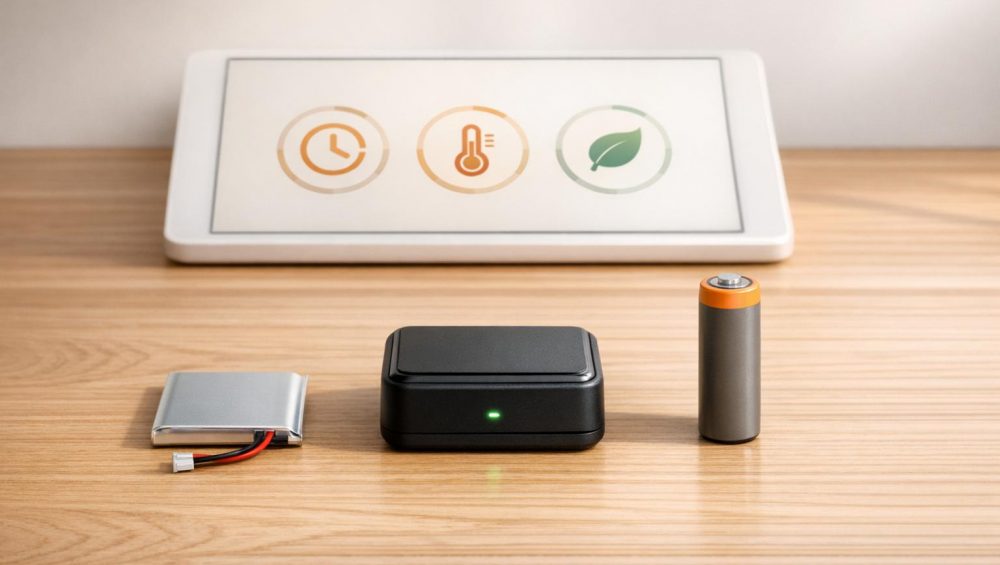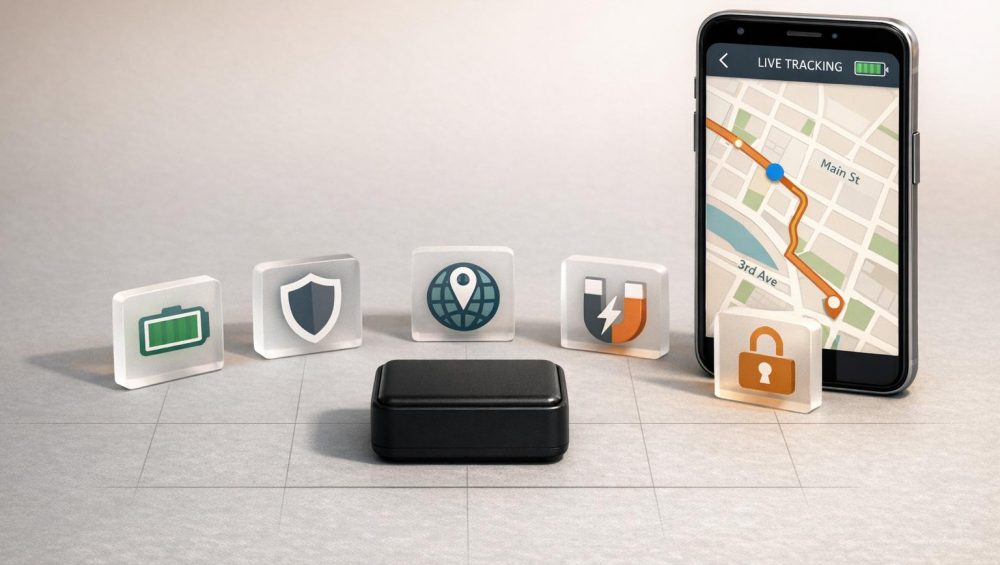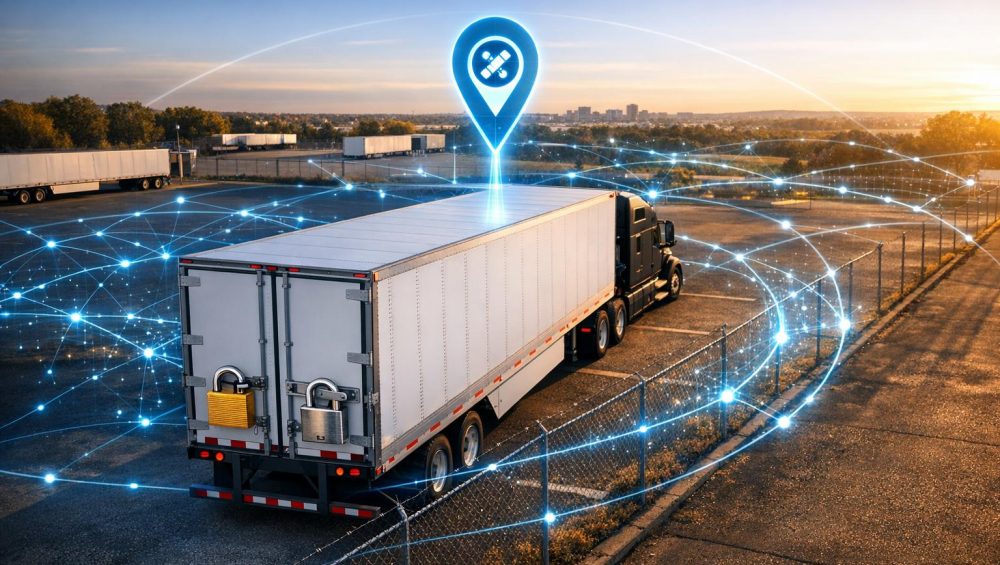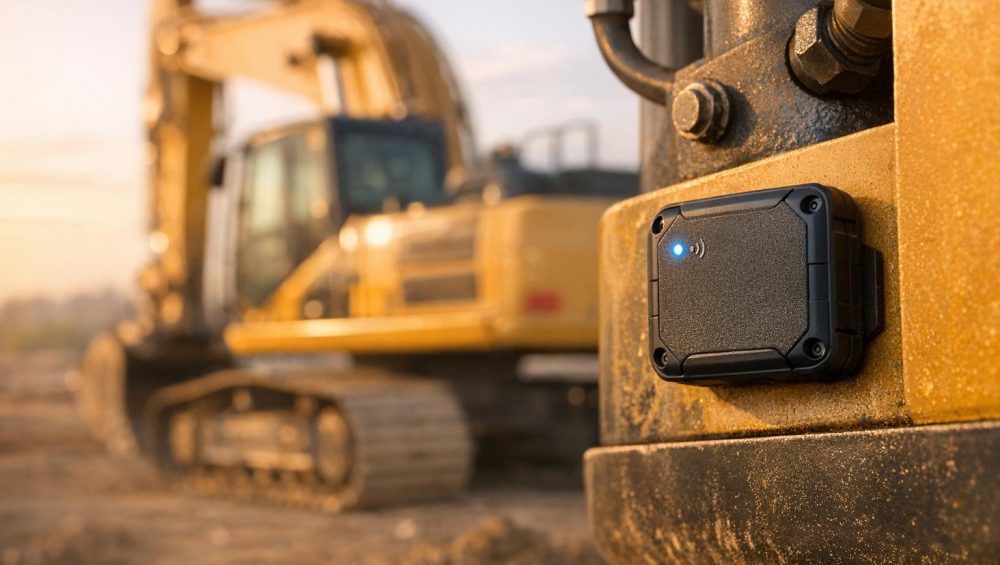
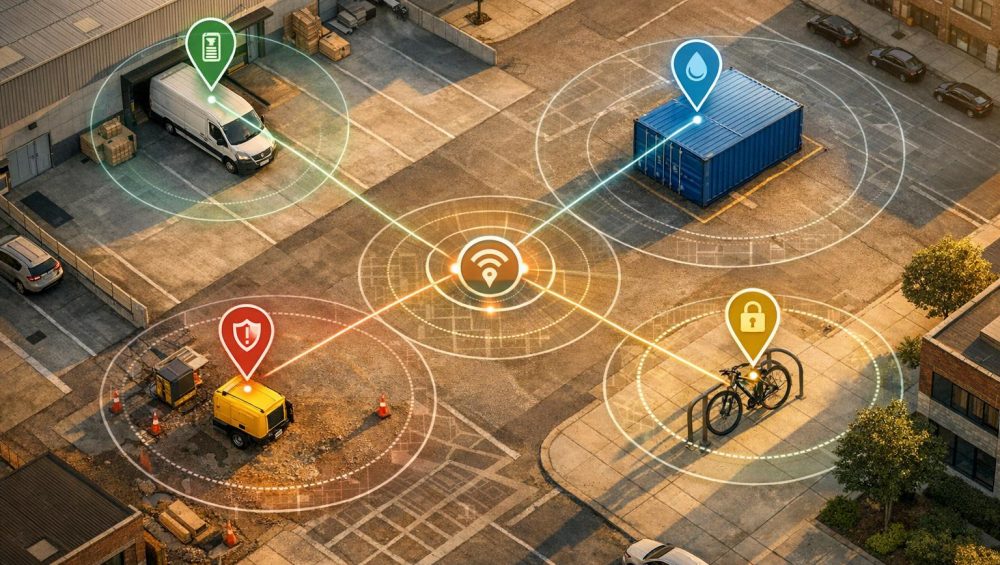
Piritiz passive GPS tracker — battery-powered device, movement-triggered location updatesCategoriesTrailer Tracking

Passive GPS Tracker: The Complete Guide to Long-Battery Asset and Vehicle Protection

Passive GPS tracker devices represent a fundamental shift in how businesses and individuals approach asset protection. Unlike continuous monitoring systems that drain batteries within days, passive tracking technology stores location data internally and transmits it during scheduled intervals or when the device connects to a network. This approach creates a tracking solution that operates for months on a single charge while delivering the essential location intelligence needed to recover stolen equipment, monitor asset utilization, and reduce operational costs.

<a class=passive GPS tracker – passive GPS tracker on heavy equipment” class=”wp-image aligncenter size-full” />

The distinction matters significantly for organizations managing construction equipment, vehicle fleets, trailers, and other mobile assets across dispersed locations. Battery life limitations force many tracking systems to either sacrifice monitoring duration or require frequent maintenance visits that consume labor hours and increase total cost of ownership. Fleet managers and business owners increasingly recognize that a passive GPS tracker offering up to 5-year battery life life eliminates these operational burdens while providing the location data necessary for theft recovery and asset management decisions.

Understanding how passive tracking technology works, when it provides optimal value, and how it compares to alternative monitoring approaches enables informed decisions about asset protection investments. The following sections examine the technical foundations, practical applications, and selection criteria that determine whether this tracking approach aligns with specific operational requirements.

How Passive GPS Tracker Technology Functions Differently Than Continuous Monitoring

The fundamental architecture of a passive GPS tracker prioritizes power conservation through intelligent data management. Rather than maintaining constant cellular connections that transmit location updates every few seconds or minutes, passive devices collect GPS coordinates at predetermined intervals and store this information in onboard memory. The device then establishes network connectivity on a schedule—perhaps once daily or several times per day—to upload the accumulated location history in a single transmission burst.

This batch transmission approach dramatically reduces the power consumption associated with cellular radio operations, which typically represent the largest energy drain in any tracking device. GPS receivers themselves consume relatively minimal power, especially when sampling location data intermittently rather than continuously. By separating the collection phase from the transmission phase, passive tracking technology extends operational duration from days to months without requiring larger batteries that would increase device size and weight.

The stored location data maintains its utility for the most critical tracking applications. Theft recovery scenarios rarely require second-by-second location updates during the initial period after an asset disappears. Instead, investigators need a location trail showing where the stolen item traveled and its current position when recovery efforts begin. Asset utilization analysis similarly benefits from periodic location samples that reveal movement patterns, site visits, and idle time without requiring granular tracking resolution.

Modern passive tracking devices incorporate accelerometers and other sensors that enable intelligent recording schedules. The device can detect motion and increase GPS sampling frequency during active periods while reducing or eliminating sampling when the asset remains stationary. This adaptive approach captures meaningful location changes while further extending battery life by avoiding unnecessary GPS fixes when no movement occurs.

up to 5-year battery life Performance as the Critical Differentiator

Extended battery duration transforms the operational equation for asset tracking programs. Organizations deploying tracking devices across dozens or hundreds of assets quickly discover that maintenance requirements determine the practical sustainability of any monitoring system. Devices requiring weekly or monthly battery changes consume substantial labor hours as technicians travel to equipment locations, access the tracker installation, swap batteries, and document the service activity.

A passive GPS tracker delivering 90-day operational life reduces this maintenance burden to quarterly intervals or potentially longer when devices incorporate solar charging supplements. For construction companies managing equipment across multiple job sites, this extended duration means technicians can coordinate tracker maintenance with other scheduled equipment inspections rather than making dedicated trips solely for battery service. Fleet operators experience similar efficiency gains when battery maintenance aligns with regular vehicle service intervals.

The cost implications extend beyond direct labor savings. Frequent battery changes create more opportunities for device damage, improper reinstallation, or technician errors that compromise tracking effectiveness. Extended battery life reduces these risk exposures while decreasing the total number of replacement batteries required over the device lifecycle. Organizations also avoid the hidden costs associated with tracking gaps that occur when devices fail between maintenance visits or when technicians cannot promptly reach remote equipment locations.

Battery performance directly influences installation flexibility across different asset types. Construction equipment tracking applications benefit from installation locations that prioritize concealment and tamper resistance rather than convenient access for battery changes. The longer a device operates between maintenance requirements, the more freedom installers have to position trackers in locations that maximize theft deterrence while complicating removal attempts by unauthorized individuals.

Ideal Applications for Passive Tracking Technology

passive GPS tracker - GPS tracking device mounted on machinery

Certain asset types and operational scenarios align particularly well with the characteristics of passive tracking devices. Equipment that remains stationary for extended periods between uses—such as construction machinery stored at job sites, rental equipment awaiting customer pickup, or trailers parked between hauls—represents optimal candidates for this monitoring approach. The passive tracking model captures the essential information about when and where the asset moved without wasting battery power on redundant location updates during idle periods.

Theft recovery stands as perhaps the strongest use case for passive GPS tracker deployment. The critical requirement during theft incidents involves establishing the asset’s location trail and current position, not monitoring passive movement during the discovery period. Passive devices excel in this scenario by maintaining operational readiness for months without intervention while capturing sufficient location data to guide recovery efforts. The extended battery life ensures the device remains functional even if theft occurs weeks or months after the last maintenance visit.

Asset utilization analysis benefits from the periodic location sampling that passive tracking provides. Operations managers evaluating whether equipment quantities match actual demand patterns need visibility into how frequently assets move between sites, how long they remain at specific locations, and whether certain items sit unused for extended periods. This analysis rarely requires minute-by-minute tracking data. Daily or several-times-daily location updates delivered through passive tracking architecture provide sufficient granularity for utilization decisions while maintaining the battery performance that makes widespread deployment practical.

Vehicle security applications span both commercial fleets and personal use scenarios. Businesses operating vehicles that return to centralized facilities each day can leverage passive tracking for theft protection without requiring continuous monitoring. Personal vehicle owners seeking theft recovery protection without monthly subscription fees or frequent charging requirements find passive devices deliver appropriate security at lower total ownership costs than alternatives requiring constant power connections.

Comparing Tracking Approaches: Passive vs. Active Monitoring

The terminology distinction between passive and active tracking reflects fundamental differences in device architecture, operational characteristics, and appropriate applications. Active monitoring systems—often marketed as passive location monitoring—maintain continuous or near-continuous cellular connections that enable second-by-second location updates, immediate alerts for geofence violations, and passive monitoring of asset movement. This constant connectivity provides maximum visibility at the expense of substantial power consumption that typically limits battery life to hours or days depending on update frequency.

Organizations must evaluate whether their operational requirements justify the trade-offs inherent in active monitoring. Dispatch operations directing mobile service technicians to customer locations throughout the day require current location data to optimize routing decisions and provide accurate arrival estimates. Emergency vehicle fleets need immediate position information to coordinate response efforts. These scenarios justify the increased power consumption and associated maintenance requirements because the operational model depends on current location visibility.

Conversely, many asset protection and utilization monitoring scenarios function effectively with the periodic updates that passive tracking architecture delivers. The key evaluation question asks whether operational decisions or security responses require immediate notification of asset movement versus retrospective location history available within hours of an event. Heavy equipment tracking for theft recovery purposes typically falls into the latter category, where location history captured and transmitted several times daily provides sufficient information to guide recovery efforts while maintaining the extended battery performance that reduces operational overhead.

Cost structures differ significantly between these approaches. Active monitoring systems often carry higher monthly service fees reflecting the greater data transmission volumes associated with continuous connectivity. The devices themselves may incorporate larger batteries or require hardwired power connections to sustain continuous operation. Passive tracking solutions typically feature lower service costs matched with extended battery life that reduces total ownership expenses over multi-year deployment periods.

Selection Criteria for Passive Tracking Devices

passive GPS tracker - construction fleet asset management

Evaluating passive GPS tracker options requires examining several technical and operational factors that determine long-term deployment success. Battery performance stands as the foundational criterion, but organizations should verify testing methodologies and operating conditions underlying battery life claims. A device rated for 90-day operation under optimal conditions may deliver substantially shorter duration in extreme temperature environments or when configured for more frequent location updates than baseline specifications assume.

Update frequency capabilities and flexibility influence how well a device adapts to different monitoring requirements. Some passive trackers operate on fixed schedules transmitting location data at predetermined intervals, while more sophisticated devices offer configurable schedules or intelligent adaptive modes that adjust sampling based on motion detection. Organizations managing diverse asset types benefit from devices supporting multiple configuration profiles that can be tailored to specific equipment monitoring needs without requiring different hardware models.

Installation requirements and physical characteristics affect deployment feasibility across different asset types. Compact devices with magnetic mounting options enable quick installation on vehicles and equipment with metal surfaces, while weather-resistant enclosures protect against moisture and dust exposure in outdoor environments. Concealment capabilities matter significantly for theft deterrence applications where visible tracking devices might simply be removed by thieves. The ideal passive GPS tracker combines small form factors with flexible mounting options that accommodate both visible and covert installations depending on security priorities.

Network coverage directly impacts tracking reliability across the geographic areas where assets operate. Devices utilizing cellular connectivity depend on carrier network availability in rural construction zones, remote storage yards, and less-developed regions where equipment frequently operates. Organizations should evaluate whether device network compatibility matches coverage patterns in their operational footprint, considering that some passive trackers support multiple carrier networks or automatically select the strongest available signal to maximize transmission success.

Deployment Strategies for Maximum Tracking Program Effectiveness

Successful passive tracking programs extend beyond device selection to encompass installation practices, maintenance scheduling, and response protocols that maximize asset protection value. Installation quality determines whether devices remain functional and concealed throughout the intended operational period. Proper installation considers both signal reception requirements—GPS receivers need reasonable sky visibility to acquire satellite signals—and tamper resistance to prevent easy detection and removal by unauthorized individuals.

Fleet managers implementing fleet vehicle tracking across multiple asset categories often benefit from standardized installation procedures that designate specific mounting locations for different vehicle types. This standardization simplifies installation training, enables faster deployment across growing fleets, and ensures consistent device performance by avoiding locations with poor GPS reception or excessive vibration exposure. Documentation of installation locations also assists maintenance technicians during battery service visits and helps replacement efforts if devices require removal for any reason.

Maintenance scheduling should account for device battery specifications while incorporating operational buffer periods that prevent tracking gaps if maintenance visits experience delays. Configuring quarterly maintenance schedules for devices rated at up to 5-year battery life life provides minimal safety margin. Organizations achieve better reliability by scheduling maintenance at 75-day intervals or implementing alert systems that notify administrators when battery voltage drops below predetermined thresholds indicating imminent replacement requirements.

Response protocols establish how organizations act on location data delivered by passive tracking devices. Theft scenarios require predetermined escalation procedures specifying when to contact law enforcement, what location information to provide, and whether to monitor device transmissions for movement indicating recovery opportunities. Asset utilization reviews benefit from scheduled analysis sessions where managers examine location history reports to identify underutilized equipment, optimize asset distribution across job sites, or validate billing records for rental equipment.

Cost Analysis and Return on Investment Considerations

Financial evaluation of passive GPS tracker deployment encompasses both direct acquisition costs and the broader operational impacts that determine total program value. Initial device costs vary based on technical capabilities, with more sophisticated trackers incorporating advanced features commanding higher purchase prices. Organizations should evaluate whether premium capabilities such as extended battery life, multiple network compatibility, or enhanced environmental protection justify incremental costs based on specific asset types and monitoring requirements.

Service fees represent ongoing expenses throughout the device operational life. Passive tracking solutions typically feature lower monthly costs compared to active monitoring alternatives because reduced data transmission volumes consume less network bandwidth. Organizations deploying trackers across large asset populations should negotiate volume pricing that recognizes the total service commitment rather than accepting standard per-device rates. Multi-year service contracts often secure better pricing while ensuring consistent network access without annual renegotiation.

The return on investment calculation extends beyond avoided theft losses to encompass operational efficiency gains and asset utilization improvements. Recovering a single stolen piece of construction equipment often justifies the tracking costs for an entire fleet. Organizations also realize value through improved asset allocation that reduces unnecessary equipment purchases when better visibility reveals underutilized items that can be redeployed rather than supplemented. Rental operations leverage location data to verify customer usage patterns and prevent unauthorized transfers that reduce revenue.

Maintenance cost reductions directly impact program economics. Extended battery life translating to quarterly rather than weekly service visits substantially reduces labor expenses while freeing technician capacity for other operational priorities. Organizations should quantify these savings by calculating current maintenance labor costs for frequent-service tracking alternatives and comparing against the reduced requirements enabled by up to 5-year battery life performance.

Frequently Asked Questions About Passive GPS Trackers

How often does a passive GPS tracker report location information?

Passive GPS tracker devices typically transmit location data on configurable schedules ranging from multiple times daily to once per day depending on device settings and battery conservation priorities. The device continuously or periodically collects GPS coordinates and stores them internally, then establishes network connectivity at scheduled intervals to upload the accumulated location history. This batch transmission approach differs from continuous tracking systems that provide second-by-second updates, but delivers sufficient location resolution for theft recovery and asset utilization analysis while enabling extended battery life.

Can passive tracking devices work without cellular service or internet connectivity?

Passive GPS tracker technology requires periodic cellular network access to transmit stored location data from the device to monitoring platforms accessible by asset owners. The GPS receiver component functions independently of cellular service by acquiring location coordinates directly from satellite signals, but these coordinates remain stored in device memory until cellular connectivity enables data upload. Assets operating in areas without any cellular coverage will continue collecting GPS data, but location information only becomes accessible to users after the device returns to coverage areas and completes transmission. Some advanced devices support multiple carrier networks to maximize connectivity opportunities across different geographic regions.

What battery life should be expected from quality passive tracking devices?

High-quality passive GPS tracker devices deliver up to 5-year battery life life under typical operating conditions, representing a critical performance threshold that enables practical quarterly maintenance schedules. Battery duration depends on several factors including update frequency configuration, operating temperature ranges, cellular signal strength requiring more or less transmission power, and motion-activated sampling features that adjust GPS collection based on asset movement. Devices with more frequent update schedules or operating in extreme cold conditions may experience shorter battery duration, while equipment remaining stationary for extended periods can exceed baseline specifications. Organizations should verify battery performance claims by reviewing testing conditions and selecting devices proven in similar operational environments.

How does passive tracking compare in cost to monthly subscription tracking services?

Passive GPS tracker solutions typically feature lower total ownership costs compared to active monitoring services requiring higher monthly subscriptions. The reduced data transmission volumes associated with periodic batch uploads rather than continuous connectivity result in lower network service fees. While passive devices may carry higher initial purchase prices compared to subsidized hardware in subscription plans, the combination of reduced monthly fees and extended battery life that lowers maintenance costs often produces better long-term economics. Organizations should calculate total five-year costs including device purchase, monthly service fees, battery replacement, and maintenance labor to accurately compare alternatives. The cost advantage of passive tracking becomes more pronounced for larger deployments across hundreds of assets where monthly service fees accumulate substantially.

What happens if a passive tracker battery dies before scheduled maintenance?

When a passive GPS tracker battery depletes before scheduled maintenance, the device ceases collecting new location data and cannot transmit stored information until battery replacement occurs. The previously collected location history typically remains stored in device memory and uploads automatically once power restoration enables network connectivity, though this depends on specific device architecture. Organizations can mitigate battery depletion risks through several strategies: scheduling maintenance intervals shorter than rated battery life to provide buffer periods, implementing low-battery alerts that notify administrators before complete discharge occurs, selecting devices with longer battery specifications that exceed minimum requirements, and configuring update frequencies that balance monitoring needs against power consumption. Asset theft occurring during battery depletion periods represents the primary risk, emphasizing the importance of maintenance reliability and alert systems that enable proactive battery replacement.

Maximizing Asset Protection Through Strategic Passive Tracking Implementation

The fundamental advantages of passive GPS tracker technology—extended up to 5-year battery life life, reduced operational overhead, and cost-effective location monitoring—position this approach as the optimal solution for organizations prioritizing theft recovery and asset utilization visibility without the complexity of continuous monitoring systems. Fleet managers, construction companies, equipment rental operations, and vehicle owners increasingly recognize that periodic location updates delivered through batch transmission architecture provide the essential intelligence required for asset protection while eliminating the maintenance burden and power limitations that compromise alternative tracking approaches.

Successful deployment depends on matching device capabilities to specific operational requirements, implementing installation practices that balance signal reception with tamper resistance, and establishing maintenance schedules that prevent tracking gaps while maximizing battery life benefits. Organizations that evaluate passive tracking options based on verified battery performance, network coverage alignment with operational geography, and configuration flexibility across diverse asset types position themselves to achieve measurable returns through theft recovery, improved asset utilization, and operational cost reductions that justify tracking program investments.

Businesses and individuals seeking reliable asset protection with minimal operational overhead should explore passive GPS tracker solutions designed for extended battery performance that eliminate frequent maintenance requirements while delivering the location intelligence necessary for theft recovery and asset management decisions.


GPS tracker for fleet vehicles — passive location monitoring for company cars and trucksCategoriesTrailer Tracking

Fleet Vehicle Tracking: The Complete Guide to Protecting Business Vehicles with Passive GPS Technology

Fleet vehicle tracking represents one of the most strategic investments a business can make to protect its mobile assets, reduce operational costs, and improve accountability across its entire vehicle inventory. Whether managing a small fleet of service trucks or overseeing hundreds of commercial vehicles across multiple locations, business owners face mounting challenges related to theft, unauthorized use, inefficient routing, and incomplete visibility into how their assets are being utilized throughout the day. Without a reliable tracking system in place, companies operate with significant blind spots that directly impact their bottom line and leave valuable assets vulnerable to loss.

<a class=fleet vehicle tracking – passive GPS tracker on heavy equipment” class=”wp-image aligncenter size-full” />

Traditional tracking solutions often require professional installation, complex wiring, and constant power connections that drain vehicle batteries and create maintenance headaches. Many systems also demand ongoing subscription fees that scale with fleet size, quickly becoming cost-prohibitive for growing businesses. Passive GPS tracking technology addresses these limitations by offering extended battery life, simplified deployment, and a more economical approach to vehicle monitoring that delivers essential location data without the operational burden of legacy systems.

The following guide examines how passive GPS tracking solutions transform fleet management operations, the specific benefits for businesses managing multiple vehicles, and the key factors companies should consider when selecting a tracking system that aligns with their operational requirements and budget constraints.

Why Fleet Vehicle Tracking Matters for Business Asset Protection

Business vehicles represent substantial capital investments that depreciate over time but remain critical to daily operations and revenue generation. A single stolen truck, van, or specialty vehicle can disrupt service schedules, damage customer relationships, and create unexpected replacement costs that impact quarterly financials. Beyond outright theft, unauthorized personal use of company vehicles creates liability exposure, increases fuel costs, and accelerates maintenance schedules without contributing to business productivity.

Fleet managers often discover that vehicles are being used outside approved hours, traveling to unauthorized locations, or operating inefficiently due to poor route planning. Without concrete location data, addressing these issues requires confrontational conversations based on suspicion rather than factual evidence. Tracking systems eliminate ambiguity by providing objective records of where vehicles travel, how long they remain at specific locations, and whether usage patterns align with approved business activities.

Insurance providers increasingly recognize the value of tracking technology for risk mitigation. Companies that implement tracking systems often qualify for reduced insurance premiums because stolen vehicles can be recovered more quickly, reducing total loss claims. Law enforcement agencies also report significantly higher recovery rates for tracked vehicles compared to untracked assets, with location data enabling rapid response that prevents criminals from stripping vehicles or moving them to secondary locations. The combination of theft deterrence, faster recovery, and insurance savings creates a compelling financial case for tracking implementation that extends well beyond the initial purchase price.

Passive GPS Tracking Technology Versus Traditional Fleet Management Systems

Traditional fleet management platforms typically rely on hardwired devices that connect directly to vehicle power systems and transmit location data continuously throughout the day. While these systems provide minute-by-minute updates, they require professional installation by certified technicians, create potential warranty issues for newer vehicles, and consume significant cellular data that drives up monthly subscription costs. The complexity of these installations also makes it difficult to transfer devices between vehicles as fleets change, reducing flexibility and increasing long-term costs.

Passive GPS tracking takes a fundamentally different approach by prioritizing battery longevity, installation simplicity, and reduced operational complexity. Devices operate independently of vehicle power systems, eliminating installation costs and allowing fleet managers to deploy tracking across their entire inventory without scheduling downtime for professional installation. The up to 5-year battery life life represents a significant operational advantage, requiring only quarterly maintenance rather than constant monitoring of power connections and wiring integrity.

This extended battery performance stems from intelligent power management that balances location accuracy with energy conservation. Rather than transmitting constantly, passive tracking devices record location data at strategic intervals and upload information during scheduled check-ins. This approach captures the essential movement patterns businesses need for accountability and theft recovery while avoiding the battery drain associated with continuous transmission. For many fleet applications, knowing where vehicles traveled throughout the day provides sufficient operational visibility without requiring location updates every few minutes. The reduced data transmission also translates to lower subscription costs, making passive tracking particularly attractive for businesses managing larger fleets where per-unit costs multiply quickly across dozens or hundreds of vehicles.

Key Applications of Fleet Vehicle Tracking Across Different Industries

fleet vehicle tracking - GPS tracking device mounted on machinery

Construction companies managing fleets of pickup trucks, service vans, and supervisor vehicles face unique challenges related to job site security and equipment accountability. Vehicles often remain at remote construction sites overnight or travel between multiple locations throughout the week, creating opportunities for theft during off-hours when sites are unmonitored. Tracking devices enable companies to verify that vehicles remain at authorized locations, receive alerts if assets move unexpectedly, and provide law enforcement with precise location data if theft occurs.

Service-based businesses including plumbing companies, HVAC contractors, electrical services, and landscaping operations depend on vehicle fleets to reach customer locations efficiently. These companies benefit from tracking data that confirms technicians arrive at scheduled appointments, documents time spent at each location, and provides evidence of service delivery for billing disputes. Fleet managers can also identify inefficient routing patterns that waste fuel and reduce the number of customer visits completed each day. When customers claim a technician never arrived or spent insufficient time on-site, location records provide objective documentation that protects the company from unwarranted complaints.

Delivery and logistics companies face intense pressure to optimize routes, meet tight delivery windows, and maintain accountability for high-value cargo. Tracking systems enable dispatchers to monitor progress throughout the day, identify delays before they impact customer commitments, and maintain chain-of-custody records for sensitive shipments. Vehicle location data also supports driver safety initiatives by identifying harsh driving patterns, excessive speeding, or other behaviors that increase accident risk and insurance liability. For companies managing independent contractors or third-party delivery partners, tracking provides essential visibility into operations that would otherwise occur completely outside company oversight. The same technology applies to equipment rental companies that need to monitor the location of rental trucks, trailers, and specialty vehicles throughout the rental period, ensuring assets return on schedule and haven’t been taken outside authorized service areas. For trailer-specific monitoring, a battery-powered trailer GPS tracker eliminates the wiring challenges common in mixed fleets.

Theft Prevention and Recovery Advantages for Fleet Operators

Vehicle theft costs businesses far more than the replacement value of the stolen asset. Companies must cover rental vehicle costs while operations continue, absorb productivity losses during the disruption, and often face increased insurance premiums following a theft claim. Specialty vehicles with custom equipment or tool inventories represent particularly high-value targets where the total loss exceeds the base vehicle value by substantial margins. Fleet vehicle tracking systems create multiple layers of theft protection that address both prevention and recovery.

The presence of tracking devices serves as a deterrent when communicated through visible window decals or asset tags. Criminals targeting commercial vehicles often look for the easiest opportunities with the lowest risk of detection and recovery. Knowing that a vehicle has tracking technology makes it a less attractive target compared to unprotected alternatives in the same area. For opportunistic thieves, the risk of rapid law enforcement response outweighs the potential reward, causing them to move on to easier targets.

When theft does occur, location data becomes the critical factor determining whether the vehicle is recovered intact or becomes a total loss. The first hours following a theft are crucial—vehicles recovered quickly typically sustain minimal damage, while assets that remain missing for days or weeks are often stripped of valuable components, vandalized, or abandoned in conditions that render them unsalvageable. Passive GPS tracking devices provide location coordinates that law enforcement can use to locate stolen vehicles before criminals have time to transport them to chop shops or secondary markets. Unlike hardwired systems that experienced thieves may disable by cutting power connections, battery-powered tracking devices continue operating even when vehicle batteries are disconnected, maintaining location visibility throughout the theft and recovery process. Many businesses report complete return on investment from a single successful vehicle recovery, with all subsequent theft prevention benefits representing pure value creation. Companies operating in high-theft areas or managing particularly valuable specialty vehicles find this protection especially valuable, as the cost of tracking implementation pales in comparison to the potential losses from even a single theft incident.

Cost Analysis: Total Ownership Expenses for Fleet Tracking Solutions

fleet vehicle tracking - construction fleet asset management

Business decision-makers evaluating fleet vehicle tracking solutions must look beyond initial device costs to understand the total ownership expenses over the expected lifespan of the technology. Traditional hardwired systems often advertise low or even free hardware costs, but these offers typically come with mandatory multi-year service contracts, high monthly subscription fees per vehicle, and professional installation charges that add hundreds per unit before the system becomes operational. When multiplied across a fleet of twenty, fifty, or more vehicles, these installation costs alone can represent a substantial capital outlay that extends the payback period significantly.

Passive GPS tracking devices eliminate installation expenses entirely, allowing businesses to deploy tracking across their entire fleet without scheduling vehicle downtime or paying technician fees. The simplified deployment process also means fleet managers can relocate devices between vehicles as fleet composition changes, reassigning tracking from sold vehicles to newly acquired assets without additional costs. This flexibility provides ongoing value that hardwired systems cannot match, where devices typically remain with specific vehicles throughout their service life regardless of changing business priorities.

Battery replacement represents the primary ongoing maintenance expense for passive tracking systems. With up to 5-year battery life life, fleet managers can schedule quarterly maintenance intervals that align with other routine service activities, minimizing disruption to operations. The long battery life reduces the total number of battery replacements required over the device’s operational lifespan, keeping consumable costs low compared to monthly subscription fees that continue indefinitely. When comparing total cost of ownership over a three to five-year period, passive GPS tracking typically delivers substantially lower total expenses per vehicle while providing the essential location data businesses need for theft protection and operational accountability. For growing businesses, the ability to scale tracking across expanding fleets without proportional increases in subscription costs represents a significant advantage. Adding twenty new vehicles to a traditional system might increase monthly costs dramatically, while passive tracking allows businesses to purchase additional devices at transparent per-unit prices without hidden fees or forced plan upgrades. This cost predictability supports better financial planning and removes barriers to comprehensive fleet coverage that leaves no assets unprotected.

Implementation Strategy: Deploying Tracking Across Your Vehicle Fleet

Successfully implementing fleet vehicle tracking requires more than simply purchasing devices and placing them in vehicles. Companies achieve the best results when they approach deployment strategically, prioritizing high-value or high-risk assets first while developing clear policies regarding tracking usage, data access, and employee communication. Fleet managers should begin by conducting an asset inventory that identifies which vehicles face the greatest theft risk, which assets have the highest replacement costs, and which vehicles play the most critical roles in daily operations.

Priority vehicles for initial tracking deployment typically include newer vehicles with higher market values, specialty vehicles with custom equipment or modifications, vehicles assigned to remote locations with limited security, and assets with histories of unauthorized use or previous theft attempts. By focusing initial deployment on these high-priority assets, businesses maximize the protective value of their tracking investment while evaluating system performance before expanding to the entire fleet. This phased approach also allows fleet managers to develop efficient installation routines, optimize device placement for best performance, and refine tracking policies based on real-world experience.

Device placement within vehicles significantly impacts tracking performance and battery longevity. Ideal locations provide clear sky visibility for GPS signal reception while remaining inconspicuous to prevent tampering or removal by unauthorized users. Common placement locations include under seats, within center consoles, inside door panels, or in cargo areas depending on vehicle configuration. Fleet managers should avoid locations near metal components that might interfere with GPS signals or areas exposed to extreme temperatures that could affect battery performance. Testing devices in several locations and monitoring signal quality helps identify the optimal placement for each vehicle type in the fleet.

Employee communication represents a critical but often overlooked aspect of successful tracking implementation. While businesses have legitimate rights to monitor company-owned vehicles, transparent communication about tracking policies reduces employee concerns and prevents morale issues that can arise when tracking is discovered without prior notification. Clear policies should specify that tracking applies to company vehicles during all hours, that location data will be used for theft protection and operational purposes, and that employees should not expect privacy when operating business assets. This transparency establishes appropriate expectations while reinforcing that tracking protects both company property and employees who might be wrongly accused of policy violations without objective data to verify their activities. Companies operating in multiple jurisdictions should also verify compliance with local regulations regarding employee tracking and data retention, as requirements vary significantly across different states and regions. Consulting with legal counsel during policy development ensures that tracking implementation aligns with applicable laws while supporting legitimate business interests.

Integration with Broader Fleet Management and Asset Protection Strategies

Fleet vehicle tracking delivers maximum value when integrated with comprehensive asset management practices rather than operating as a standalone technology. Businesses should view tracking as one component of a broader security strategy that includes physical security measures, driver training programs, maintenance scheduling systems, and insurance partnerships. When these elements work together, companies create layered protection that addresses multiple risk factors while supporting operational efficiency across the organization.

Physical security measures including secure parking facilities, adequate lighting, perimeter fencing, and surveillance cameras complement tracking technology by preventing theft attempts before they occur. Vehicles stored in well-lit, monitored facilities face substantially lower theft risk than assets parked in unsecured areas or left at remote job sites overnight. For businesses that must leave vehicles in various locations due to operational requirements, tracking provides the essential backup layer that enables recovery when physical security measures cannot prevent theft. The combination of deterrence through visible security measures and recovery capability through tracking creates comprehensive protection that addresses the full spectrum of theft scenarios.

Driver training programs that emphasize safe vehicle operation, proper security practices, and accountability for company assets reinforce the behavioral aspects of fleet protection. Employees who understand the value of the vehicles they operate and the impact of theft on business operations are more likely to follow security protocols, report suspicious activities, and take basic precautions that reduce theft opportunities. Tracking data can support these training initiatives by identifying unsafe driving patterns, documenting compliance with routing instructions, and providing concrete examples of proper versus problematic vehicle usage. Rather than creating an adversarial surveillance environment, tracking should be positioned as a tool that protects both company assets and employees who consistently follow established policies.

Maintenance scheduling systems benefit from location data that verifies actual vehicle usage patterns and mileage accumulation. Fleet managers can identify vehicles approaching service intervals, detect unusual usage that might indicate pending mechanical issues, and maintain accurate records that support warranty claims or resale value documentation. When vehicles receive proper preventive maintenance based on actual usage data rather than estimated schedules, companies reduce unexpected breakdowns, extend vehicle service life, and maintain higher resale values when assets eventually leave the fleet. This operational benefit operates continuously in the background, creating ongoing value that compounds over the years vehicles remain in service. Insurance partnerships represent another area where tracking data creates tangible benefits. Companies should proactively communicate with insurance carriers about tracking implementation and request policy reviews that account for reduced theft risk. Many insurers offer premium reductions for fleets with tracking technology, recognizing that protected vehicles present lower claims risk than untracked assets. Documentation of tracking coverage, recovery success rates, and security policies can support negotiations for better rates that reduce one of the largest ongoing expenses fleet operators face. For businesses with construction equipment tracking needs extending beyond vehicles to include heavy machinery and tools, coordinating vehicle and equipment protection under unified tracking platforms creates operational efficiencies and ensures comprehensive asset visibility across all business resources.

Selecting the Right Fleet Vehicle Tracking Solution for Your Business

The fleet tracking market offers numerous options ranging from basic location logging devices to comprehensive telematics platforms with extensive feature sets and corresponding price points. Business decision-makers should focus their evaluation on solutions that deliver the specific capabilities their operations require without paying for unnecessary features that add cost without proportional value. Core requirements typically include reliable location accuracy, sufficient battery life to minimize maintenance burden, durable construction that withstands vehicle operating environments, and straightforward data access through web or mobile platforms.

Battery life deserves particular attention during the evaluation process because it directly impacts ongoing operational costs and maintenance requirements. Solutions offering up to 5-year battery life life dramatically reduce the administrative burden of fleet tracking compared to devices requiring weekly or monthly charging cycles. Quarterly battery replacement aligns naturally with other routine maintenance intervals, allowing businesses to address tracking alongside oil changes, tire rotations, and other scheduled service without creating additional vehicle downtime. This operational efficiency matters more as fleet size increases—managing battery replacement for five vehicles differs substantially from coordinating maintenance across fifty or more assets.

Data platform usability significantly impacts whether fleet managers actually utilize tracking data effectively or simply have access to information they rarely review. The best tracking solutions provide intuitive interfaces that display current vehicle locations, historical movement records, and relevant alerts without requiring extensive training or technical expertise. Fleet managers should be able to quickly answer common questions including where specific vehicles are currently located, which assets visited particular addresses on specific dates, and whether any vehicles moved during off-hours when they should have remained parked. Mobile access enables fleet managers to monitor their assets from any location rather than requiring desktop computer access, supporting responsive decision-making when situations develop outside regular business hours.

Device durability and environmental protection ensure tracking continues functioning reliably despite exposure to temperature extremes, vibration, moisture, and other challenging conditions common in vehicle environments. Solutions designed specifically for fleet applications typically include ruggedized housings, sealed enclosures that prevent water intrusion, and temperature tolerance specifications that accommodate both summer heat and winter cold. Consumer-grade tracking devices designed for personal vehicles may lack the durability required for commercial fleet applications, leading to premature failures and replacement costs that offset any initial savings. Businesses operating in particularly demanding environments should verify that devices meet their environmental requirements before committing to large-scale deployment across their entire fleet. Companies with diverse asset portfolios extending beyond vehicles should consider whether their tracking provider also offers solutions for heavy equipment tracking and heavy machinery tracking, enabling unified asset management under a single platform rather than managing multiple disconnected systems for different asset categories. This integration simplifies operations and provides comprehensive visibility across all valuable business assets regardless of type.

Frequently Asked Questions About Fleet Vehicle Tracking

How does passive GPS tracking differ from passive location monitoring for fleet vehicles?

Passive GPS tracking records location data at strategic intervals and uploads information during scheduled check-ins, prioritizing extended battery life and reduced operational complexity over constant transmission. This approach provides the essential movement history businesses need for theft recovery and accountability while avoiding the battery drain and subscription costs associated with continuous passive transmission. For most fleet applications, daily location summaries offer sufficient visibility without requiring minute-by-minute updates.

What is the typical battery life for fleet vehicle tracking devices?

Battery life varies significantly across different tracking solutions, with basic devices lasting weeks and premium options extending to 90 days or more between battery replacements. Extended battery life reduces maintenance burden and operational costs, particularly for larger fleets where frequent battery service across many vehicles creates substantial administrative overhead. Quarterly battery replacement schedules align naturally with other routine maintenance intervals, minimizing disruption to fleet operations.

Can tracking devices be moved between different vehicles as fleet composition changes?

Battery-powered passive GPS tracking devices can be easily relocated between vehicles without professional assistance, providing flexibility as businesses sell older assets and acquire new vehicles. This transferability represents a significant advantage over hardwired systems that typically remain permanently installed in specific vehicles. Fleet managers can reassign tracking from lower-priority vehicles to newly acquired high-value assets without purchasing additional devices, maximizing the long-term value of their tracking investment.

How quickly can stolen fleet vehicles be recovered using GPS tracking?

Recovery timeframes depend on how quickly theft is discovered and reported to law enforcement, along with local police response capabilities and priorities. Vehicles with tracking devices that provide accurate location coordinates can often be recovered within hours of theft detection, substantially faster than untracked vehicles that may take days or weeks to locate if recovered at all. Rapid recovery significantly reduces the likelihood of vehicle damage, parts stripping, or total loss that occurs when stolen assets remain missing for extended periods.

Do fleet tracking systems require monthly subscription fees?

Service requirements vary by provider and solution type, with some systems requiring ongoing monthly subscriptions for cellular data transmission and platform access while others operate on different pricing models. Businesses evaluating tracking solutions should carefully review total cost of ownership including any recurring fees, as monthly subscriptions multiplied across many vehicles and multiple years can substantially exceed initial device costs. Understanding the complete fee structure ensures accurate budget planning and prevents unexpected expenses after implementation.

Protecting Fleet Vehicles Through Strategic Passive GPS Tracking Implementation

Fleet vehicle tracking provides businesses with essential capabilities for protecting mobile assets, improving operational accountability, and reducing costs associated with theft, unauthorized use, and inefficient vehicle utilization. The strategic value extends beyond simple location monitoring to encompass theft deterrence, rapid recovery following theft incidents, insurance premium reductions, and objective documentation of vehicle usage patterns that support fair management decisions based on facts rather than assumptions. Companies that implement tracking comprehensively across their entire fleet create operational advantages that compound over time as data accumulates and processes mature around the insights tracking provides.

Passive GPS tracking technology addresses the key limitations that have historically prevented smaller businesses from implementing comprehensive fleet monitoring, eliminating installation costs, reducing subscription expenses, and simplifying deployment to the point where any business can protect its vehicles regardless of fleet size or technical capabilities. The up to 5-year battery life life represents a fundamental operational advantage that reduces maintenance burden while ensuring consistent protection without gaps in coverage due to depleted batteries or forgotten charging cycles. For business owners seeking to protect their vehicle investments while improving fleet accountability, passive tracking delivers professional-grade capabilities with consumer-friendly implementation and total cost of ownership that supports rapid return on investment.

Businesses ready to implement comprehensive protection for their vehicle fleets should explore passive GPS tracking solutions designed specifically for commercial applications. Fleet vehicle tracking systems from Piritiz deliver extended up to 5-year battery life life, straightforward deployment, and reliable location data that supports both theft recovery and operational accountability across fleets of all sizes.


GPS asset tracker — passive location monitoring for valuable equipment and vehiclesCategoriesTrailer Tracking

Asset Tracker: Complete Guide to Protecting Valuable Equipment and Vehicles with Passive GPS Technology

Asset tracker technology has become a critical component for organizations managing valuable equipment, vehicles, and mobile resources across distributed locations. Whether protecting construction machinery, commercial fleets, or high-value inventory, the right tracking solution can mean the difference between rapid recovery and permanent loss. Businesses face mounting pressure to account for every piece of equipment while reducing operational overhead and preventing theft-related losses that impact the bottom line.

asset tracker - passive GPS tracker on heavy equipment

The challenge extends beyond simple location monitoring. Fleet managers and operations directors need tracking systems that work continuously without constant maintenance, provide reliable position data without monthly subscription complexity, and deliver actionable intelligence when assets move unexpectedly. Traditional monitoring approaches often fail when equipment operates in remote locations, when battery maintenance becomes impractical, or when surveillance needs extend across hundreds of dispersed items.

Passive GPS tracking solutions address these challenges by combining extended battery performance with strategic position reporting that prioritizes longevity over constant connectivity. This approach transforms how organizations protect their investments while maintaining operational flexibility across diverse environments and use cases.

How Asset Tracker Technology Protects High-Value Equipment and Mobile Resources

Modern tracking systems function through specialized hardware that captures satellite positioning data and transmits location information at predetermined intervals. Unlike continuous monitoring systems that drain power rapidly, passive GPS technology balances detection capability with energy efficiency. The device remains dormant between scheduled check-ins, activating only to capture coordinates and relay position updates through cellular networks.

This strategic approach enables battery life measured in months rather than days. A 90-day operational period between charges means fleet managers can deploy trackers across dozens or hundreds of assets without building charging routines into daily workflows. Equipment operating in remote construction sites, rental fleets dispersed across regions, or trailers left in storage yards all benefit from monitoring that functions independently for extended periods.

The positioning accuracy relies on multi-constellation satellite reception that triangulates coordinates within meters of actual location. When paired with historical tracking data, this creates movement patterns that reveal utilization rates, unauthorized relocations, and operational inefficiencies. Organizations gain visibility into whether equipment sits idle at job sites, moves between authorized locations during expected timeframes, or disappears entirely from designated areas.

Installation simplicity represents another practical advantage. Magnetic mounting systems allow attachment to metal surfaces without drilling, wiring, or permanent modification. This non-invasive approach works across equipment types—from excavators and generators to utility trailers and commercial vehicles. The same tracker that monitors a telehandler can redeploy to a different asset when needs change, providing flexibility that hard-wired systems cannot match.

Critical Selection Criteria for Business and Commercial Applications

Choosing the appropriate tracking solution requires evaluating several technical and operational factors that determine long-term effectiveness. Battery performance stands as the primary differentiator separating practical solutions from maintenance-intensive alternatives. Systems requiring weekly or biweekly charging create operational burden that undermines the convenience tracking should provide. A up to 5-year battery life life eliminates this friction, allowing equipment to remain monitored throughout project cycles, rental periods, or storage intervals without intervention.

Coverage reliability determines whether tracking data reaches management systems when needed most. Devices must operate across cellular networks in both urban environments and remote locations where construction and industrial equipment frequently operates. Multi-network compatibility ensures position updates transmit successfully regardless of geographic location, preventing coverage gaps that leave assets invisible during critical periods.

Environmental durability protects the tracking hardware itself from the harsh conditions equipment faces. Weatherproof enclosures withstand rain, snow, dust, and temperature extremes that would disable consumer-grade electronics. Impact resistance prevents damage from vibration, shock, and the rough handling common in construction, rental, and transportation environments. A tracker that fails after exposure to job site conditions provides no protection at all.

Management interface design affects daily usability and adoption across teams. Platforms should display fleet location data through intuitive maps, provide configurable alerts for unauthorized movement, and generate utilization reports without requiring technical expertise. The system serves its purpose only when fleet managers, operations staff, and business owners can access actionable information quickly and make informed decisions based on current asset status.

For organizations managing specialized equipment, integration with existing workflows matters significantly. Tracking data should complement maintenance schedules, rental agreements, and project management systems rather than creating isolated information silos. When position history correlates with utilization records, businesses gain deeper insights into equipment ROI and can optimize acquisition decisions based on actual deployment patterns rather than assumptions.

Theft Prevention and Recovery Capabilities That Protect Business Assets

asset tracker - GPS tracking device mounted on machinery

Equipment theft represents a persistent threat with consequences extending beyond immediate financial loss. Stolen machinery disrupts project timelines, forces expensive replacement purchases, increases insurance premiums, and damages client relationships when contractors cannot fulfill commitments. Recovery rates for stolen equipment remain discouragingly low without tracking technology, as thieves quickly transport items across jurisdictions or strip them for parts.

Tracking devices transform this equation by maintaining continuous surveillance even when equipment leaves authorized locations. The moment a tracked asset moves outside designated boundaries, automated alerts notify management teams through mobile applications and email notifications. This immediate awareness enables rapid response—contacting law enforcement with precise coordinates while the equipment remains recoverable rather than discovering theft hours or days later when recovery becomes nearly impossible.

The deterrent effect provides additional value beyond actual recovery capability. Visible tracking labels or discreet mentions of GPS monitoring during equipment handoff discourage opportunistic theft by increasing perceived risk. Professional thieves targeting high-value machinery often scout for unprotected assets; equipment with known tracking reduces its attractiveness as a target relative to unmonitored alternatives.

Historical position data proves invaluable during investigations and insurance claims. Timestamped location records demonstrate exactly when unauthorized movement occurred, which routes thieves used, and where equipment traveled before recovery or loss. This documentation supports law enforcement investigations, insurance claim processing, and potential legal proceedings against responsible parties. Without tracking records, businesses rely on witness statements and circumstantial evidence that rarely produces satisfactory outcomes.

For rental companies and equipment lessors, tracking technology adds accountability to customer relationships. Knowing precise equipment location throughout rental periods prevents disputes about condition, location, or unauthorized use. If lessees fail to return items on schedule, GPS data eliminates guesswork about current whereabouts and facilitates efficient recovery through legal channels when necessary.

Optimizing Equipment Utilization and Operational Efficiency Through Location Intelligence

Beyond security applications, tracking technology reveals utilization patterns that drive strategic business decisions. Many organizations discover significant portions of their equipment fleet sits idle while other assets face overuse. This imbalance increases unnecessary capital expenditures on underutilized purchases while accelerating wear on overworked machinery. Position data exposes these inefficiencies by documenting actual movement and deployment across time periods.

Fleet managers gain visibility into which assets remain stationary at completed job sites, which items travel frequently between projects, and which equipment justifies its acquisition cost through consistent utilization. This intelligence informs rightsizing decisions—determining optimal fleet composition based on documented need rather than estimation. Organizations often reduce total equipment inventory after discovering that better allocation of existing assets eliminates redundancy and excess capacity.

Project planning improves when managers know exactly where every asset currently operates. Instead of purchasing or renting additional equipment for new projects, teams can identify underutilized items at other locations and redeploy them efficiently. This internal sharing maximizes return on existing investments and reduces the operational expenses associated with maintaining oversized fleets or paying premium rates for last-minute rentals.

Maintenance scheduling benefits from accurate utilization tracking as well. Rather than servicing equipment based solely on calendar intervals, maintenance teams can prioritize items with documented heavy use while extending service intervals for lightly used assets. This data-driven approach optimizes maintenance budgets, prevents unnecessary downtime, and ensures critical equipment receives attention proportional to actual wear and operational stress.

For businesses with multiple locations or regional operations, tracking data identifies geographic imbalances in equipment distribution. One branch may maintain excess capacity while another frequently rents supplemental machinery to meet demand. Recognizing these patterns enables strategic reallocation that improves overall fleet efficiency and reduces total cost of ownership across the organization. Companies frequently discover that better distribution eliminates the need for planned expansions or new acquisitions.

Implementation Strategies for Construction, Rental, and Fleet Operations

asset tracker - construction fleet asset management

Successful deployment begins with identifying which assets warrant tracking based on value, theft risk, and utilization uncertainty. High-value items like excavators, generators, telehandlers, and specialized machinery typically justify tracking investment immediately. Lower-value but frequently misplaced items—trailers, compressors, and portable equipment—often benefit equally from monitoring that prevents loss and improves accountability.

Installation timing should align with operational cycles to minimize disruption. Attaching trackers during regular maintenance windows, equipment transport, or storage periods prevents workflow interruption. The magnetic mounting approach used by quality tracking devices enables installation in minutes without specialized tools or technical expertise. Placement locations should balance magnetic surface availability, cellular signal reception, and discretion to prevent tampering.

Team training ensures staff understand alert systems, monitoring procedures, and response protocols when unauthorized movement occurs. Operations personnel should know how to check equipment location through mobile applications, whom to contact when alerts trigger, and what information to provide law enforcement during theft incidents. This preparation transforms tracking technology from passive monitoring into active protection that delivers results when needed most.

Alert configuration requires thoughtful customization based on operational patterns. Construction equipment that moves daily between job sites needs different alert parameters than rental inventory expected to remain stationary between deployments. Geofencing capabilities allow managers to establish virtual boundaries around authorized locations, triggering notifications only when assets exit designated areas rather than generating alerts for every expected movement.

Documentation practices should incorporate tracking device identifiers into existing asset management systems. Linking tracker serial numbers with equipment inventory records ensures teams can quickly identify which device monitors which asset. This integration proves essential when managing dozens or hundreds of tracked items across complex operations. Regular audits verify all critical equipment maintains active tracking coverage and no devices have failed or lost connection.

For organizations implementing tracking across multiple locations, standardized procedures ensure consistent protection regardless of which team manages specific equipment. Regional managers should follow identical protocols for device activation, placement, alert response, and data review. This standardization prevents coverage gaps that occur when some locations prioritize tracking while others neglect proper implementation.

Extending Asset Tracker Applications Beyond Traditional Equipment Monitoring

While construction and heavy equipment represent primary use cases, tracking technology protects diverse asset categories across industries. Commercial vehicle fleets including trucks, vans, and service vehicles benefit from the same location intelligence that protects machinery. Fleet managers gain visibility into vehicle location during off-hours, verify proper use of company resources, and recover stolen vehicles before they disappear permanently.

Trailer operations face unique challenges since unpowered equipment lacks the electrical systems that support hardwired tracking. Passive GPS devices with extended battery life solve this problem by providing months of monitoring without external power sources. Whether tracking utility trailers, cargo trailers, or specialized hauling equipment, organizations maintain visibility throughout storage periods, transport cycles, and customer rental periods.

Shipping containers and cargo assets moving through supply chains require monitoring that functions across long distances and extended timeframes. Traditional tracking approaches fail when containers sit in storage yards or transit across regions with inconsistent connectivity. Battery-powered passive tracking provides the operational duration needed for logistics applications while maintaining positioning accuracy throughout complex distribution networks.

Rental companies serving contractors, event organizers, and temporary projects face constant challenges verifying customer compliance with geographic restrictions and return schedules. Tracking technology embedded in rental equipment—generators, lighting towers, pumps, and tools—provides definitive location records that prevent disputes and facilitate recovery when customers fail to meet contractual obligations. This accountability protects rental inventory and supports enforcement actions when necessary.

Personal and commercial vehicles including cars, trucks, and motorcycles warrant protection through similar tracking capabilities. Vehicle owners concerned about theft recovery, unauthorized use by employees or family members, or location verification during lending periods all benefit from discreet monitoring that operates independently without constant oversight. The same up to 5-year battery life advantage that serves fleet applications provides practical protection for individual vehicle owners without maintenance burden.

Specialized applications continue emerging as organizations recognize the versatility of passive GPS technology. Agricultural equipment operating across vast rural properties, marine assets including boats and watercraft, and even high-value inventory shipments all benefit from location monitoring that balances battery efficiency with positioning accuracy. The fundamental principle remains constant: valuable mobile assets warrant protection, and tracking technology provides cost-effective insurance against loss, theft, and operational inefficiency.

Cost Considerations and Return on Investment for Tracking Technology

Evaluating the financial justification for asset tracking requires comparing implementation costs against potential loss scenarios and operational improvements. The direct expense of tracking hardware represents a one-time investment significantly smaller than the replacement cost of even a single stolen asset. When measured against the value of construction equipment, commercial vehicles, or specialized machinery, tracking devices deliver compelling cost-benefit ratios that favor implementation.

Subscription models for tracking services vary considerably across providers. Some systems impose monthly or annual fees per device that accumulate into substantial ongoing expenses, particularly for organizations tracking dozens or hundreds of assets. Others operate without recurring costs, providing position data access without perpetual billing. This distinction dramatically affects total cost of ownership over multi-year deployment periods and should factor prominently into selection decisions.

Insurance premium reductions frequently offset tracking implementation costs partially or entirely. Many commercial insurers recognize that GPS-monitored equipment faces lower theft risk and improved recovery likelihood, translating into reduced claim frequency and severity. Organizations should consult insurance providers about potential premium adjustments before deployment, as documented tracking programs often qualify for meaningful discounts that improve overall program economics.

The operational benefits extend beyond direct cost recovery to include productivity improvements and efficiency gains that affect profitability indirectly. Reducing time spent locating misplaced equipment, preventing project delays caused by theft, and optimizing fleet utilization all contribute to bottom-line performance even without catastrophic loss events. These ongoing advantages compound annually, making the return on investment increasingly favorable as deployment duration extends.

For equipment rental operations, tracking technology enables business model improvements that generate additional revenue. Companies can offer premium services for tracked equipment, implement usage-based pricing models supported by definitive location data, and reduce losses from non-returned or misappropriated rental inventory. These capabilities transform tracking from a cost center into a profit enabler that differentiates rental providers in competitive markets.

Risk mitigation represents an often-undervalued component of financial analysis. The probability of equipment theft or loss may seem remote until it occurs, but the consequences of major asset disappearance extend beyond replacement costs to include project delays, client relationship damage, and opportunity costs from disrupted operations. Tracking technology provides insurance against low-probability but high-impact events that can significantly harm business performance.

Frequently Asked Questions About Asset Tracking Solutions

What makes passive GPS tracking different from passive location monitoring systems?

Passive GPS tracking captures and stores position data at predetermined intervals rather than transmitting location continuously. This approach dramatically extends battery life by reducing power consumption, enabling devices to operate for 90 days or longer between charges. The system still provides current location information when accessed but avoids the constant connectivity that drains batteries rapidly in passive systems. For most business applications, position updates every few hours provide sufficient monitoring while maximizing operational convenience through extended battery performance.

How long do asset tracker batteries typically last before requiring recharge or replacement?

Battery performance varies significantly across tracking devices based on reporting frequency, cellular connectivity requirements, and power management design. Quality passive GPS trackers optimized for extended deployment achieve 90-day operational periods between charges under normal conditions. This duration allows organizations to monitor equipment throughout typical project cycles, rental periods, or seasonal storage intervals without maintenance intervention. Devices requiring weekly or biweekly charging create operational burden that undermines tracking convenience and often leads to compliance lapses that defeat protection purposes.

Can asset trackers function in remote locations without cellular coverage?

GPS position capture functions anywhere with clear sky visibility regardless of cellular connectivity, but transmitting location data to management systems requires cellular network access. Quality tracking devices support multiple cellular carriers and automatically connect to available networks, maximizing coverage across diverse geographic areas. In truly remote locations without any cellular service, devices store position data locally until connectivity resumes, then upload the complete location history. This ensures no gaps in tracking records even when equipment operates temporarily beyond network coverage.

What happens if someone discovers and removes the tracking device from equipment?

Discreet installation in concealed locations reduces tampering risk significantly, as thieves unaware of tracking presence cannot remove devices they cannot find. Quality trackers include tamper alerts that notify management if the device experiences sudden movement, disconnection, or other indicators of interference. When properly placed in hidden locations on equipment frames or within compartments, removal becomes difficult even for individuals actively searching for tracking hardware. Multiple device deployment on high-value assets provides additional redundancy against discovery and removal attempts.

Do asset tracking systems work on unpowered equipment like trailers and portable machinery?

Battery-powered passive GPS trackers function independently without external power sources, making them ideal for trailers, generators, compressors, and other equipment lacking electrical systems. The up to 5-year battery life capacity provides extended monitoring throughout storage periods, rental deployments, and transportation cycles without requiring connection to vehicle power. This independence eliminates installation complexity and enables tracking across asset types that hardwired systems cannot accommodate. Regular recharging during maintenance intervals or equipment storage periods maintains continuous protection without operational disruption.

Implementing Comprehensive Protection for Valuable Business Assets

Protecting equipment, vehicles, and mobile resources requires more than basic location awareness—it demands reliable technology that operates continuously without constant oversight, provides actionable intelligence when assets face risk, and delivers operational insights that improve business efficiency. Asset tracker solutions combining passive GPS technology with extended battery performance address these requirements through practical systems that work across diverse environments and application scenarios.

Organizations implementing tracking protection gain multiple strategic advantages simultaneously. Theft deterrence and rapid recovery capability protect capital investments and prevent project disruptions that damage client relationships. Utilization intelligence reveals equipment deployment patterns that inform fleet optimization decisions and reduce unnecessary capital expenditures. Accountability systems prevent loss through improved oversight and documentation that supports insurance claims and recovery efforts when loss occurs. These benefits compound over time, making tracking technology increasingly valuable as deployment duration extends and operational learning accumulates.

The selection process should prioritize battery longevity, coverage reliability, environmental durability, and management system usability above all other considerations. A 90-day operational period between charges eliminates maintenance burden that undermines protection consistency. Multi-network cellular connectivity ensures position updates transmit successfully regardless of equipment location. Weatherproof construction withstands the harsh conditions equipment faces across construction sites, rental yards, and transportation environments. Intuitive management interfaces enable teams to access location data quickly and respond effectively when alerts indicate unauthorized movement.

Implementation success depends on thoughtful deployment planning, team training, and integration with existing operational workflows. Identifying which assets warrant tracking based on value and risk, installing devices during convenient maintenance windows, configuring alerts appropriate to operational patterns, and standardizing procedures across locations all contribute to programs that deliver sustained protection rather than temporary monitoring that deteriorates over time. Organizations treating tracking as strategic infrastructure rather than optional add-ons achieve the most significant benefits from their investment.

Whether protecting construction equipment tracking deployments across multiple job sites, securing rental fleet inventory dispersed among customers, or monitoring commercial vehicles throughout daily operations, the fundamental requirement remains consistent: valuable mobile assets warrant reliable protection that functions continuously without operational burden. Modern tracking technology delivers this capability through systems purpose-built for business applications demanding both performance and practicality. Explore comprehensive asset tracker solutions with up to 5-year battery life life designed specifically for commercial fleet protection, equipment monitoring, and theft prevention across diverse operational environments.


GPS tracker for heavy machinery — passive location monitoring, 5-year batteryCategoriesTrailer Tracking

Heavy Machinery Tracking: The Essential Guide to Protecting High-Value Assets with Passive GPS Technology

Heavy machinery tracking has become indispensable for construction companies, equipment rental operators, and industrial fleet managers who need reliable visibility into their most valuable mobile assets. When excavators, bulldozers, cranes, and other heavy equipment represent investments worth hundreds of thousands per unit, the financial exposure from theft, misplacement, or underutilization creates serious operational and financial risks that demand immediate attention.

<a class=heavy machinery tracking – passive GPS tracker on heavy equipment” class=”wp-image aligncenter size-full” />

Traditional approaches to monitoring heavy machinery locations—manual logbooks, periodic site visits, or memory-based tracking—fail to provide the accountability and precision that modern operations require. Passive GPS tracking technology solves this challenge by delivering accurate location data without the complexity, installation burden, or frequent battery replacements that plague other tracking methods. The right tracking solution empowers fleet managers to make informed decisions about asset deployment, quickly recover stolen equipment, and maximize the return on every piece of machinery in their inventory.

The up to 5-year battery life life advantage distinguishes superior passive GPS tracking from competing technologies that demand constant attention and frequent maintenance. For equipment that operates across multiple job sites, sits idle between projects, or gets stored in remote yards, extended battery performance ensures continuous protection without adding to already demanding workload requirements for fleet supervisors and operations teams.

Why Heavy Machinery Tracking Matters for Construction and Industrial Operations

Construction equipment theft represents one of the most significant financial threats facing contractors and equipment owners today. Heavy machinery often sits unattended at job sites, storage yards, or between rental periods, creating opportunities for organized theft rings that target high-value assets. A single stolen excavator or loader can disrupt project timelines, force expensive rental replacements, increase insurance premiums, and damage client relationships when deadlines get missed.

Beyond theft prevention, tracking technology addresses the visibility gap that exists in multi-site operations. Fleet managers overseeing equipment spread across dozens of locations struggle to answer basic questions: Which bulldozer is closest to the new project site? Is that compactor still at the completed job or already moved to storage? Did the skid steer actually get delivered to the subcontractor as scheduled? Without accurate location data, operations teams waste hours making phone calls, driving between sites, and dealing with the inefficiency of poor asset visibility.

Equipment utilization directly impacts profitability, yet most construction companies lack reliable data about how their machinery actually gets used. Heavy machinery tracking reveals which assets sit idle while rental equipment gets brought in unnecessarily, which pieces could be redeployed to eliminate equipment shortages at other locations, and which underperforming assets should be sold or retired. This utilization intelligence transforms equipment management from guesswork into data-driven decision making that improves the bottom line.

Maintenance scheduling becomes more accurate when tracking systems capture actual equipment movements and deployment patterns. Rather than relying on operator-reported hours that may be incomplete or inaccurate, passive GPS tracking provides objective data about when machinery arrived at job sites, how long it remained deployed, and when it moved to new locations. This information supports better maintenance planning and helps prevent the costly breakdowns that occur when service intervals get missed or equipment runs beyond recommended limits.

How Passive GPS Technology Works for Heavy Equipment Assets

Passive GPS tracking operates fundamentally differently from passive location monitoring systems, using a recording and reporting model specifically designed for assets that don’t require second-by-second monitoring. The GPS device captures location data at predetermined intervals throughout its deployment period, storing this information internally until the scheduled reporting time arrives. When the device communicates with the tracking platform, it transmits all stored location points, creating a complete movement history without the battery drain associated with constant transmission.

This passive approach delivers exceptional battery longevity because the device spends most of its time in low-power mode, only activating the GPS receiver and cellular radio when necessary for location capture and data transmission. The up to 5-year battery life life that results from this efficient design eliminates the maintenance burden that comes with tracking systems requiring weekly or monthly battery changes—a critical advantage for heavy machinery that may be deployed at remote sites or stored in locations without easy access to power.

Installation simplicity represents another key advantage of passive tracking for heavy equipment. The compact, weatherproof devices mount discreetly on machinery using magnetic attachment, adhesive backing, or simple bracket installation, requiring no wiring into vehicle electrical systems and no professional installation services. Fleet managers can deploy tracking across their entire equipment inventory in hours rather than the days or weeks required for hardwired systems, and devices can be quickly relocated when equipment gets sold, reassigned, or temporarily taken out of service.

The tracking platform aggregates location data from all monitored assets, presenting fleet managers with a comprehensive view of equipment locations, movement histories, and deployment patterns. Map-based interfaces show where each piece of machinery is currently located, while historical reporting reveals movement patterns over days, weeks, or months. This combination of current status and historical intelligence supports both operational decision making—which excavator should go to the new job site?—and strategic planning around equipment acquisition, disposal, and fleet sizing.

Key Features That Maximize Heavy Machinery Tracking Value

heavy machinery tracking - GPS tracking device mounted on machinery

Geofence capabilities transform passive tracking from a simple location tool into a proactive security system for high-value machinery. Fleet managers establish virtual boundaries around approved job sites, equipment yards, and storage facilities, then receive automatic alerts when machinery moves outside these designated zones. For construction companies with equipment spread across multiple project locations, geofencing provides immediate notification of unauthorized movement that could indicate theft, helping recovery efforts begin while stolen equipment remains close and recovery remains possible.

Extended reporting intervals balance visibility needs with battery conservation, allowing fleet managers to customize how frequently each device captures and transmits location data. Equipment actively deployed on job sites might report daily or every few days, providing regular location updates without excessive battery consumption. Machinery in long-term storage or sitting idle between projects can use longer reporting intervals that extend battery life while still providing security monitoring and location confirmation when deployment decisions need to be made.

Rugged, weatherproof construction ensures tracking devices survive the harsh conditions typical in construction and industrial environments. Heavy machinery operates in dust, mud, extreme temperatures, precipitation, and physical vibration that would quickly destroy consumer-grade electronics. Industrial-grade passive GPS trackers use sealed enclosures with high ingress protection ratings, protecting internal electronics from moisture, particulates, and physical shock while maintaining reliable operation across temperature extremes from winter storage to summer job sites.

Multi-asset fleet management through a unified platform provides the scalability that growing operations require. Rather than managing individual tracking devices through separate interfaces, fleet managers view their entire heavy machinery inventory through a single dashboard that shows all equipment locations, movement histories, and alert status. This consolidated view supports efficient fleet oversight whether the operation includes ten pieces of equipment or hundreds spread across multiple states or regions.

Historical movement reporting delivers insights that go beyond current location visibility. By reviewing where machinery has been deployed over weeks or months, operations managers identify underutilized assets that could be redeployed or sold, recognize equipment that consistently moves between the same locations where permanent assignment might improve efficiency, and validate that machinery gets used as intended rather than sitting idle at locations where it provides no value. These historical insights support continuous improvement in equipment management practices.

Implementing Heavy Machinery Tracking Across Your Fleet

Successful tracking implementation begins with equipment prioritization based on theft risk, utilization questions, and asset value. Fleet managers should first deploy tracking on the highest-value machinery with the greatest theft exposure—excavators, bulldozers, loaders, and other equipment that represents significant capital investment and attracts organized theft. Equipment that frequently moves between job sites or gets rented to external customers also deserves priority tracking, as these assets face higher loss risk and benefit most from location visibility.

Device placement on heavy machinery requires consideration of GPS signal reception, physical security, and practical accessibility. The tracker needs clear sky view for reliable satellite reception, meaning placement on top or high on the equipment frame typically works best. However, the device should also be positioned discretely to avoid detection by potential thieves, and located where legitimate operators won’t accidentally damage or dislodge it during normal equipment operation. Weatherproof enclosures and secure mounting ensure the tracker remains protected and functional despite the vibration, impacts, and environmental exposure common in construction environments.

Fleet-wide rollout becomes manageable when approached systematically rather than attempting to track every asset simultaneously. Starting with a pilot group of high-priority equipment allows the operations team to develop installation best practices, establish monitoring procedures, and demonstrate tracking value before expanding to the full fleet. This phased approach also spreads the upfront investment over time and allows budget allocation to align with demonstrated return on investment from the initial deployment.

Training for operations personnel, site supervisors, and equipment coordinators ensures the tracking system gets used effectively rather than becoming another ignored technology tool. Team members need to understand how to check equipment locations before making deployment decisions, how to interpret movement histories when investigating equipment issues, and how to respond to geofence alerts that may indicate theft or unauthorized movement. When tracking data becomes part of routine operational workflows rather than a separate system that requires special effort, the full value of asset visibility gets realized.

Integration with existing equipment management processes amplifies tracking benefits by connecting location data with maintenance records, utilization tracking, and financial management. When the equipment management system shows not just service history and rental income but also actual deployment patterns and movement frequency, fleet managers gain a complete picture of each asset’s performance and contribution. This integrated approach supports better decisions about equipment acquisition, retirement, and fleet composition aligned with actual operational needs rather than assumptions or outdated information.

Heavy Machinery Tracking for Equipment Rental Operations

heavy machinery tracking - construction fleet asset management

Rental companies face unique tracking challenges because their inventory constantly moves between customers, creating opportunities for equipment to be misused, damaged, or simply forgotten at completed job sites. Passive GPS tracking provides rental operators with visibility into where every rented asset is currently located, whether it remains at the authorized rental location, and when it gets returned to the yard. This visibility prevents revenue loss from equipment that sits unused at customer sites beyond the rental period while the rental company believes the asset is available for the next customer.

Theft prevention takes on special importance for rental operations because equipment changes hands frequently and moves between numerous locations where security varies dramatically. Geofencing around authorized rental sites provides immediate alert when machinery leaves the approved area, enabling quick response to unauthorized movement whether caused by theft or customer misuse. The faster rental companies can identify and respond to equipment theft, the higher the recovery rate and the lower the financial impact from lost assets.

Customer accountability improves when both parties know equipment location gets monitored throughout the rental period. Tracking data resolves disputes about when equipment arrived at the job site, whether it left before the rental period ended, and whether the customer used the machinery at unauthorized locations beyond the rental agreement scope. This objective record protects rental companies from fraudulent damage claims while also ensuring customers pay for the full duration equipment remains in their possession.

Fleet rotation and maintenance planning benefit from accurate deployment data that shows which assets are currently rented, which have returned and are available for the next customer, and which need service before they can be rented again. Rather than relying on customer notifications and manual tracking that often prove incomplete or inaccurate, passive GPS tracking provides objective confirmation of equipment status that supports efficient fleet turnover and maximizes rental utilization rates.

Cost Analysis: Heavy Machinery Tracking Investment and Returns

The financial case for heavy machinery tracking centers on theft prevention value compared to tracking system costs. Even a single prevented theft of major equipment typically justifies the entire tracking investment for an entire fleet, given that excavators, bulldozers, and similar machinery represent substantial capital investments that may never be recovered once stolen. Insurance deductibles alone often exceed the annual cost of tracking the equipment, meaning tracking pays for itself even when theft doesn’t result in total loss.

Improved asset utilization generates ongoing financial returns that accumulate year after year. When tracking data reveals that certain machinery sits idle while rental equipment gets brought in for other projects, operations managers can redeploy existing assets and avoid unnecessary rental expenses. When underutilized equipment gets identified and sold rather than continuing to consume storage space, insurance costs, and maintenance resources, the fleet becomes leaner and more financially efficient. These utilization improvements compound over time as operations teams develop better equipment deployment practices informed by actual tracking data.

Reduced equipment search time translates directly to productivity gains for operations personnel and supervisors. Hours spent driving between job sites looking for equipment, making phone calls to locate machinery, or dealing with the chaos of poor asset visibility represent pure waste that tracking eliminates. When operations teams can instantly check equipment locations through the tracking platform, they spend their time on value-adding activities rather than playing detective with missing assets.

Insurance premium reductions may be available from carriers that recognize tracked equipment presents lower theft risk than unmonitored assets. While specific premium impacts vary by insurer and policy terms, some construction equipment owners secure favorable rates by demonstrating they’ve implemented theft prevention technology across their fleet. The combination of lower premiums and reduced deductible payments when theft does occur creates ongoing financial benefit beyond the operational advantages of tracking.

Battery replacement costs deserve consideration in the total cost analysis, as tracking systems with short battery life create ongoing maintenance expenses and labor requirements. The up to 5-year battery life life advantage of superior passive GPS tracking dramatically reduces these recurring costs compared to systems requiring monthly battery changes. For a fleet of 50 pieces of heavy machinery, the difference between monthly and quarterly battery service represents hundreds of hours of technician time annually—a substantial hidden cost that inferior tracking systems impose on operations.

Security Best Practices for Tracked Heavy Machinery

Layered security approaches combine passive GPS tracking with complementary theft prevention measures to create comprehensive asset protection. Tracking provides the recovery capability when theft occurs, but physical security measures—fencing, lighting, immobilizers, and secure storage—reduce theft likelihood in the first place. The most effective security programs use tracking as one component of a multi-faceted strategy that makes machinery both difficult to steal and quick to recover if theft succeeds despite prevention efforts.

Discrete tracker placement prevents thieves from easily locating and disabling the GPS device before moving stolen equipment. While some locations offer better GPS reception or easier installation, these obvious mounting spots also make trackers vulnerable to detection and removal. Balancing accessibility for legitimate battery service against concealment from potential thieves requires thoughtful placement decisions that consider each equipment type’s unique characteristics and theft vulnerabilities.

Regular monitoring procedures ensure tracking alerts receive prompt attention rather than being ignored until equipment goes missing. Operations teams should establish protocols for who receives geofence alerts, who investigates when machinery appears in unexpected locations, and how quickly the team responds to potential theft indicators. The fastest response times produce the highest theft recovery rates, meaning monitoring discipline directly impacts the financial protection tracking provides.

Coordination with law enforcement before theft occurs improves recovery outcomes when equipment does get stolen. Fleet managers should establish relationships with local police departments and provide information about their tracking capabilities, so officers understand the technology and know how to effectively use location data during recovery operations. Some jurisdictions have specialized equipment theft units that particularly value working with owners who can provide precise location information that makes recovery operations efficient and successful.

For comprehensive construction equipment security including heavy machinery tracking strategies, fleet managers can review additional protection measures through construction equipment tracking solutions designed specifically for protecting valuable assets across multiple job sites and storage locations.

Heavy Machinery Tracking vs. Other Asset Protection Methods

Manual tracking through logbooks and equipment checkout systems provides minimal protection because it relies entirely on operator compliance and human memory. Operators forget to log equipment movements, record inaccurate information, or simply ignore tracking procedures when they’re busy or see no personal benefit from administrative paperwork. These manual systems also provide no theft protection since they depend on voluntary reporting that obviously stops when equipment gets stolen. Passive GPS tracking eliminates the human compliance variable by automatically capturing location data regardless of operator participation.

passive location monitoring systems offer continuous monitoring but impose significant battery management burdens that make them impractical for many heavy machinery applications. Equipment that operates intermittently or sits idle between projects needs tracking protection during both active use and storage periods, but passive systems typically exhaust batteries within days or weeks of deployment. The resulting maintenance requirements—frequent battery changes or hardwired installation with vehicle electrical system integration—create ongoing costs and complexity that passive tracking with up to 5-year battery life life avoids entirely.

Cellular-based equipment immobilizers prevent stolen machinery from being easily operated or transported, but provide no location information to support recovery. An immobilizer stops a thief from driving the equipment away under its own power, but the machinery can still be loaded onto a trailer and moved. Without GPS tracking to show where the equipment was taken, recovery becomes significantly more difficult even when the immobilizer successfully prevents operation. The most effective approach combines both technologies—tracking for location intelligence and immobilization to slow theft attempts.

Visual identification systems like unique paint schemes, decals, and identification numbers help law enforcement identify recovered equipment but provide no capability for locating stolen assets in the first place. These passive identifiers also can be altered, removed, or concealed by thieves, limiting their effectiveness. GPS tracking provides objective, last recorded location evidence that leads directly to stolen equipment rather than depending on random discovery by law enforcement officers who happen to notice identifying features.

Operations seeking comprehensive visibility into multiple equipment types can explore broader heavy equipment tracking approaches that protect diverse assets including machinery, tools, and portable equipment across construction and industrial applications.

Frequently Asked Questions About Heavy Machinery Tracking

How long do GPS trackers last on heavy machinery before battery replacement?

Superior passive GPS tracking devices provide up to 5-year battery life life, eliminating the frequent maintenance requirements of inferior tracking systems. This extended battery performance proves especially valuable for heavy machinery that may sit idle between projects or operate at remote locations where battery service is inconvenient. The three-month service interval allows fleet managers to schedule battery replacement during routine equipment maintenance rather than requiring dedicated service visits.

Can GPS trackers survive harsh construction environments and weather conditions?

Industrial-grade passive GPS trackers designed for heavy machinery use ruggedized, weatherproof enclosures that protect against dust, moisture, extreme temperatures, and physical vibration common in construction environments. These devices feature high ingress protection ratings that ensure reliable operation despite exposure to rain, snow, mud, and temperature extremes from well below freezing to summer heat. Proper mounting and enclosure selection ensure tracking devices remain functional throughout their deployment despite challenging environmental conditions.

Will thieves find and remove GPS trackers from stolen equipment?

Discrete placement significantly reduces the likelihood of tracker detection and removal, though no security measure provides absolute guarantees against determined, sophisticated thieves. The key is balancing GPS signal reception requirements with concealment from visual inspection. Many successful equipment recoveries occur because thieves either didn’t look for tracking devices or failed to locate them during the brief window between theft and recovery. The faster tracking alerts generate response, the less time thieves have to discover and disable GPS devices.

Does heavy machinery tracking require monthly subscription fees?

Most GPS tracking systems include subscription costs covering cellular data transmission and platform access, though specific pricing structures vary by provider and fleet size. These recurring costs should be evaluated against the theft prevention value and operational benefits tracking provides. The total cost of ownership includes both device acquisition and ongoing subscription fees, making it important to compare complete multi-year costs rather than focusing solely on initial purchase price.

Can GPS tracking help prove equipment location for customer billing or dispute resolution?

Historical movement reports provide objective records of when machinery arrived at job sites, how long it remained deployed, and when it returned to the yard. This location documentation resolves disputes about equipment deployment timing, supports accurate customer billing for time-and-equipment contracts, and provides evidence for insurance claims or legal matters where equipment location becomes a factual question. The timestamp and GPS coordinate data creates an objective record more reliable than human memory or manual documentation.

Making Heavy Machinery Tracking Work for Your Fleet Operations

Heavy machinery tracking delivers measurable financial returns through theft prevention, improved asset utilization, reduced search time, and better operational decision making. The combination of passive GPS technology and up to 5-year battery life life creates a practical solution that provides continuous asset protection without imposing unsustainable maintenance burdens on already busy operations teams. For construction companies, equipment rental operators, and industrial fleet managers, tracking represents not an optional technology experiment but an essential business practice that protects substantial capital investments while enabling data-driven equipment management.

The distinction between superior passive tracking and inferior alternatives becomes clear when evaluating battery life, installation complexity, and total cost of ownership. Systems requiring frequent battery service or professional hardwired installation impose ongoing costs and operational disruption that undermine tracking benefits. The up to 5-year battery life advantage combined with simple deployment creates a sustainable tracking program that scales across the entire fleet without consuming excessive time or resources. Fleet managers who prioritize these practical considerations secure lasting value from their tracking investment rather than abandoning systems that prove too burdensome to maintain.

Construction and industrial operations seeking reliable asset protection should explore passive GPS tracking solutions for heavy machinery that combine extended battery performance with rugged construction and comprehensive fleet management capabilities designed specifically for high-value equipment assets.


Heavy equipment GPS tracker — battery-powered passive tracking, no wiringCategoriesTrailer Tracking

Heavy Equipment Tracking: Complete Guide to Protecting Construction Machinery and Assets

Heavy equipment tracking represents one of the most critical investments construction companies, equipment rental businesses, and infrastructure contractors can make to protect their valuable machinery assets. With heavy equipment theft costing the industry substantial losses each year and asset mismanagement leading to diminished productivity, implementing a reliable tracking solution has become essential for operations of all sizes. The challenge lies in finding a system that works across remote job sites, provides dependable location data without constant maintenance, and delivers actionable insights without overwhelming complexity.

heavy equipment tracking - passive GPS tracker on heavy equipment

The construction and heavy equipment sectors face unique tracking challenges that standard vehicle GPS solutions cannot adequately address. Machinery often operates in areas with limited connectivity, sits idle for extended periods between projects, and requires tracking technology that can withstand harsh environmental conditions. Traditional passive location monitoring systems demand frequent battery changes and constant power connections that simply are not practical for equipment that moves between sites or operates independently of vehicles with continuous power supplies.

Passive GPS tracking technology has emerged as the optimal solution for heavy equipment monitoring, offering extended battery life that eliminates the constant maintenance burden while still providing the location visibility and theft deterrent capabilities operations managers need. With battery life extending up to 90 days between charges, these systems deliver consistent performance without the operational overhead that has made previous tracking solutions impractical for many heavy equipment applications.

Why Heavy Equipment Tracking Matters for Construction and Rental Operations

Heavy equipment represents one of the largest capital investments for construction companies and rental businesses, with individual machines often valued at substantial amounts. Beyond the initial acquisition cost, these assets generate revenue only when properly deployed and utilized. Without visibility into equipment location and movement patterns, operations managers face constant challenges in asset allocation, utilization analysis, and theft prevention.

Equipment theft remains a persistent threat across construction sites and storage yards. Thieves target heavy machinery precisely because of its high resale value and the difficulty in tracking these assets once stolen. Unlike passenger vehicles with built-in anti-theft systems and VIN tracking, construction equipment often lacks adequate security measures, making it vulnerable to organized theft rings that can quickly move stolen machinery across state lines or even international borders.

Beyond theft prevention, tracking visibility directly impacts operational efficiency. Project managers frequently waste valuable time locating specific equipment pieces across multiple job sites, leading to delays, rental of unnecessary duplicate equipment, and poor asset utilization rates. When equipment sits idle at one location while another site pays rental fees for the same machinery type, the cost impact multiplies quickly. Tracking systems provide the visibility needed to optimize equipment deployment, reduce unnecessary rental expenses, and improve overall fleet utilization.

Insurance considerations also make tracking systems increasingly valuable. Many commercial insurers now offer premium reductions for companies that implement GPS tracking on their heavy equipment fleets, recognizing that tracked assets face lower theft risk and improved recovery rates when incidents do occur. The documentation provided by tracking systems also supports insurance claims and can expedite the claims process when equipment damage or theft occurs.

Passive GPS Tracking Technology Advantages for Machinery Assets

Passive GPS tracking technology differs fundamentally from passive location monitoring systems in ways that make it particularly well-suited for heavy equipment applications. Rather than transmitting location data continuously throughout the day, passive systems collect GPS coordinates at regular intervals and transmit that information on a predetermined schedule. This approach dramatically reduces power consumption, extending battery life from days to months and eliminating the constant recharging burden that renders many tracking solutions impractical for equipment managers.

The up to 5-year battery life life offered by advanced passive tracking devices transforms the maintenance equation for heavy equipment fleets. Equipment managers no longer need to schedule regular battery service visits or worry about tracking devices dying during critical periods. A quarterly charging schedule aligns naturally with other routine maintenance intervals, making tracking system upkeep a simple addition to existing equipment service procedures rather than a separate operational burden.

Passive tracking systems also prove more reliable in the challenging environments where heavy equipment operates. Construction sites often feature limited cellular connectivity, metal structures that interfere with signals, and remote locations far from telecommunications infrastructure. Passive devices can collect location data throughout these periods and transmit accumulated information once connectivity becomes available, ensuring no gaps in the location history even when equipment operates in areas where passive transmission would be impossible.

The simplified installation process represents another practical advantage for heavy equipment applications. Passive GPS trackers typically require no connection to the equipment’s electrical system, eliminating the need for professional installation and the risk of warranty violations or electrical system interference. Magnetic mounting or discrete placement options allow quick deployment across entire equipment fleets without taking machinery out of service or requiring specialized technical expertise.

Key Features in Heavy Equipment Tracking Systems

heavy equipment tracking - GPS tracking device mounted on machinery

Selecting an effective tracking solution for construction machinery requires evaluating specific features that address the unique operational requirements of heavy equipment environments. Battery performance stands as the primary consideration, as tracking devices that require frequent charging or battery replacement quickly become impractical for equipment managers overseeing large fleets across multiple locations. Systems offering up to 5-year battery life life provide the optimal balance between consistent tracking capability and manageable maintenance requirements.

Geofencing capabilities enable operations managers to establish virtual boundaries around job sites, storage yards, and authorized operational areas. When tracked equipment moves outside designated zones, the system generates immediate alerts, providing early warning of potential theft or unauthorized use. This feature proves particularly valuable for equipment rental companies that need to ensure machinery remains within contractually specified geographic areas and for contractors managing multiple simultaneous projects across a region.

Historical route and location reporting delivers insights that extend far beyond theft prevention. By analyzing equipment movement patterns and site presence over time, managers can identify utilization inefficiencies, verify contractor billing claims, and optimize equipment allocation across projects. This historical data becomes especially valuable when evaluating whether to purchase additional equipment or whether existing assets could be redeployed more effectively to meet project demands.

Rugged construction and weatherproofing are non-negotiable requirements for tracking devices deployed on construction equipment. These trackers must withstand exposure to dust, moisture, vibration, extreme temperatures, and the physical impacts common in construction environments. Industrial-grade enclosures and mounting systems ensure tracking devices continue functioning reliably despite the harsh conditions that would quickly disable consumer-grade tracking products.

Multi-asset management capabilities become essential as fleet sizes grow. Effective tracking platforms allow equipment managers to monitor dozens or hundreds of machinery assets through a single dashboard interface, with filtering, search, and reporting tools that make it practical to oversee large, diverse equipment portfolios. The ability to categorize equipment by type, project assignment, or maintenance status helps managers quickly locate specific assets and generate reports for utilization analysis or insurance documentation.

Implementing Heavy Equipment Tracking Across Construction Fleets

Successfully deploying tracking technology across a heavy equipment fleet requires a strategic approach that addresses both technical implementation and organizational adoption. Beginning with a pilot program focused on high-value or frequently moved equipment allows operations teams to validate system performance and develop best practices before expanding to the complete fleet. This phased approach also helps identify any site-specific challenges or workflow adjustments needed to maximize tracking system benefits.

Device placement on heavy equipment requires balancing several considerations. The tracker should be positioned where it maintains clear sky visibility for GPS signal reception while remaining reasonably discrete to avoid immediate detection by potential thieves. Common placement locations include inside operator cabs under seats or panels, within enclosed engine compartments, or on equipment frames in locations protected from direct impact but still accessible for periodic charging. Magnetic mounting systems simplify installation while allowing repositioning if initial placement proves suboptimal.

Establishing clear protocols for monitoring tracking data and responding to alerts ensures the system delivers its full protective value. Designating specific team members responsible for reviewing location reports and investigating geofence violations creates accountability and prevents alerts from being ignored. Response procedures for potential theft situations should be documented in advance, including contact protocols for local law enforcement and guidance on evidence preservation for insurance claims and investigations.

Integration with existing equipment management systems and workflows maximizes operational value. When tracking data connects with maintenance scheduling, project management platforms, and billing systems, the information becomes actionable across the organization rather than existing in isolation. Some operations find value in sharing limited tracking access with project managers or site supervisors, enabling field teams to locate equipment independently without contacting central dispatchers.

Training employees on tracking system capabilities and limitations sets appropriate expectations and encourages adoption. Equipment operators should understand that tracking technology protects company assets and optimizes deployment rather than serving as employee surveillance. When implemented transparently with clear communication about system purposes and data usage, tracking programs typically gain employee acceptance and can even improve operator satisfaction by reducing time wasted searching for equipment or dealing with theft incidents.

Theft Prevention and Recovery Strategies for Construction Equipment

heavy equipment tracking - construction fleet asset management

While heavy equipment tracking systems provide powerful theft deterrent and recovery capabilities, they prove most effective when integrated into a comprehensive security strategy. Layered security approaches combine physical deterrents, operational protocols, and tracking technology to create multiple barriers that dramatically reduce theft risk and increase recovery likelihood when incidents occur.

Physical security measures establish the first line of defense against equipment theft. Secured storage yards with appropriate fencing, lighting, and access controls make opportunistic theft significantly more difficult. Immobilization devices, locking fuel caps, and disabled battery disconnects add additional layers that force thieves to spend more time on-site, increasing detection risk. When combined with GPS tracking, these physical measures slow theft attempts long enough for location alerts to trigger and response procedures to activate.

Operational security protocols address vulnerabilities in daily equipment usage. Key control procedures that limit who can access equipment and when, site security checks at project close each day, and regular equipment inventory verification help identify theft quickly and reduce unauthorized use opportunities. Establishing clear chains of custody when equipment moves between sites or transfers to subcontractors creates accountability and makes it easier to pinpoint when and where security breaches occur.

The rapid alert capabilities of geofencing technology transform theft response timeframes. When tracking systems notify security personnel within minutes of equipment leaving authorized zones, law enforcement can respond while stolen machinery remains relatively close to the theft location. This immediate awareness dramatically increases recovery rates compared to situations where theft goes undetected for hours or days until someone notices missing equipment.

Documentation provided by tracking systems supports both law enforcement investigations and insurance claims. Detailed location histories, movement timestamps, and geofence violation records create clear evidence trails that help authorities understand theft patterns and locate stolen equipment. This same documentation substantiates insurance claims and can expedite claim processing, helping operations recover financially from theft incidents more quickly. Some tracking platforms even provide law enforcement with specialized access portals that allow investigators to review relevant tracking data during active theft investigations.

Cost Considerations and Return on Investment

Evaluating the financial case for heavy equipment tracking requires examining both direct costs and the substantial risk mitigation and efficiency benefits these systems deliver. The initial investment includes tracking device acquisition and any associated activation fees, while ongoing costs typically involve monthly or annual service subscriptions for the data connectivity and platform access that enable location monitoring and reporting.

Passive GPS tracking systems generally offer more favorable cost profiles for heavy equipment applications compared to passive alternatives. The extended battery life eliminates the labor costs associated with frequent charging or battery replacement, which can quickly exceed the device costs themselves when calculated across large fleets over multiple years. The simplified installation process that requires no electrical connections further reduces deployment costs by eliminating professional installation requirements.

The theft prevention value alone often justifies tracking system investment for heavy equipment fleets. Even a single prevented theft or successful recovery of stolen machinery typically returns multiples of the tracking system cost for the entire fleet. Beyond the direct asset value, avoided theft also eliminates the project delays, replacement equipment rental costs, insurance deductibles, and premium increases that accompany equipment theft incidents.

Operational efficiency improvements deliver ongoing return on investment that accumulates over time. Reducing time spent locating equipment across job sites, eliminating unnecessary duplicate equipment rentals, and improving utilization rates through better asset allocation create measurable cost savings and revenue protection. Operations that previously relied on manual equipment tracking through phone calls and site visits often recover the tracking system investment through labor savings alone within the first year of implementation.

Insurance premium reductions provide another tangible financial benefit. Many commercial insurers recognize GPS tracking as a meaningful theft deterrent and offer premium discounts for fleets that implement tracking systems. These annual savings continue throughout the equipment ownership lifecycle, creating compounding return on the initial tracking system investment. Equipment managers should proactively discuss tracking implementation with insurance carriers to understand available discounts and documentation requirements for premium reduction qualification.

Selecting the Right Tracking Solution for Machinery Assets

Choosing an appropriate tracking system for construction equipment requires evaluating solutions against the specific operational requirements, fleet characteristics, and budget constraints each organization faces. Not all tracking technologies suit all applications equally, and understanding key differentiating factors helps equipment managers select systems that will deliver reliable long-term value rather than creating frustration and abandonment.

Battery performance deserves primary consideration given its direct impact on system practicality. Tracking devices requiring weekly or even monthly charging create unsustainable maintenance burdens for most equipment operations, particularly those managing geographically distributed fleets or equipment that moves frequently between sites. Solutions offering up to 5-year battery life life eliminate this friction point, making tracking system maintenance practical even for large fleets with limited dedicated support staff.

Coverage reliability in rural and remote areas matters greatly for construction applications. Equipment often operates at project sites far from urban cellular infrastructure, and tracking systems dependent on continuous connectivity will fail precisely where protection matters most. Passive tracking devices that collect location data during connectivity gaps and transmit when signal becomes available ensure complete location history without gaps during remote operation periods.

Platform usability and reporting capabilities determine how effectively tracking data translates into actionable operational insights. Systems with intuitive interfaces, flexible reporting tools, and mobile access enable equipment managers to quickly locate assets, investigate alerts, and analyze utilization patterns without extensive training or technical support. The ability to export data for integration with other business systems adds flexibility for operations with established equipment management processes.

Vendor reputation and support quality impact long-term system satisfaction beyond the technical specifications. Established providers with responsive customer support, regular platform updates, and clear upgrade paths protect the tracking system investment and ensure operations can resolve issues quickly when they arise. Evaluating vendor track records, customer reviews, and support availability helps avoid situations where promising technology becomes frustrating due to inadequate post-purchase support. For operations seeking comprehensive construction equipment tracking solutions, vendor selection proves as important as technical feature evaluation.

Frequently Asked Questions About Heavy Equipment Tracking

How long do GPS trackers last on heavy equipment?

Battery life varies significantly based on tracking technology and update frequency. Passive GPS tracking devices designed specifically for heavy equipment applications can operate for up to 90 days between charges, making maintenance practical even for large fleets. passive trackers with continuous transmission typically require much more frequent charging or hardwired power connections. Equipment managers should prioritize extended battery life when selecting tracking solutions to avoid the operational burden of constant device maintenance across multiple job sites.

Can GPS trackers work on equipment in remote construction sites?

Quality passive GPS tracking systems function effectively even in areas with limited cellular connectivity. These devices collect location data continuously using GPS satellite signals, which work independently of cellular networks. When equipment operates in remote areas without immediate cellular coverage, the tracker stores location information and transmits accumulated data once connectivity becomes available. This approach ensures complete location history without gaps, unlike passive systems that simply fail when cellular signal is unavailable.

Will installing a GPS tracker void heavy equipment warranty?

Passive GPS tracking devices that use magnetic mounting or discrete placement without connecting to equipment electrical systems typically do not affect manufacturer warranties. These trackers operate independently as self-contained units rather than integrating with equipment systems. Equipment owners should verify warranty terms with manufacturers, but non-invasive tracking device installation generally presents no warranty concerns. This contrasts with hardwired tracking systems that splice into electrical systems and may create warranty complications.

How accurate is GPS tracking for construction machinery location?

Modern GPS tracking technology typically provides location accuracy within several meters under normal conditions with clear sky visibility. This precision level suffices for equipment management purposes, allowing managers to confirm which job site equipment is located at and verify movement between locations. Accuracy may decrease temporarily in areas with significant obstructions like dense urban environments or heavy tree cover, but generally remains adequate for theft prevention, utilization tracking, and asset location purposes that equipment managers require.

What happens if thieves find and remove the GPS tracker?

Discrete placement significantly reduces the likelihood of tracker discovery, and even if located, removal takes time that increases theft detection chances. Geofence alerts typically trigger within minutes of unauthorized movement, notifying security personnel before thieves locate and disable tracking devices. The location history captured before device removal still provides law enforcement with valuable information about theft direction and timing. Some operations deploy multiple tracking devices on high-value equipment as redundant protection, ensuring backup location capability if thieves discover and remove one tracker.

Protecting Heavy Equipment Assets Through Advanced Tracking Technology

Heavy equipment tracking has evolved from a luxury consideration to an operational necessity for construction companies, equipment rental businesses, and contractors managing valuable machinery assets. The combination of theft prevention, operational efficiency improvement, and insurance benefits creates compelling return on investment that justifies tracking system implementation across equipment fleets of all sizes. As tracking technology has advanced, extended battery life and simplified deployment have eliminated the practical barriers that previously made tracking systems impractical for many operations.

Passive GPS tracking technology specifically addresses the unique challenges construction and heavy equipment environments present. The up to 5-year battery life life eliminates constant maintenance requirements, while the ability to function in remote locations ensures consistent protection regardless of where equipment operates. Whether protecting a small fleet of specialized machinery or managing hundreds of assets across multiple regions, modern tracking systems deliver the visibility, security, and operational insights equipment managers need to optimize asset utilization, prevent costly theft, and maintain accountability across complex operations. The strategic implementation of tracking technology represents a fundamental operational improvement that protects capital investments while enabling the data-driven decision making that separates efficient equipment operations from those struggling with poor visibility and reactive management.

Operations ready to implement comprehensive protection for their machinery assets can explore proven heavy equipment tracking solutions that combine extended battery life, reliable passive GPS technology, and intuitive management platforms designed specifically for construction and industrial applications.


Construction Equipment TrackingCategoriesConstruction Equipment Tracking Uncategorised

Construction Equipment Tracking: Complete Protection for Heavy Equipment and Machinery Assets

Construction equipment tracking has become an essential requirement for contractors, equipment rental companies, and construction firms managing valuable machinery across multiple job sites. Heavy equipment such as excavators, bulldozers, skid steers, and backhoes represent substantial capital investments that are frequently left unattended at remote locations, making them prime targets for theft while simultaneously creating challenges for efficient asset management and utilization tracking.

construction equipment tracking - passive GPS tracker on heavy equipment

The unique operational environment of construction sites creates specific tracking requirements that differ dramatically from standard fleet management. Equipment moves between sites irregularly, often sits idle for extended periods, and operates in locations without reliable power sources for charging tracking devices. Traditional tracking solutions designed for vehicles with constant engine operation and daily use patterns fail to address these distinct challenges, leaving contractors with blind spots in their asset visibility and protection strategies.

Modern passive GPS tracking technology solves these industry-specific challenges by providing long-term asset monitoring without the need for frequent battery changes or hardwired power connections. Construction companies now have access to tracking systems that deliver continuous protection and location visibility for months at a time, transforming how they secure investments, optimize equipment deployment, and reduce operational costs associated with theft, unauthorized use, and inefficient asset allocation.

Why Construction Equipment Tracking Protects Your Largest Capital Investments

Heavy construction machinery represents one of the largest capital expenditures for construction businesses, with individual pieces of equipment often valued at hundreds of thousands of dollars. The combination of high value and frequent deployment to unsecured job sites creates a perfect storm for theft risk that threatens business viability and project timelines. Equipment theft not only results in immediate financial loss but also cascades into project delays, rental costs for replacement machinery, insurance premium increases, and potential loss of client contracts.

Construction sites typically lack the physical security infrastructure found at permanent business facilities. Chain-link fencing, if present at all, provides minimal deterrent to professional thieves who target equipment during overnight hours, weekends, or between project phases when sites sit unmanned for days or weeks. Remote rural locations compound this vulnerability, as equipment may be deployed hours away from the home office with minimal oversight and delayed discovery when assets go missing.

Passive GPS tracking for construction equipment creates a silent guardian that works around the clock without requiring operator interaction or maintenance attention. Unlike traditional security measures that can be circumvented or ignored, tracking devices continuously monitor asset location and movement patterns, generating alerts when equipment leaves designated geofence boundaries or moves during unauthorized hours. This persistent monitoring transforms theft from a low-risk, high-reward criminal opportunity into a traceable activity that enables rapid recovery and law enforcement coordination.

The deterrent effect alone provides substantial value, as thieves increasingly recognize that modern construction equipment likely contains tracking technology. Simply displaying signage indicating GPS tracking protection on equipment discourages opportunistic theft attempts, while the actual tracking capability ensures that even sophisticated theft operations can be disrupted through last recorded location intelligence. Construction companies that implement comprehensive tracking programs report dramatic reductions in theft incidents, protecting their capital investments and maintaining project schedules without unexpected equipment replacement costs.

Battery Life Requirements for Construction Equipment GPS Solutions

The operational profile of construction equipment creates unique power requirements that eliminate most consumer-grade or automotive tracking solutions from consideration. Unlike vehicles that operate daily and provide consistent power through alternators, construction machinery often sits idle for days or weeks between uses, particularly for contractors managing diverse project types or equipment rental companies maintaining inventory awaiting customer deployment. Tracking devices that require frequent battery changes or depend on vehicle power become maintenance burdens that compromise protection continuity.

Ninety-day battery life represents the minimum threshold for practical construction equipment tracking, allowing businesses to implement quarterly maintenance schedules that align with other routine equipment servicing. This extended operational period ensures continuous protection through typical project cycles, seasonal work variations, and equipment storage periods without creating additional labor costs or tracking gaps. Shorter battery life forces field personnel to spend valuable time accessing equipment, removing devices for charging, or replacing batteries weekly or monthly—tasks that inevitably get postponed during busy periods, leaving assets unprotected precisely when project demands are highest.

The calculation extends beyond mere convenience to fundamental operational viability. Construction crews already manage complex scheduling, equipment transport logistics, and maintenance requirements across multiple simultaneous projects. Adding frequent tracking device maintenance to crew responsibilities ensures poor compliance and creates protection gaps that defeat the entire purpose of implementing tracking technology. Equipment managers need tracking solutions that operate autonomously for extended periods, requiring attention only during planned maintenance windows when equipment returns to the yard for service.

Passive GPS tracking technology with extended battery performance eliminates these operational friction points entirely. By delivering three months of continuous monitoring on a single charge, these systems enable construction companies to integrate tracking device maintenance into existing equipment service schedules without creating additional field visits or specialized procedures. The result is consistent asset protection that maintains visibility across entire equipment fleets without imposing operational burdens on already-stretched construction crews managing demanding project schedules.

Improving Equipment Utilization and Reducing Idle Time Costs

construction equipment tracking - GPS tracking device mounted on machinery

Beyond theft protection, construction equipment tracking delivers powerful operational intelligence that transforms how businesses deploy and manage their machinery assets. Many construction companies operate with incomplete visibility into actual equipment utilization rates, relying on operator reports, project manager estimates, or manual yard checks that provide fragmented and often inaccurate pictures of asset deployment. This information gap leads to equipment shortages on some projects while identical machinery sits idle at other locations or in storage yards, creating unnecessary rental expenses and missed revenue opportunities.

Location tracking data reveals the true utilization patterns across equipment fleets, identifying machinery that spends excessive time idle at job sites or in storage rather than generating value through productive deployment. Construction firms frequently discover they own more equipment than necessary because poor visibility led to redundant purchases when existing assets were simply misallocated rather than unavailable. The financial impact of these discoveries can be substantial, as companies recognize opportunities to reduce fleet size, defer planned equipment purchases, or increase rental income by deploying underutilized assets to external customers.

Movement tracking also exposes unauthorized equipment use that drains productive hours and increases wear without contributing to business objectives. Operators occasionally use company equipment for personal projects or side jobs, weekend home renovations, or unauthorized favors for friends and family. While individual incidents may seem minor, the aggregate impact across a fleet over time represents significant lost value through uncompensated wear, fuel consumption, and liability exposure from undocumented usage outside business insurance coverage.

The visibility enabled by passive GPS tracking allows construction businesses to make data-informed decisions about equipment acquisition, disposal, and deployment strategies. Rather than operating on assumptions or incomplete information, managers gain objective insights into which machinery types deliver highest utilization, which assets should be sold or retired, and where opportunities exist to optimize deployment across active projects. This intelligence transforms equipment management from reactive crisis response to proactive strategic planning that maximizes return on capital investments and reduces operational costs through improved asset efficiency.

Installation Considerations for Heavy Machinery and Equipment

Successful implementation of construction equipment tracking depends heavily on proper device installation that balances visibility, security, and accessibility requirements. Unlike automotive applications where standardized vehicle designs allow predictable mounting locations, construction machinery encompasses enormous variety in equipment types, sizes, and configurations. Excavators, dozers, compactors, generators, light towers, and trailers each present distinct installation challenges that require thoughtful approaches to ensure tracking effectiveness without compromising equipment operation or maintenance access.

Concealment represents a critical consideration for theft protection, as visible tracking devices alert thieves to remove or disable them before transporting stolen equipment. Heavy machinery offers numerous potential hiding locations within complex mechanical assemblies, frame structures, and enclosed compartments that provide concealment while maintaining GPS signal reception. Ideal mounting locations balance invisibility with signal performance, avoiding metal enclosures that block satellite communication while ensuring devices remain hidden from casual inspection by unauthorized users or potential thieves conducting pre-theft surveillance.

Weather resistance becomes paramount for outdoor equipment exposed to harsh construction site conditions including mud, dust, water, extreme temperatures, and mechanical vibration. Tracking devices designed for climate-controlled automotive interiors fail rapidly when exposed to the environmental extremes common in construction applications. Professional-grade construction equipment tracking solutions feature ruggedized enclosures with high ingress protection ratings that withstand direct water exposure, dust infiltration, and temperature ranges from desert heat to winter cold without performance degradation or premature failure.

Maintenance accessibility must be factored into installation planning to enable periodic battery changes or device service without requiring specialized tools or extensive disassembly procedures. While concealment from thieves is important, maintenance technicians need reasonably straightforward access to tracking devices during scheduled service intervals. The optimal installation approach creates a balance where devices remain hidden from casual observation but can be accessed by authorized personnel following documented procedures during routine equipment maintenance windows, ensuring long-term system sustainability without operational disruptions.

Geofencing and Automated Alerts for Unauthorized Equipment Movement

construction equipment tracking - construction fleet asset management

Geofencing technology transforms construction equipment tracking from passive location logging into active theft prevention and operational oversight. By establishing virtual boundaries around job sites, storage yards, and authorized service locations, construction companies create automated monitoring systems that detect boundary violations immediately when equipment moves outside designated zones. This capability enables rapid response to theft attempts, unauthorized usage, and operational policy violations without requiring constant manual monitoring of equipment locations across dispersed project sites.

The immediate notification aspect delivers critical time advantages during theft incidents. Traditional theft discovery often occurs days or weeks after the actual incident, when equipment is needed for a new project phase or when conducting periodic inventory counts at storage yards. By this time, stolen equipment has typically been transported across state lines, repainted and reserialized, or disassembled for parts, making recovery unlikely. Geofence violation alerts compress this discovery timeline from days to minutes, enabling law enforcement notification while stolen equipment remains in transit and recovery odds remain high.

After-hours movement detection provides another valuable application of automated alerting for construction firms. Equipment should remain stationary at job sites during overnight hours, weekends, and off-shift periods unless specifically authorized for transport or emergency use. Movement alerts during these time windows immediately flag potential theft, unauthorized use by employees, or operational policy violations that warrant investigation. This capability allows small businesses to maintain oversight equivalent to having security personnel monitoring every job site around the clock, but without the prohibitive cost of physical security staffing.

Customizable alert parameters enable construction companies to tailor monitoring strategies to specific operational requirements and risk profiles. High-value equipment or machinery deployed to elevated-risk locations can receive more sensitive monitoring with immediate alerts for any movement, while lower-value assets or equipment at secure facilities might use broader parameters that reduce nuisance notifications. The flexibility to adjust monitoring intensity based on equipment value, location security, and theft risk ensures tracking systems enhance rather than overwhelm operational management with alert fatigue from excessive notifications.

Equipment Rental Company Applications and Fleet Management

Equipment rental businesses face distinct tracking challenges that extend beyond theft protection into fundamental operational and revenue management requirements. Rental companies must maintain continuous visibility into equipment location and customer compliance while managing frequent asset turnover as machinery moves between customers, returns to inventory, and deploys to new rental agreements. The business model depends entirely on accurate equipment tracking to ensure availability for customer reservations, verify return compliance, and protect assets from loss or unauthorized retention beyond rental periods.

Customer behavior verification represents a critical but often overlooked application of construction equipment tracking for rental operations. Rental agreements typically specify authorized usage locations, yet customers occasionally transport equipment to undisclosed job sites or sublease machinery to third parties without authorization. These contract violations expose rental companies to liability risks from unreported usage while creating availability problems when equipment locations don’t match reservation system records. Passive GPS tracking provides objective verification of equipment deployment and usage patterns that supports contract enforcement and reveals systematic compliance issues requiring policy adjustments.

Late return recovery becomes significantly more effective with accurate location intelligence. Rental customers sometimes retain equipment beyond agreed return dates, creating cascading problems for businesses with subsequent reservations scheduled for the same machinery. Without tracking visibility, rental companies must rely on customer communication and goodwill to resolve late returns, often resulting in revenue loss from cancelled reservations and customer dissatisfaction. Location tracking enables proactive outreach to customers approaching return deadlines and provides recovery intelligence if equipment retrieval becomes necessary for significant overdue situations.

The extended battery life provided by passive GPS tracking solutions addresses a fundamental operational challenge for rental businesses. Unlike owned equipment that returns regularly to company facilities for maintenance, rental assets may remain in customer possession for weeks or months continuously. Tracking devices with weekly or monthly battery replacement requirements become completely impractical for rental applications, as accessing customer job sites for device maintenance creates unacceptable operational burden and customer relationship friction. Ninety-day battery performance ensures rental equipment maintains tracking protection throughout typical rental cycles without requiring customer cooperation for device maintenance or creating service interruptions.

Integration with Asset Management and Compliance Documentation

Construction equipment tracking data provides valuable inputs for comprehensive asset management systems that extend beyond location monitoring into maintenance scheduling, compliance documentation, and financial analysis. Location histories document actual equipment deployment patterns that support utilization analysis, project costing accuracy, and strategic planning for fleet optimization. This integration transforms tracking from a standalone security tool into a foundational data source that informs multiple business management functions across construction operations.

Maintenance schedule optimization benefits directly from accurate equipment usage and location data. Rather than relying solely on engine hour meters that operators may forget to check or that mechanical failures can render inaccurate, location tracking provides an independent verification of equipment activity patterns that supports predictive maintenance scheduling. Equipment that shows frequent movement and extended job site presence requires more aggressive maintenance scheduling than machinery with minimal location changes and short deployment periods, allowing businesses to tailor service intervals to actual usage rather than arbitrary calendar schedules.

Project costing accuracy improves when equipment deployment can be verified against job codes and project timelines through location tracking records. Construction firms frequently struggle with equipment cost allocation across multiple simultaneous projects, relying on operator timecards and project manager estimates that may not reflect actual asset deployment. Location data provides objective evidence of which equipment spent time at which job sites, supporting more accurate project cost accounting and profitability analysis that reveals true equipment costs for different project types and customer segments.

Compliance documentation for customer contracts, insurance requirements, and regulatory reporting gains supporting evidence through tracking records. Many construction contracts require documentation of equipment deployment for billing verification or performance compliance. Insurance policies may mandate equipment security measures or usage documentation. Location tracking data provides timestamped, objective records that satisfy these documentation requirements without creating additional administrative burden for field personnel who would otherwise need to manually log equipment movements and locations across diverse project sites and time periods.

Frequently Asked Questions About Construction Equipment Tracking

How does passive GPS tracking differ from passive location monitoring for construction equipment?

Passive GPS tracking records location data at regular intervals and stores this information on the device itself, uploading location histories when the device connects to cellular networks. This approach consumes significantly less battery power than continuous passive transmission, enabling the extended up to 5-year battery life life essential for construction equipment that often sits idle between uses. While location updates may occur less frequently than every-second passive location monitoring, passive tracking provides more than adequate visibility for construction applications where understanding daily deployment patterns and theft recovery matters more than minute-by-minute location monitoring.

What types of construction equipment benefit most from GPS tracking?

High-value mobile equipment represents the highest priority for tracking implementation, including excavators, bulldozers, skid steers, backhoes, wheel loaders, and compact track loaders that combine substantial replacement costs with relatively easy theft and transport. Portable equipment such as generators, light towers, compressors, and welders also benefits significantly due to frequent job site theft targeting these easily moved assets. Equipment rental companies should prioritize their entire fleet regardless of individual unit value, as the business model depends on continuous asset visibility for operational management and customer accountability beyond just theft protection.

Can tracking devices withstand the harsh conditions of construction sites?

Professional-grade construction equipment tracking devices feature ruggedized enclosures specifically designed to withstand the challenging environmental conditions common on construction sites. These devices carry high ingress protection ratings that ensure resistance to water infiltration from rain and pressure washing, dust and dirt exposure from earthmoving operations, extreme temperature ranges from subzero cold to summer heat, and mechanical vibration from equipment operation and rough terrain transport. Consumer-grade tracking devices designed for automotive interiors or personal use will fail rapidly in construction environments, making purpose-built industrial tracking solutions essential for reliable long-term performance.

How quickly can stolen construction equipment be recovered with GPS tracking?

Recovery speed depends primarily on how quickly theft is discovered and reported to law enforcement. Geofence alerts that notify owners immediately when equipment moves outside authorized boundaries enable same-day recovery in many cases, as stolen equipment can be located while still in transit or at temporary holding locations before being transported across state lines or altered to prevent identification. Without automated alerts, theft discovery often occurs days or weeks after the incident when equipment is needed for new projects, by which time recovery becomes substantially more difficult. The combination of geofencing automation and extended battery life ensures construction companies maintain continuous monitoring that maximizes recovery odds.

Do tracking devices require monthly subscription fees?

Most GPS tracking solutions require ongoing subscription fees to cover cellular data transmission costs, cloud platform hosting, and software access for viewing location information and configuring tracking parameters. Subscription models vary among providers, with some offering monthly billing and others providing discounted annual prepayment options. When evaluating total cost of ownership, construction companies should consider subscription fees alongside device purchase costs and expected battery replacement intervals to understand the complete long-term investment required for maintaining comprehensive fleet tracking coverage across all equipment assets. For equipment that moves seasonally, a GPS tracker with no contract eliminates the risk of paying for service during off-season months.

Selecting the Right Construction Equipment Tracking Solution for Long-Term Asset Protection

Construction businesses investing in equipment tracking solutions must evaluate options based on the specific operational requirements and environmental challenges inherent to heavy machinery management. The selection process extends beyond simple feature comparison to consider long-term sustainability factors including battery performance, device durability, installation flexibility, and ongoing operational costs that determine whether tracking systems deliver sustained value or become abandoned projects that fail to protect assets effectively.

The up to 5-year battery life life threshold represents the single most critical differentiator separating practical construction tracking solutions from consumer-grade alternatives designed for daily-use vehicles. Without extended battery performance, tracking systems create unsustainable maintenance burdens that ensure poor compliance and protection gaps across equipment fleets. Construction companies should prioritize passive GPS tracking technology that delivers quarterly battery life as the foundation for any equipment protection strategy, ensuring continuous monitoring through project cycles, seasonal variations, and equipment storage periods without requiring field personnel to dedicate time to frequent battery service that competes with productive project work.

Installation flexibility and device concealment capabilities determine implementation success across diverse equipment types ranging from compact utility machines to large earthmoving equipment. Tracking solutions must accommodate varied mounting locations, provide weather-resistant protection for outdoor exposure, and enable concealment that prevents theft detection while maintaining GPS signal quality. The combination of rugged construction-grade hardware, flexible mounting options, and thoughtful installation guidance ensures tracking devices deliver reliable performance throughout their service life while remaining hidden from unauthorized users who would disable visible tracking technology before attempting equipment theft.

Companies seeking comprehensive asset protection should explore construction equipment tracking solutions that combine extended battery life with ruggedized hardware, geofencing automation, and straightforward installation procedures. The investment in proper tracking technology delivers returns through theft prevention, improved asset utilization, operational cost reduction, and enhanced equipment management visibility that transforms how construction businesses protect and deploy their most valuable capital assets across diverse project sites and operational requirements.


How GPS Alerts Detect Equipment TamperingCategoriesUncategorized

How GPS Alerts Detect Equipment Tampering

GPS tampering alerts are a game-changer for protecting equipment. These systems notify you immediately when someone interferes with your GPS tracker – whether by removing it, cutting power, or jamming its signal. Using sensors like light detectors, accelerometers, and power monitors, trackers can detect tampering in passive and send alerts via SMS, email, or mobile apps.

Key Takeaways:

  • Light Sensors: Detect exposure when the tracker is removed.
  • Power Loss Detection: Alerts triggered by sudden voltage drops.
  • Backup Batteries: Ensure trackers stay functional during power interruptions.
  • Custom Alerts: Configure notifications for tampering, movement, or crossing geofences.

With theft costing businesses up to $1 billion annually, GPS tampering alerts help reduce losses by up to 40% and improve recovery rates to 94%. Devices like Piritiz Tracking Devices combine ease of use, long battery life, and instant notifications to safeguard assets effectively.

GPS Tampering Alert Statistics: Theft Costs, Recovery Rates, and Loss Reduction

GPS Tampering Alert Statistics: Theft Costs, Recovery Rates, and Loss Reduction

Tamper alert for GPS Trackers – the most important feature

How GPS Devices Detect Tampering

GPS trackers rely on multiple sensor technologies to quickly alert users when tampering occurs. These systems are essential for keeping assets secure in passive. These technologies have helped businesses protect equipment from theft and unauthorized use.

Light Sensors for Tamper Detection

Light sensors are a clever way to detect tampering. When the device is properly mounted, the sensor stays covered. But if someone removes the tracker, exposure to light triggers an alert. As Tracker Systems, Inc. explains: "The tamper sensor detects a change in light levels when the tracker is removed. The tracker then sends a change message to our server". This setup ensures users get instant notifications – via SMS, email, or a mobile app – when tampering occurs. Alongside light sensors, power monitoring serves as another effective detection method.

Power Loss Detection

For hardwired trackers, tampering is often detected by monitoring external voltage levels. If someone unplugs the device, like with OBD-II port trackers commonly used in vehicles made since 1996, a sudden voltage drop triggers an alert. In such cases, the tracker switches to its internal backup battery with long life (usually a lithium-polymer battery) to send a notification immediately. Different models handle power loss detection in unique ways. For instance, the Digital Matter Eagle identifies power removal instantly through hardware, while the Falcon tracks current draw during GPS fixes, which may slightly delay the alert.

Backup Battery Alerts

Backup batteries play a crucial role in maintaining communication during power interruptions. These batteries keep trackers operational even after power loss, ensuring location data continues to transmit despite tampering. High-end devices can enter a deep-sleep mode, drawing as little as 10 μA of power, allowing them to remain functional for over 10 years until reactivated. Additionally, if cellular connectivity is disrupted during a power loss, some advanced trackers store events and location data in internal flash memory. Once the connection is restored, they upload the stored information, providing a detailed record of tampering attempts.

Setting Up Tamper Alerts with Piritiz Tracking Devices

Piritiz Tracking Devices

Configuring Alerts Through the Piritiz Mobile App

To set up tamper alerts, start by purchasing a Piritiz tracking device for $19.95 and selecting a subscription plan, which begins at $7.00/month with a two-year prepay option. Next, download the Piritiz mobile app from the App Store or Google Play. Once you’ve installed the wireless tracker on your equipment, assign a unique name to each device. Specific names like "Flatbed 01" or "Excavator 3" make it easier to identify which asset is sending an alert.

The app offers around-the-clock visibility and sends instant notifications to your smartphone whenever it detects movement or tampering. You can also create geofences – virtual boundaries around areas like job sites or warehouses. If your equipment crosses these boundaries, you’ll receive an immediate security alert. This feature is critical, especially when considering that recovery rates for stolen trailers without tracking systems are less than 1%.

For quicker detection of tampering, enable Jostle Mode in the device settings. This mode uses an accelerometer to detect vibrations or movement immediately, without waiting for a GPS signal to confirm distance traveled. To avoid false alarms caused by minor vibrations, adjust the wake filter to trigger alerts only when the device detects at least one second of above-threshold movement within a four-second timeframe. Once the basic alert settings are configured, fine-tune your notification preferences for the best response.

Adjusting Alert Sensitivity and Notification Preferences

The Piritiz app allows you to customize notifications to balance responsiveness with practicality. For critical events like tampering or unauthorized movement, set the notification frequency to "Always" for location updates.

To avoid excessive notifications for less urgent events, use throttling options like "Not More Than Once Every X Seconds" or "Once Per Day" to limit how often alerts are sent. Additionally, you can filter out older alerts with the "Not If Older Than X seconds" setting, which is especially helpful if your device reconnects to cellular coverage after being offline and uploads stored data.

Lastly, enable low battery alerts to ensure uninterrupted operation of your tracker. While the batteries can last up to five years, Piritiz advises replacing them annually if the equipment is exposed to harsh temperatures.

Business Benefits of passive Tamper Detection

passive tamper alerts, powered by advanced sensor technologies, offer businesses a powerful tool to safeguard their assets and operations.

Stopping Theft and Unauthorized Access

Equipment theft is a billion-dollar problem, with only 20% of stolen machinery typically recovered without tracking technology. passive tamper alerts change the game by instantly notifying you via SMS, email, or push notification when someone tampers with your equipment. These alerts provide immediate awareness of unauthorized handling.

For added security, you can customize alerts to monitor your assets during specific times – like nights or weekends – when equipment shouldn’t be in use. This level of control helps protect against external theft and internal misuse, which contributes to 30% of business bankruptcies and impacts countless tradespeople. In the unfortunate event of theft, last recorded location data and movement logs give law enforcement the precise information they need to recover your equipment quickly.

Devices like Piritiz Tracking Devices simplify this process with an intuitive mobile app and customizable alert settings, ensuring your assets remain secure.

Reducing Downtime and Disruptions

Tamper alerts help you act before theft or damage occurs, minimizing downtime by catching misuse early and preventing costly mechanical failures. GPS asset tracking has been shown to reduce losses by 90% and increase recovery rates to an impressive 94%.

Beyond security, consistent tracking enables predictive maintenance. With accurate engine hours and diagnostic data, you can shift from reactive repairs to planned maintenance, extending equipment life by up to 35% and improving asset utilization by 40%. This proactive approach not only keeps your operations running smoothly but can also lead to insurance premium discounts of 12% to 22% for assets equipped with tracking and security features.

Piritiz Tracking Devices, known for their long battery life and reliable performance, ensure uninterrupted tracking to support these benefits.

Better Asset Monitoring and Control

Tamper detection ensures that your GPS devices remain operational, providing continuous and accurate monitoring data. This eliminates gaps in visibility – those "dark" periods where assets might disappear from your dashboard during transit or off-hours. With movement-triggered location updates, you maintain a clear view of job sites and supply chains. It also discourages unauthorized behavior, like employees avoiding surveillance or taking unapproved routes.

A centralized dashboard transforms these alerts into actionable insights. Managers can oversee hundreds of assets simultaneously, responding to potential issues in passive rather than discovering problems days later. This integrated approach enhances efficiency and strengthens asset management.

"GPX has provided a GPS data tracking solution which has revolutionized container tracking visibility… Through the use of Dwell Alerts, Geofence Alarms, and Watch Lists, we have been able to better manage our returnable containers, mitigating attrition and shortages."
– Bryan T., Executive, Major Automotive Manufacturer

For high-value assets, hardwired trackers offer an extra layer of security. Unlike plug-in models, these trackers connect directly to the vehicle’s electrical system, making them more discreet and harder to tamper with. Combining physical protections like rugged casings with geofencing software creates a robust defense against unauthorized movement or interference.

Conclusion

GPS tampering alerts give businesses a powerful way to protect high-value equipment and vehicles by delivering instant notifications when tampering occurs. Using a combination of light sensors, Hall Effect sensors, and power loss detection, these systems can immediately detect when an enclosure is opened, a magnetic field is disrupted, or power is cut. These alerts allow for a quick response, which is critical for securing assets and reducing potential losses.

In the U.S., equipment theft costs businesses up to $1 billion annually, but GPS tracking can lower asset losses by as much as 40%. last recorded location data also makes it easier to work with law enforcement during a theft, improving the chances of recovering stolen property.

Piritiz Tracking Devices are designed with features that make them practical and effective. They offer wireless installation, a 5-year battery life, and a mobile app that sends tamper alerts straight to your device. Many businesses have found that the reduction in asset loss offsets the initial investment in just 7 to 11 months. Plus, their compact, waterproof design makes them easy to hide on trailers, construction equipment, or fleet vehicles, keeping them out of sight from thieves.

FAQs

How do GPS trackers use light sensors to detect tampering?

Light sensors in GPS trackers are designed to detect tampering by monitoring changes in light exposure. When the tracker is properly installed, the sensor remains shielded from light. However, if someone tries to remove or interfere with the device, the sensor gets exposed to light, which triggers a response.

Once this happens, the system processes the signal and sends out an immediate alert, notifying users about potential interference. This feature acts as an effective safeguard for your equipment, ensuring you’re quickly informed of any unauthorized activity.

What happens if someone tampers with a GPS tracker and it loses power?

If a GPS tracker is tampered with or loses power, it can temporarily stop sending location data and alerts. This interruption might delay recognizing any suspicious activity until the device is checked or its power is restored. To address this issue, many modern GPS trackers include features like tamper detection and backup batteries, allowing them to keep monitoring even if someone tries to interfere.

How do I set up tamper alerts in the Piritiz mobile app?

To set up tamper alerts in the Piritiz mobile app, start by opening the app on your smartphone and logging into your account. Once inside, head to the settings or device management section. From there, select the specific device you want to monitor and adjust the tamper alert preferences to suit your needs. You can toggle alerts on or off and decide how you’d like to receive them – whether through push notifications, emails, or both.

If you’re unsure about the process, check out the app’s help section or reach out to Piritiz support for assistance. Their GPS tracking devices are designed to notify you immediately of any tampering, giving you peace of mind when it comes to protecting your assets.

Related Blog Posts

How Wireless GPS Trackers Work in Harsh ConditionsCategoriesUncategorized

How Wireless GPS Trackers Work in Harsh Conditions

Wireless GPS trackers are designed to operate reliably in tough environments, such as extreme temperatures, remote areas, and construction sites. These devices help businesses monitor equipment, prevent theft, and optimize fleet operations. Key features include:

  • Durable Design: Waterproof and impact-resistant enclosures (IP67/IP69K) protect against dust, water, and physical damage.
  • Temperature Tolerance: Functionality from -40°F to 176°F, with batteries designed for extreme conditions.
  • Battery Efficiency: long-lasting power with modes like deep sleep, enabling 5 years of reliable tracking without constant recharging.
  • Reliable Connectivity: Dual networks (GNSS and cellular) for uninterrupted tracking, even in remote areas.
  • Advanced Sensors: Track movement, temperature, humidity, and impacts to safeguard sensitive cargo.
  • Geofencing Alerts: Notifications when assets move outside designated areas.

These trackers combine rugged construction with smart power management, ensuring reliable performance in the harshest conditions. Whether you’re protecting your fleet or monitoring valuable equipment, these devices offer a practical solution for security.

GL601: Solar GPS Tracker Built for Harsh Environments

Main Parts of Wireless GPS Trackers

Wireless GPS trackers depend on a few key components working seamlessly to provide accurate location data. These parts are designed to withstand tough environments, ensuring the trackers stay reliable even when other electronics might fail.

GPS Receiver and Cellular Modem

The GPS receiver determines location by using satellite signals through a process called trilateration. Many receivers are compatible with multiple satellite constellations, which helps maintain a strong and consistent signal .

The cellular modem is responsible for sending location data to a monitoring platform. It uses networks like 4G LTE, 5G, or LTE Cat M1/NB1 for transmission. If the device loses cellular coverage, it stores location data in its internal memory until the connection is restored. This ensures uninterrupted tracking .

Battery-Powered Design

These trackers typically use two types of batteries. Rechargeable lithium-ion batteries are perfect for frequent updates, while high-capacity non-rechargeable batteries are better suited for long-term use. This flexibility makes them ideal for monitoring remote assets like trailers or equipment that isn’t regularly in use .

Sensors and Microcontrollers

The microcontroller acts as the brain of the device. It processes satellite signals, manages tracker settings like update intervals, and optimizes power usage. It also works with built-in sensors to trigger alerts when specific events occur.

MEMS sensors (micro-electro-mechanical systems) play a crucial role here. Accelerometers can detect motion, vibration, or impacts, which allows the tracker to wake from sleep mode when movement starts or send instant alerts if tampering is detected . Some trackers go a step further by including temperature and humidity sensors, making them ideal for monitoring delicate cargo . Adjusting the ping intervals – ranging from 30 seconds to 5 minutes – helps conserve battery life without sacrificing tracking accuracy.

How GPS Trackers Work in Rugged Environments

IP Rating Comparison Chart for GPS Trackers in Harsh Environments

IP Rating Comparison Chart for GPS Trackers in Harsh Environments

Once the basic functionality of GPS trackers is established, they are further equipped with specific features to thrive in extreme conditions – whether on a scorching desert construction site or icy winter roads. Let’s dive into how these devices are engineered to maintain connectivity and withstand harsh environments.

Signal Acquisition and Data Transmission

GPS trackers rely on the Global Navigation Satellite System (GNSS) network, using signals from at least three satellites to determine latitude, longitude, elevation, and time with precision. In remote locations – like deserts, oceans, or dense forests – where cellular coverage is sparse, satellite-only trackers step in. These devices use satellite networks, such as Iridium, to transmit data directly, bypassing the need for mobile towers.

"Satellite only trackers really come into their own when you are looking at long haul tracking – such as cargo containers moving across land or sea where mobile signal can’t reach." – BrickHouse Security

Advanced models offer message assurance technology, ensuring data is repeatedly transmitted until delivery is confirmed. Additionally, hybrid location technology combines GNSS with Wi-Fi Sniffing, enabling reliable tracking even as assets transition between indoor and outdoor spaces where GPS signals might falter. For off-grid applications, dual-power systems – featuring solar rechargeable batteries and high-capacity backups – can provide up to 10 years of operation with minimal maintenance. These robust transmission methods ensure dependable, passive location monitoring regardless of the environment.

Waterproof and Impact-Resistant Construction

To endure rugged conditions, GPS trackers are built with sealed, tamper-resistant housings that protect against dust, mud, and water. The IP rating indicates the level of protection offered. For example, an IP67 rating means the device is completely dust-tight and can survive submersion in up to 3.3 feet (1 meter) of water for 30 minutes. For even tougher environments, IP69K-rated trackers can withstand high-pressure water jets and steam cleaning.

IP RatingDust ProtectionWater ProtectionBest Use Case
IP67Dust-tightSubmersion up to 1m for 30 minutesOutdoor gear, rain, and muddy conditions
IP68Dust-tightSubmersion beyond 1m (depth varies)Marine settings and railcars
IP69KDust-tightHigh-pressure/steam jetsHeavy machinery and high-pressure cleaning

Many rugged trackers also feature reinforced casings and protective rubber bumpers, which help absorb shocks from impacts or drops on uneven terrain. Additionally, built-in antennas reduce the risk of damage compared to external ones, which can break or snag during use.

Temperature Tolerance

Industrial-grade GPS trackers are designed to function in extreme temperatures, ranging from -40°F to 176°F (-40°C to 80°C). To ensure reliability, manufacturers conduct Highly Accelerated Life Testing (HALT), exposing the devices to rapid temperature changes and intense vibrations to identify potential weak points before mass production.

"Our GT family of devices have been HALT tested to prove our unmatched durability in extreme conditions." – Geoforce

Specialized Lithium or Lithium Thionyl Chloride (LTC) batteries are used to maintain consistent performance in extreme climates. Sealed housings with IP67 to IP69K ratings prevent condensation or moisture buildup during sudden temperature shifts. Some models even come equipped with internal thermal sensors that monitor the device’s temperature and send alerts if it crosses safe operating limits.

Battery Management for Extended Operation

In rugged environments where maintenance is infrequent, managing battery power effectively is crucial for ensuring reliable GPS tracking. Operating in harsh conditions requires a balance between maintaining tracking accuracy and minimizing energy usage.

Sleep Modes and Interval Reporting

GPS trackers generally operate in three modes: Active, Standby, and Deep Sleep. Each mode has a distinct energy profile:

  • Active Mode: Consumes 150–300 mA, which can drain a 5,000 mAh battery in just 16–33 hours.
  • Standby Mode: Reduces consumption to 15–50 mA, with updates sent at intervals of 1 to 15 minutes.
  • Deep Sleep Mode: Drops usage to an ultra-low 0.1–5 mA, enabling the battery to last for months or even years.

Switching efficiently between these modes is key to long-term deployments. For instance, in Deep Sleep Mode, a low-power accelerometer can wake the tracker when movement is detected, conserving energy by activating full functionality only when necessary [31, 33]. Users can further optimize battery life by adjusting the reporting interval to match their needs. Frequent updates, like 1-second intervals for passive location monitoring, can deplete a battery 100 times faster than hourly updates. Switching from 30-second updates to once-daily check-ins can dramatically extend operation from days to months.

"It’s not just about battery size; it’s about how efficiently that battery’s power is used to keep your vehicle secure." Shop our tracking devices
CarLock

Modern GPS trackers also benefit from low-power wide-area networks (LPWAN) technologies like LTE-M and NB-IoT, which consume 70% less current compared to standard LTE modules. Additionally, newer GNSS chipsets, such as the u-blox M10, use 50% less power than their predecessors. However, extreme cold can impact battery performance, with lithium batteries losing about 20% of their capacity at 0°C (32°F).

Smart power management isn’t just about extending battery life – it also supports advanced security features.

Tamper Alerts and passive monitoring

Security functions are designed to work hand-in-hand with power-saving strategies. Low-power accelerometers can trigger alerts when movement or tampering is detected, eliminating the need for constant GPS or cellular polling. Some devices even incorporate light sensors to detect when their casing is opened, adding another layer of protection without significant energy drain.

Efficient firmware further reduces power consumption by limiting the time spent searching for a GPS signal. For example, if the device cannot acquire a satellite fix within 30 to 60 seconds, it stops searching to save energy. Instead, it may report the last known location or rely on a rough estimate from nearby cell towers. This prevents unnecessary battery drain when the tracker is in challenging environments, such as underground, inside a metal container, or deep in a forest. For optimal performance, placing the tracker in an open area with a clear view of the sky allows for hot starts – reacquiring satellites in seconds – rather than energy-intensive cold starts, which can take minutes.

"Every wake cycle burns credit; every retry and cold start adds unplanned cost."
– Apple Ko, VP Global Product Sales & Biz Dev, Eelink IoT Solutions

Installation and passive location monitoring

Simple Mounting Options

Wireless GPS trackers are built for easy setup and flexibility. Magnetic mounts are perfect for quick attachment to metal surfaces, making it simple to move the device between vehicles. For a more secure, permanent installation, use #10 stainless steel screws, which provide a strong, vibration-resistant hold. If drilling isn’t an option, polyurethane adhesives, like 3M Marine 5200, offer a solid alternative.

To ensure proper signal reception, position the antenna facing upward and avoid placing the tracker in fully metal-enclosed spaces, as this can block the GPS signal. Mounting the tracker on a vehicle’s metal frame often works well since GPS signals can reflect off the road surface to reach the receiver. Before completing the installation, check the device’s cellular and GPS indicator lights. A slow blink (every 3–4 seconds) confirms a proper connection.

Once the tracker is securely mounted, the next step is connecting it to your mobile app for passive location monitoring.

Mounting MethodBest ForTools/Materials Needed
Magnetic MountQuick setup and transferring between vehiclesHigh-strength magnetic case
Self-Tapping ScrewsPermanent installation on metal surfacesPower drill, #10 stainless steel screws
Industrial AdhesiveNon-drilling installationPolyurethane adhesive (e.g., 3M Marine 5200)
Thru-BoltHeavy-duty exterior mounting on machineryDrill, #10 stainless steel bolts, locking nuts

Mobile App Integration

Once installed, the GPS tracker connects to a mobile app for 24/7 monitoring. Start by creating an account and selecting a subscription plan. Piritiz offers options starting at $9.95 per month for a month-to-month plan, or $7 per month with a two-year prepaid plan. After signing up, download the app for iOS or Android and enter the device’s serial number to link it to your account.

The app provides passive location monitoring on an interactive map, with updates typically occurring every 1 to 5 minutes. It also includes features like geofences – virtual boundaries that send notifications when assets enter or leave specified areas. Additional tools let fleet managers monitor battery levels, review past routes with breadcrumb playback, and receive tamper alerts if the device is removed. One fleet manager praised the app for its simplicity and reliability in monitoring equipment.

Piritiz Tracking Devices: Built for Harsh Conditions

Piritiz

Piritiz tracking devices stand out with their rugged design and reliable performance, tailored for demanding outdoor environments.

Waterproof and Durable Construction

Designed to endure tough conditions, Piritiz GPS trackers are perfect for environments like construction sites and marine applications. Their waterproof and dust-resistant build removes the need for external wiring, reducing potential failure points. Compact at 2.75 x 1.75 x 1 inches and weighing just 3.52 ounces, they can be discreetly installed on trailers, heavy machinery, and rental equipment.

The wireless, tool-free mounting system makes installation quick and hassle-free. Once in place, the tracker operates seamlessly on various equipment types, including reefers, flatbeds, dump trailers, chassis, and agricultural machinery. Amazon users have rated the device 4.0 out of 5 stars, often highlighting its long-lasting battery and compact design. This durability ensures Piritiz trackers excel in conditions where others might falter.

5-Year Battery Life and Affordable Plans

Piritiz trackers boast up to 5 years of battery life, with plans starting at just $7 per month on a two-year prepaid plan. This extended battery life is made possible by advanced energy management, which adjusts location updates based on movement and cellular coverage. While extreme temperatures may influence performance, occasional checks can help maintain reliability.

For remote or rarely serviced equipment, this longevity is a game-changer. At $19.95 per unit, these trackers provide a budget-friendly solution for monitoring assets over long periods. As Vitaliy, a small business owner, shared:

"As a small trucking business owner, I needed a reliable and user-friendly tracker – and the Piritiz GPS Tracker has been just that. Installation was a breeze, and the long-lasting battery is a game-changer."

passive monitoring for Fleet Management

The Piritiz system offers continuous 24/7 monitoring through its mobile app, available for both iOS and Android. This enables theft recovery, efficient fleet management, and asset tracking. The platform also provides movement alerts and location updates without excessive battery drain from constant passive location monitoring. James, a user, recounted:

"Last week we couldn’t find our trailer, we thought it was stolen. Using tracker we found out that it was just towed."

With accurate location updates and proof of location, fleet managers can prevent theft and streamline operations across multiple sites. Even if equipment sits idle for months, the tracker remains active, ready to assist with recovery when needed. These features make Piritiz trackers a dependable choice for managing assets in challenging environments.

Conclusion

Wireless GPS trackers designed for tough environments offer reliability that fleet managers and business owners can count on for years. With rugged, waterproof construction and the ability to function in extreme temperatures ranging from -40°F to 176°F, these devices are built to endure. Their battery-powered designs can last up to 5 years, while the wireless setup and magnetic mounting make installation quick and hassle-free. Plus, motion-activated updates help conserve battery life, striking a balance between efficiency and performance. This makes them an excellent choice for best GPS trackers for trailers, heavy equipment, and remote assets that aren’t suited for hardwiring.

For industries like construction, logistics, and equipment rentals, these trackers help recover stolen property faster and lower operational costs. Features like passive monitoring and geofencing alerts provide the visibility needed to safeguard valuable assets across multiple locations.

In short, these trackers combine durability with ease of use. Whether you’re overseeing a large fleet spread across states or keeping tabs on equipment at job sites, they deliver the protection you need with minimal upkeep. Built to withstand tough conditions, they allow you to focus on running your business, knowing your assets are secure 24/7.

FAQs

How do wireless GPS trackers stay connected in tough environments?

Wireless GPS trackers are engineered to stay connected, even in tough environments, thanks to advanced communication technologies like GSM, Wi-Fi, and satellite networks. These technologies ensure location data is transmitted reliably, even in areas with little to no cellular coverage. Satellite-enabled trackers are especially useful in remote locations since they communicate directly with satellites, eliminating the need for ground-based networks.

Built to endure harsh conditions, these devices feature durable, waterproof casings and long-lasting batteries, ensuring they stay functional in rugged settings. This sturdy design, paired with dependable communication systems, makes GPS trackers effective for monitoring vehicles, trailers, or equipment in extreme or remote areas.

How do these GPS trackers maintain such a long battery life?

These GPS trackers come equipped with smart power-saving features to extend battery life. With capabilities like motion-activated tracking, energy-efficient components, and deep sleep modes, they conserve energy when idle. They also rely on low-power communication networks, enabling them to function for long durations – sometimes up to 5 years – without needing frequent recharges.

This makes them perfect for keeping tabs on vehicles, trailers, or equipment located in remote or tough-to-access areas where regular charging isn’t feasible.

How do wireless GPS trackers perform in extreme environments?

Wireless GPS trackers are built to perform dependably, even in tough conditions like extreme weather or rugged terrain. Many of these devices come with sturdy, waterproof casings that shield them from water, dust, and debris, keeping them operational in harsh environments. Designed with high-grade materials and tightly sealed components, they are well-suited for challenging settings such as construction sites or remote areas.

What sets these trackers apart is their ability to handle extreme temperatures, from freezing cold to intense heat. Equipped with long-lasting batteries and wireless functionality, they provide a reliable way to monitor assets like vehicles, trailers, or equipment in demanding situations. These features ensure uninterrupted tracking and added security, no matter the environment.

Related Blog Posts

Fleet Fuel Efficiency CalculatorCategoriesUncategorized

Fleet Fuel Efficiency Calculator

Optimize Your Business with a Fleet Fuel Efficiency Calculator

Running a fleet of vehicles, whether for deliveries or services, comes with hefty operational costs, and fuel is often the biggest culprit. That’s where a tool to measure vehicle fuel performance can make a real difference. It’s not just about crunching numbers—it’s about gaining insights to streamline your operations and keep more money in your pocket.

Why Fuel Efficiency Matters for Fleets

Every mile your vehicles travel burns fuel, and inefficiencies can add up fast across multiple trucks or vans. By tracking metrics like miles per gallon, fleet managers can pinpoint problem areas, whether it’s a specific vehicle guzzling more than it should or routes that need rethinking. A good calculator takes your data—miles driven, fuel used, vehicle types—and turns it into actionable stats. Beyond that, estimating savings from better efficiency helps you set realistic goals for cost reduction. Imagine shaving off a chunk of your monthly expenses just by making small adjustments! For business owners, this kind of tool isn’t a luxury; it’s a must-have for staying competitive. Start analyzing your fleet’s performance today and drive smarter, not harder.

FAQs

How accurate is this fleet fuel efficiency calculator?

The results are based on the data you provide, like miles driven and fuel consumed. While it gives a solid estimate of your fleet’s efficiency, keep in mind it doesn’t factor in variables like driving conditions, traffic, or vehicle maintenance. For the best insights, use consistent data over a set period and consider real-world factors when making decisions.

Can this tool help me reduce fuel costs for my fleet?

Absolutely! By showing you the average fuel efficiency for each vehicle and your fleet as a whole, you can identify which vehicles are underperforming. The optional cost-saving projection also lets you see how much you could save by improving efficiency to a target level. It’s a great starting point for tweaking routes, driver habits, or even vehicle maintenance schedules.

Does it matter if my fleet uses different fuel types?

Not at all. Our tool lets you specify the fuel type—whether it’s gasoline, diesel, or something else—for each vehicle or the fleet overall. This ensures the calculations stay relevant to your setup. Just make sure to input accurate fuel consumption data for the best results.

Vehicle Maintenance Cost CalculatorCategoriesUncategorized

Vehicle Maintenance Cost Calculator

Plan Ahead with a Vehicle Maintenance Cost Calculator

Owning a car comes with ongoing expenses beyond just fuel and insurance. Regular upkeep is crucial to keep your ride safe and reliable, but figuring out the yearly cost can feel overwhelming. That’s where a tool to estimate auto service expenses becomes a game-changer. It helps you anticipate costs for everything from oil changes to tire replacements, so you’re never caught off guard by a repair bill.

Why Budgeting for Car Upkeep Matters

Routine maintenance isn’t just about avoiding breakdowns—it’s about extending your vehicle’s lifespan. For instance, sticking to a schedule for brake checks or fluid changes can prevent costly damage down the road. By using a calculator tailored to your car’s details and driving habits, you gain insight into what to expect financially. Whether you drive a compact sedan or a heavy-duty truck, understanding these numbers lets you plan smarter. Plus, factoring in regional differences for labor rates ensures the estimate feels relevant to your area. Take a moment to crunch the numbers and see how small steps today can save you big tomorrow.

FAQs

How accurate are the maintenance cost estimates?

Our calculator uses industry averages for parts, labor, and service intervals, adjusted by vehicle type and region. While it’s a solid starting point for budgeting, actual costs can differ based on your car’s condition, driving style, and local shop rates. Think of it as a helpful guide rather than an exact quote, and always consult a mechanic for precise figures.

What types of maintenance does the tool cover?

We include routine stuff like oil changes, tire rotations, and brake pad replacements, as well as bigger periodic services like timing belt changes. The tool breaks down costs by category so you can see where your money’s likely going. If there’s something specific not covered, like major engine repairs, those would be outside the scope of regular maintenance.

Can I use this for any vehicle type?

Yep, our tool works for a wide range of vehicles—sedans, SUVs, trucks, you name it. Just input the specifics like make, model, and year, and we’ll adjust the estimates based on typical maintenance needs for that category. If your vehicle is super rare or custom, the averages might not be as spot-on, but it’ll still give you a decent ballpark.