Fleet Management Checklist: 10 Steps to Better EfficiencyCategoriesUncategorized

Fleet Management Checklist: 10 Steps to Better Efficiency

Managing a fleet can be complex, but following a structured checklist helps improve efficiency, reduce costs, and minimize downtime. Here’s a quick summary of the 10 steps covered in this guide:

  1. Set Up Fleet Management Policies: Establish clear guidelines for driver behavior, vehicle use, and compliance monitoring.
  2. Install GPS Tracking and Telematics: Use technology to track vehicle locations, monitor driving habits, and gather data to make informed decisions.
  3. Monitor and Reduce Fuel Consumption: Identify inefficient driving habits, optimize routes, and train drivers on fuel-saving techniques.
  4. Optimize Routes for Efficiency: Plan routes proactively and adjust them in passive using traffic and weather data.
  5. Perform Regular Vehicle Maintenance: Create a maintenance schedule to prevent breakdowns and extend vehicle lifespan.
  6. Track and Analyze Key Performance Metrics: Focus on metrics like fuel efficiency, maintenance costs, and driver safety to spot inefficiencies.
  7. Improve Communication with Drivers: Use digital tools for location updates and feedback to ensure smooth operations.
  8. Conduct Regular Performance Reviews: Use data to evaluate and improve driver performance while gathering their feedback.
  9. Optimize Financial Performance: Track expenses, negotiate supplier agreements, and reduce costs across the board.
  10. Continuously Evaluate and Improve Your Fleet Strategy: Regularly review operations, set measurable goals, and adopt new technologies.

Fleet Management – How to Improve Transport Fleet Efficiency

Step 1: Set Up Fleet Management Policies

Clear, written policies are the backbone of a well-run fleet. They set the standard for driver behavior, ensure vehicles are used properly, and help avoid compliance headaches. Without these guidelines, there’s room for misinterpretation, misuse, and mistakes that could lead to bigger problems.

Think of fleet policies as your operational playbook. They define responsibilities, outline how vehicles should be handled, and clarify what happens when things go wrong. These rules help prevent accidents, minimize wear and tear on vehicles, and keep operations running smoothly.

Here’s how to establish and enforce these policies effectively.

Define Driver Responsibilities and Expectations

Drivers are the heart of your fleet, so it’s essential they understand their responsibilities. Start by covering the basics: licensing. Every driver must hold a valid license for the type of vehicle they operate, including any required endorsements, and maintain a clean Motor Vehicle Record (MVR).

Next, outline medical and compliance requirements. Drivers must complete DOT physical exams and participate in drug and alcohol testing programs, whether it’s pre-employment, random testing, or post-accident screenings. They’re also responsible for submitting all the necessary documentation for their Driver Qualification Files.

Your policies should also address on-the-road behavior. Drivers must follow traffic laws and local regulations, practice defensive driving, avoid distractions like cell phones, and recognize the signs of fatigue before it becomes a safety risk. Emphasize the importance of Hours of Service (HOS) compliance, requiring drivers to log their duty status accurately using electronic logging devices (ELDs). Falsifying records not only violates regulations but also compromises safety.

Vehicle care is another critical area. Drivers should conduct daily pre-use inspections, checking tires, brakes, lights, fluid levels, and other essential systems. They must review the previous Driver Vehicle Inspection Report (DVIR), note any unresolved issues, and sign off before starting their shift. At the end of the day, they should complete a new DVIR and immediately report any problems.

Fuel efficiency should also be part of the discussion. Encourage drivers to adopt fuel-saving habits like smooth acceleration, steady speeds, and avoiding unnecessary idling. These small changes can lead to noticeable savings over time.

Create a System for Monitoring Policy Compliance

Even the best policies are meaningless if no one is checking to see if they’re followed. A solid monitoring system ensures compliance without creating unnecessary red tape.

Start with regular inspections. Review DVIRs consistently to ensure they’re being completed correctly. Look for patterns – are certain drivers skipping steps? Are reported issues being ignored? Identifying these trends can help you spot gaps in your process.

Incident reports are another essential tool. Document every accident, near-miss, or case of vehicle damage. Record who was driving, the circumstances, and whether policies were followed. This isn’t about assigning blame – it’s about identifying areas where training or clarification might be needed.

Conduct performance reviews regularly, not just when issues arise. Go over each driver’s MVR, HOS compliance records, fuel efficiency data, and inspection completion rates. Use these reviews as an opportunity for face-to-face discussions to address concerns, recognize good performance, and give drivers a chance to share their perspectives.

Technology can simplify monitoring. Telematics systems can track driving behaviors like harsh braking or speeding. ELDs automatically log HOS data, reducing errors and violations. GPS tracking can confirm whether drivers are sticking to assigned routes or making unauthorized stops. These tools don’t replace human oversight, but they make the process more efficient and data-driven.

Documentation is crucial. Keep detailed records of policy violations, corrective actions, and follow-ups. If a driver repeatedly ignores the rules, having a paper trail will be essential. On the flip side, thorough documentation can also protect drivers who are following the rules by clearing up misunderstandings during incidents.

Finally, make sure there’s a feedback loop. If you notice compliance issues, talk to your drivers. Find out why the policies aren’t being followed – are they unclear, outdated, or impractical? Use this feedback to refine and improve your policies. The goal isn’t just enforcement; it’s creating a system that works for everyone.

With a solid foundation of policies and a system to monitor them, you’ll be ready to explore how technology can take your fleet management to the next level.

Step 2: Install GPS Tracking and Telematics

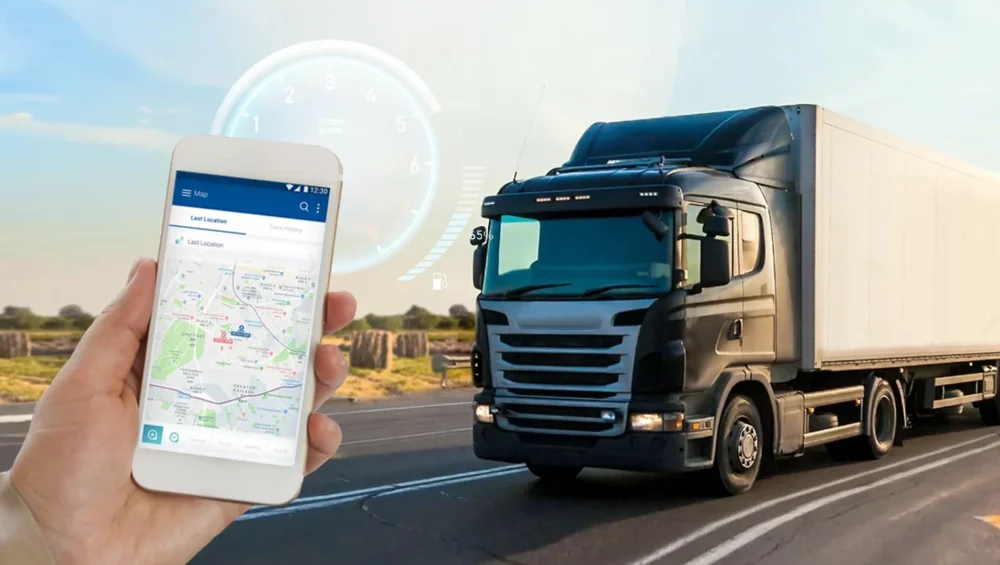
Once your fleet policies are established, the next step is equipping your vehicles with GPS tracking and telematics. These tools transform your fleet’s operations into actionable data. You’ll gain passive insights into vehicle locations, driving habits, and emerging issues – helping you address problems before they escalate into costly repairs or safety risks. Paired with clear policies, this technology ensures you can enforce standards effectively.

Done right, these systems can quickly pay for themselves by cutting fuel costs, reducing maintenance expenses, and improving how your assets are utilized.

Select the Right GPS Tracking Solution

When choosing a GPS tracking system, reliability and practicality are key. The device should withstand real-world conditions like rain, snow, extreme heat, and freezing temperatures, all while being simple to install and maintain.

For ease of use, opt for battery-powered and wireless devices. Unlike hardwired systems, which often require professional installation and add to upfront costs, battery-powered trackers can be installed in minutes by anyone on your team. Just make sure the battery life is long-lasting – ideally several years – so you’re not constantly replacing batteries or dealing with dead devices.

Another must-have feature is a waterproof design. Since trackers are often exposed to the elements or mounted in vulnerable areas, they need to endure harsh weather without failing. A device that breaks down after the first rainstorm isn’t worth the savings.

Equally important is the tracking platform itself. It should offer location updates, movement alerts, and geofencing capabilities. For example, you should receive instant notifications if a vehicle leaves a designated area. A user-friendly interface that’s accessible 24/7 ensures you can monitor your fleet anytime.

Pay attention to the cost structure as well. Some providers lock you into long-term contracts with hidden fees, while others offer flexible, month-to-month plans. For instance, Piritiz GPS devices provide a waterproof, wireless design with up to 5 years of battery life. Their pricing starts at $9.95/month with no contracts or activation fees, and prepaying for a longer term can lower the cost to $7/month. However, the month-to-month option gives you flexibility if your fleet size or needs change.

Finally, think about scalability. If you’re managing five vehicles today but expect to expand to 20 next year, ensure the system can grow with you without requiring a complete overhaul.

Once your GPS tracking is in place, the next step is to use the data to make informed decisions.

Use Telematics Data for Operational Insights

GPS tracking tells you where your vehicles are, but telematics goes deeper, revealing how they’re being used. It provides data on speed, acceleration, braking, idle time, and engine diagnostics. This level of detail helps you move beyond simply knowing a vehicle’s location – it allows you to assess how efficiently and safely it’s being operated.

One of the most valuable insights telematics offers is into driver behavior. By monitoring patterns like harsh braking, rapid acceleration, and excessive idling, you can address specific issues. Instead of vague feedback like "drive more carefully", you can provide fact-based input, such as, "I noticed 12 hard braking incidents during Tuesday’s route. Let’s discuss what happened and how to avoid it."

Telematics also helps you improve fuel efficiency. For example, it can identify drivers who idle excessively or routes that consistently lead to higher fuel consumption. You might find that a certain delivery route is less efficient during peak traffic hours, prompting you to adjust schedules. Even small changes can add up – cutting idle time by just 10 minutes per vehicle per day can save hundreds of gallons of fuel annually.

Another major benefit is vehicle health monitoring. Telematics systems can track engine hours, detect fault codes, and alert you to potential mechanical issues before they lead to breakdowns. If a vehicle’s check engine light comes on, you’ll know immediately – even if the driver doesn’t report it. You can pull diagnostic codes remotely to decide whether the vehicle needs immediate attention or can complete its route before being serviced.

By using telematics, you can transition from reactive to proactive fleet management. For example, if you have 20 vehicles and limited maintenance staff, telematics can help you prioritize which vehicles need attention first. Maybe one truck is showing elevated engine temperatures, while another is due for an oil change based on mileage. This approach allows you to schedule maintenance based on actual needs rather than arbitrary timelines.

Over time, you’ll establish a performance baseline for your fleet. You’ll know what’s normal for fuel consumption, maintenance schedules, and driver behavior. When something deviates from these benchmarks, you can investigate and address it before it becomes a bigger issue.

To get the most out of telematics, it’s important to review the data regularly. Set aside time each week to analyze trends, identify areas for improvement, and take action based on the insights you uncover.

Step 3: Monitor and Reduce Fuel Consumption

After leveraging GPS tracking and telematics for insights, the next step is to focus on cutting fuel consumption. Since fuel costs make up a large portion of fleet expenses, even small improvements in efficiency can lead to noticeable savings. GPS and telematics tools are invaluable for pinpointing drivers, routes, and habits that contribute to higher fuel use, allowing for targeted adjustments.

Spot Inefficient Driving Habits

Start by determining your fleet’s baseline fuel efficiency. Calculate the average miles per gallon (MPG) for each vehicle type under normal operating conditions, ensuring comparisons are made between similar vehicle types and tasks. If a specific vehicle shows significantly lower MPG than others, it could point to a mechanical issue or less efficient driving practices.

Telematics systems can help you track key factors that affect fuel use, such as:

  • Excessive idling: Long idle times waste fuel unnecessarily, so monitor and address this behavior.
  • Harsh acceleration or braking: Sudden speed changes burn more fuel. Use telematics to identify and correct these patterns.
  • Speeding: High speeds reduce fuel efficiency. Encourage drivers to maintain steady speeds for better conservation.
  • Inefficient routes: Roads with frequent stops or heavy traffic increase fuel consumption. Look for alternative routes to save on gas.

Teach Drivers Fuel-Saving Techniques

Once inefficiencies are identified, share data-driven feedback with your drivers. Offer practical advice, such as:

  • Turning off engines during extended stops to avoid wasting fuel.
  • Accelerating and braking smoothly to maintain better fuel efficiency.
  • Using cruise control when possible to keep speeds consistent.
  • Reducing unnecessary weight in vehicles to improve MPG.

Incorporate these tips into regular safety or performance meetings. Provide ongoing feedback and set realistic goals for gradual improvement. Over time, these changes not only cut fuel costs but also reduce wear and tear on vehicles and help minimize environmental impact.

Step 4: Optimize Routes for Efficiency

After addressing fuel consumption through driver behavior, the next step is to refine the routes themselves. Poorly planned routes lead to wasted time, extra mileage, and higher fuel expenses. Every additional mile adds up quickly. By leveraging passive data and smart scheduling, you can cut down on travel time, reduce vehicle wear and tear, and keep customers happy with more reliable delivery windows. These insights help create precise and efficient delivery plans.

Use passive Data for Route Adjustments

Even the best-planned routes can fall apart when real-world conditions come into play. Traffic jams, accidents, road construction, and weather changes can turn a smooth route into a costly detour. passive route optimization allows drivers to avoid these issues as they arise.

Modern GPS systems track current traffic and road conditions, giving dispatchers the ability to reroute vehicles instantly. For example, if a major highway is backed up, the system can suggest an alternate path that saves both time and fuel. This is especially valuable for time-sensitive deliveries.

Weather is another factor that can impact route efficiency. Heavy rain, snow, or ice can slow down travel significantly. By monitoring weather forecasts and current conditions, you can adjust routes to bypass hazardous areas or account for slower travel times. This not only improves safety but also helps maintain realistic schedules.

Mobile tracking tools also play a crucial role in making immediate route adjustments. With passive visibility, dispatchers can see where every vehicle is at any given moment. This allows them to make informed decisions, such as directing the closest driver to an urgent customer request or finding the quickest, safest route to a destination.

Providing both dispatchers and drivers with up-to-date information is essential. Drivers equipped with mobile devices or in-vehicle systems can adjust their routes on the fly without constant back-and-forth communication. This reduces unnecessary radio chatter and lets drivers focus on navigating safely and efficiently.

While passive adjustments are critical, proactive planning can also go a long way in reducing wasted mileage and delays.

Plan Efficient Delivery Schedules

Careful scheduling before drivers hit the road can eliminate unnecessary miles. The key is to group stops by location and arrange them in a logical sequence.

Start by mapping out all the day’s stops. Look for clusters of deliveries or service calls in the same area and assign them to the same driver. Consolidating stops in nearby neighborhoods into one trip – an approach called route density optimization – can significantly reduce overall mileage.

Take delivery time windows into account as well. Some customers may require deliveries at specific times, which can limit your routing flexibility. Start by scheduling these fixed-time stops, then fill in the remaining flexible stops along the most efficient route. This avoids scenarios where a driver has to crisscross the city unnecessarily, saving both time and fuel.

If you handle recurring routes, historical data can be a goldmine for fine-tuning your schedules. For instance, if certain stops consistently take longer than anticipated, adjust your time estimates to better reflect reality. Similarly, if specific roads or intersections are known for bottlenecks during certain hours, plan routes that avoid them during peak times.

When creating daily schedules, also consider vehicle capacity. Overloading a vehicle or planning routes without factoring in capacity can lead to mid-route returns, which waste time and fuel.

To make this process even easier, investing in GPS tracking systems can be a game-changer. For example, Piritiz offers subscription plans starting at $9.95 per month, making advanced GPS tracking affordable for fleets of any size. With the ability to view all your vehicles on a single map, identifying inefficiencies and optimizing schedules becomes much simpler. The savings in fuel costs and productivity often outweigh the initial investment.

Lastly, build in a little buffer time for unexpected delays. Overly tight schedules can create stress for drivers, leading to rushed and potentially unsafe driving. Adding a few extra minutes to each route gives drivers breathing room for minor setbacks, ensuring smoother operations and better service overall.

Step 5: Perform Regular Vehicle Maintenance

After optimizing routes, keeping vehicles in top shape is crucial for a reliable fleet. Skipping maintenance might save time in the short term, but it often leads to bigger problems down the road. A single breakdown can throw off schedules, upset customers, and leave drivers stranded.

Preventive maintenance helps you catch small issues early. For example, replacing brake pads is far cheaper than dealing with a full brake system failure. Routine upkeep extends the life of your vehicles, allowing you to get more miles out of them before replacements are necessary. Plus, well-maintained vehicles run more efficiently, use less fuel, produce fewer emissions, and break down less often. This not only boosts operational performance but also keeps drivers safer and happier.

Managing maintenance across a fleet can be tricky, especially when vehicles accumulate miles at different rates. But just like route planning, a consistent maintenance strategy is essential to keep your fleet running smoothly.

Create a Maintenance Checklist

A detailed checklist ensures no maintenance task is overlooked. Organize it by frequency and vehicle system to stay on top of what needs attention and when.

  • Daily Visual Inspections:
    Drivers should do quick checks before heading out, including:
    • Inspecting tire pressure, tread depth, and any visible damage.
    • Testing all lights – headlights, brake lights, turn signals, and hazard lights.
    • Checking for fluid leaks under the vehicle or around the engine.
    • Verifying wiper blades and washer fluid levels.
    • Pressing the brake pedal and testing the parking brake for responsiveness.
  • Weekly Maintenance Tasks:
    These involve slightly more detailed checks:
    • Checking engine oil levels and topping off if needed.
    • Inspecting belts and hoses for cracks or loose connections.
    • Cleaning battery terminals and ensuring they’re secure.
    • Using a gauge to confirm proper tire inflation.
    • Reviewing dashboard alerts or warning lights that appeared during the week.
  • Monthly Inspections:
    Go deeper with these tasks:
    • Rotating tires to ensure even wear and prolong their lifespan.
    • Testing and topping off fluid levels, including power steering, transmission, and coolant.
    • Inspecting the exhaust system for leaks or damage.
    • Replacing dirty air filters.
    • Examining the suspension for worn components that could affect safety or handling.
  • Seasonal Maintenance:
    Prepare for weather changes with these checks:
    • Before winter: Test antifreeze levels, check battery strength, inspect heating systems, and install winter tires if needed.
    • Before summer: Test air conditioning, check coolant levels to prevent overheating, and inspect seals and weather stripping for heat-related wear.

For heavy-duty vehicles, maintenance often follows service levels like Class A, B, C, and D. These range from basic visual inspections (Class A) to more in-depth overhauls (Class D). Aligning your schedule with these categories ensures every vehicle gets the attention it requires.

A detailed checklist not only prevents unexpected breakdowns but also supports your fleet’s overall efficiency. While manually tracking these tasks can get overwhelming as your fleet grows, a structured approach helps streamline maintenance, reduce downtime, and keep operations running smoothly.

Step 6: Track and Analyze Key Performance Metrics

Once your maintenance routines are in place, the next step is to track key performance metrics. This allows you to spot inefficiencies and make targeted adjustments. By leveraging insights from telematics and GPS systems, you can identify problem areas, prioritize corrective actions, and refine operations. Focusing on metrics that matter most helps you determine which vehicles need immediate attention, which drivers could use additional coaching, and where cost-saving measures are possible – all while maintaining quality and efficiency. Regular monitoring ensures you catch potential issues early, preventing them from escalating into costly problems.

Establish Core Metrics for Fleet Performance

Start by pinpointing the metrics that have the biggest impact on your fleet’s performance and costs. Instead of drowning in data, focus on a handful of key indicators that provide a clear snapshot of your fleet’s health:

  • Fuel Efficiency: Compare each vehicle’s fuel consumption against its manufacturer specifications. Large deviations could point to mechanical issues or inefficient driving habits.
  • Maintenance Costs: Track repair and upkeep expenses on a per-vehicle basis. High cost-per-mile figures might signal it’s time to retire or replace a vehicle.
  • Vehicle Utilization: Measure how often each vehicle is actively in use versus sitting idle. Low utilization could indicate scheduling problems or an oversized fleet.
  • Driver Safety Metrics: Monitor behaviors like harsh braking, rapid acceleration, and speeding. These can highlight drivers in need of additional training or coaching.
  • On-Time Delivery Rates: Use this as a measure of customer satisfaction and operational efficiency. Repeated delays might point to issues with route planning or scheduling.
  • Idle Time: Excessive idling wastes fuel and wears down engines faster than necessary.

Tools like GPS trackers, such as Piritiz, simplify the process of gathering and analyzing these metrics. With features like movement-triggered location updates via a mobile app, you can monitor vehicle locations, movement patterns, and receive instant alerts for unusual activity. The reporting tools help you identify trends without needing to crunch numbers manually. Plus, with subscription plans ranging from $7 to $9.95 per month per vehicle, the cost is relatively low compared to the potential savings.

By tracking these metrics daily, you can make informed decisions that steadily improve your fleet’s performance.

Use Data to Prioritize Daily Tasks

Metrics are only useful if they drive action. Once you’ve established a baseline, incorporate these insights into your daily and weekly planning. Start each week by reviewing your performance dashboard to pinpoint areas needing attention:

  • Identify vehicles with poor fuel efficiency and determine if the issue stems from maintenance problems or driver behavior.
  • Address maintenance alerts promptly to fix minor issues before they lead to costly breakdowns.
  • Analyze scheduling data to spot recurring delays or bottlenecks that require adjustments.

Create a priority system based on how significantly an issue impacts overall performance. For example, a vehicle consuming more fuel than expected or a driver frequently exceeding speed limits should be addressed immediately. Meanwhile, less urgent matters can be scheduled for follow-up later.

Recognize and reward top performers as well. If certain drivers consistently demonstrate safe, fuel-efficient driving, highlight their achievements. Learning from their practices and celebrating their success can motivate the entire team.

Set up automated alerts for critical thresholds – such as spikes in fuel consumption, overdue maintenance, or repeated speeding violations. This allows you to focus on strategic planning while letting the system flag urgent issues for your attention.

Finally, review trends over time rather than reacting to isolated anomalies. Comparing data across months or quarters helps you spot meaningful patterns. Keep in mind that some metrics, like fuel efficiency, may vary seasonally. For instance, winter conditions might affect performance compared to other times of the year.

Turn these insights into specific, actionable steps with clear ownership and deadlines. Don’t stop at noting high fuel costs or rising maintenance expenses – outline the exact measures needed to investigate and resolve the problem. This structured, proactive approach ensures that small, consistent improvements add up to significant gains in efficiency and cost savings over time.

Step 7: Improve Communication with Drivers

Clear and timely communication is a cornerstone of efficient fleet operations. Instant updates help avoid confusion, missed deliveries, and unnecessary fuel consumption. When drivers receive precise instructions and actionable feedback, they can make better decisions on the road.

Today’s fleet management goes beyond occasional calls or end-of-day check-ins. Drivers need location updates about traffic, route changes, and policy reminders. Meanwhile, managers benefit from sharing performance insights in a way that avoids micromanagement. A well-thought-out communication strategy not only reduces mistakes but also ensures drivers feel supported and informed.

Let’s explore how digital tools can simplify communication and improve operational efficiency.

Use Digital Communication Tools

Relying on paper logs or radios is outdated and inefficient. Digital tools allow managers to instantly send critical updates, such as route changes, weather alerts, or customer requests, directly to drivers. Mobile apps make this process seamless, enabling drivers to confirm receipt, ask questions, or report issues in passive.

Take GPS tracking systems like Piritiz, for example. These systems often come with mobile app features that act as communication hubs. Beyond tracking vehicle locations, these apps deliver passive alerts. If a customer changes their delivery window or unexpected traffic arises, managers can notify drivers immediately, cutting down on confusion and potential errors.

Another benefit of digital communication is the ability to keep a record of all exchanges. If there’s ever a dispute over instructions or updates, having a message history allows both management and drivers to clarify misunderstandings and ensure accountability.

To keep work communications organized, consider using a dedicated messaging platform. This separates work-related messages from personal ones, ensuring nothing important gets overlooked. Group messages can handle general announcements, while direct messages are ideal for individual coaching or specific instructions.

Digital communication also makes performance feedback more constructive. Managers can share telematics data and brief explanations through the app, giving drivers time to review and respond without the pressure of face-to-face discussions. This approach often reduces tension and encourages thoughtful dialogue.

For urgent updates, push notifications are ideal, but it’s important to limit non-critical alerts to avoid overwhelming drivers with unnecessary pings.

Finally, digital tools create a two-way communication channel. Drivers can report vehicle issues, request assistance, or suggest route improvements without waiting for scheduled check-ins. This immediate feedback loop helps resolve problems quickly and fosters a collaborative work environment.

These tools also support regular updates on safety and performance, which we’ll discuss next.

Provide Regular Safety and Efficiency Updates

Consistent safety and efficiency updates help keep drivers aligned with fleet goals. Regular meetings are a great way to share updates on safety protocols, operational changes, and performance metrics. These don’t have to be long – short, focused sessions can be just as effective.

Start meetings with safety tips tailored to current conditions. In winter, for instance, discuss safe driving on icy roads. In summer, focus on staying hydrated and inspecting vehicles in high heat. Addressing real-world challenges makes safety advice more relevant and actionable.

When discussing performance metrics, highlight positive trends rather than focusing on shortcomings. For instance, if fuel efficiency improves, celebrate the drivers who contributed to that success. If performance dips, frame it as an opportunity to identify and address challenges together, rather than singling anyone out.

Use these meetings to explain the reasoning behind new policies or procedures. For example, if stricter idle time limits are introduced, explain how idling increases fuel consumption and engine wear. Helping drivers understand the broader impact can motivate them to adjust their habits.

Encourage drivers to share their insights during these sessions. They’re often the first to notice inefficiencies or potential improvements. Providing a platform for their feedback shows that management values their expertise and fosters a team-oriented culture.

If your fleet operates across multiple shifts, rotate meeting times to ensure all drivers have access to important updates. You can also record key points and share them through your digital communication platform so everyone stays informed, regardless of their schedule.

Weekly performance summaries sent via email or a dedicated app can also be helpful. These summaries might include metrics like miles driven, fuel efficiency, safety scores, and on-time delivery rates. By focusing on trends rather than individual judgments, drivers can identify areas for improvement without feeling criticized.

Regular communication reinforces training initiatives, such as reminders after a defensive driving session, and builds transparency around company performance. When drivers see how their efforts contribute to successes – like higher delivery volumes or cost savings – they feel more invested in the company’s goals.

Consistency is key. When drivers know to expect updates at regular intervals, it builds trust and emphasizes that fleet performance is always a priority, not just an occasional focus.

Step 8: Conduct Regular Performance Reviews

Building on the earlier discussion about telematics and GPS tracking, regular performance reviews are where data meets dialogue. These reviews help pinpoint inefficiencies, recognize top performers, and address potential issues before they escalate.

The key is to balance hard data with driver input. While the numbers reveal what’s happening, drivers can shed light on why. This dynamic fosters accountability while giving drivers a clear understanding of their performance and areas for improvement.

Review Driver Performance Metrics

Start by diving into the data. Telematics systems track critical metrics like harsh braking, rapid acceleration, speeding, and idling time. Instead of focusing on one-off incidents, look for patterns over time. For instance, if a driver’s fuel efficiency has declined over the past month, examine the data closely. Are they taking longer routes? Idling more frequently? Driving during peak traffic hours? These details provide essential context.

Driver scorecards can simplify this process. Combine safety, efficiency, and reliability metrics into an easy-to-read format, such as a 1-10 scale or letter grades. These tools make it easier for drivers to grasp their performance without sifting through raw data. Scorecards also highlight areas for improvement while rewarding safe and efficient drivers. For example, a driver who consistently excels in safety but struggles with fuel efficiency can be coached on eco-driving techniques.

Safety should always remain a top priority. Review accident reports, near-miss incidents, and vehicle damage claims. For drivers with multiple incidents, schedule one-on-one discussions to understand the root cause. Are they rushing to meet tight deadlines? Could they benefit from additional defensive driving training?

When analyzing metrics, it’s important to avoid making drivers feel like they’re under constant surveillance. Use the data as a tool for constructive conversations. Focus on support and solutions rather than simply pointing out flaws.

Performance data can also uncover broader issues. If several drivers are struggling with excessive idling, for example, it might indicate a scheduling issue or unclear delivery instructions rather than individual behavior. Identifying these trends can lead to meaningful operational improvements.

Finally, celebrate the wins. If fleet-wide fuel efficiency improves after introducing eco-driving training, share the success with your team. Recognizing progress reinforces positive behaviors and keeps morale high.

Gather Feedback to Refine Fleet Operations

Numbers alone can’t tell the whole story. Drivers are on the front lines and often have valuable insights into what’s working and what isn’t. Ignoring their input means missing opportunities to enhance efficiency and morale.

Create open lines of communication where drivers feel comfortable sharing their thoughts. This could be through chat platforms, feedback portals, or regular check-ins. The format matters less than ensuring consistency and responsiveness.

During performance reviews, ask targeted questions. Are there routes that consistently create challenges? Are certain delivery locations difficult to access? Do they have the tools they need to perform their jobs effectively? These conversations often reveal practical issues that data might overlook.

Listening to drivers reduces turnover and boosts satisfaction. Replacing and training new drivers is expensive and time-consuming. Short surveys – five to seven questions max – can help monitor satisfaction levels. Focus on actionable topics like equipment quality, schedule fairness, and management support.

In September 2025, Shu-Ling Su, General Manager of Chi Sheng Transportation in Taiwan, emphasized the ongoing challenge of recruiting and training professional drivers. To address this, they introduced regular eco-driving training and preventive maintenance programs to keep their fleet in optimal condition.

Driver feedback is also crucial when introducing new tools or policies. Before rolling out a new GPS system or altering dispatch procedures, consult experienced drivers. They can often spot potential issues and suggest adjustments to make the transition smoother.

Feedback can also shape training programs. If multiple drivers struggle with tasks like securing loads or using new software, it signals a gap that targeted training can fill.

Remember, performance reviews should be two-way conversations, not one-sided lectures. Give drivers the chance to explain their performance or propose solutions. They might offer perspectives you hadn’t considered.

Act on the feedback you receive. If drivers see their input leading to tangible changes – like improved routes, better tools, or clearer policies – they’ll be more likely to share ideas in the future.

Of course, not all suggestions can be implemented immediately. Budget constraints or contractual obligations might delay certain improvements. Be upfront about these limitations, but also explain what steps you can take in the meantime.

Regular performance reviews, when paired with earlier steps like monitoring fuel consumption and route planning, create a well-rounded management strategy. By balancing data-driven insights with open dialogue, you can elevate your fleet’s performance beyond just meeting the basics.

Step 9: Optimize Financial Performance

Once you’ve fine-tuned operations with performance data and driver feedback, it’s time to zero in on the financial side of fleet management. Even the best routes and most reliable vehicles won’t deliver results if operating costs spiral out of control. Financial optimization is all about knowing exactly where your money is going so you can make smarter decisions about spending, saving, and investing. Breaking down your expenses is crucial for boosting overall efficiency.

Track and Compare Expenses

Fleet expenses can quickly get out of hand if they’re not closely monitored. Costs like fuel, maintenance, insurance, registration fees, parts, driver wages, and vehicle depreciation can pile up fast. Start by categorizing these expenses to pinpoint areas that may need attention. For instance, if repair costs are consistently high, it might make more sense to replace a vehicle rather than continue patching it up.

Fleet management software can help centralize all this data – covering assets, drivers, fuel, parts, and costs – while offering features like automated receipt tracking and diagnostic port monitoring. Research shows that using a comprehensive fleet management system can cut costs by up to 30% and improve efficiency by 40%. For a fleet of 50 vehicles, this could mean annual savings of over $100,000, with the system paying for itself in just 12–16 months.

When choosing fleet management software, focus on plans or modules that match your specific needs. Avoid paying for unnecessary features. Free trials and ROI calculators can give you a clearer picture of potential savings, and comparing the total cost of ownership – including hardware, software, implementation, support, and any additional fees – can help you sidestep hidden costs.

Fuel is often the biggest variable expense, with 52% of logistics professionals spending more than 20% of their monthly budget on it. Tracking fuel usage by vehicle, driver, and route can uncover inefficiencies worth addressing. Maintenance costs are another area to watch closely. For example, only 14% of small fleets (1–4 vehicles) use maintenance software, compared to 56% of larger fleets (50+ vehicles). Regular expense reviews – monthly for immediate issues and quarterly for long-term trends – can keep costs in check. Monitoring the total cost of ownership (TCO) for each vehicle, including purchase price, depreciation, fuel, maintenance, insurance, and other expenses, can inform decisions about when to replace older vehicles.

Once you’ve got a handle on your expenses, the next step is finding ways to cut costs through better supplier agreements.

Negotiate Better Supplier Agreements

With a clear understanding of your expenses, you’re in a strong position to negotiate better deals with suppliers. Start with your fuel providers – ask about fleet fuel cards or volume discounts. Even small savings per gallon can add up significantly across your entire fleet.

For parts and maintenance, consider multi-year contracts or cooperative purchasing agreements to secure better rates. Work directly with vendors to reduce purchasing costs and establish price guarantees to shield yourself from future price hikes. If you outsource maintenance, gather quotes from several providers to ensure you’re getting the best value.

Financial optimization isn’t a one-time task – it requires consistent attention. By combining operational improvements with careful financial management, you’ll create a fleet that runs smoothly and remains cost-effective for the long haul.

Step 10: Continuously Evaluate and Improve Your Fleet Strategy

Managing a fleet isn’t a "set-it-and-forget-it" situation. Fuel prices, regulations, technology, and customer needs are constantly shifting, and staying ahead means treating efficiency as a continuous process. The best fleet managers regularly analyze their operations and adjust strategies based on passive data.

Think of your fleet strategy as a living document. It should be updated frequently using insights from tools like GPS tracking, telematics, and performance metrics. Without this ongoing evaluation, you risk missing opportunities to cut costs or enhance service quality.

Set Long-Term Goals for Fleet Efficiency

Establishing clear and measurable goals is key to improving fleet efficiency. Dive into data on fuel consumption, maintenance expenses, vehicle usage, driver performance, and customer feedback to identify trends and set targets.

Your goals should be specific and time-bound. For instance, instead of vaguely aiming to "reduce fuel costs", set a concrete goal such as cutting fuel consumption by 10% within six months by addressing issues like excessive idling and inefficient routes. Similarly, rather than broadly aiming to "improve vehicle uptime", define a clear target based on your fleet’s operational needs.

Breaking large goals into smaller, manageable milestones – like quarterly benchmarks – can help maintain focus and momentum. Involve your team in setting these goals to ensure they’re realistic and achievable. Visual dashboards that track key metrics can also keep everyone aligned and help you make timely adjustments.

Once your goals are in place, explore emerging technologies to take your fleet’s performance to the next level.

Adopt New Technologies and Practices

The fleet management industry is undergoing rapid change, with new technologies paving the way for greater efficiency. For example, electric vehicles (EVs) are becoming a viable option for many fleets, offering long-term savings despite higher upfront costs. Before diving in, consider running a pilot program to evaluate factors like daily mileage needs, charging infrastructure, and route compatibility.

Beyond EVs, digital tools are transforming how fleets operate. AI-powered systems for route optimization and predictive maintenance can analyze data like traffic patterns, weather conditions, and vehicle usage to create more efficient routes and schedule repairs proactively. These tools help reduce downtime and improve overall performance.

Other innovations, like AI-enabled dash cams, can monitor risky driving behaviors – such as harsh braking or rapid acceleration – and provide instant feedback to drivers, promoting safer habits. While fully autonomous fleets are still on the horizon, semi-autonomous features like adaptive cruise control and lane-keeping assistance are already enhancing safety and reducing driver fatigue.

You should also explore alternative fuels, such as compressed natural gas (CNG), propane, or biodiesel, depending on your fleet size, routes, and what’s readily available in your area.

Finally, staying ahead means keeping up with changing regulations. Whether it’s emissions standards, electronic logging devices, or driver hour rules, compliance is non-negotiable. Create a process for evaluating new technologies, gathering input from your team, and testing solutions on a small scale before rolling them out fleet-wide.

Conclusion

Managing a fleet efficiently isn’t just about checking off tasks – it’s about creating a well-thought-out system that covers every aspect of your operations. From setting clear policies and using GPS tracking to keeping an eye on fuel usage, fine-tuning routes, and staying ahead with vehicle maintenance, each step works together to improve productivity and cut costs.

Looking back at the 10-step checklist, it’s clear that each action contributes to a smoother, more cost-efficient operation. Start by addressing your most pressing challenges, and remember that fleet management is an ongoing effort rather than a one-time fix.

Modern tools like GPS and telematics make this process much easier by offering passive insights. For instance, telematics can notify you when a vehicle requires maintenance, reducing the risk of unexpected breakdowns. Meanwhile, GPS tracking allows you to spot inefficient routes and adjust them in passive, saving both time and fuel.

This checklist serves as a practical guide to tackle each area systematically. Use it to track your progress, measure outcomes, and make data-driven decisions to refine your approach.

As emphasized throughout this guide, staying proactive is crucial. Whether it’s adapting to business growth, complying with new regulations, or leveraging emerging technologies, the most successful fleets are those that continually assess and improve their strategies. By following these steps, you’ll be well-equipped to navigate the challenges ahead.

FAQs

How can telematics and GPS tracking help improve my fleet’s efficiency and safety?

Telematics and GPS tracking systems play a key role in boosting your fleet’s efficiency and safety. With passive vehicle tracking, you can monitor your fleet’s movements, keep tabs on driver behavior, and fine-tune routes for better performance. The result? Lower fuel usage, faster deliveries, and fewer unnecessary miles on the road.

These tools also encourage safer driving habits by flagging risky actions like speeding or sudden braking, which can help cut down on accidents. Plus, by simplifying operations and improving maintenance schedules, telematics can reduce downtime and trim operational costs. The outcome is a fleet that’s not only more productive but also more budget-friendly.

What key metrics should I monitor to improve fleet efficiency and cut costs?

To get the most out of your fleet and keep costs in check, it’s essential to monitor key factors like vehicle status, maintenance schedules, fuel consumption, driver behavior, and operational expenses. These areas provide critical insights into how well your fleet is running and where improvements can be made.

By staying on top of these metrics, you can spot inefficiencies, avoid expensive repairs, and encourage safer driving practices. For instance, sticking to a regular maintenance schedule helps prevent unexpected breakdowns, while reviewing fuel consumption and driver habits can reveal ways to cut fuel costs and boost overall efficiency.

What are the best ways to implement and enforce fleet management policies to ensure compliance and encourage better driver behavior?

To put effective fleet management policies into action, start by defining your expectations clearly and communicating them to your drivers. A written policy document is a great way to do this. It should cover essential rules like safe driving practices, vehicle maintenance duties, and adherence to federal and state regulations. Keep the language straightforward and ensure every team member can easily access it.

Take advantage of technology like GPS tracking systems and telematics to monitor driver behavior. These tools provide passive insights into actions like speeding, harsh braking, and idling. With this data, you can quickly address problem areas and guide drivers toward improvements. Recognizing and rewarding positive behaviors, such as maintaining a clean safety record, can further encourage adherence to policies.

Regular training is another key element. Host workshops or schedule one-on-one meetings to review performance metrics, offer constructive feedback, and tackle any concerns drivers may have. By combining clear policies, smart technology, and ongoing training, you can build a fleet culture that prioritizes accountability and continuous progress.

Related Blog Posts

How to Track Equipment on Job Sites Without PowerCategoriesUncategorized

How to Track Equipment on Job Sites Without Power

Keeping track of equipment on off-grid job sites can be challenging, especially without access to power. Theft risks, costly delays, and inefficient recovery processes make reliable tracking a must. Fortunately, modern solutions like solar-powered trackers and long-life battery trackers ensure 24/7 monitoring without external power sources. Here’s what you need to know:

  • Solar-powered trackers: Use sunlight to recharge, ideal for outdoor equipment in sunny locations.
  • Long-life battery trackers: Operate for years on a single charge, perfect for shaded or indoor assets.
  • Key features: Durable designs, passive alerts, and easy installation options like magnetic mounts or adhesives.
  • Cost breakdown: Devices range from $100–$330, with monthly service plans starting at $7.

Choose the right tracker based on your equipment type, site conditions, and maintenance preferences. Both options provide dependable asset protection and reduce downtime, ensuring your tools are secure and accounted for.

Power-Free Tracking Options Explained

When you’re working at off-grid job sites, traditional plug-in GPS systems just don’t cut it. And if you’re using basic battery-powered trackers, constant battery changes can quickly turn into a major hassle – especially when equipment sits idle for weeks or months at a time. That’s where power-free tracking solutions come into play.

Solar-powered trackers offer a practical solution by turning sunlight into energy. These devices feature small photovoltaic panels that recharge an internal battery, powering both the GPS module and the cellular transmitter. Even in cloudy or low-light conditions, solar panels often generate enough energy to keep things running. This makes them a great fit for outdoor equipment like excavators, bulldozers, generators, and trailers – basically, anything parked in open areas where sunlight is readily available.

For situations where sunlight isn’t reliable, long-life battery trackers step in as a dependable alternative. These trackers use high-capacity lithium batteries combined with energy-efficient GPS technology. By optimizing power usage, they conserve energy with smart reporting schedules – sending fewer location updates during idle periods and more frequent updates when movement is detected. Some models, like Piritiz trackers, can last up to 5 years on a single charge. They achieve this by staying in a low-power sleep mode until it’s time to collect and transmit location data, cutting down on maintenance needs while ensuring reliable operation.

Each option has its strengths. Solar trackers thrive in outdoor environments with consistent sun exposure, while battery trackers are better suited for equipment in shaded or indoor areas since they don’t rely on light to function.

However, environmental conditions can still impact performance. For example, snow or ice can reduce the effectiveness of solar panels, and extreme temperatures might affect battery efficiency despite modern lithium batteries being designed for tough conditions. Both types of trackers are built to withstand harsh environments, featuring waterproof designs and easy installation options like magnetic mounts or heavy-duty adhesives.

The biggest advantage of power-free trackers? They operate completely independently, with no need for external electrical infrastructure. By transmitting location data over cellular networks, these trackers ensure 24/7 monitoring – no matter where your equipment is located.

How Solar-Powered GPS Trackers Work

Solar-powered GPS trackers harness sunlight to keep themselves running. A solar panel collects sunlight and charges an internal battery through a charge controller. This battery then powers the GPS module and LTE modem, enabling the device to transmit location data seamlessly.

These solar panels are designed to work even on cloudy days. High-quality panels can still generate 25–40% of their typical power output under cloud cover.

The charge controller plays a critical role, sitting between the solar panel and the battery. It regulates the charging process to prevent overcharging or voltage issues, ensuring the system runs smoothly.

The internal battery – usually a lithium-ion or LiFePO4 type – stores the energy collected by the solar panel. This stored energy keeps the tracker operational during periods without sunlight. LiFePO4 batteries are especially dependable, as they perform well in extreme conditions and can last up to four years in standby mode while still sending daily location updates.

When light conditions are poor, trackers switch to a low-power standby mode, reducing the frequency of updates to conserve energy. Even with just a few hours of sunlight per week, these trackers can maintain essential functionality. While cold weather may reduce charging efficiency, LiFePO4 batteries are designed to handle such challenges effectively.

"Sunlight equals uptime, so placement matters." – SpaceHawk GPS

This combination of features ensures continuous tracking, making solar-powered GPS trackers ideal for passive monitoring and theft prevention, even in areas where power access is limited.

Advantages of Solar-Powered Trackers

One major advantage of solar-powered trackers is their ability to operate almost indefinitely in outdoor environments with regular sunlight. Once installed, they require little to no manual intervention. The automatic recharging process minimizes downtime and eliminates the hassle of frequent battery replacements.

These trackers are particularly useful for equipment parked in open areas. Even in regions with shorter daylight hours during winter, the battery’s stored energy helps maintain functionality during low-light periods.

Their durability is another standout feature. Built to endure tough conditions like dust, rain, and snow, these devices often come with waterproof housings that naturally shed debris. However, occasional cleaning is important, as dirt buildup can reduce solar panel efficiency by up to 20%.

"Cloudy days aren’t the enemy, neglect is." – SpaceHawk GPS

Features to Look For

When selecting a solar-powered GPS tracker, prioritize durability and smart power management.

  • Durability: Opt for trackers with waterproof housings that can withstand rain, snow, and dust. They should also be rugged enough to handle vibrations and impacts, especially in demanding environments like job sites.
  • Reliable Connectivity: Ensure the tracker supports LTE for consistent data transmission, even in remote areas.
  • Battery Capacity: While solar charging is a game-changer, a larger internal battery provides extra backup during extended cloudy periods. For instance, some models come with 10 Ah rechargeable lithium batteries capable of delivering up to 4,000 GPS positions on a single charge.
  • Efficiency: Look for monocrystalline solar panels, which are known for their 18–22% efficiency. These panels charge faster and perform better in low-light conditions. Advanced power management features, such as intelligent battery algorithms, optimize energy use by adjusting GPS update rates based on battery levels.
  • Mounting Options: Proper placement is key. Choose a clean, flat surface with maximum exposure to sunlight to ensure optimal performance.

Long-Life Battery Trackers: Power Without Solar

Long-life battery trackers rely on built-in batteries designed to last for extended periods – ranging from weeks to years – without requiring solar charging. These devices are built for energy efficiency, making them ideal for stationary equipment or assets in locations where solar power isn’t practical.

Their impressive battery life comes from adjustable tracking intervals. By transmitting updates at set intervals – hourly, daily, or even weekly – they conserve energy while still delivering essential location data. Depending on the settings, some models can last over 10 years with minimal updates. This makes them a great choice for equipment in areas where solar charging isn’t feasible, emphasizing the importance of customizable reporting schedules.

These trackers use lithium batteries, which perform reliably even under extreme temperatures. While they sacrifice constant, location updates, they offer extended operational lifespans. If immediate location updates are critical, a continuously powered tracker might be a better fit. However, for assets that rarely move, periodic updates – once or twice a day – are often sufficient.

To enhance security, these trackers include alert systems that notify users of unexpected movements, boundary crossings, or tampering. These alerts are designed to activate quickly, providing theft protection without draining the battery excessively.

Durability is another key feature. Designed for challenging environments, these trackers often come in rugged, weather-resistant enclosures to withstand rain, dust, vibration, and impacts. This ensures they remain dependable even in harsh conditions.

When to Use Long-Life Battery Trackers

Long-life battery trackers are perfect for scenarios where assets remain stationary or move infrequently.

For instance, trailers parked at customer sites for weeks or months only need occasional location updates to confirm they’re still in place. Similarly, dumpsters and waste containers, often in shaded or covered areas where solar charging isn’t effective, benefit from these low-maintenance devices. Stationary machinery like generators, compressors, or welding equipment, as well as equipment stored indoors or in covered spaces, can also be effectively monitored with these trackers.

If your equipment rarely moves, these trackers provide a hassle-free solution with years of operation between battery replacements. However, for assets requiring continuous, passive location monitoring, a powered alternative might be a better fit.

How to Extend Battery Life

You can maximize the lifespan of long-life battery trackers by making a few adjustments.

  • Adjust reporting frequency: Switching from location updates to hourly or daily check-ins can extend battery life significantly – by up to 10 times. Many tracking platforms allow you to customize these intervals, so you can increase updates during high-risk periods and scale back during routine operations.
  • Regular maintenance: Although these trackers require minimal upkeep, occasionally checking for secure mounting, intact housing, and cleanliness helps maintain efficiency.
  • Avoid temperature extremes: Mount trackers in locations that minimize exposure to direct sunlight or extreme cold, such as inside equipment compartments.
  • Optimize alert settings: Configure geofences and movement thresholds carefully to avoid unnecessary notifications, which can drain the battery.
  • Refine connectivity settings: If your equipment operates in open areas with strong GPS signals, you can deactivate advanced features like Wi-Fi sniffing or multi-GNSS systems to save power.

Finally, choose a tracker that matches your specific needs. For example, devices like those from Piritiz offer up to 5 years of battery life, making them ideal for long-term use on trailers, equipment, or fleet vehicles. With flexible monthly plans starting at $9.95 and no long-term contracts, they provide a cost-effective way to monitor assets without frequent battery changes.

Installing and Securing Trackers on Equipment

Ensuring trackers are installed securely is essential for uninterrupted monitoring on job sites, especially those without power. A well-installed tracker is less likely to fall off during transport, succumb to harsh weather, or become an easy target for theft. Choosing the right mounting method not only prevents data gaps but also saves you the trouble of replacing lost or damaged devices.

The good news? Most trackers are designed for quick installation – usually in under five minutes. However, taking a little extra time to choose the best method can make all the difference in performance.

Mounting Methods for Different Equipment

Different equipment types require specific mounting solutions based on factors like movement, storage, and exposure to the elements. Here are some common options:

  • Magnetic mounts: These are perfect for metal surfaces like trailers, generators, or steel containers. They’re quick to install and don’t require drilling. However, they’re not ideal for equipment that vibrates heavily or for non-metal surfaces like fiberglass or plastic.
  • High-strength adhesive tape: Industrial-grade tape works on almost any surface and provides a strong, tool-free bond. It’s durable enough to withstand vibrations, temperature changes, and moisture.
  • Bolt-mounted installations: For high-value equipment or areas prone to theft, bolt-mounted trackers are a secure choice. Tamper-resistant bolts or anti-theft screws with custom bits add an extra layer of protection, making it harder for unauthorized removal.
  • Internal mounting: Installing trackers inside enclosed compartments – like battery boxes, tool compartments, or under seats – offers natural protection against weather and tampering. Just make sure to avoid areas with metal interference.
  • Camouflage techniques: Some trackers can be painted to match the equipment, making them harder to spot and less likely to be tampered with.
  • Rugged, waterproof housings: Trackers with IP67 or IP68 ratings are built to withstand rain, dust, and impacts. These are especially useful on construction sites where equipment often faces rough conditions.

Selecting the right mounting method ensures your tracker is secure and ready to perform in any environment.

Tracker Placement for Best Results

Once the tracker is securely mounted, proper placement is key to ensuring it works at its best. Whether it’s about getting a strong GPS signal, optimizing solar charging, or protecting the device, here’s what to keep in mind:

  • GPS signal reception: Place trackers where they have a clear view of the sky, away from metal obstructions. Mounting them on the top or upper surfaces of equipment typically provides the best signal. If indoor installation is necessary, choose spots near windows or openings.
  • Solar-powered trackers: For solar models, sunlight is crucial. Install them on horizontal surfaces facing upward or on south-facing vertical surfaces (if you’re in the Northern Hemisphere) to maximize sunlight exposure. Avoid shaded areas, as even partial shading can affect charging efficiency.
  • Battery-powered trackers: These offer more flexibility since they don’t rely on sunlight. They can be placed in covered areas, compartments, or indoor spaces. However, it’s still wise to avoid spots with extreme temperatures.
  • Discreet placement: To deter theft, consider hiding trackers in less obvious spots like under trailer frames, inside toolboxes, beneath seats, or within recessed areas of equipment.
  • Vibration considerations: For equipment exposed to frequent movement or rough terrain, avoid mounting trackers in high-vibration areas like engine mounts or suspension components. If unavoidable, use padding or vibration-dampening materials to reduce wear and tear.

After installation, test the tracker to ensure it provides accurate location data and maintains a strong signal. For solar-powered devices, monitor battery levels over a few days to confirm adequate charging. If signal or charging issues persist, adjust the placement as needed.

Lastly, keep a record of each tracker’s mounting location. A simple spreadsheet with equipment IDs, tracker serial numbers, and installation details can make future maintenance easier and help your team quickly locate devices when needed.

Taking the time to install and place trackers properly ensures your system remains reliable and effective.

passive monitoring and Security Alerts

Once your trackers are installed and up and running, passive monitoring transforms them into active security systems. These systems can alert you immediately to unauthorized movement, tampering, or boundary breaches, ensuring you’re always in the loop.

For off-grid job sites, this feature is a game-changer. Remote locations are often more vulnerable to theft simply because they’re harder to monitor in person. With instant alerts, you can act quickly – recovering equipment before it’s gone for good or even stopping theft in its tracks. This constant connection strengthens the security measures you’ve already put in place.

Key Alert Features You Should Know

Modern GPS trackers come with a range of alert options designed to spot issues early. By understanding these features, you can tailor your system to address the specific risks at your job site.

  • Geofencing: This feature lets you create virtual boundaries around your site or storage areas. If equipment crosses these invisible lines or moves unexpectedly, you’ll receive an immediate notification. This is especially helpful for monitoring equipment overnight or during weekends when no one’s on-site. You can set up multiple geofences, like one for the primary work area and another for designated storage zones.
  • Tampering Alerts: These alerts notify you if someone tries to disable or remove the tracker. They can detect when the tracker’s housing is opened, removed, or handled unusually. Some models also send alerts if the device suddenly loses power, which could indicate tampering.
  • Vibration Detection: This monitors for unusual vibrations, like someone trying to load equipment onto a truck or operating machinery without permission. It’s smart enough to differentiate between normal environmental factors, like wind or nearby traffic, and actual threats.
  • Low Battery Warnings: For battery-powered trackers, these alerts let you know when the charge is running low. This ensures you can recharge or replace the device before it stops working.

Most tracking platforms allow you to customize alert settings to suit your needs. For example, you might want instant notifications for geofence breaches but only daily updates for battery levels. Platforms like Piritiz make this easy to manage through their mobile app, giving you the exact information you need without overwhelming you with unnecessary notifications.

Why passive monitoring Matters

When paired with proper installation and secure mounting, passive monitoring ties everything together to keep your equipment safe.

  • Quick Response: If your equipment starts moving off-site in the middle of the night, you can immediately alert local authorities. With last recorded location data, law enforcement has a much better chance of recovering stolen equipment before it’s dismantled or transported out of state.
  • Fewer False Alarms: Intelligent alert systems can adapt to normal activity patterns. For instance, if your crew regularly moves equipment during work hours, the system can suppress alerts during those times while remaining vigilant overnight. This reduces unnecessary notifications and ensures you focus only on real threats.
  • Automatic Recordkeeping: Every movement is logged with timestamps, creating a clear record of when and how equipment was used. This data can be invaluable for resolving disputes, filing insurance claims, or conducting internal reviews.
  • Operational Insights: Over time, monitoring can reveal patterns in equipment usage. You might find that certain tools are sitting idle for long periods or that equipment is being moved more often than necessary, leading to wasted fuel and labor. These insights can help you streamline logistics and allocate resources more effectively.
  • Peace of Mind: For smaller contractors, the financial hit from stolen equipment can be devastating. Knowing you’ll be alerted the moment something goes wrong lets you focus on running your business without constantly worrying about security. With platforms like Piritiz offering movement-triggered location updates access via mobile apps, you can check on your equipment anytime, whether you’re at home, on another job site, or even out of town.

The key to getting the most out of passive monitoring is customizing your alerts. Strike the right balance – too many notifications can be overwhelming, while too few might leave you unaware of critical events. Fine-tune your settings based on what works best for your operation.

Solar vs. Long-Life Battery Trackers

Now that you know how solar-powered and long-life battery trackers operate, the next step is deciding which one suits your job site’s conditions best. Each type has its own advantages, and the right choice depends on factors like how your equipment is used, the location of your site, and how much maintenance you’re willing to handle. Let’s break down these considerations for both types of trackers.

Solar-powered trackers shine in environments where equipment is outdoors most of the time. If your job site is in a sunny location – think Arizona, Texas, or California – the solar panel continuously powers the tracker by harvesting energy during the day and storing it for nighttime use. This setup minimizes the need for frequent battery replacements, making it a practical choice for sunlit, open areas.

On the flip side, long-life battery trackers are ideal for settings where sunlight is scarce or equipment is often kept under cover. For example, in regions like the Pacific Northwest or during winter months, where sunlight is limited, battery-powered units are a better fit. These trackers can operate for up to five years without needing a battery replacement, depending on your reporting settings. Companies like Piritiz offer GPS trackers designed for long-term, low-maintenance performance in such conditions.

When it comes to maintenance, solar trackers require occasional cleaning, especially in dusty or muddy environments like gravel quarries or desert construction sites. Dirt and debris can reduce the panel’s efficiency. Battery trackers, however, demand very little upkeep until the battery needs replacing, which can be a big plus when managing a large fleet.

Cost is another key factor. Solar trackers typically have a higher upfront price due to the added hardware, such as the solar panel and charging components. However, they save on ongoing costs by eliminating the need for frequent battery replacements. Battery trackers, by contrast, are cheaper to purchase initially but involve occasional replacement costs. Over time, especially with extended battery life models, the overall expenses can balance out.

Weather resilience also plays a role. Both types are built to endure tough conditions, but solar panels – being an exposed component – can be more vulnerable to damage from hail or falling debris. Battery trackers, being more compact, can often be installed in concealed locations, reducing the risk of damage or tampering.

Feature Comparison Table

FeatureSolar-Powered TrackersLong-Life Battery Trackers
Power SourceSolar panel with backup batteryInternal battery (lithium or similar)
Continuous OperationRuns continuously with sunlightUp to 5 years, depending on settings
Upfront CostHigher due to additional hardwareLower with fewer components
Ongoing CostsMinimal (cleaning/maintenance)Occasional battery replacement
MaintenancePeriodic solar panel cleaningMinimal until battery replacement
Best ForOutdoor equipment in sunny areasIndoor or low-sunlight environments
Installation ComplexityModerate (requires panel orientation)Simple with flexible placement
Weather VulnerabilityMore exposed to environmental factorsCompact, with fewer exposed parts
Ideal EnvironmentsOpen sites, outdoor storage, sunny regionsWarehouses, enclosed yards
Reporting FlexibilityFrequent updates without power concernsExtended battery life for less frequent updates

The table highlights that neither tracker type is universally better – it all depends on your specific needs. For instance, if you manage a mixed fleet where some equipment is stored outdoors and other pieces are kept indoors, using both types might be the smartest approach. Solar trackers can handle outdoor machinery, while battery-powered units like those from Piritiz provide reliable tracking for indoor equipment.

Security is another consideration. Solar panels are more visible, which could make them a target for tampering. Battery trackers, on the other hand, are more discreet and less likely to attract attention. Some solar trackers do come with tamper alerts to notify you if the device is disturbed, adding an extra layer of security.

Ultimately, the choice comes down to aligning the tracker’s features with your operational needs, site conditions, and how much maintenance you’re prepared to handle. Both options provide dependable tracking for off-grid environments – select the one that fits your workflow best.

Cost Analysis for Long-Term Use

When considering equipment tracking systems, it’s important to look beyond the initial purchase price. These systems often justify their cost over time by reducing maintenance expenses, preventing theft, and improving operational efficiency. This ties directly into the broader advantages of tracking technology, emphasizing its role as a smart investment.

The cost of devices varies depending on the technology used. For example, 4G solar-powered trackers typically range between $100 and $180, while satellite models are priced higher, around $299 to $330. Trackers with long-life batteries generally cost about $160.

Monthly service fees are another factor to consider. For instance, many 4G solar trackers have service fees ranging from $13.95 to $15.00 per month per device. Companies like Piritiz offer more affordable options, with plans starting at $9.95 per month and dropping to $7.00 per device with a two-year prepaid plan. Satellite-based trackers, however, tend to have higher data costs compared to their 4G counterparts.

The real savings come from the system’s ability to lower ongoing costs. Solar-powered trackers minimize or eliminate battery replacement needs, cutting down on labor and maintenance. Long-life battery trackers, on the other hand, can operate for several years before requiring attention. GPS tracking also acts as a theft deterrent and aids in recovering stolen equipment, saving businesses from potentially significant financial losses. Additionally, precise location data streamlines equipment management by reducing search times, optimizing maintenance schedules, and improving asset utilization – all of which enhance crew productivity and operational efficiency.

Long-Term Savings and ROI

While the upfront investment may seem steep, the long-term savings often outweigh the initial costs. Over several years, businesses benefit from reduced service fees, lower maintenance costs, enhanced security, and better asset utilization. Many contractors quickly recover their investment through theft prevention, minimized equipment downtime, and labor optimization.

Thinking of tracking systems as a tool for efficiency and risk management shifts the perspective on their value. Over time, the data collected by these systems helps businesses make smarter decisions about equipment purchases, deployment, and maintenance strategies. This leads to better performance and consistent cost savings, making tracking systems an integral part of effective equipment management.

Choosing the Right Tracker for Your Needs

Finding the right tracker means considering your equipment, how you plan to use it, and how much you’re willing to spend. These factors ensure you get a tracker that fits your needs without unnecessary expenses.

Equipment Type:
If you’re dealing with unpowered equipment, like generators, compressors, or hand tools, long-life battery trackers are a solid choice. These trackers are built for smaller assets and only require occasional updates. Some models even offer a battery life of up to 7 years.

Budget Considerations:
It’s not just about the initial cost – think about the ongoing service fees too. For instance, Piritiz offers plans starting at $7 per month when you commit to a two-year prepay plan. This can make it easier to manage your long-term costs.

Finally, make sure the tracker you choose matches your update frequency needs and can handle the environmental conditions of your job site. This ensures it performs reliably where and when you need it.

FAQs

What’s the best way to choose between solar-powered and battery-powered trackers for job site equipment?

When choosing between solar-powered and battery-powered trackers, it’s important to weigh your job site conditions and equipment requirements.

Solar-powered trackers are ideal for locations with plenty of sunlight. They can save you money over time by cutting down on frequent battery replacements. However, they might struggle to perform effectively in shaded or low-light areas.

On the flip side, battery-powered trackers deliver consistent performance no matter the weather or lighting. They’re particularly useful for equipment used indoors or in covered spaces. The trade-off? You’ll need to account for regular battery replacements.

To decide what works best, think about factors like initial costs, upkeep, and how well each option suits your job site’s environment.

What should I keep in mind when installing and positioning trackers for the best performance?

To get the most out of your trackers, keep these important points in mind:

  • Unobstructed View of the Sky: Place your trackers where they have a clear, open view of the sky to maintain a strong GPS connection. Avoid areas like enclosed spaces or under heavy metal structures that could interfere with the signal.
  • Secure Attachment: Make sure the tracker is firmly mounted to prevent it from coming loose during use or transport. Opt for sturdy mounting equipment that matches the conditions of your worksite.
  • Protection from Harsh Conditions: Keep trackers away from spots with excessive dirt, moisture, or extreme temperatures. If needed, use protective cases to shield them from tough environmental elements.

Taking these steps will help ensure your tracking devices perform reliably and deliver accurate data, even in demanding job site conditions.

How can passive monitoring and security alerts improve safety and efficiency on job sites without power?

passive monitoring and security alerts are essential for maintaining safety and smooth operations on off-grid job sites. They let you track your equipment in passive, even in remote areas, so you can address problems like theft or unauthorized use as soon as they occur.

Many modern tracking devices come equipped with long-lasting batteries or solar-powered options, making them well-suited for locations with limited access to power. These tools deliver reliable performance, helping minimize downtime and giving you greater control over your equipment. By staying updated and prepared, you can bolster site security and keep operations running efficiently, even in tough environments.

Related Blog Posts

How to Prevent Fleet Vehicle Theft: 7 Proven MethodsCategoriesUncategorized

How to Prevent Fleet Vehicle Theft: 7 Proven Methods

Fleet vehicle theft is a growing issue, with over 850,000 vehicles stolen in the U.S. in 2024 alone – one every 37 seconds. For businesses, this means financial losses, disruptions, and increased insurance costs. The good news? You can significantly reduce risks with a layered approach to security. A car GPS tracker with a 5-year battery gives fleet managers silent protection without relying on a vehicle’s power system.

Here’s how you can protect your fleet:

  • Use GPS Tracking Systems: Monitor vehicles in passive, set alerts for unusual activity, and even remotely disable stolen vehicles.
  • Secure Parking Locations: Choose well-lit, monitored areas with barriers, surveillance, and access controls.
  • Install Physical Anti-Theft Devices: Steering wheel locks, kill switches, brake locks, and alarms deter thieves.
  • Train Drivers: Teach drivers to lock vehicles, manage keys properly, and avoid risky behaviors like leaving vehicles idling.
  • Leverage Route Planning and Telematics: Avoid high-risk areas and track vehicle movements to detect suspicious patterns.
  • Establish Clear Security Policies: Set rules for vehicle use, reporting, and key storage to ensure everyone knows their role.
  • Maintain Vehicles and Keys: Prevent breakdowns and manage keys securely to avoid theft opportunities.

1. Install GPS Tracking Systems

These systems give you location updates on the exact location of every vehicle in your fleet. This constant visibility not only acts as a deterrent but also makes recovering stolen vehicles much faster – often within hours – thanks to the detailed location data shared with law enforcement.

Modern GPS trackers go beyond basic location tracking. They come packed with features designed to keep your fleet secure:

  • Geofencing: This creates virtual boundaries around specific areas. You get an alert if a vehicle leaves or enters these zones during off-hours.
  • Instant Alerts: Any unexpected movement or engine activity outside of working hours triggers a notification, keeping you informed.
  • Tamper Detection: Advanced systems can detect if someone tries to remove or disable the tracker, immediately alerting you.
  • Remote Disablement: Some systems allow you to immobilize a stolen vehicle remotely, making it easier to recover.

Even in areas where GPS signals might struggle, like underground parking or dense cityscapes, many devices use cellular-location backups to maintain tracking. To make them harder for thieves to find and remove, these devices can also be hidden.

The cost of GPS tracking systems varies, ranging from $14 to $250 per vehicle per month, with an average of about $25. To get the most out of your system, ensure it allows team access for quick decision-making and take advantage of features like off-hour alerts, geofencing, and regular monitoring of battery and signal strength.

Investing in GPS tracking isn’t just about theft prevention – it’s about peace of mind for your fleet.

2. Use Secure Parking Locations

Where you park your fleet vehicles plays a huge role in preventing theft. Thieves often target vehicles in poorly secured areas, so choosing a safe and secure parking spot is the first step in protecting your assets. While GPS tracking can monitor movement, secure parking helps reduce risks right from the start.

Start with good lighting. Well-lit areas make it harder for criminals to operate unnoticed. Ensure your parking spots have sufficient lighting, even during off-hours. Motion-activated lights are a great addition, as they can catch intruders off guard and discourage further attempts.

High-traffic areas offer natural protection. Locations with regular pedestrian activity and surveillance make it harder for thieves to act without being seen. For overnight parking, encourage drivers to choose spots with consistent foot traffic and clear visibility.

Physical barriers are another key defense. Adding perimeter fencing around fleet storage areas makes unauthorized access more difficult. For even stronger security, consider electric fencing to further limit entry.

Control who comes and goes. Access control systems like electronic gates, keycard readers, or intercoms help regulate who can enter your facility. Adding time-based restrictions during vulnerable hours provides an extra layer of security.

Surveillance technology adds constant oversight. Security cameras with high-definition and night vision capabilities allow you to monitor parking areas 24/7. When paired with alarm-triggered lights, these systems can immediately respond to suspicious activity by lighting up the area and sounding alarms.

Strategic parking arrangements can make a difference. Group vehicles together to reduce the number of access points. Park them against walls or buildings to limit exposure, and place high-value vehicles in the center of the group, using surrounding vehicles as natural barriers.

For fleet storage or maintenance facilities, hiring security personnel or organizing patrols adds a human element to your defense system. Their presence can quickly address any unusual activity.

If you’re using telematics tools, take advantage of geofencing. Set up virtual boundaries around your depots, yards, and key delivery zones. This way, you’ll receive alerts if a vehicle leaves its designated area. Reviewing tracking dashboards daily ensures you can act quickly on any unusual movements.

3. Add Physical Anti-Theft Devices

Physical anti-theft devices act as strong deterrents, creating visible and functional barriers that make it harder for thieves to target your fleet vehicles. While technology like GPS tracking is excellent for recovering stolen vehicles, these devices focus on stopping theft before it even begins.

Steering wheel locks are a classic choice. By securing the steering wheel, they prevent the vehicle from being driven and send a clear signal to potential thieves that this car won’t be an easy target. The mere sight of them can often be enough to deter theft, especially in public parking areas or on busy streets.

Ignition kill switches cut off the engine’s electrical circuit, making it impossible to start the vehicle without knowing the switch’s concealed location. This added layer of complexity can frustrate and discourage unauthorized users.

Brake locks and tire clamps physically immobilize vehicles by locking onto wheels or brake components. These are particularly effective for vehicles parked long-term in depots or storage yards, where preventing movement is a top priority.

Alarm systems remain a cornerstone of vehicle security. Modern systems are highly sensitive, capable of detecting door openings, window breaks, or tampering with the ignition. When triggered, they emit loud sirens and can even send alerts, ensuring a quick response to potential threats.

Hood locks restrict access to critical components like the engine or battery, making it harder for thieves to tamper with or steal these parts.

Window etching involves engraving the vehicle’s identification number (VIN) or fleet number onto the windows. This not only makes the vehicle less attractive for resale but may also qualify you for insurance discounts.

Fuel cap locks are a simple yet effective tool to prevent fuel theft and tampering. They secure the fuel cap, reducing the risk of siphoning and protecting the engine from potential contaminants.

Catalytic converter protection shields are designed to safeguard one of the most frequently targeted parts of a vehicle. These shields make it significantly harder and more time-consuming to remove catalytic converters, giving you a better chance to intervene.

For maximum security, consider combining several of these measures. For instance, pairing a steering wheel lock with an alarm system and a hidden ignition kill switch creates multiple hurdles for thieves. Adding visible warning stickers to highlight these security features can further discourage criminal activity.

Don’t forget to regularly inspect and maintain these devices. Check that steering wheel locks and clamps are functioning correctly, test alarm systems often, and ensure ignition kill switches remain hidden and operational. Well-maintained devices are essential for keeping your fleet secure over time.

4. Train Drivers on Security Practices

Drivers are your fleet’s first line of defense against vehicle theft. But even the best security systems can be undermined by simple mistakes. Leaving keys in the ignition, failing to lock doors, or leaving valuables in plain sight accounts for nearly 50% of vehicle thefts. These small lapses can have big consequences.

Training drivers on security practices isn’t just a one-time task during onboarding – it’s about creating a culture of awareness and responsibility. When drivers understand how their daily routines impact fleet security, they’re more likely to take ownership of theft prevention. This training works hand-in-hand with the technology-driven measures you’ve already implemented.

Reinforce these essential habits:

  • Always remove keys, even during short stops, and ensure doors and windows are locked.
  • Never leave vehicles running unattended. An idling vehicle with keys inside is an easy target for thieves.

Modern vehicles with features like keyless entry and push-start systems are increasingly vulnerable to relay attacks. Thieves use devices to intercept signals from key fobs, tricking the car into unlocking or starting. Equip drivers with Faraday pouches for their key fobs to block these signals and reduce the risk.

Situational awareness is crucial. Drivers should be trained to notice suspicious behavior, such as individuals loitering near vehicles or watching them during their routes. Encourage them to report anything unusual right away – it’s better to be cautious than regretful.

Another critical point is key management. Spare keys should always be stored securely, away from vehicles. Clear policies on key storage can help drivers understand their role in maintaining fleet security.

To make training more effective, consider behavior-based programs that focus on changing attitudes rather than just listing rules. When drivers see the real-world impact of theft – like downtime, disrupted schedules, or higher insurance premiums – they’re more likely to take security seriously.

You can also motivate drivers with recognition programs or small rewards for maintaining flawless security records. These incentives not only reinforce good habits but also foster a sense of teamwork and accountability.

Security training shouldn’t be a one-and-done event. Regular refreshers and updates keep the importance of these practices top of mind. When drivers feel like valued partners in protecting fleet assets, they’re more likely to stay vigilant every day.

5. Apply Route Planning and Telematics Technology

Smart route planning can help your fleet avoid high-risk areas while strengthening overall security measures.

It all starts with understanding risk. By analyzing data to identify vulnerable zones, you can create routes that steer clear of trouble – especially during off-peak or late-night hours. This proactive step goes a long way in reducing theft risks.

Telematics systems add another layer of protection by tracking vehicle locations, driving behaviors, and movements outside of normal hours. These systems send immediate alerts for route deviations or tampering, allowing swift action. Beyond preventing unauthorized changes, telematics also provides detailed records that can assist with investigations, law enforcement, or insurance claims.

By recognizing patterns, such as repeated unusual movements, telematics can flag potential threats early, giving you time to act. Geofencing takes this a step further by creating virtual boundaries around critical areas. If a vehicle crosses these boundaries without authorization, an alert is triggered, ensuring planned routes stay secure.

Platforms like Piritiz combine GPS tracking with fleet management tools, offering 24/7 mobile access and instant notifications for any suspicious activity, such as tampering or unexpected movement.

Route planning also plays a role in selecting safer parking options. Drivers can use this information to opt for well-lit, familiar stops instead of risky, unfamiliar locations.

As part of a comprehensive security strategy, telematics reports on route deviations and high-risk entries can guide improvements in driver training and fleet security protocols.

When paired with other measures – like GPS tracking, physical anti-theft devices, and thorough driver training – effective route planning and advanced telematics create a strong defense system that makes it much harder for thieves to succeed.

6. Create Clear Security Policies and Reporting Procedures

Security policies are the foundation of any effective theft prevention plan. Without clear guidelines, drivers and staff may be unsure of their responsibilities, leaving room for vulnerabilities. Well-crafted policies ensure everyone knows their role in protecting fleet vehicles, working in tandem with technological and physical safeguards to create a solid security framework.

Start by setting clear rules for vehicle use. Define who is allowed to operate specific vehicles, when they can be used, and where they should be parked overnight. Policies should also mandate basic security measures like locking doors, securing windows, and properly storing keys. Make these rules easily accessible through a printed handbook, a digital portal, or a dedicated app.

Prevention and response go hand in hand. Lay out procedures for both. For instance, specify how to handle suspicious activity – who should be contacted, how quickly to report it, and what details to provide. Clear, straightforward reporting processes encourage drivers to act promptly. Provide dedicated channels like a hotline, a text service, or a fleet management app for reporting incidents such as unauthorized access or break-in attempts.

If theft does occur, time is of the essence. Immediately notify law enforcement with all relevant vehicle details, including the license plate, VIN, make, and model. File an insurance claim using this documented information. Quick reporting not only increases the chances of recovering the vehicle but also strengthens your position with insurers.

Keeping detailed records is just as important. Maintain logs of telematics data, security protocols, and driver training documentation. These records demonstrate a proactive approach to safety when working with insurance providers and help identify patterns to improve security measures over time.

To support these efforts, use fleet management software and fuel card programs to monitor and analyze data for signs of suspicious activity. Regularly review this data to spot theft risks, route deviations, or geofence breaches. Share findings with your safety team to stay ahead of potential threats.

Communication is key. Drivers should report any unusual activity, but leadership must also keep them informed about new threats. Collaborate with law enforcement and other businesses to stay updated on local crime trends and changing theft tactics.

Finally, policies should evolve. Use insights from documented incidents and real-world data to update your guidelines regularly. Train every new employee on these policies during onboarding and schedule periodic refreshers to ensure everyone stays informed.

7. Maintain Vehicles and Secure Keys Properly

Keeping vehicles in top shape reduces the risk of breakdowns, which can leave them vulnerable to theft. When trucks are stranded in unsecured areas or left unattended for repairs or towing, they become easy targets for thieves – both for the vehicle itself and its cargo. Regular maintenance and prompt reporting of issues are key to preventing these scenarios and ensuring effective security measures, including proper key management.

Encourage Immediate Reporting of Issues
Set up a system where drivers can quickly report vehicle problems. Small issues like worn brakes, malfunctioning lights, or engine warning signals should be addressed before they escalate into major breakdowns. Catching these problems early can prevent roadside emergencies that might expose vehicles to theft.

Pre-Trip Inspections Matter
Drivers should inspect trailers and cargo containers before every trip. Signs of tampering – such as broken seals or damaged locks – should be taken seriously. This routine not only helps detect potential security breaches early but also reinforces the importance of staying alert.

Key Management: A Critical Security Step
Even with well-maintained vehicles, sloppy key practices can create opportunities for theft. Nearly 20% of stolen vehicles are taken because a key was left in the ignition or somewhere in the vehicle. Drivers must never leave keys in vehicles, even for a quick stop, and should avoid leaving them in the ignition while the vehicle is running.

Avoid Hiding Spare Keys in Vehicles
Spare keys are another weak point. Thieves often know where to look for them. Instead of keeping spares in the vehicle, store them in a secure, centralized location with controlled and monitored access.

Be Cautious with Valet and Repair Services
When handing over vehicles for valet parking or repairs, only provide the ignition or valet key. Remove any personal information from the keychain, along with other keys or identifying details. This limits access and reduces the risk of unauthorized use.

Protect Keyless Entry Systems
Keyless entry systems, while convenient, come with their own risks. Key fobs can fall victim to signal relay attacks, allowing thieves to unlock and start vehicles remotely. To prevent this, store key fobs – including spares – in Faraday boxes, which block radio signals and stop unauthorized access.

Track Keys with RFID Technology
Using RFID-enabled keychains can enhance security. Systems like ZenID log who uses each key and when, creating a digital record that deters misuse and helps identify any security gaps.

Make Key Security a Priority in Training
Driver training should emphasize key security protocols from the start. Regular refreshers can reinforce these practices, ensuring drivers understand the importance of handling keys responsibly. Even the best anti-theft technology won’t help if drivers are careless with keys. By making key management a priority, you can build a security-focused culture across your fleet.

Conclusion

Protecting your fleet requires more than just a couple of security measures – it demands a well-rounded, layered approach. Relying on GPS tracking alone or a single anti-theft device leaves gaps that determined thieves can exploit. Instead, a combination of tactics like GPS tracking, secure parking, physical deterrents, driver training, route planning, telematics, clear security policies, and proper vehicle maintenance with strict key management creates a robust defense.

Each piece of this puzzle strengthens your overall security. GPS tracking helps recover stolen vehicles quickly. Secure parking and physical barriers discourage theft attempts. Well-trained drivers, telematics systems, and clear policies bolster preventive measures. Regular maintenance and strict control over keys address common weak points that thieves often exploit.

The financial toll of vehicle theft can be staggering, from higher insurance premiums to operational downtime and even lost customer trust. That’s why it’s critical to evaluate your current security practices and focus on immediate upgrades.

How do you get started? Begin by identifying your vulnerabilities. Where do your vehicles park overnight? Are your keys stored securely? Do your drivers have the training they need to follow security protocols? Once you’ve pinpointed these weak spots, prioritize upgrades based on your risks and budget. Even small steps – like adding GPS trackers to high-value vehicles or implementing a formal key management system – can make a big difference in reducing theft.

The ultimate aim is to make your fleet a less appealing target. Thieves tend to go after easy opportunities, so every layer of security you add makes it more likely they’ll move on to someone else. By blending smart technology, comprehensive training, and practical operational strategies, you protect not only your vehicles but also the business that depends on them. Together, these measures strengthen your fleet’s resilience and ensure smoother operations.

FAQs

How do GPS tracking systems improve fleet security beyond just tracking locations?

GPS tracking systems go beyond showing last recorded locations – they play a crucial role in keeping your fleet secure. With features like instant alerts for unauthorized use, you can act quickly if something seems off. They also assist in the fast recovery of stolen vehicles or equipment, minimizing potential losses. Tools like geofencing send notifications if a vehicle exits a specific area, while detailed usage logs make it easier to spot unusual activity. Together, these features create a strong layer of protection for your assets and help lower the chances of theft.

What are the most effective ways to train drivers to help prevent fleet vehicle theft?

Educating your drivers about vehicle security is essential to reducing the risk of theft. Start by emphasizing basic but crucial habits, like locking doors and taking keys out of the ignition whenever a vehicle is unattended. These small actions can make a big difference.

Encourage your team to stay alert by teaching them how to spot and report any suspicious activity near fleet vehicles. A quick response to unusual behavior can often prevent a potential theft.

It’s also important to provide clear instructions for what to do if a theft attempt occurs. Drivers should know to contact law enforcement immediately and avoid engaging with suspects directly. Safety should always come first.

To keep security practices fresh in their minds, hold regular training sessions and provide updates on any new protocols. This proactive approach helps ensure your drivers remain prepared and committed to keeping your fleet safe.

How can route planning and telematics help prevent fleet vehicle theft in high-risk areas?

Route planning and telematics technology are powerful tools in the fight against vehicle theft. By analyzing data, these systems can pinpoint areas with higher theft activity, helping you map out safer routes and minimize risk exposure.

Telematics goes a step further by keeping an eye on unusual activity. Whether it’s a vehicle straying from its designated route or moving outside approved hours, these systems can send instant alerts. This allows fleet managers to respond swiftly to potential threats and maintain the security of their vehicles. When you pair smart planning with cutting-edge tech, you’re taking a big step toward safeguarding your fleet.

Related Blog Posts

CategoriesUncategorised

Tracking Devices for Trailer Leasing Companies

Tracking Devices for Trailer Leasing Companies

In the fast-paced world of trailer leasing, ensuring the security and efficiency of your fleet is crucial. Investing in a high-quality GPS tracker for vehicles can provide real-time tracking, enhanced security, and improved operational management. This article explores the benefits of using GPS tracking devices for trailer leasing companies and how they can optimize fleet operations.

The Importance of GPS Tracking for Trailers

A GPS tracking device for trailers offers several key advantages:

  • Enhanced Security: Protect your assets from theft with real-time tracking and geofencing alerts.

  • Operational Efficiency: Monitor fleet movements, optimize routes, and reduce downtime.

  • Cost Savings: Reduce fuel costs, improve asset utilization, and lower insurance premiums.

  • Compliance & Reporting: Maintain detailed logs for regulatory compliance and fleet management reports.

Features of a Reliable Vehicle GPS Tracker

When selecting a GPS tracker for car and trailer fleets, consider the following features:

  • Real-Time Tracking: Provides instant location updates to monitor your trailers at all times.

  • Long Battery Life: Ensures extended operation without frequent recharging.

  • Hidden Tracking Devices for Cars & Trailers: Discreet installation prevents tampering and theft.

  • Geofencing & Alerts: Get instant notifications when a vehicle or trailer enters or exits a designated area.

  • Durability & Weather Resistance: Ensure longevity even in harsh conditions.

Best GPS Trackers for Cars and Trailers

There are various GPS car tracker device hidden options available, tailored for different needs:

  • Car GPS Tracker with Long Battery Life: Ideal for extended tracking without maintenance.

  • Trailer GPS Tracker with Advanced Features: Includes geofencing, real-time monitoring, and remote deactivation.

  • Tracking Devices for Cars Hidden for Security: Helps prevent unauthorized access and theft.

  • Localizador Para Carros: Reliable GPS tracker solutions for international users.

Choosing the Right GPS Tracking Device for Your Business

Whether you need a GPS tracking device for cars, trailers, or an entire fleet, investing in the right solution can significantly improve your business efficiency. GPS tracking devices for trailers offer enhanced security, reduced operational costs, and peace of mind, ensuring your assets are always protected.

Secure your trailer leasing business today with a high-quality GPS tracking device and enjoy the benefits of real-time tracking and fleet optimization.


CategoriesUncategorised

The Power of GPS Trackers: Enhancing Fleet Management Efficiency

In today’s fast-paced world, efficient fleet management is crucial for businesses that rely on transportation to deliver goods and services. Fleet managers face the challenge of optimizing routes, monitoring vehicle health, ensuring driver safety, and minimizing operational costs. This is where GPS trackers come into play, revolutionizing the way fleet management is conducted. In this article, we will explore how GPS trackers are proving to be an indispensable tool for tracking fleets, enhancing operational efficiency, and delivering a range of benefits.

passive location monitoring

One of the most significant advantages of GPS trackers in fleet management is passive location monitoring. Fleet managers can monitor the exact location of each vehicle on a digital map, providing a clear overview of the entire fleet’s activities. passive location monitoring enables managers to make informed decisions, adjust routes on the fly, and reroute vehicles in case of unexpected traffic, road closures, or accidents. This feature minimizes delays and ensures timely deliveries, boosting customer satisfaction.

Route Optimization

GPS trackers offer intelligent route optimization capabilities that lead to reduced fuel consumption, lowered maintenance costs, and increased driver productivity. Fleet managers can analyze historical data and passive traffic information to identify the most efficient routes for each vehicle. By avoiding congested roads and selecting the shortest paths, businesses can save time and money while contributing to a greener environment by reducing carbon emissions.

Enhanced Driver Safety

GPS trackers play a vital role in enhancing driver safety. Fleet managers can monitor driver behavior in passive, tracking speed, braking, acceleration, and adherence to traffic rules. By identifying unsafe driving practices, managers can provide timely feedback and implement training programs to improve driver behavior. This not only reduces the risk of accidents but also lowers insurance premiums and ensures compliance with safety regulations.

Maintenance and Diagnostics

Regular vehicle maintenance is essential to prevent breakdowns and extend the lifespan of fleet vehicles. GPS trackers can monitor engine diagnostics and send alerts when maintenance is due based on factors like mileage or engine hours. This proactive approach allows fleet managers to schedule timely maintenance, reducing unplanned downtime and costly repairs. By addressing maintenance needs promptly, businesses can keep their fleet in optimal condition and avoid disruptions to their operations.

Geofencing

Geofencing is another powerful feature offered by GPS trackers. Fleet managers can define virtual boundaries or geofences around specific areas, such as customer locations, warehouses, or restricted zones. Whenever a vehicle enters or exits these predefined areas, managers receive instant notifications. Geofencing helps prevent unauthorized vehicle use, ensures that vehicles stay within designated routes, and provides valuable insights into driver behavior and route compliance.

Data-Driven Decision Making

GPS trackers generate a wealth of data that can be leveraged for informed decision making. Fleet managers can access detailed reports and analytics on vehicle performance, driver behavior, fuel consumption, and more. By analyzing this data, businesses can identify trends, uncover operational inefficiencies, and implement strategies to optimize their fleet management processes continually.

Conclusion

In an era where efficient fleet management is paramount for businesses, GPS trackers have emerged as a game-changing technology. Through passive location monitoring, route optimization, driver safety enhancement, maintenance alerts, geofencing, and data-driven insights, GPS trackers empower fleet managers to streamline operations, reduce costs, improve customer satisfaction, and achieve sustainable growth. As technology continues to evolve, it is clear that GPS trackers will remain an indispensable tool for businesses seeking to maintain a competitive edge in the dynamic world of fleet management.


CategoriesUncategorised

Steps to Take in the Event That a Rental Car Is Stolen

Renting a car is the most convenient way of traveling when in a new location. Not only does it save you time getting around; it also saves you money and spares you from the hassle. It gives you the freedom to do what you want and go wherever you want to go without being stressed over schedules. However, if the rental car is stolen or damaged while under your care, it’s your liability. There is insurance, of course, but it won’t cover the inconvenience that it can cause. You can try to find it yourself, but unless the vehicle is equipped with a rental car GPS tracker, you would be wasting time and energy, not to mention resources.

If you find your unfortunate self in this predicament, do the following steps to quickly recover the stolen rental car.

Recovering a Rental Car Stolen While in Your Possession

Each year, more than a million automobiles are stolen in the US. Rental cars are no exception to this. In fact, such cars, easily identified by window decals or special license plates, have become favorite targets for thieves in recent years.

“It is a serious problem for us,” said Seth Kaminsky, vice president of security for Avis Inc., headquartered in Garden City, New York.

Rental thefts are more common in states along the Mexican border, particularly Texas, and states with major ports like New York and Florida, said Jan M. Armstrong, executive vice president of the American Car Rental Association in Washington, which represents most of the major companies. Most often, these cars are sold intact—not for their parts—then shipped out of the United States to be sold.

“We had 3,500 cars lost in a month in Florida alone,” Armstrong said. “There were 300 of them in a week in Detroit. The numbers are mind-boggling.”

If you’ve been scouring the parking lot you last left the rental car in and couldn’t find it anywhere, here’s what you should do right away.

  1. Notify the police.

Upon discovering that the rental car is stolen, immediately report the incident to the police. Remain calm and explain that the vehicle in question is a rental car. Give the details especially information on personal belongings like cellular phone or luggage that the thieves may have taken along with the rented car. If the stolen rental car has a tracking device installed on it but you don’t have the means to track it, the law enforcers can assist you to track the stolen vehicle.

  1. Call the rental company.

The second step is to let the rental company know what happened. Rental companies require renters to report car thefts promptly, both to them and local police. Tell the rental company that you have already filed a police report and that you will be needing the car’s identification numbers (i.e., license number and vehicle identification number) and tag. And if the stolen rental car has a GPS tracker, the rental company can easily locate it. That’s one of the benefits GPS offers to car rental companies. Sometimes renters are free from liability for business-related rentals that are covered under a special arrangement between the employer and the rental company.

“Employees should check with their companies to get the details about agreements,” said Armstrong of the American Rental Car Association.

Also, make sure you document the details of this conversation. Get the representative’s name, title, and the call’s reference number. Provide all information requested by the company. Don’t forget to ask for an incident report.

  1. Fill out the incident report form.

Whether or not you purchased protection from the rental car company, you’ll need to fill the incident report form out. The sooner you can provide the form and the police report number to the rental company, the greater the chance the rental company will be able to recover the vehicle. Review the contract on the liability insurance you have chosen. Usually, car rental agencies have three types of coverage: passenger protection, the one that covers you and your passengers; liability, the one that covers you in case of accidents; and full coverage.

The last one is a bit expensive, but it offers you protection in the event that your rental car is stolen. You may need to verify with the rental car company whether you opted for any coverage with your rental. The one that you’re looking for is called collision damage waiver (CDW) or loss damage waiver (LDW), which will limit or eliminate your responsibility for loss and theft. Third-party liability or personal accident insurance won’t cover your rental car.

  1. Contact the credit card company.

You may also want to call your credit card company if you used a credit card to rent a car but didn’t apply for theft coverage. Many major credit cards also provide coverage for stolen or damaged rental cars. However, most of the time, credit card companies assist their client in finding secondary coverage offers. That means that if a renter has primary coverage, an automobile insurance policy, for example, the credit-card coverage comes into play if the primary coverage cannot or will not pay. If the claim is approved, the company may pay the deductible. For renters who do not own cars and therefore carry no individual car insurance, credit-card coverage may be used as primary coverage. In states in which the renter is held responsible for the full cost of the car, the company will pay the stolen car’s full cost, a spokeswoman for American Express said. Or if you own a car, contact your car insurance agent and check if your current policy also includes rental theft coverage.

  1. Request for a replacement car.

The rental company involved may be reluctant to rent you a replacement car afterward, even if you have paid for damages and theft waivers, until the company completes an investigation. Rental companies tend to make judgments case by case and may decide not to hold renters responsible if they took reasonable measures, like parking the car in a well-lighted garage. But the terms of the rental agreement are violated if a car is stolen because keys were left in the ignition.

For now, you can request for another rental car from other companies so you can resume your trip and attend important activities. But remember, without insurance, you will have a hard time renting another car.

Keep the Replacement Car Safe

Treat your rental car the same way you would treat your own car. As long as you’re careful, you’d be very unlikely to have a rental car stolen. Here are a few simple tips to keep your rental car safe:

• Park in well-lit and visible locations. • Always lock the car when unattended. • Take note of local warnings and signs around. • Keep keys safe and out of reach in your holiday accommodation. • Don’t leave valuables on display. • Use GPS trackers to monitor the rental car’s location.

Equipping Rental Cars with GPS Trackers

To keep your eyes on rental cars all the time, hide a GPS tracker inside the vehicle. Devices like ours let you track rental cars and practically anything valuable worldwide. Monitor the car’s location and movement on your smartphone wherever you are.

Our tracker is a tracking device small enough to fit onto the palm of your hand and hide anywhere in the rental car, with a body size of barely 4 inches. It’s also one of the lightest GPS trackers out in the market.

• Long battery life. Battery life can also last up to 5 years. • Multiple device tracking. If for some reason you’re tracking multiple rental vehicles at the same time, you can add and manage several of these tracking devices on a single view on

CategoriesUncategorised

Tips to protect your car

Worried about Vehicle Security? Here are Essential Tips to Protect Your Car!

Vehicle theft is an unfortunate and expensive problem, with over three-quarters of a million vehicles stolen in the US alone in 2020, costing over $7 billion. To help safeguard your car and avoid the hassle of theft, follow these 10 crucial tips for maximum vehicle security:

  1. Always Lock Your Doors Though it may seem obvious, locking your car doors is often overlooked. By doing so, you prevent potential thieves from accessing your vehicle and stealing it outright.
  2. Park in Well-Lit Areas Deter thieves by parking in well-lit areas with ample visibility, making it harder for them to approach your car undetected.
  3. Install an Anti-Theft Device Invest in an anti-theft device like a steering wheel lock or immobilizer to make it challenging for thieves to target your vehicle. Consider adding a tracking device for faster recovery in case of theft.
  4. Opt for Visible Parking When parking in public places, choose visible areas near entrances, increasing the likelihood of surveillance and deterring potential thieves.
  5. Don’t Leave Valuables in the Car Avoid tempting thieves by taking valuables like laptops, phones, purses, or backpacks with you instead of leaving them in the vehicle.
  6. Secure Windows and Doors Before leaving your car unattended, ensure all windows and doors are closed and locked to prevent unauthorized access.
  7. Take Your Ignition Keys Always take your car keys with you to eliminate the chance of someone else using them to steal your vehicle.
  8. Lock Your Vehicle Double-check that your vehicle is securely locked whenever you leave it, as unlocked doors invite tampering and theft.
  9. Maintain Your Vehicle Regular maintenance keeps your vehicle in good working condition and acts as a deterrent to thieves looking to access the engine.
  10. Prioritize Safety Invest in steering wheel locks, wheel clamps, immobilizers, or alarm systems to bolster your vehicle’s security. Opt for car vandalism insurance for added protection.

Stay vigilant and proactive in safeguarding your vehicle to avoid potential theft and ensure your car’s safety.

If you need more tips on protecting your vehicle or require truck safety products, explore our blog or comprehensive range of products.

CategoriesUncategorised

Why Should You Install a Tracker on Your Trailer

Introduction Transporting goods and equipment from one location to another using trailers is indispensable. Whether you possess a compact utility trailer or a large cargo trailer, safeguarding your valuable assets is paramount. One highly effective approach to accomplish this is through the installation of a tracker on your trailer. In this article, we will delve into the significance of installing a tracker, its benefits, and why trailer owners should consider it.

  1. Bolstering Security: Safeguard Your Trailer from Theft 1.1 Addressing the Escalating Issue of Trailer Theft Trailer theft poses a substantial concern for owners across various industries. The valuable cargo within trailers makes them enticing targets for thieves. Disturbingly, reported trailer theft incidents have been consistently rising, and recovery rates currently stand below 1%. To counter this alarming trend, preventive measures like tracking systems have become essential.

1.2 Advancing Security with Trackers By fitting a tracker on your trailer, you gain passive location monitoring capabilities. This cutting-edge technology allows you to monitor your trailer’s movements closely and receive immediate notifications if it deviates from the intended route or enters unauthorized areas. This invaluable feature aids in swiftly recovering stolen trailers, minimizing losses, and apprehending the culprits involved.

  • Minimizing Downtime: Streamlined Fleet Management 2.1 The Vitality of Fleet Management For businesses reliant on trailers as part of their operations, effective fleet management is critical. Managing a fleet of trailers entails complex tasks such as scheduling, maintenance, and optimization. Trackers simplify fleet management by providing precise data on trailer locations, empowering businesses to streamline their operations and make well-informed decisions.

2.2 Optimizing Routes and Schedules Trackers offer valuable insights into trailer and driver performance. Analyzing tracker-provided data, businesses can identify inefficient routes, excessive idling, or unauthorized stops. Armed with this information, they can optimize routes, schedules, and driver assignments, resulting in heightened efficiency, reduced fuel costs, and minimized downtime.

  • Insurance Benefits: Lower Premiums and Enhanced Coverage 3.1 Insurance Discounts for Tracker-Equipped Trailers Insurance companies recognize the value of trackers in enhancing security and mitigating the risk of trailer theft. As a result, many insurers offer attractive premium discounts for trailers equipped with tracking systems. By installing a tracker on your trailer, you not only enhance security but also enjoy potential cost savings on insurance coverage.

3.2 Prompt Recovery and Claims Processing In the unfortunate event of trailer theft, a tracker can significantly expedite the recovery process. last recorded location data provided by the tracker enables law enforcement agencies to swiftly track down and retrieve the stolen trailer. Moreover, insurance claims can be processed more efficiently as the evidence provided by tracker data supports the validity of the theft claim.

  • Monitoring Trailer Conditions: Ensuring Preventive Maintenance 4.1 The Significance of Trailer Maintenance Regular maintenance is indispensable to ensure optimal trailer performance and longevity. Timely inspections and repairs can prevent mechanical failures and costly breakdowns. Trackers equipped with advanced sensors enable continuous monitoring of critical trailer parameters, including tire pressure, temperature, and battery voltage.

4.2 Preventing Costly Breakdowns Trackers can send passive alerts if any abnormal conditions are detected in the trailer. For example, if a tire pressure drop is detected, the tracker can promptly notify the owner or maintenance team, allowing appropriate action to be taken. This proactive approach to maintenance helps prevent costly breakdowns and ensures that trailers are in optimal working condition, reducing the chances of delays and transportation interruptions.

  • Increasing Productivity: Optimized Resource Allocation 5.1 Optimizing Resource Allocation For businesses managing a fleet of trailers, efficient resource allocation is paramount. Trackers provide valuable data on trailer usage, enabling businesses to make well-informed decisions regarding resource allocation. By analyzing the data, businesses can identify underutilized trailers, optimize their distribution, and ensure that each trailer is used to its full potential.

5.2 Streamlining Operations Trackers empower businesses to streamline their operations by enhancing coordination and communication between drivers, dispatchers, and management. last recorded location information allows for better coordination of pickup and delivery schedules, reducing waiting times, and increasing overall productivity. With improved visibility and control over trailer movements, businesses can operate more efficiently and meet customer expectations more effectively.

  • FAQs FAQ 1: How does a tracker work? A tracker utilizes satellite signals to pinpoint its precise location on the Earth’s surface. The tracker receives signals from multiple satellites and calculates its exact position by triangulating the signals. This information is then transmitted to a central server or a user’s mobile device, providing last recorded location updates.

FAQ 2: Are trackers legal to use on trailers? Yes, using trackers on trailers you own is legal. However, it is essential to respect privacy laws and ensure that the tracker is not used to invade someone else’s privacy without their consent.

FAQ 3: Can trackers be tampered with or disabled? While it is possible for someone to attempt to tamper with or disable a tracker, modern trackers are designed with robust security features to prevent such actions. Advanced trackers may include anti-tamper alerts, backup power sources, and geofencing capabilities to enhance security and deter tampering attempts.

FAQ 4: Do trackers require a subscription? Some trackers may require a subscription to a tracking service. The subscription fee covers the costs associated with server maintenance, data storage, and access to passive location monitoring features. However, there are also trackers available that operate on a one-time purchase basis with no long-term contracts.

FAQ 5: Can trackers be installed covertly? Yes, there are trackers available that can be discreetly installed on trailers without drawing attention. Covert trackers are designed to be small in size and easily concealable, allowing for covert monitoring of trailers without the knowledge of unauthorized individuals.

FAQ 6: How long do tracker batteries last? The battery life of trackers can vary depending on factors such as usage, tracking interval, and battery capacity. However, with advancements in technology, many trackers offer long battery life, ranging from several days to several weeks or even months, before requiring a recharge.

Conclusion Installing a tracker on your trailer is a prudent investment that offers a multitude of benefits. From enhancing security and minimizing downtime to lowering insurance premiums and optimizing resource allocation, trackers provide valuable insights and peace of mind to trailer owners. With the ability to track trailers in passive and receive instant notifications, you can safeguard your valuable assets and streamline your operations. So, why should you install a tracker on your trailer? The answer is simple: to safeguard your trailer, improve efficiency, and ensure the success of your business.