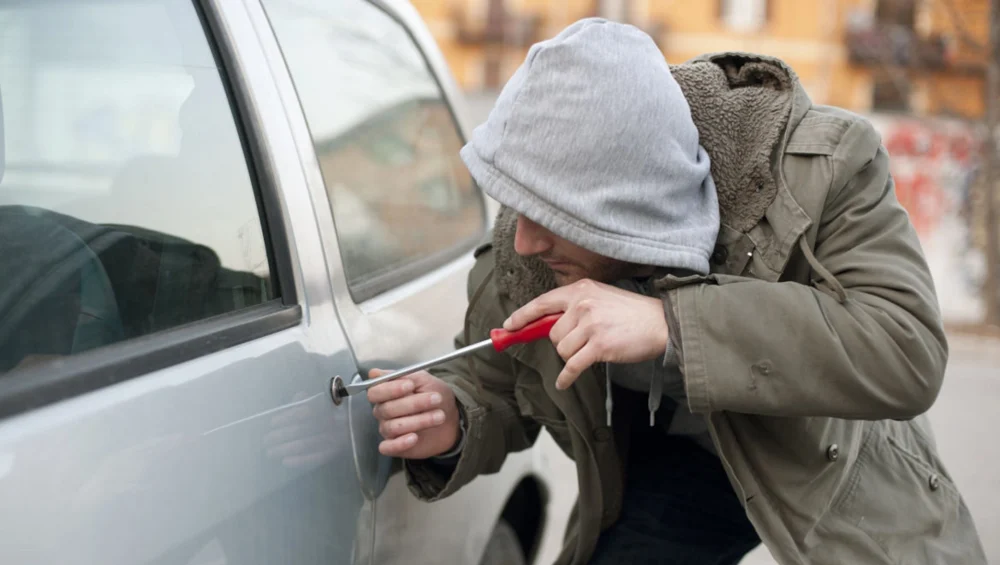
If your rental car is stolen, report it promptly to local police and the rental company. Keep the police report number, complete the company’s theft-report process and contact the provider of any coverage you may have. If tracking information is available, give the location and its timestamp to the police rather than attempting to recover the vehicle yourself.
1. Report the theft and collect the vehicle details
Move to a safe place. If someone is in immediate danger, contact the local emergency service. Otherwise, use the police reporting channel for the area where the theft occurred. Explain that the vehicle is rented.
Have the registration plate, make, model, colour and vehicle identification number (VIN) available if possible. The rental agreement or rental company can help identify the vehicle. Record where and when it was last seen, and keep the police case number. NHTSA’s vehicle-theft guidance recommends prompt police reporting and keeping the report or case number for the insurer.
2. Contact the rental company
Use the assistance number on your rental agreement or the company’s official website. Ask which theft or incident form is required, how to submit the police report number and who will handle follow-up. Save the representative’s name, contact details and incident reference.
Processes differ by company and country. For example, Hertz’s stolen-rental guidance directs renters to notify police, contact its emergency roadside service and complete a vehicle theft form. Follow the instructions for your own rental rather than assuming another company’s process applies.
3. Check coverage and reporting deadlines
Contact your insurer, rental protection provider, employer’s travel team or credit-card benefits administrator, as applicable. Ask whether your particular rental and incident are covered, what documents are needed and when they must be submitted. Keep copies of the rental agreement, police reference, completed forms and correspondence.
Do not assume that a credit card, waiver or policy automatically covers every theft or related charge. Responsibility and coverage depend on the agreement, policy conditions and applicable rules. The National Insurance Crime Bureau’s reporting guide explains why promptly notifying police and the insurer matters; it does not determine coverage for your rental.
4. Share tracking information and follow recovery instructions
If the rental company has a tracker, ask it to coordinate available location information with police. If you have authorised access to a tracker, share the displayed location, report time and device identification through the investigating officer’s requested channel. A map position can be older than the moment you open the app.
A tracker does not guarantee recovery or a response time. If the vehicle is located, notify the police and rental company and follow their instructions. NHTSA also recommends notifying police and the insurer when you locate a stolen vehicle before authorities do.
5. Arrange your next steps with the rental company
Ask about transport, a replacement rental, the status of the original agreement and any further documents required. Request a written explanation of charges and follow-up arrangements. Keep a dated record of communications until the case and rental account are resolved.
For rental operators: understand the tracker’s reporting limits
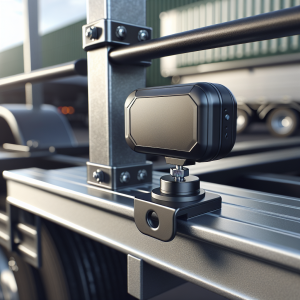
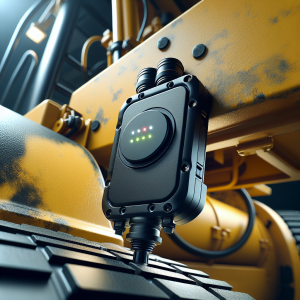
Piritiz reusable trackers provide 20–30 location updates per day and have a 5-year battery. They provide periodic location reports rather than second-by-second monitoring. Check the timestamp before treating a displayed position as the vehicle’s current location.
See the Piritiz car tracker, the fleet deployment and cost guide, and the reporting-frequency explanation when evaluating a fleet setup. Only deploy tracking where you are authorised to do so; renters should check the rental company’s rules before adding a device.
Reporting sources checked October 13, 2026. This checklist provides general information; your rental company, insurer and local authorities can give instructions for your case.