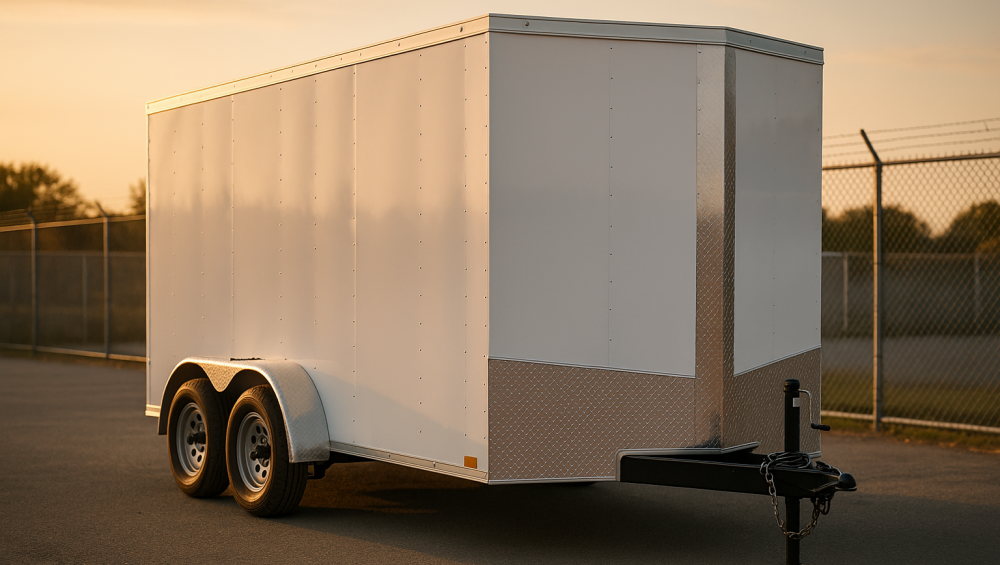
Trailer tracker technology has become essential for businesses and individuals who need reliable location monitoring without the complexity of hardwired installations or frequent battery maintenance. Whether managing a fleet of equipment trailers, utility trailers, or cargo haulers, the challenge remains constant: how to maintain visibility over assets that spend extended periods disconnected from power sources and parked in remote locations.
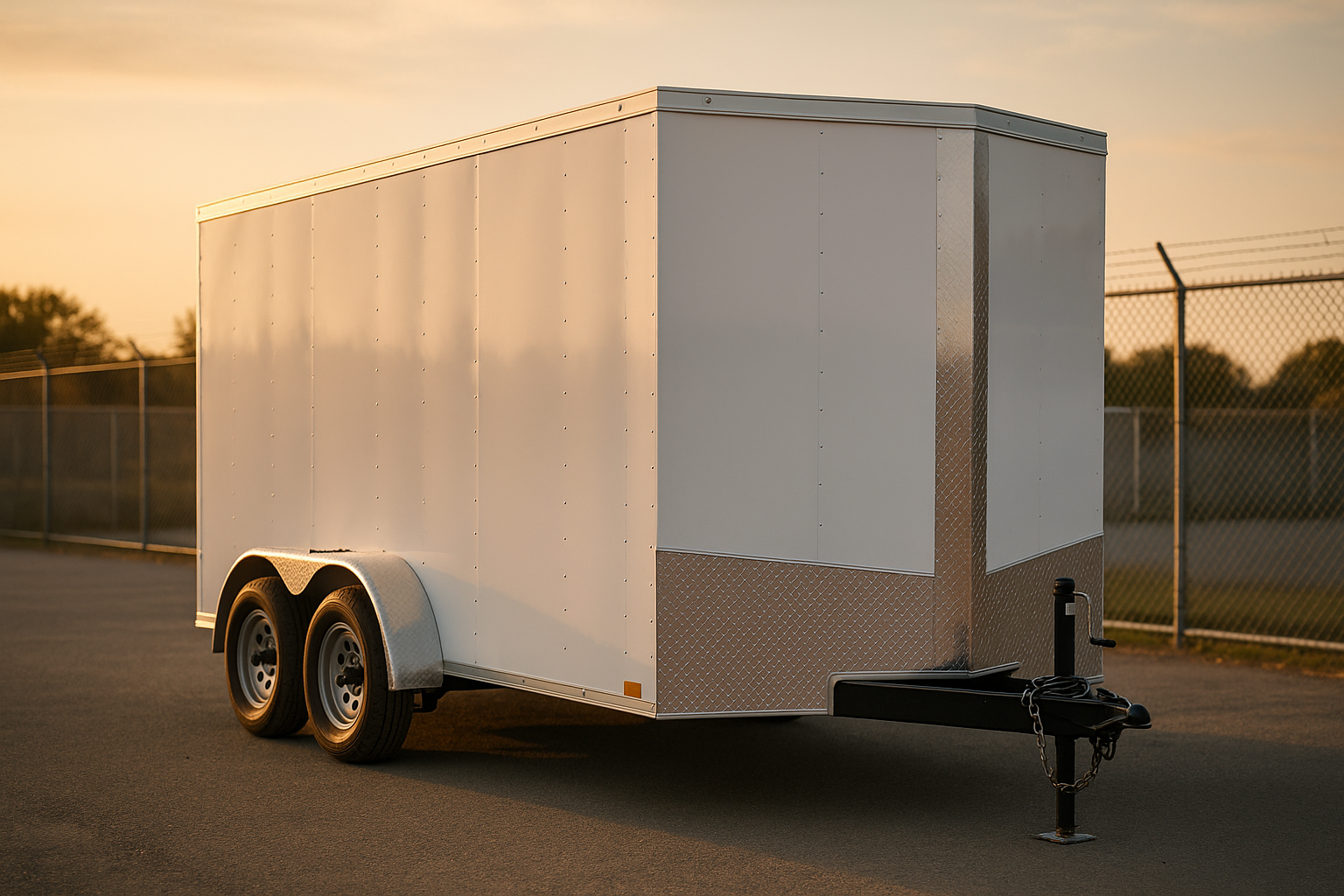
The vulnerability of trailers to theft, coupled with the difficulty of recovering stolen units, creates substantial financial exposure for rental companies, construction firms, logistics operators, and private owners. Traditional tracking approaches fall short when battery life measured in days forces constant recharging cycles, creating maintenance burdens that undermine the protection they promise. Passive GPS tracking designed specifically for trailer applications solves this problem by delivering months of autonomous operation while providing the location intelligence needed to prevent losses and optimize asset deployment.
This guide examines how modern trailer tracker solutions address the unique challenges of monitoring mobile assets that lack onboard power, exploring battery performance, installation approaches, theft recovery capabilities, and fleet management benefits that drive measurable returns for commercial operators and peace of mind for individual owners.
How Trailer Tracker Technology Works for Unpowered Assets
The fundamental challenge in trailer tracking stems from the absence of continuous power availability. Unlike vehicles with constant battery access, trailers sit disconnected for extended periods, requiring tracking devices that operate entirely on internal power reserves. This constraint has historically limited tracking effectiveness, forcing operators to choose between frequent maintenance visits or accepting coverage gaps when batteries expire.
Passive GPS tracking technology specifically engineered for trailer applications addresses this limitation through intelligent power management that extends operational periods to 90 days or more between charges. Rather than maintaining constant cellular connections that drain batteries within days, these systems calculate position at predetermined intervals and transmit location data in efficient batches that minimize power consumption while maintaining actionable visibility.
The tracking process begins with GPS satellite signal reception that determines precise coordinates. The device stores this location data internally, then establishes brief cellular connections at scheduled intervals to upload accumulated position reports to cloud-based platforms accessible through web dashboards or mobile applications. This approach balances the need for regular location updates against the imperative of extended battery endurance that makes trailer tracking practical without dedicated installation teams or hardwired power connections.
Movement detection capabilities add another layer of intelligence, allowing trailer trackers to recognize when assets leave designated areas or begin unexpected travel. Geofence violations trigger immediate alerts regardless of standard reporting schedules, providing theft notification within minutes of unauthorized movement while preserving battery life during stationary periods. Temperature sensors, door status monitoring, and impact detection expand functionality for specialized applications including refrigerated trailers, enclosed cargo units, and high-value equipment haulers where environmental conditions and security breaches require immediate attention.
Battery Life Considerations That Make or Break Trailer Tracking Programs
Battery performance represents the single most critical factor determining whether trailer tracking delivers sustained value or becomes an administrative burden. Tracking devices that require weekly or bi-weekly recharging create maintenance costs that quickly exceed the protection value they provide, particularly for fleets dispersed across multiple locations or trailers stored in remote yards without easy access.
The 90-day battery life standard establishes a practical threshold that aligns maintenance schedules with quarterly business cycles rather than imposing constant service demands. This extended endurance transforms tracking from a high-touch operational requirement into a manageable quarterly task comparable to other routine asset inspections. For rental operations, this interval often coincides with maintenance windows already scheduled for equipment servicing, eliminating dedicated trips solely for tracker charging.
Achieving this performance level requires sophisticated power management algorithms that intelligently adjust reporting frequency based on movement status and usage patterns. Stationary trailers consume minimal power during extended parking periods, while units in active service increase update frequency to provide detailed route visibility without compromising overall battery life. This adaptive approach ensures that tracking intensity matches operational requirements rather than forcing operators to choose between comprehensive monitoring and practical battery endurance.
Temperature extremes present additional battery challenges for trailers stored outdoors year-round. Lithium battery chemistry performs reliably across wide temperature ranges, but extreme cold or heat still impacts capacity and charging characteristics. Quality trailer tracker solutions account for these environmental factors through battery technology selections and charging algorithms optimized for outdoor storage conditions, ensuring consistent performance whether units sit in Arizona heat or Minnesota winters.
Installation Methods That Work for Different Trailer Types

The diversity of trailer designs demands flexible mounting approaches that accommodate everything from open utility trailers to enclosed cargo boxes, equipment haulers to specialized transport units. Unlike vehicle tracking where installation locations follow predictable patterns around power sources and interior spaces, trailer tracker placement must balance signal reception requirements against theft deterrence and physical protection from weather exposure and road debris.
Magnetic mounting provides the fastest deployment method for trailers with steel frames or cargo boxes, allowing instant installation without tools or permanent modifications. This approach works particularly well for rental fleets where trackers move between units based on deployment status rather than remaining permanently assigned to specific trailers. The magnetic connection delivers secure attachment that withstands road vibration and weather exposure while enabling quick removal when trailers return to secure facilities or transfer to different operational contexts.
Enclosed trailers offer concealed mounting locations inside cargo spaces, toolboxes, or frame channels that hide tracking devices from visual detection while maintaining GPS signal reception through composite roofs or strategic placement near door seams and ventilation openings. This concealment dramatically improves theft recovery chances by preventing thieves from locating and removing trackers during the critical hours immediately following theft when rapid law enforcement response delivers the highest recovery rates.
Open utility trailers and equipment haulers present different challenges, lacking enclosed spaces for concealed installation. Frame rail mounting using weather-resistant enclosures protects devices from direct exposure while maintaining low visibility from casual observation. Cable locks or tamper-evident fasteners add physical security layers that delay removal attempts and signal unauthorized access. For high-value equipment trailers, installing multiple tracking units in different locations creates redundancy that maintains location visibility even if thieves discover and disable one device.
Refrigerated trailers and specialized haulers benefit from hardwired installations that connect tracking devices to trailer electrical systems when available, eliminating battery concerns entirely while adding power management monitoring capabilities. These integrated installations support expanded functionality including door sensor monitoring, temperature logging, and real-time alerts that protect temperature-sensitive cargo and detect unauthorized access attempts during transit or storage periods.
Theft Prevention and Recovery Capabilities for Trailer Operators
Trailer theft represents a persistent threat across industries, with stolen units often disappearing into illicit networks within hours of being taken from storage yards, job sites, or parking facilities. The combination of high resale values, difficult identification once separated from registered towing vehicles, and limited law enforcement resources dedicated to property crimes creates an environment where theft prevention and rapid recovery capabilities deliver substantial protective value.
Geofence functionality establishes virtual boundaries around authorized parking locations, triggering instant alerts when trailers move beyond designated areas. These notifications arrive via SMS, email, or mobile application push messages within minutes of unauthorized movement, compressing the critical response window when law enforcement intervention stands the best chance of intercepting stolen assets before they reach chop shops or cross state lines. For operators managing multiple storage locations, custom geofence configurations accommodate different facilities while maintaining consistent protection across dispersed assets.
Location history logging creates forensic evidence that supports theft investigations and insurance claims. Detailed movement records showing exact routes, timing, and destinations provide law enforcement with actionable intelligence about theft patterns, storage locations, and criminal networks. This documentation frequently makes the difference between recovered assets and total losses, particularly when thieves move stolen trailers through multiple locations attempting to obscure theft origins and evade detection.
Battery-powered trailer trackers maintain operation even when thieves attempt to disable tracking by disconnecting towing vehicles or parking units in locations where they believe GPS signals cannot reach. The 90-day operational endurance ensures that tracking continues through extended concealment periods, maintaining recovery potential long after initial theft occurs. This persistence proves particularly valuable for enclosed cargo trailers and equipment haulers that thieves park in barns, warehouses, or wooded areas while waiting for investigation attention to diminish before attempting resale or component stripping.
The recovery rate difference between tracked and untracked trailers demonstrates the protective value of passive GPS monitoring. While unprotected trailers face minimal recovery prospects once theft occurs, tracked units benefit from precise location data that directs law enforcement straight to current positions rather than forcing broad area searches based on vague sighting reports. This efficiency reduces recovery time from days or weeks to hours, minimizing business disruption and preventing the total losses that force asset replacement at full market values.
Fleet Management Applications for Commercial Trailer Operations
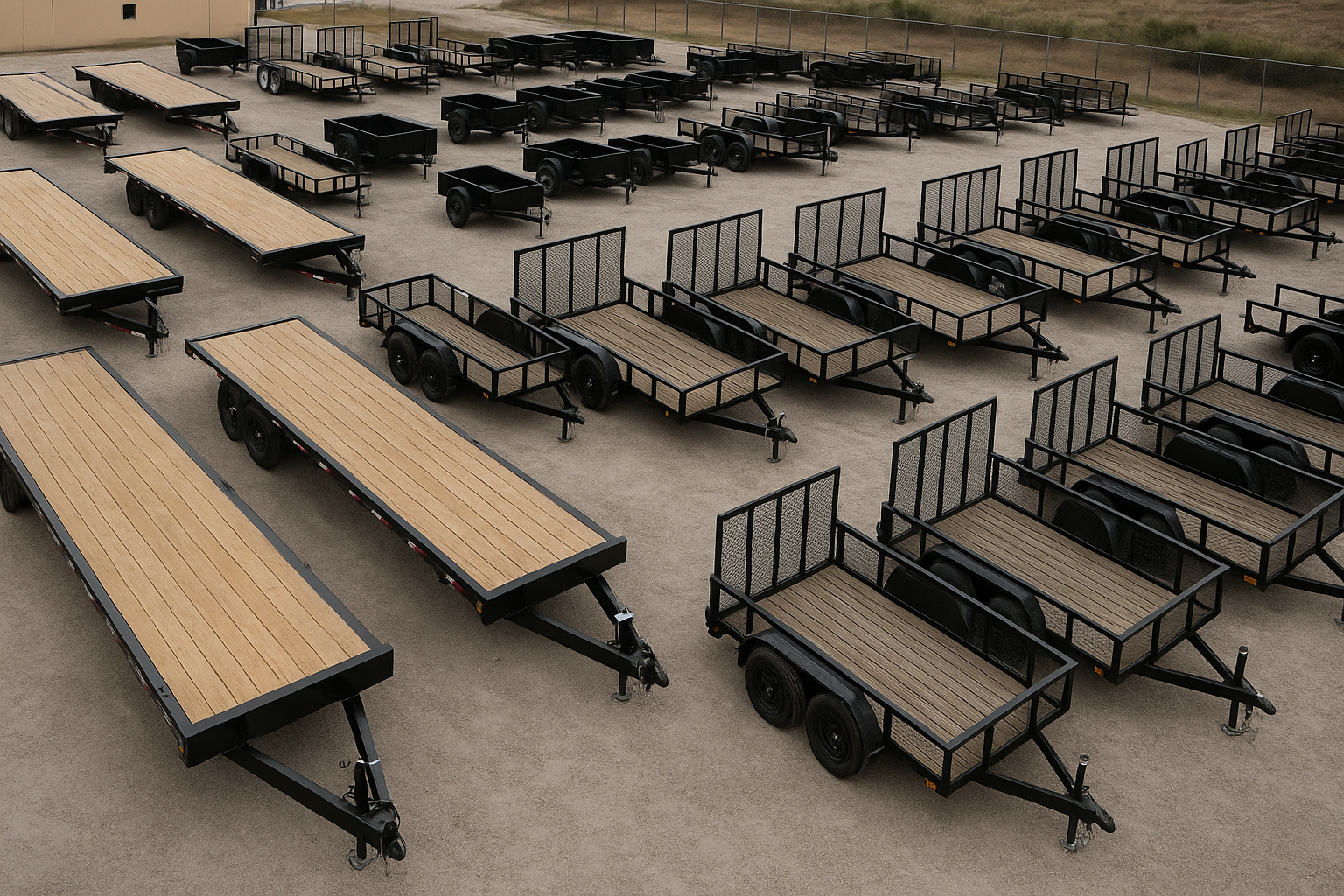
Beyond theft protection, trailer tracker technology delivers operational intelligence that improves asset utilization, reduces unnecessary purchases, and supports data-driven decisions about fleet sizing and deployment strategies. Many commercial operators discover that visibility into trailer locations and movement patterns reveals inefficiencies that cost substantially more than theft losses over time.
Utilization analysis identifies underperforming assets that sit idle while operations rent additional capacity or delay projects waiting for available trailers. Location data showing which units remain stationary for extended periods while others maintain constant deployment highlights imbalances that fleet right-sizing initiatives can address. This intelligence supports decisions to redeploy underutilized trailers to high-demand locations, sell excess capacity, or adjust rental agreements based on actual usage rather than assumptions about operational requirements.
Maintenance scheduling becomes more precise when movement data tracks actual service hours and trip counts rather than relying on manual logs or estimated usage. Automated alerts triggered by mileage thresholds or time intervals ensure that preventive maintenance occurs on appropriate schedules, reducing breakdown rates and extending asset service lives. For rental fleets, this data supports customer billing verification and damage assessment by documenting exact usage periods and movement patterns between rental agreements.
Cross-docking efficiency improves when dispatchers access real-time visibility into trailer locations across multiple yards and customer sites. Rather than making telephone calls or sending drivers to visually verify unit availability, operations teams query tracking platforms to identify which trailers sit ready for immediate deployment and optimal routing to minimize deadhead miles. This visibility reduces customer wait times, improves service responsiveness, and lowers fuel costs by eliminating unnecessary trips to check asset status.
Theft patterns emerge from historical data analysis, revealing which locations, time periods, and trailer types face elevated risk. This intelligence supports security investment decisions about which facilities require enhanced lighting, fencing, or surveillance systems, and which assets justify additional tracking device deployment or physical security measures. Insurance premium negotiations benefit from demonstrated theft prevention measures and recovery capabilities that reduce claim frequency and severity.
Choosing the Right Trailer Tracker for Specific Use Cases
The diversity of trailer applications demands careful evaluation of tracking features matched to specific operational requirements rather than assuming one solution fits all contexts. Equipment rental companies face different priorities than logistics operators, while individual owners protecting personal trailers evaluate different criteria than construction firms managing job site assets.
Reporting frequency requirements vary substantially across applications. Rental operations benefit from hourly location updates during active rental periods to verify proper usage and detect unauthorized movements, while long-term storage scenarios work effectively with daily check-ins that confirm trailers remain in designated areas without draining batteries through excessive transmission activity. Adjustable reporting schedules that adapt to usage contexts provide flexibility that balances visibility needs against battery conservation priorities.
Environmental durability becomes critical for trailers exposed to harsh conditions including construction sites, marine environments, and extreme temperature regions. IP67 waterproof ratings ensure devices survive pressure washing, heavy rain, and temporary submersion, while wide operating temperature ranges maintain functionality whether trailers sit in desert heat or northern winters. Vibration resistance protects internal components from damage caused by rough road conditions and off-highway operation common in equipment transport and construction applications.
Platform accessibility determines how effectively team members access tracking data and respond to alerts. Web dashboards suit office-based fleet managers who monitor multiple assets simultaneously, while mobile applications serve field supervisors and drivers who need location information during dispatching and recovery operations. Multi-user access with role-based permissions allows operations teams, security personnel, and executive leadership to access relevant information without exposing sensitive data or configuration controls to unauthorized modifications.
Integration capabilities expand value when tracking platforms connect with existing fleet management systems, maintenance software, and accounting platforms. API access enables automated data transfers that eliminate manual entry while supporting comprehensive analytics combining location intelligence with utilization records, maintenance histories, and financial performance. These integrations transform tracking data from standalone information into actionable business intelligence that drives operational improvements across multiple functional areas.
Cost Analysis and Return on Investment for Trailer Tracking Programs
Evaluating trailer tracker economics requires looking beyond device purchase prices to examine total ownership costs and quantifiable returns from theft prevention, utilization improvements, and operational efficiency gains. The investment proposition differs substantially between scenarios, but nearly all commercial applications deliver positive returns within the first year when properly implemented.
Theft prevention value alone justifies tracking costs for most commercial operators. A single stolen equipment trailer or cargo hauler typically represents losses exceeding annual tracking costs for dozens of units when factoring in replacement expenses, insurance deductibles, business disruption, and customer relationship impacts. Even operators who never experience theft benefit from insurance premium reductions that many carriers offer for tracked fleets, with annual savings offsetting implementation costs over multi-year periods.
Utilization improvements generate returns through avoided purchases and rental expenses. Visibility that enables redistribution of underutilized assets delays or eliminates new equipment acquisitions, while better deployment planning reduces temporary rental needs during peak periods. These avoided costs frequently exceed tracking system expenses within single busy seasons, creating immediate positive cash flow impacts that compound over subsequent years.
Administrative efficiency gains reduce labor costs associated with asset location verification, manual usage logging, and maintenance coordination. Time previously spent making phone calls, driving between yards, and updating spreadsheets shifts to higher-value activities while automated tracking systems maintain more accurate records with less effort. For operations managing substantial trailer fleets, these productivity improvements translate to measurable labor hour reductions that flow directly to bottom-line profitability.
The 90-day battery life standard specifically impacts economics by minimizing service labor requirements. Tracking systems demanding weekly attention create ongoing costs that erode overall returns, while quarterly maintenance cycles align with existing inspection schedules and require minimal incremental time investment. This operational practicality determines whether tracking programs sustain themselves over multi-year periods or gradually deteriorate as maintenance burdens lead to inconsistent device charging and declining fleet coverage.
Frequently Asked Questions About Trailer Trackers
How long do trailer tracker batteries really last in actual use?
Quality passive GPS tracking devices designed specifically for trailer applications deliver 90-day battery life under typical usage conditions with daily location reporting. Actual endurance varies based on reporting frequency settings, environmental temperatures, and cellular signal strength, but properly specified systems consistently achieve quarterly maintenance intervals that make tracking practical without creating excessive service burdens for fleet operators or individual owners.
Can trailer trackers work inside metal enclosed trailers?
GPS signals can penetrate many enclosed trailer roofs, particularly those constructed from composite materials, fiberglass, or aluminum. Steel enclosed trailers present more challenges but strategic device placement near door seams, ventilation openings, or roof edges typically maintains adequate signal reception. For fully enclosed steel containers, external mounting locations protected by weather-resistant enclosures provide reliable performance while maintaining reasonable concealment from casual observation.
What happens if a thief finds and removes the tracking device?
Concealed installation locations dramatically reduce discovery risks, as thieves rarely spend extensive time searching trailers during theft events when speed minimizes detection chances. Movement alerts notify owners within minutes of unauthorized activity, triggering law enforcement response before thieves have opportunities for thorough device searches. For high-value assets, installing multiple tracking units in different concealed locations creates redundancy that maintains location visibility even if thieves locate and disable one device.
Do trailer trackers require monthly subscription fees?
Most trailer tracking solutions include cellular data transmission costs through monthly or annual subscription plans that cover cloud platform access, mobile application usage, and ongoing location updates. These service fees typically cost less than conventional vehicle tracking subscriptions because passive GPS systems transmit far less data than real-time tracking alternatives. Some providers offer prepaid options or multi-year plans that reduce effective monthly costs for operators committed to long-term tracking programs.
Can one tracker move between different trailers as needed?
Magnetic mounting installations enable rapid tracker movement between trailers within minutes, making this approach ideal for rental operations or situations where protection priorities shift based on which specific units face deployment or elevated theft risk. Platform software allows quick asset reassignment that updates which trailer each device monitors, maintaining accurate records despite physical device transfers. This flexibility reduces per-unit costs by concentrating tracking coverage on assets currently in service rather than requiring dedicated devices for every trailer in a fleet.
Making Informed Decisions About Trailer Tracking Solutions
Selecting and implementing effective trailer tracking requires matching technology capabilities to specific operational challenges rather than pursuing generic solutions that promise universal applicability. The distinctions between passive GPS monitoring optimized for extended battery life and real-time tracking demanding constant power access fundamentally shape whether implementations deliver sustained value or create maintenance burdens that undermine protective benefits. For trailer applications where power availability remains limited and assets sit stationary for extended periods between movements, the 90-day battery endurance standard establishes practical feasibility that shorter-duration alternatives cannot match.
The protective and operational advantages extend across commercial fleet management and personal asset protection scenarios, addressing theft vulnerability through rapid alert capabilities while providing utilization intelligence that improves deployment efficiency and supports data-driven fleet sizing decisions. Installation flexibility accommodating diverse trailer designs ensures that tracking remains accessible whether protecting enclosed cargo haulers, open equipment trailers, or specialized transport units facing unique mounting challenges. These combined capabilities transform trailer tracking from theoretical protection into practical solutions delivering measurable returns through theft prevention, recovery support, and operational optimization that justify implementation investments within abbreviated payback periods.
Operators seeking reliable trailer tracker solutions with extended battery life find that passive GPS technology specifically engineered for unpowered asset monitoring delivers the combination of endurance, concealment options, and intelligent reporting that makes sustained tracking programs operationally feasible and economically justified across diverse applications.