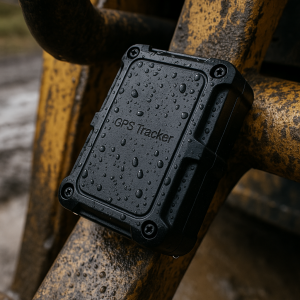

A GPS tracker for generator equipment has become essential for construction companies, rental businesses, and contractors who manage valuable power generation assets across multiple job sites. Generators represent significant capital investments that are frequently targeted by thieves due to their portability, high resale value, and often remote placement on unsecured worksites. When a generator disappears from a construction site, the financial impact extends far beyond replacement costs—project delays, insurance deductibles, and operational disruptions compound the loss.

Passive GPS tracking technology addresses these vulnerabilities by providing location data without the constant power drain associated with conventional tracking systems. For equipment managers overseeing dozens or hundreds of generators, the ability to monitor asset locations without frequent battery changes or hardwiring into the generator’s electrical system transforms operational efficiency. The right tracking solution balances reliable location updates with extended battery performance, ensuring generators remain protected whether they’re actively powering equipment or sitting idle between rental periods.
Selecting an appropriate GPS tracker for generator monitoring requires understanding the unique challenges these assets present. Unlike vehicles with constant power sources, generators may operate intermittently or remain stationary for extended periods. The tracking device must withstand harsh environmental conditions, resist tampering, and deliver actionable location intelligence that supports both theft recovery and utilization optimization.
Why Generator Theft Demands Specialized GPS Tracking Solutions
Generator theft has evolved from opportunistic crime to organized operations targeting construction sites, rental yards, and commercial facilities. Professional thieves scout locations, monitor security patterns, and strike during off-hours when equipment sits unattended. Portable generators weighing less than several hundred pounds can be loaded into trucks within minutes, while even larger towable units disappear with alarming frequency when left on remote job sites overnight.
Traditional security measures like fencing, lighting, and cameras provide limited protection once thieves breach the perimeter. A GPS tracker for generator assets shifts the defense strategy from prevention alone to guaranteed recovery capability. When theft occurs, location data enables law enforcement to act quickly while the equipment remains traceable. This recovery potential also serves as a deterrent—thieves increasingly avoid equipment known to carry tracking devices, as the risk of apprehension outweighs potential profits.
The financial calculations extend beyond the generator’s purchase price. Rental companies lose revenue during the period equipment remains missing, while construction firms face project delays that trigger penalty clauses and damaged client relationships. Insurance claims increase premiums, and repeated thefts can jeopardize coverage altogether. Passive GPS tracking delivers quantifiable return through recovered assets, reduced insurance costs, and maintained project schedules. Equipment managers who implement tracking across their generator fleets consistently report that a single successful recovery justifies the entire system investment.
Beyond theft recovery, tracking reveals patterns of unauthorized use or movement that may indicate internal theft or policy violations. When a generator assigned to one job site appears at an unexpected location, managers can investigate before equipment disappears entirely. This visibility into asset movement creates accountability among field personnel and subcontractors who may otherwise treat company equipment casually.
Battery Life Considerations for Generator Tracking Devices
The most critical specification for any GPS tracker for generator applications is battery longevity. Unlike vehicle trackers that draw power from the electrical system, generator tracking devices typically operate on internal batteries. Conventional trackers require battery changes every few weeks, creating unsustainable maintenance burdens for companies managing large equipment fleets across dispersed locations.
Passive GPS tracking technology solves this challenge by reporting location data at intervals rather than continuously streaming position updates. A 90-day battery life eliminates the need for monthly site visits solely to service tracking devices. For generators deployed to remote construction sites, this extended operation means tracking continues uninterrupted throughout typical project durations. Equipment managers can coordinate battery maintenance with scheduled equipment servicing rather than making dedicated trips.
The battery performance advantage becomes most apparent when tracking generators that sit idle between rental periods or during seasonal slowdowns. Active tracking systems that ping locations every few minutes exhaust batteries within days when the generator isn’t running to recharge the tracker. Passive systems maintain protection during these vulnerable storage periods when theft risk remains high but equipment supervision is minimal. A generator sitting in a rental yard over a long weekend remains fully protected without any battery concerns.
Temperature extremes common in generator operating environments accelerate battery degradation in poorly designed trackers. Quality passive GPS trackers for generator use incorporate temperature-resistant battery technology that maintains performance whether the device endures summer heat radiating from asphalt or winter cold on an exposed job site. This environmental resilience ensures the tracking system remains operational under the same harsh conditions the generator itself must withstand.
Installation Methods That Resist Tampering and Detection
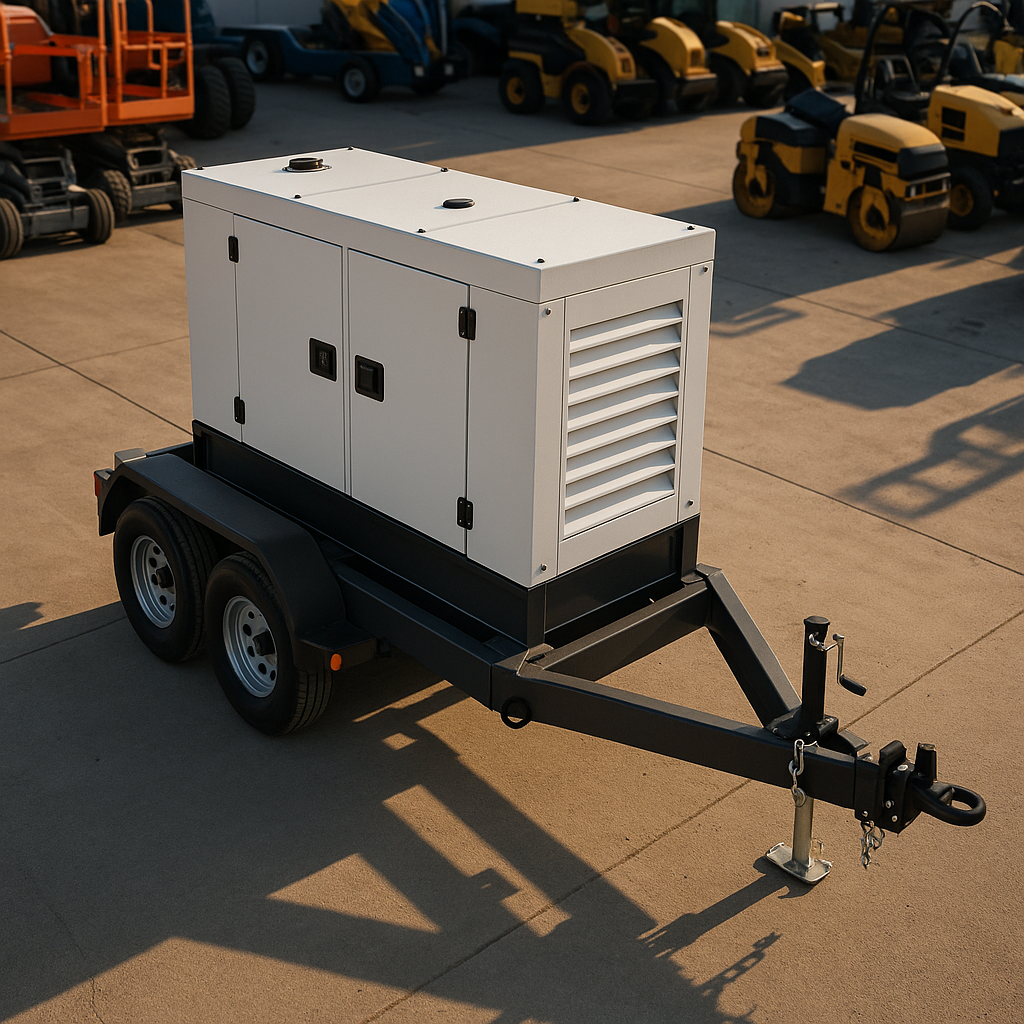
Effective GPS tracker for generator deployment requires installation techniques that balance concealment with signal reception. Thieves familiar with tracking technology will inspect obvious mounting locations, making strategic placement essential. The tracker must remain hidden from casual observation while maintaining clear sky view for satellite signal acquisition. Generator housing, frame components, and fuel tank assemblies offer numerous concealment opportunities that don’t compromise GPS performance.
Magnetic mounting systems enable quick attachment to generator frames without drilling or permanent modification. This approach works particularly well for rental equipment that rotates between customers who shouldn’t access or tamper with tracking devices. The magnetic hold withstands vibration during transport and operation while allowing authorized personnel to relocate the tracker if a position proves suboptimal for signal reception. Equipment managers can standardize installation positions across similar generator models, streamlining deployment and maintenance.
Weatherproof enclosures protect tracking devices from moisture, dust, and physical impact that generators routinely encounter. Construction sites expose equipment to rain, mud, concrete dust, and accidental impacts from materials handling. A GPS tracker sealed to industrial standards continues operating despite these environmental challenges. The enclosure design should avoid obvious antenna protrusions or indicator lights that advertise the tracker’s presence to potential thieves.
Some tracking devices incorporate tamper alerts that notify managers when the unit experiences unusual movement or removal attempts. This feature proves valuable when generators remain at a single location for extended periods—any position change triggers immediate investigation. For equipment stored in rental yards or compounds, tamper detection provides an additional security layer that complements perimeter systems. The alert arrives before the thief can transport the generator beyond immediate recovery range.
Location Reporting Frequency and Geofencing Capabilities
Determining optimal location reporting intervals for a GPS tracker for generator applications requires balancing information needs against battery consumption. Passive tracking systems allow customizable reporting schedules that adapt to different operational scenarios. A generator actively deployed on a job site might report location once or twice daily to confirm it remains in the assigned area, while equipment in storage could reduce reporting to weekly check-ins that maximize battery longevity.
Geofencing technology enhances passive tracking by triggering alerts when generators move outside designated boundaries. Equipment managers establish virtual perimeters around job sites, storage facilities, or authorized service areas. If a generator crosses these boundaries during off-hours, the system sends immediate notifications that enable rapid response. This automated monitoring eliminates the need to manually check dozens or hundreds of equipment locations daily—the system only demands attention when exceptions occur.
The geofence alert capability transforms how companies manage generator logistics and prevent unauthorized use. When a rental customer’s contract expires but the generator hasn’t returned to the yard, the geofence violation prompts collection action before the situation escalates. Contractors who loan generators between their own job sites can verify equipment moves to the correct location rather than discovering misplaced assets weeks later during inventory audits. These location confirmations reduce equipment loss from simple misplacement or forgotten loans that never return.
For generators operating in areas with limited cellular coverage, tracking devices should store location data locally when unable to transmit. Once the equipment returns to coverage areas, the stored waypoints upload to provide complete movement history. This capability proves essential for construction projects in rural areas, mining operations, or disaster response scenarios where generators work beyond reliable network infrastructure. The tracking system maintains continuity even when real-time communication proves impossible.
Asset Utilization Insights Beyond Theft Prevention

While theft recovery justifies GPS tracker for generator investment, the location data simultaneously delivers operational intelligence that optimizes asset utilization. Rental companies can analyze which generators spend the most time on rent versus sitting idle in inventory. Equipment consistently underutilized might be sold to free capital, while high-demand units justify purchasing additional capacity. These data-driven decisions replace guesswork about fleet composition and sizing.
Construction companies managing generators across multiple simultaneous projects gain visibility into equipment allocation efficiency. When one job site has more generators than current needs require while another site requests a rental, location data enables internal redeployment that avoids unnecessary rental expenses. The tracking system essentially creates a real-time inventory of available assets and their current assignments. Project managers can request equipment knowing exactly which units are accessible and where they’re currently located.
Maintenance scheduling benefits from location tracking that identifies generators ready for service intervals. Rather than relying on operators to report hours or inspecting equipment individually, the tracking system flags units due for maintenance based on deployment duration or movement patterns. Preventive maintenance performed on schedule reduces breakdowns that halt projects and disappoint rental customers. The location data ensures service technicians know exactly where to find equipment requiring attention.
Historical location records also support billing accuracy for rental companies that charge delivery fees or mileage-based rates. The GPS data documents when equipment arrived at customer sites and when it returned to the rental yard, eliminating disputes about rental periods. For contractors who bill clients for equipment use, the location history verifies that generators were actually present at the job site during claimed periods. This documentation protects revenue and maintains client trust through transparent records.
Integration With Fleet Management Systems and Insurance Reporting
Modern GPS tracker for generator solutions offer integration capabilities that connect location data with broader business systems. Fleet management platforms can incorporate generator tracking alongside vehicle monitoring, creating unified visibility across all mobile assets. Equipment managers access a single dashboard showing trucks, trailers, and generators rather than juggling multiple disconnected systems. This consolidation streamlines daily operations and reduces the learning curve for personnel managing diverse asset types.
Insurance providers increasingly offer premium discounts for companies that implement GPS tracking on high-value equipment. The tracking device demonstrates risk mitigation that reduces claim likelihood and improves recovery rates when theft occurs. Some insurers require tracking as a condition of coverage for generator fleets above certain values or quantities. Companies should document their tracking implementation and provide periodic reports to insurers to maintain these favorable rates and coverage terms.
When theft does occur, GPS location data accelerates the insurance claim process by providing concrete evidence of the loss and timeline. Rather than relying solely on employee statements about when equipment disappeared, the tracking record shows precise movement history leading to the theft. This documentation reduces claim disputes and speeds settlement, getting replacement equipment into service faster. Law enforcement also benefits from the detailed location information when investigating thefts or pursuing organized equipment crime rings.
The tracking data creates audit trails that satisfy compliance requirements for companies working on government projects or in regulated industries. Documentation showing equipment locations during specific project phases supports billing justification and demonstrates contract compliance. For businesses managing generators as capital assets, the location records provide verification for tax reporting and depreciation calculations tied to equipment utilization rather than just time elapsed since purchase.
Selecting the Right GPS Tracker for Generator Fleet Requirements
Choosing an appropriate GPS tracker for generator applications begins with assessing fleet size, equipment value, and operational geography. Companies managing a few high-value generators may prioritize advanced features like tamper alerts and frequent location updates, while large fleet operators need cost-effective solutions that scale across hundreds of units. The tracking service should accommodate fleet growth without requiring platform changes or complicated migration processes.
Coverage reliability across service territories determines tracking effectiveness. Generators deployed to remote construction sites, rural agricultural operations, or wilderness areas require tracking devices that function across multiple cellular networks. Multi-carrier devices automatically select the strongest available signal, maintaining connectivity where single-carrier trackers fail. Companies should verify coverage maps against their actual deployment areas rather than assuming universal service.
The management platform’s usability directly impacts adoption and value realization. Intuitive interfaces allow equipment managers to quickly locate generators, configure geofences, and generate reports without extensive training. Mobile applications enable field personnel to verify equipment locations from job sites rather than returning to the office to access desktop systems. The platform should deliver the essential location information without overwhelming users with unnecessary complexity or features they’ll never utilize.
Total cost of ownership extends beyond the initial device purchase to include subscription fees, battery replacement costs, and system administration time. Passive GPS tracking with 90-day battery life dramatically reduces the labor expense of maintaining tracking across large equipment fleets. When comparing options, companies should calculate the fully-loaded annual cost per tracked generator rather than focusing solely on upfront device pricing. The most economical solution balances reasonable subscription fees with minimal ongoing maintenance requirements.
GPS Tracker for Generator Protection: Making the Implementation Decision
Implementing GPS tracking across a generator fleet represents a strategic investment in asset protection and operational efficiency. The decision should account for both the tangible costs of equipment theft and the operational improvements that location visibility enables. Companies that have experienced generator theft immediately recognize the value, while organizations without theft history should consider the statistical likelihood and potential impact rather than assuming their equipment remains immune.
The strongest implementations begin with high-value or high-risk equipment before expanding to complete fleet coverage. Tracking the newest generators, most expensive models, or units deployed to remote job sites delivers immediate risk reduction while allowing the organization to refine processes and prove value. Success with the initial deployment builds internal support for expanding tracking to additional equipment categories. This phased approach manages implementation costs and change management more effectively than attempting complete fleet tracking overnight.
Personnel training ensures the tracking system delivers value beyond just having devices installed. Equipment managers need clear protocols for responding to geofence alerts, conducting location audits, and coordinating with law enforcement during theft recovery. Field personnel should understand that tracking supports rather than polices their work—the goal is protecting company assets and optimizing equipment availability for everyone’s benefit. Transparent communication about tracking purposes prevents employee concerns about surveillance and builds cooperation with the system.
Regular system audits verify that tracking devices remain properly installed, batteries get replaced on schedule, and location data remains accurate. As equipment rotates through maintenance and between job sites, tracking devices can be accidentally removed or damaged. Quarterly verification that all designated generators show recent location reports identifies issues before they compromise protection. This ongoing system hygiene maintains the tracking investment’s value and ensures equipment remains protected when threats emerge.
Frequently Asked Questions About GPS Trackers for Generators
How long do GPS tracker batteries last on generators?
Quality passive GPS trackers designed for generator applications offer battery life extending to 90 days between replacements. This extended performance eliminates the need for monthly maintenance visits solely to service tracking devices. Battery longevity depends on reporting frequency settings—devices that update locations once or twice daily achieve longer operation than those reporting every few hours. Temperature extremes can affect battery performance, making it important to select trackers with temperature-resistant battery technology suitable for outdoor equipment storage and operation.
Can thieves detect and remove GPS trackers from generators?
While determined thieves familiar with tracking technology may search for devices, proper installation significantly reduces detection risk. Strategic placement in concealed locations within the generator housing or frame, combined with low-profile device designs without obvious antennas or indicator lights, makes discovery unlikely during quick theft operations. Magnetic mounting allows secure attachment without visible fasteners that advertise the tracker’s presence. Some advanced trackers include tamper alerts that notify equipment managers immediately when the device experiences unusual movement or removal attempts, enabling response before the generator travels beyond recovery range.
Do GPS trackers work when generators are stored indoors?
GPS tracking devices require line-of-sight to satellites for precise location determination, which can be compromised by metal buildings, concrete structures, or underground storage. When generators move indoors, trackers may report the last known outdoor location until the equipment returns to areas with clear sky view. Some tracking systems incorporate cellular tower triangulation as a backup positioning method that provides approximate location even without direct satellite signals. For equipment stored in buildings long-term, placing generators near doors or windows can improve signal reception, or managers can rely on geofence alerts that confirm when equipment leaves the storage facility.
What happens if a GPS tracker loses cellular signal in remote areas?
Quality GPS trackers designed for construction and industrial equipment include data storage capabilities that log location waypoints when cellular connectivity is unavailable. Once the generator returns to areas with network coverage, the stored location history automatically uploads to the management platform. This feature ensures complete movement tracking even during deployment to remote construction sites, rural properties, or areas with limited cellular infrastructure. Multi-carrier devices that operate across different cellular networks maximize connectivity by automatically selecting the strongest available signal in any location.
Can GPS tracking reduce insurance premiums for generator fleets?
Many insurance providers offer premium discounts for companies that implement GPS tracking on high-value equipment including generator fleets. The tracking devices demonstrate proactive risk management that reduces theft claim likelihood and significantly improves recovery rates when theft does occur. Discount amounts vary by insurer and fleet size, but companies should document their tracking implementation and inquire about available rate reductions. Some insurers require tracking as a coverage condition for generator fleets above certain values. The combination of potential premium savings and theft recovery capability often justifies tracking investment through risk mitigation benefits alone, before accounting for operational efficiency improvements.
Protecting Generator Assets With Proven Passive Tracking Technology
Generator fleets represent substantial capital investments that demand comprehensive protection strategies combining physical security with location intelligence. A GPS tracker for generator equipment delivers theft recovery capability, utilization optimization, and operational visibility that transforms asset management. The technology has matured beyond experimental status to become standard practice for construction companies, equipment rental businesses, and contractors who recognize that equipment protection directly impacts profitability and competitive positioning.
Passive GPS tracking with extended battery life addresses the unique challenges generators present—intermittent operation, remote deployment, and the need for protection during idle periods when theft vulnerability peaks. The 90-day battery performance eliminates maintenance burdens that make short-life trackers impractical for large fleets, while geofencing and customizable reporting deliver actionable intelligence rather than overwhelming data streams. Companies that implement generator tracking consistently report that theft recovery, insurance savings, and utilization improvements deliver returns that far exceed the system costs. The question has shifted from whether to track generators to how quickly implementation can begin protecting vulnerable assets.
Businesses ready to protect their generator investments with reliable passive GPS tracking technology should explore solutions specifically designed for equipment applications. Piritiz offers GPS trackers for generators featuring 90-day battery life, rugged construction-grade durability, and intelligent reporting that balances protection with practical fleet management requirements.