GPS tracker for farm equipment has become essential for agricultural operations facing escalating equipment theft, underutilized machinery spread across multiple locations, and the challenge of managing assets worth hundreds of thousands of dollars. Modern farming operations depend on specialized tractors, combines, sprayers, and implements that represent significant capital investments, yet these assets often sit idle in remote fields or job sites where traditional security measures fall short.
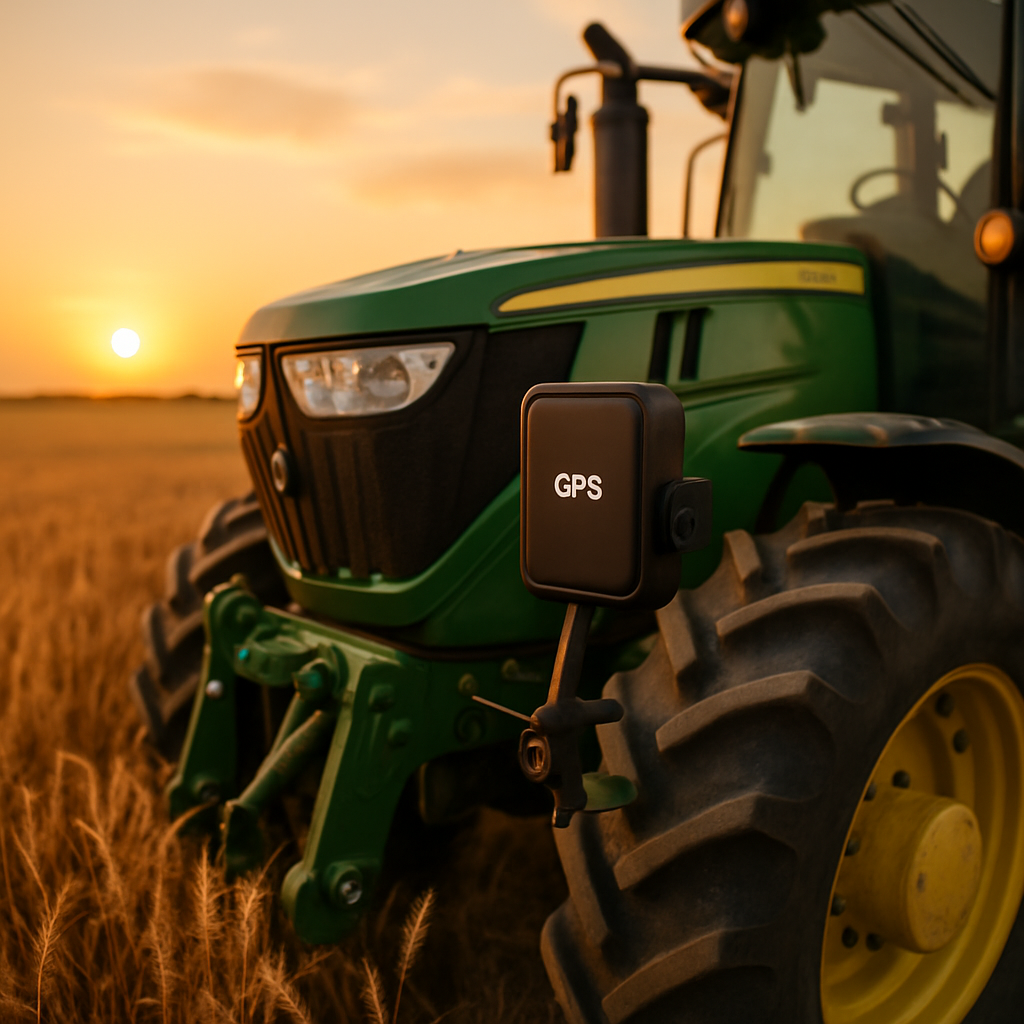
Agricultural equipment theft costs the industry substantial losses annually, with stolen machinery rarely recovered due to delayed detection and the ease with which equipment crosses county and state lines. Beyond theft, farm operators struggle to track which machines are actually being used, which are sitting idle generating zero return, and where every piece of equipment is located when harvest season demands immediate deployment. A passive GPS tracking solution designed specifically for the unique demands of farm equipment addresses these challenges without requiring complex installation or frequent battery maintenance.
The agriculture sector requires tracking solutions that can withstand harsh environmental conditions, operate independently without constant power connections, and provide accurate location data without the complexity of real-time monitoring systems that drain batteries within days. Understanding which GPS tracker for farm equipment delivers the longest battery life, most reliable performance, and best return on investment separates operations that maintain control over their assets from those that discover losses only after equipment has vanished.
Why Passive GPS Tracking Suits Agricultural Equipment Better Than Real-Time Systems
Farm equipment operates in conditions that make traditional real-time GPS tracking impractical and cost-prohibitive. Passive GPS tracking checks in at predetermined intervals rather than continuously broadcasting location, which extends battery life from days to months. This distinction matters tremendously for tractors, combines, and implements that may sit unused for weeks between planting and harvest seasons, or that operate in fields without reliable cellular coverage where constant connection attempts would drain batteries attempting to maintain signal.
Real-time tracking systems require either hardwiring into vehicle power systems or frequent battery replacements, both of which present challenges for agricultural equipment. Hardwired installations require professional installation and can be compromised when thieves disconnect batteries or cut wires. Battery-powered real-time trackers typically last only days or weeks before requiring recharging, creating an unsustainable maintenance burden when tracking dozens of machines across multiple farm locations.
Passive GPS tracking with 90-day battery life eliminates these operational headaches while still providing the critical location information agricultural operations need. Equipment managers can verify where every tractor, combine, and implement is located without climbing into cabs or walking fields. When equipment goes missing, the most recent location data provides law enforcement with the starting point needed for recovery efforts. The extended battery life means quarterly maintenance checks rather than weekly charging cycles, reducing labor costs while maintaining visibility over the entire equipment fleet.
Agricultural operations benefit from tracking technology that matches their operational rhythm rather than demanding constant attention. Seasonal equipment use, remote field locations, and the sheer number of implements requiring tracking make passive GPS tracking the most practical solution for farm equipment monitoring. The technology works when equipment is active and when it sits idle, providing consistent location history without the power consumption that makes real-time tracking unsustainable for agriculture.
Protecting High-Value Farm Assets From Sophisticated Equipment Theft
Equipment theft in agricultural regions has evolved from opportunistic crimes to organized operations that target specific machinery models and transport stolen equipment across state lines within hours. Thieves recognize that farm equipment often sits unattended in remote fields or equipment yards with minimal security, creating easy targets for theft operations that can load and transport a tractor or combine in minutes. The high resale value and ready market for used agricultural equipment makes theft particularly attractive, while the remote locations and delayed discovery give criminals substantial head starts before owners even realize equipment is missing.
A GPS tracker for farm equipment creates a digital trail that dramatically improves recovery odds when theft occurs. While equipment may disappear from a field overnight, the location history tracked by passive GPS devices provides law enforcement with the information needed to trace movement patterns and identify where stolen machinery was taken. This location intelligence transforms investigations from impossible searches across entire regions into targeted recovery operations focused on specific locations where tracking data indicates equipment was moved.
The mere presence of GPS tracking also serves as a deterrent when agricultural operations use visible warning decals indicating equipment is monitored. Professional theft rings conducting reconnaissance before stealing equipment often avoid GPS-tracked assets in favor of unprotected targets that present lower recovery risks. Insurance companies recognize this deterrent value, with some carriers offering premium reductions for operations that implement GPS tracking across their equipment fleets.
Beyond theft recovery, GPS tracking for farm equipment enables rapid response when equipment moves unexpectedly. Unauthorized use by employees, equipment borrowed without permission by neighboring operations, or machinery moved by thieves all trigger location changes that passive tracking systems record. Regular location checks reveal unusual movement patterns before equipment disappears completely, allowing farm managers to investigate and intervene while equipment remains within their operating region rather than discovering losses days or weeks after theft occurs.
Maximizing Equipment Utilization and Return on Investment
Agricultural operations invest heavily in specialized machinery that often sits idle for extended periods, generating zero return during off-seasons while depreciating in value. Understanding actual equipment utilization rates requires more than memory and manual logs—it demands accurate location tracking that reveals which machines work consistently and which represent underutilized capital tied up in assets that could be sold, rented out, or redeployed to more productive uses.
Passive GPS tracking for farm equipment provides the utilization data needed to make informed decisions about fleet size, equipment purchases, and asset allocation across multiple farm locations. When location data shows a particular tractor moves between fields regularly while another sits stationary for weeks, farm managers can adjust deployment strategies to maximize the productivity of existing assets before purchasing additional machinery. This visibility prevents over-investment in redundant equipment while ensuring high-demand assets are available where and when they’re needed.
Equipment rental and sharing between farming operations becomes viable when location tracking provides accountability and verification of equipment whereabouts. Farm managers can confidently rent underutilized implements to neighboring operations knowing they can verify equipment location and recovery when rental periods end. This transforms idle assets into revenue generators while helping smaller operations access specialized equipment without the capital expense of purchase.
Maintenance scheduling improves with accurate location and movement history. Rather than guessing about actual usage hours based on odometer readings that can be tampered with or memory that proves unreliable, location tracking data reveals true operational patterns. Equipment that shows minimal movement may not require the intensive maintenance intervals assumed based on calendar dates, while machinery with extensive location changes may need more frequent service than standard schedules suggest. This data-driven maintenance approach reduces unnecessary service costs while preventing catastrophic failures from inadequate maintenance.
Multi-site agricultural operations particularly benefit from GPS tracking that reveals equipment distribution across farms, fields, and storage locations. The common scenario of searching for a particular implement across hundreds of acres and multiple properties becomes obsolete when location tracking provides instant equipment whereabouts. This visibility eliminates wasted time and fuel spent hunting for machinery, allowing operators to deploy the right equipment to the right location without delay.
Installation Advantages for Farm Equipment Monitoring
Farm equipment presents unique installation challenges that make passive GPS tracking solutions particularly attractive compared to hardwired alternatives. Agricultural machinery comes in countless configurations—tractors with exposed frames, enclosed combine cabs, implements without any power source, and specialized equipment with limited mounting locations. A GPS tracker for farm equipment needs to work across this diverse fleet without requiring expensive custom installations or professional wiring for each piece of machinery.
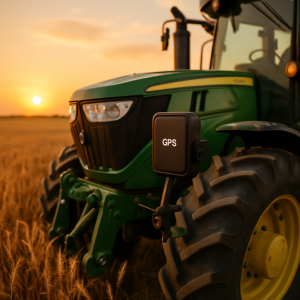
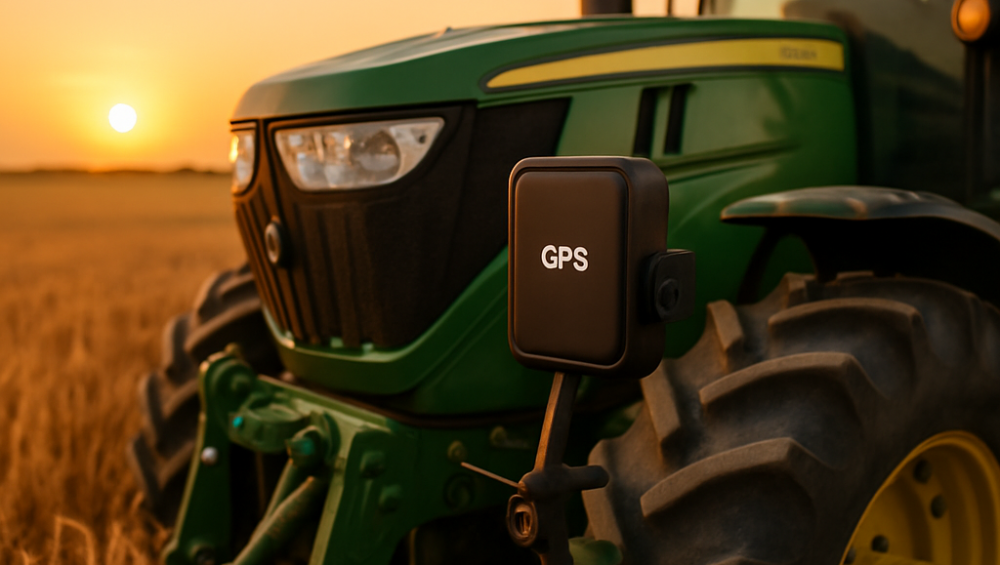
Magnetic mount GPS trackers solve the installation challenge by attaching securely to metal frames, chassis components, and structural elements found on virtually all farm equipment. The installation process takes seconds rather than hours, requires no tools or technical expertise, and can be performed by farm staff rather than specialized technicians. This simplicity enables agricultural operations to deploy tracking across entire equipment fleets in a single afternoon rather than scheduling multiple installation appointments and taking equipment out of service for wiring work.
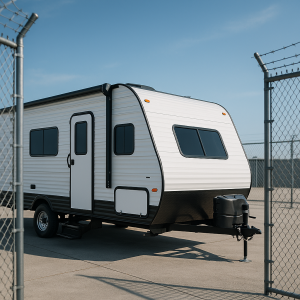
The portability of magnetic mount trackers provides flexibility that hardwired systems cannot match. Seasonal equipment like planters and combines can be tracked during active months, then have trackers transferred to other machinery during off-seasons. Rented or leased equipment can be monitored during the rental period without permanent modifications that might violate lease terms. Equipment sold still retains its tracker, which can be removed and redeployed to newly purchased machinery without losing the technology investment.
Covert placement options exist throughout farm equipment, from inside toolboxes and storage compartments to underneath chassis components and within enclosed areas of machinery frames. Unlike vehicles where GPS trackers might be easily discovered during routine cleaning, farm equipment has numerous mounting locations that thieves are unlikely to check during the rushed timeframe of equipment theft. This concealment advantage increases recovery odds since stolen equipment continues transmitting location data even after criminals believe they’ve escaped with machinery.
Weather resistance matters tremendously for equipment that operates in agricultural environments. Dust, mud, rain, snow, and temperature extremes from summer heat to winter freezes create conditions that would destroy consumer-grade tracking devices. Industrial GPS trackers designed for farm equipment feature weatherproof housings that withstand these environmental challenges while maintaining reliable operation throughout the seasons. The extended 90-day battery life ensures trackers continue functioning through entire planting or harvest seasons without mid-season battery changes in muddy fields or during critical operational windows.
Cost Reduction Through Improved Fleet Management
Agricultural operations run on tight margins where controlling equipment costs directly impacts profitability. GPS tracking for farm equipment reduces expenses across multiple categories beyond the obvious theft prevention benefits, creating compound savings that quickly offset the minimal investment required for passive tracking technology.
Fuel costs decrease when farm managers can verify equipment is being used efficiently rather than making unnecessary trips or sitting idle with engines running. Location tracking reveals patterns of inefficient equipment deployment, such as tractors traveling excessive distances between fields when closer equipment should have been selected. These insights enable route optimization and smarter equipment allocation that reduce fuel consumption across the entire operation.
Unauthorized equipment use represents a hidden cost for many agricultural operations. Employees using equipment for personal projects, neighbors borrowing machinery without permission, or contractors taking equipment off-site without approval all create wear, fuel costs, and liability exposure that GPS tracking helps prevent. Location verification provides the accountability needed to ensure equipment stays on farm property and is used only for authorized purposes, eliminating the fuel, maintenance, and insurance costs associated with unauthorized operation.
Insurance savings materialize when agricultural operations can demonstrate proactive risk management through GPS tracking implementation. Carriers recognize that tracked equipment has higher recovery rates and lower total loss claims, making operations with comprehensive tracking programs lower-risk clients. Some insurance providers specifically reduce premiums for farm equipment fleets with GPS tracking, while others provide faster claims processing and fewer disputes when theft occurs since location data provides clear evidence of loss.
Equipment replacement cycles extend when accurate utilization data prevents premature disposal of assets assumed to be heavily used but actually sitting idle much of the time. Many agricultural operations replace equipment based on age or estimated usage rather than actual operational data, leading to unnecessary capital expenditures for machinery that still has productive life remaining. GPS tracking provides the utilization evidence needed to confidently extend equipment life and delay costly replacements until truly necessary based on actual usage rather than assumptions.
Labor efficiency improves dramatically when farm managers can instantly locate any piece of equipment rather than spending hours searching properties or making phone calls to determine where machinery was last used. This time savings multiplies across the management team, seasonal workers who need to locate specific implements, and maintenance staff trying to bring equipment in for service. The minutes or hours saved daily throughout the growing season represent substantial labor cost reductions that compound over years of tracking system use.
Selecting the Right GPS Tracker for Agricultural Equipment
Not all GPS tracking devices suit the demanding requirements of farm equipment monitoring. Agricultural operations need to evaluate several critical factors when selecting tracking technology to ensure they invest in solutions that actually deliver reliable performance in farming environments rather than consumer-grade devices that fail under real-world conditions.
Battery life stands as the single most important specification for farm equipment tracking. Devices claiming real-time tracking typically exhaust batteries within days or weeks, creating an unsustainable maintenance burden when monitoring dozens of pieces of equipment across multiple locations. A GPS tracker for farm equipment should provide minimum 90-day battery life to match seasonal equipment use patterns and reduce the frequency of battery maintenance to quarterly intervals rather than weekly or monthly charging cycles.
Cellular coverage in rural agricultural areas presents challenges that not all tracking devices handle equally. Equipment operating in remote fields may have limited or intermittent cellular signal, requiring GPS trackers that can store location data when outside coverage areas and transmit stored history once signal is reestablished. Devices that depend on constant cellular connection fail to provide complete tracking history in agricultural environments, leaving gaps in location data during critical periods when equipment might be moving between locations.
Physical durability separates industrial GPS trackers suitable for farm equipment from consumer devices designed for vehicle use. Agricultural machinery operates in harsh conditions with extreme temperature swings, constant vibration, exposure to dust and moisture, and impact from rough terrain. Tracking devices lacking ruggedized, weatherproof construction fail quickly in these environments, leaving operations with non-functional trackers attached to unmonitored equipment. Look for IP67 or higher weatherproof ratings that ensure continued operation regardless of environmental conditions.
Magnetic mounting strength matters when trackers are attached to equipment that experiences constant vibration and jarring impacts during field operation. Weak magnets allow trackers to detach and fall off during normal use, while industrial-strength magnetic mounts maintain secure attachment even during rough operation. The mounting system should also allow covert placement in locations that aren’t immediately visible during casual inspection, increasing the likelihood trackers remain undetected if equipment is stolen.
Subscription costs vary widely between GPS tracking providers, with some charging premium monthly fees that quickly exceed the value provided for passive tracking needs. Agricultural operations monitoring multiple pieces of equipment need affordable per-device pricing that makes fleet-wide implementation economically viable. Providers offering subscription plans designed specifically for passive tracking of multiple assets deliver better value than consumer-focused services charging premium rates for real-time features that farm equipment monitoring doesn’t require.
Platform usability determines whether GPS tracking actually gets used consistently or becomes another abandoned technology investment. The tracking platform should provide simple map-based location views, clear location history, and straightforward setup that doesn’t require technical expertise. Agricultural operations need tracking solutions that farm staff can access and understand immediately, not complex enterprise software requiring extensive training. Mobile app access enables location checks from anywhere, which matters tremendously for operations where managers need to verify equipment location while away from the office.
Implementing GPS Tracking Across Entire Farm Equipment Fleets
Successfully deploying GPS tracking across agricultural equipment fleets requires strategic planning beyond simply purchasing devices and attaching them to machinery. Agricultural operations should prioritize high-value equipment first, focusing initial implementation on tractors, combines, and specialized machinery that represents the largest capital investments and theft targets. This phased approach allows operations to validate tracking effectiveness and ROI before expanding to lower-value implements and attachments.
Equipment inventory documentation should accompany GPS tracker deployment, creating comprehensive records that include equipment serial numbers, tracker device IDs, installation locations, and battery replacement schedules. This documentation proves invaluable when theft occurs and operations need to provide law enforcement with specific equipment identifiers and tracking information. The inventory also ensures battery maintenance happens on schedule so tracking coverage never lapses due to depleted batteries on critical equipment.
Staff training ensures everyone understands the tracking system and knows how to verify equipment location when needed. Farm managers, equipment operators, and maintenance staff should all have appropriate access to tracking platforms so equipment location information is available to whoever needs it without creating bottlenecks. Training should cover how to check equipment location, what to do if equipment shows unexpected movement, and how to respond if theft is suspected based on location data.
Visible deterrent measures complement GPS tracking by warning potential thieves that equipment is monitored. GPS tracking warning decals placed on equipment increase deterrent value without compromising tracker concealment. The combination of visible warnings and covertly placed trackers creates uncertainty for thieves about exactly where tracking devices are located, increasing the likelihood they’ll avoid monitored equipment entirely rather than risk theft of assets they know are tracked.
Regular location verification establishes baseline movement patterns that make unusual activity immediately recognizable. Farm managers who check equipment location weekly during active seasons develop familiarity with where machinery typically operates and when movement is expected. This baseline awareness makes it obvious when equipment moves unexpectedly during off-hours or appears in unusual locations, enabling rapid response before stolen equipment travels too far from the farm. The verification habit also ensures tracking devices are functioning properly and haven’t experienced battery depletion or technical issues that would compromise monitoring.
Coordination with local law enforcement before theft occurs establishes relationships and protocols that accelerate response when equipment does go missing. Farm operations should inform local police and sheriff departments that equipment is GPS tracked and provide contact information for reporting suspected theft. This advance coordination ensures law enforcement understands tracking technology capabilities and knows to request location data immediately when agricultural equipment theft is reported, rather than treating GPS tracking as unfamiliar technology they don’t know how to utilize in investigations.
Frequently Asked Questions
How long do GPS tracker batteries last on farm equipment?
Passive GPS trackers designed specifically for farm equipment provide 90-day battery life, which aligns with seasonal agricultural operations and reduces maintenance to quarterly battery replacement. This extended battery life far exceeds real-time tracking devices that typically exhaust batteries within days or weeks, making passive tracking the only practical solution for monitoring multiple pieces of farm machinery without constant battery maintenance. The 90-day lifespan allows equipment to operate throughout entire planting or harvest seasons on a single battery charge.
Can GPS trackers work on farm equipment without electrical systems?
Yes, battery-powered GPS trackers designed for agricultural use work perfectly on implements and equipment without their own electrical systems. Trailers, plows, planters, and other towed implements can be tracked using self-contained GPS devices that don’t require any connection to vehicle power. These trackers use internal batteries with 90-day lifespan and magnetic mounting that attaches securely to implement frames, providing complete tracking coverage across all farm equipment regardless of whether machinery has its own electrical system.
Where should GPS trackers be installed on tractors and combines?
The best installation locations for GPS trackers on farm equipment include inside toolboxes or storage compartments, underneath chassis components, behind access panels, and within enclosed areas of the equipment frame. Covert placement in locations that aren’t immediately visible during casual inspection increases recovery odds if equipment is stolen, since thieves are unlikely to discover hidden trackers during the rushed timeframe of equipment theft. Magnetic mounting allows secure attachment to metal surfaces throughout farm equipment without requiring drilling, wiring, or permanent modifications.
Does GPS tracking work in remote farm fields with poor cell coverage?
Quality GPS trackers designed for agricultural use handle limited cellular coverage by storing location data when outside coverage areas and transmitting the stored location history once cellular signal is reestablished. The GPS positioning function works independently of cellular coverage, accurately recording equipment location even in remote fields. When equipment returns to areas with cellular service or is moved to locations with coverage, all stored location data uploads to the tracking platform, providing complete location history without gaps even for equipment operating in areas with intermittent or limited cellular signal.
How does GPS tracking help recover stolen farm equipment?
GPS tracking provides law enforcement with the specific location information needed to recover stolen farm equipment rather than searching entire regions with no leads. When theft is discovered, the tracking platform shows exactly where equipment was moved, allowing police to conduct targeted recovery operations at the specific location where stolen machinery was taken. The location history also reveals the route thieves used to transport equipment, which can provide additional investigative leads. Equipment tracked with GPS has substantially higher recovery rates compared to untracked machinery, which rarely gets recovered once stolen and transported away from the farm.
Making GPS Tracking Essential for Modern Farm Equipment Management
Agricultural operations in 2026 face equipment security and management challenges that make GPS tracking technology essential rather than optional. The combination of rising equipment theft, increasing machinery values, multi-location operations, and tight profit margins creates an environment where passive GPS tracking delivers compelling return on investment through theft prevention, utilization optimization, and operational efficiency improvements. Farm equipment fleets represent hundreds of thousands of dollars in capital investment that deserves the same monitoring attention given to other critical business assets.
The 90-day battery life advantage of passive GPS tracking specifically suits agricultural equipment use patterns, where machinery may sit idle for extended periods between seasons but requires reliable monitoring throughout the year without constant maintenance. This technology matches how farms actually operate rather than demanding daily attention that real-time tracking systems require. Implementation across entire equipment fleets provides comprehensive visibility that transforms equipment management from reactive searching and delayed theft discovery to proactive monitoring and rapid response when location changes indicate potential problems.
Farmers and agricultural operations ready to implement comprehensive equipment monitoring should explore passive GPS tracking solutions specifically designed for farm equipment that deliver 90-day battery life and proven performance in demanding agricultural environments.