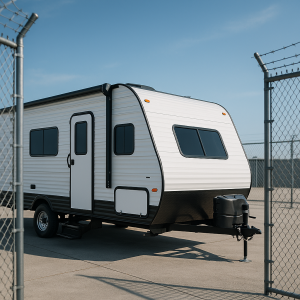
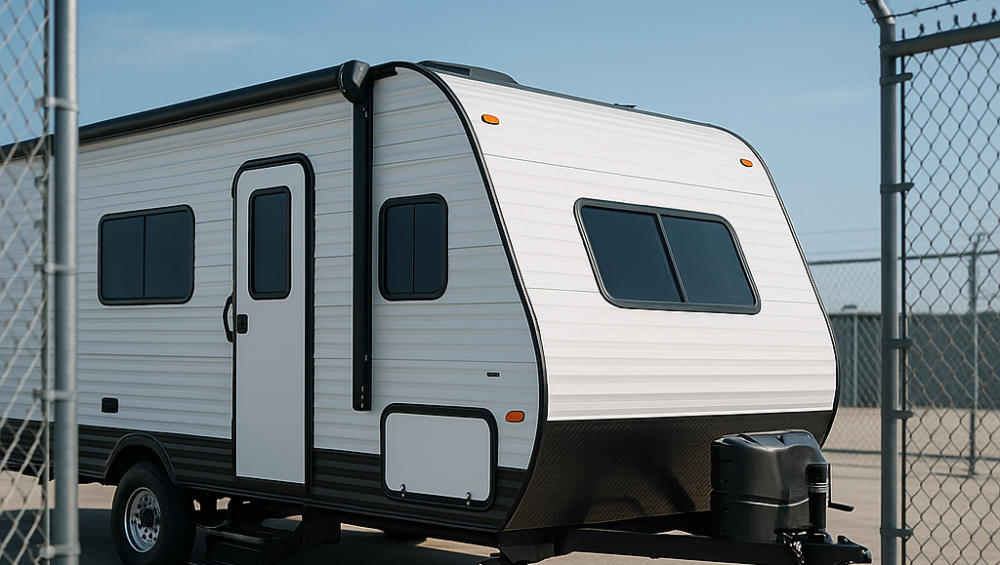
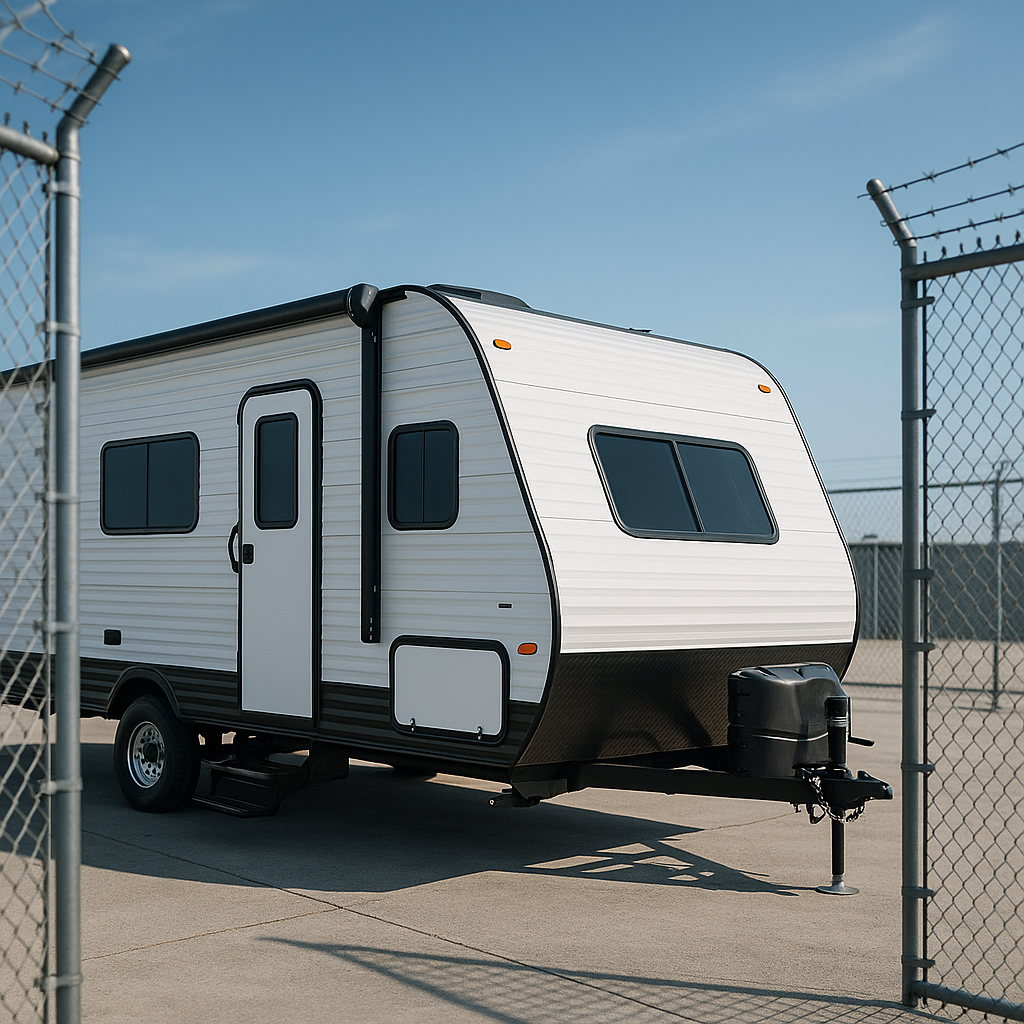
GPS tracker for camper owners has become essential equipment for protecting recreational vehicles that sit idle for extended periods. Campers and RVs represent substantial financial investments that face unique security challenges—from storage facilities to remote campgrounds, these vehicles are vulnerable to theft, unauthorized movement, and seasonal storage risks. Unlike daily-use vehicles, campers may remain stationary for months at a time, making them attractive targets that can disappear without owners noticing until their next planned trip.
Passive GPS tracking technology specifically addresses the camper owner’s dilemma: how to monitor a vehicle that isn’t connected to constant power and may be stored far from home. Traditional tracking devices drain vehicle batteries or require hardwired installations that void warranties. Modern tracking solutions designed for campers operate independently, provide months of battery life, and deliver location updates without the complexity or ongoing costs associated with older tracking methods.
The following guide examines how GPS tracking protects camper investments, what features matter most for recreational vehicle monitoring, and why battery life determines whether a tracking solution succeeds or fails in real-world camper applications.
Why Camper Owners Need GPS Tracking Beyond Standard Vehicle Security
Campers face security vulnerabilities that standard vehicle owners rarely encounter. These recreational vehicles often sit unattended in storage facilities, driveways, or remote property locations for weeks or months between trips. During these dormant periods, owners have limited visibility into whether their camper remains where they left it. Storage facilities may have gates and cameras, but these measures cannot prevent determined thieves from towing a camper away during off-hours or breaching perimeter security.
The financial exposure extends beyond the camper’s purchase price. Many owners invest thousands in upgrades—solar panels, custom interiors, specialized equipment, and seasonal modifications that transform a basic RV into a personalized travel home. Insurance deductibles for camper theft often run higher than standard auto policies, and recovery rates for stolen recreational vehicles remain disappointingly low without tracking technology. Law enforcement agencies have limited resources to dedicate to stolen camper cases, particularly when owners cannot provide current location data or movement history.
Seasonal storage presents additional complications. Camper owners who store vehicles during winter months or between vacation periods face the longest vulnerability windows. A camper stolen in November might not be reported missing until March when the owner plans their first spring trip. This delay eliminates virtually any chance of recovery and allows thieves months to strip valuable components, repaint and re-title the vehicle, or transport it across state lines. Passive GPS tracking closes this awareness gap by enabling owners to verify their camper’s location periodically without visiting the storage site or installing complex monitoring systems.
Geographic mobility compounds the challenge. Camper owners frequently leave vehicles at campgrounds while exploring an area on day trips, park at trailheads for multi-day hikes, or store units at their vacation destination between visits. Each scenario creates temporary separation between owner and asset, with varying levels of security oversight. GPS tracking for camper applications provides consistent monitoring regardless of where the vehicle sits, eliminating the anxiety that comes with leaving a valuable asset unattended in unfamiliar locations.
Battery Life: The Critical Factor That Determines GPS Tracker Effectiveness for Campers
Battery endurance separates functional camper tracking solutions from devices that create more problems than they solve. Most GPS trackers marketed for vehicle use operate for days or weeks before requiring recharge—acceptable performance for fleet vehicles with daily use, but completely inadequate for campers that may sit idle for entire seasons. A tracking device with two-week battery life becomes a maintenance burden rather than a security solution, forcing owners to visit storage facilities repeatedly just to keep the tracker operational.
Passive GPS tracking technology with 90-day battery life transforms the user experience from constant maintenance to set-and-forget protection. This extended operation period aligns with actual camper usage patterns. Owners can install the tracker before storing their camper for winter or between vacation periods, then verify location status periodically through a simple app check rather than physical visits. The tracker remains operational throughout the entire storage season without intervention, providing continuous protection during the months when campers face greatest vulnerability.
Power source constraints make extended battery life non-negotiable for camper applications. Unlike commercial fleet vehicles that run daily and can support hardwired trackers drawing power from the vehicle’s electrical system, campers sit with disconnected batteries or in storage with batteries removed entirely. Hardwiring a tracker to a camper’s electrical system introduces installation complexity, potential warranty concerns, and parasitic drain that can deplete the camper’s house batteries over time. Owners who winterize their campers typically disconnect all power sources to prevent battery damage, which would render any hardwired tracker inoperative precisely when theft risk peaks.
The mathematics of battery life reveal why 90-day operation represents the minimum viable standard for camper tracking. Consider a family that uses their camper for summer vacations totaling six weeks annually. Their camper sits unused for 46 weeks per year—319 days. A tracker with 30-day battery life would require nearly eleven recharge cycles annually, each demanding a trip to the storage facility. A 90-day tracker reduces this burden to four recharge cycles, making the security solution sustainable for owners with busy schedules or storage locations far from home.
Installation Flexibility: Why Camper GPS Trackers Must Avoid Hardwiring Requirements
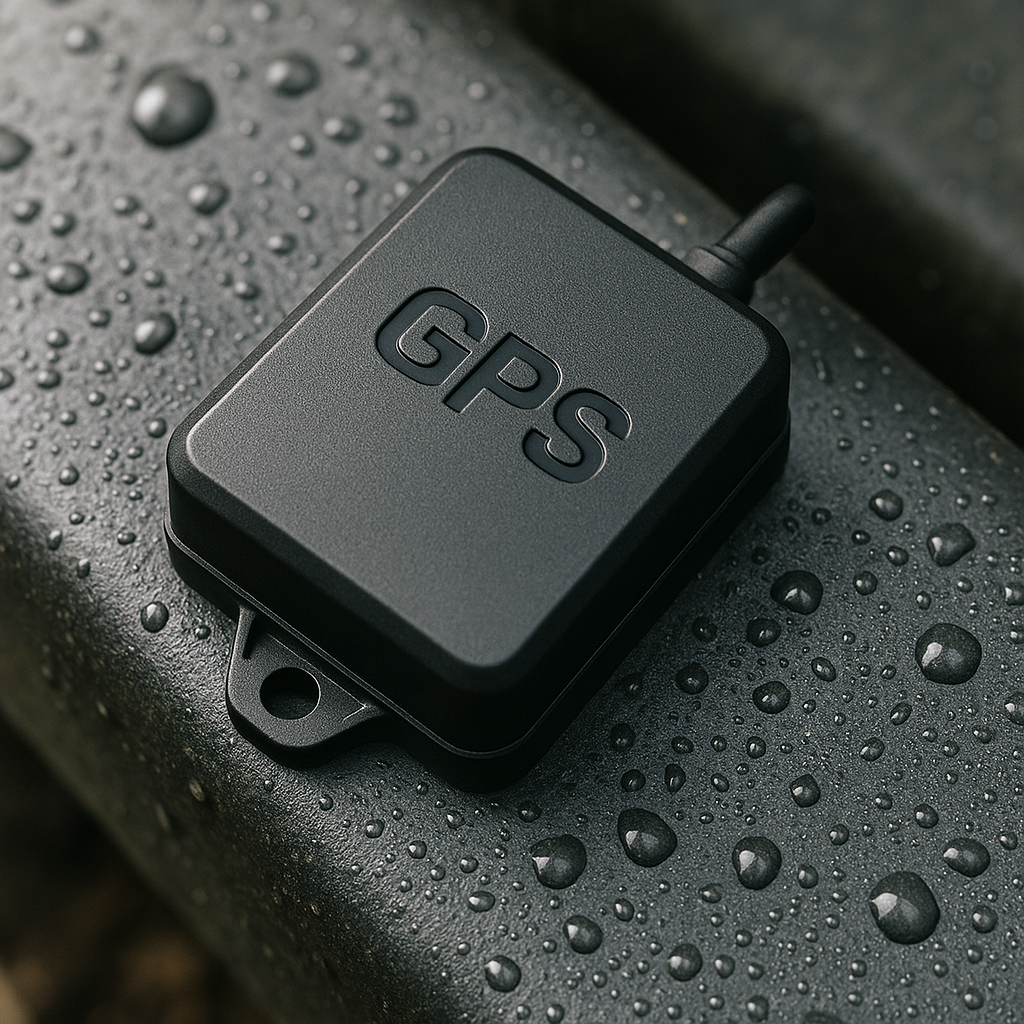
Installation complexity determines whether camper owners will actually implement GPS tracking or abandon the idea despite good intentions. Hardwired tracking devices that require professional installation, connection to vehicle power systems, or modification of existing electrical components present barriers that discourage adoption. Many camper owners lack technical expertise for electrical work, and professional installation costs can approach several hundred dollars—an expense that undermines the value proposition of the tracking solution itself.
Camper electrical systems differ substantially from standard passenger vehicles, with separate house batteries, solar charging systems, inverters, and 12-volt distribution panels that complicate any hardwired installation. Owners who attempt DIY hardwiring risk creating short circuits, damaging sensitive electronics, or introducing water intrusion points that lead to expensive repairs. Recreational vehicle manufacturers typically void warranties when owners modify electrical systems, making hardwired trackers a risky proposition for anyone with a camper still under warranty coverage.
Passive GPS trackers designed for camper use eliminate installation barriers entirely. These self-contained units require no tools, no wiring knowledge, and no modification of existing vehicle systems. An owner simply places the tracker in a concealed location within the camper—inside a storage compartment, beneath a dinette seat, or within a water heater access panel. The entire installation process takes minutes rather than hours, and positioning options remain flexible should the owner wish to relocate the device or transfer it between vehicles.
Magnetic mounting capabilities expand concealment options for GPS tracking devices on campers. The steel frames, axles, and exterior panels common to recreational vehicle construction provide numerous attachment points where a magnetically mounted tracker remains secure during transport yet accessible when owners need to retrieve the device for recharging. Exterior mounting positions offer stronger GPS signal reception than interior placements, while hidden locations beneath the vehicle frame protect the tracker from casual observation. This installation flexibility allows owners to optimize placement based on their specific camper design, storage situation, and security priorities without permanently altering the vehicle.
Location Monitoring Without Subscription Complexity or Hidden Costs
Subscription pricing models that characterize many GPS tracking services create ongoing cost concerns that deter camper owners from adopting tracking technology. Monthly fees ranging from ten to forty dollars may seem modest initially, but compound into substantial expenses over a camper’s typical 15-20 year ownership period. Owners who use their camper seasonally often question why they should pay year-round subscription fees for a vehicle that sits in storage eight months annually.
Passive tracking approaches eliminate recurring subscription complexity by providing location data without continuous cellular connection requirements. Rather than maintaining constant communication with cell towers—which demands active service plans and generates monthly billing—passive GPS systems log location data that owners can access when needed. This architectural difference reduces operating costs dramatically while still delivering the core functionality camper owners require: the ability to verify their vehicle’s location and receive movement alerts when the camper is transported without authorization.
Hidden costs beyond base subscription fees often surprise tracking service customers. Activation fees, early termination charges, overage fees for excessive location checks, and premium feature access can double or triple the actual cost of operating a GPS tracker over time. Contract requirements that lock customers into multi-year commitments with cancellation penalties create vendor lock-in that leaves owners paying for service they may not actively use. Camper owners shopping for GPS tracking solutions should scrutinize the total cost of ownership over five years rather than focusing solely on attractive introductory pricing.
The value equation for camper GPS tracking shifts dramatically when ongoing subscription costs disappear. A tracker with higher upfront cost but minimal or no recurring fees typically delivers better long-term value than an inexpensive device with perpetual monthly charges. Owners should calculate five-year total cost when comparing options: a device costing two hundred dollars with no subscription fees costs less over time than a fifty-dollar tracker with twenty-dollar monthly charges, which totals twelve hundred dollars over five years. This math becomes particularly compelling for camper owners who plan to keep their recreational vehicle for a decade or more.
Movement Alerts and Geofencing: Automatic Notification When Your Camper Moves
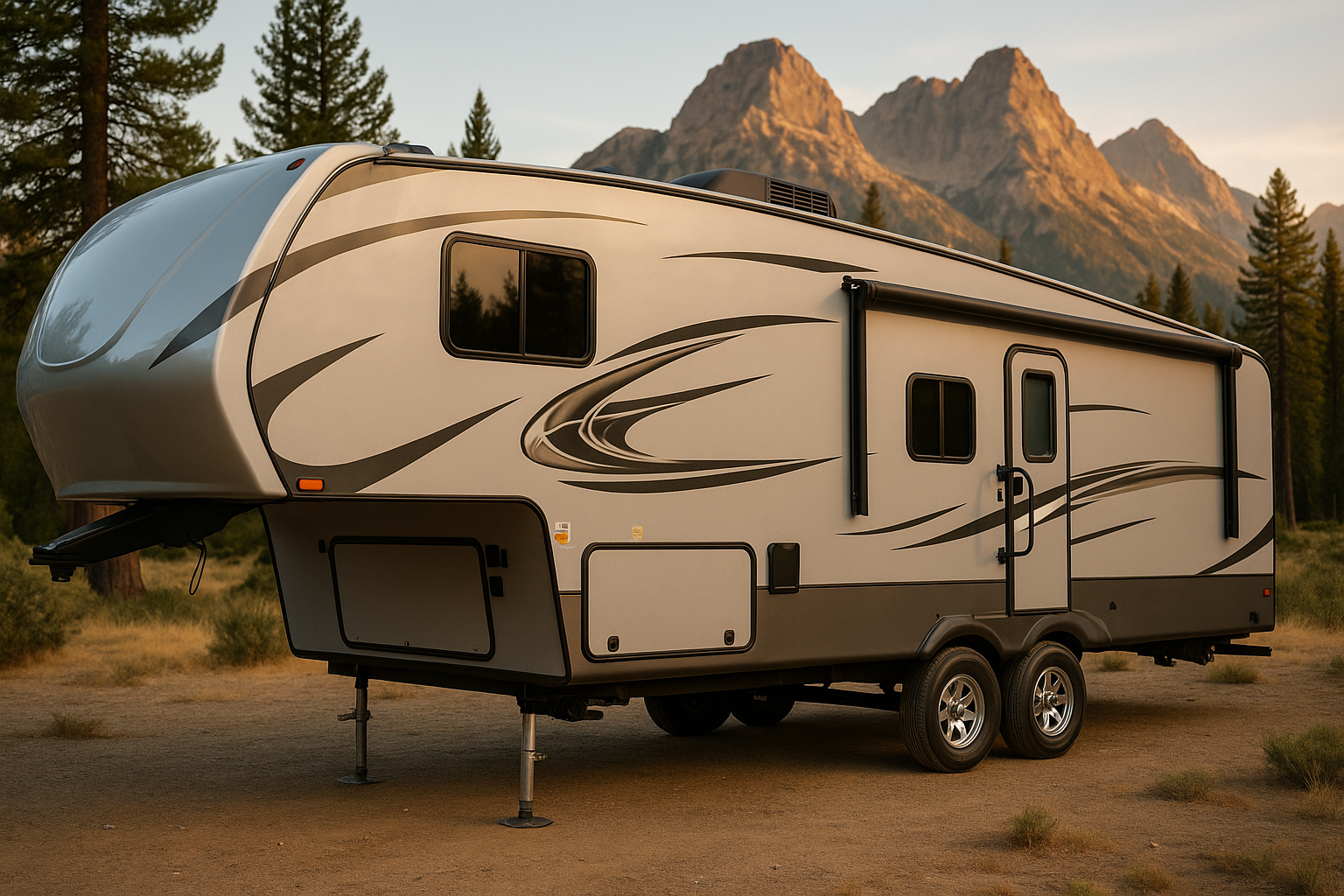
Automated alerts transform GPS tracking from a passive location verification tool into an active security system that notifies owners the moment unauthorized movement occurs. Geofencing technology allows camper owners to define a virtual perimeter around their vehicle’s storage location, triggering immediate notifications when the camper exits this boundary. This capability provides earliest possible awareness of potential theft, creating the narrow window of opportunity when law enforcement intervention might still recover the vehicle before it disappears completely.
The speed of alert notification directly impacts theft recovery prospects. Thieves typically move stolen campers quickly, either to chop shops for parts stripping or to distant locations for resale. The first few hours after theft represent the critical period when police can potentially intercept the vehicle along escape routes or locate it before thieves conceal the camper in a warehouse or covered storage. GPS tracker for camper applications with instant movement alerts compresses the reporting timeline from days or weeks to minutes, fundamentally improving recovery odds.
False alert management represents a key consideration for movement detection systems. Overly sensitive settings generate notifications for minor vibrations, nearby traffic, or GPS drift—the natural signal variation that occurs even when vehicles remain stationary. Excessive false alerts train owners to ignore notifications, defeating the system’s purpose. Quality tracking solutions incorporate motion detection algorithms that distinguish between genuine vehicle movement and environmental factors, alerting owners only when their camper actually travels beyond the defined geofence boundary.
Customizable alert parameters allow camper owners to adapt notification sensitivity to their specific situation. An owner storing a camper at home in their driveway might set a small geofence radius of 100 feet and enable immediate alerts for any movement. Another owner keeping their camper at a storage facility where staff occasionally reposition vehicles for maintenance access might choose a larger geofence radius and longer movement duration threshold to avoid false alerts from authorized short-distance repositioning. This flexibility ensures the tracking system enhances rather than complicates the ownership experience.
GPS Tracker Placement Strategies to Maximize Signal Strength and Concealment
Device placement dramatically affects both GPS tracking accuracy and theft deterrence effectiveness. Camper construction materials influence signal reception in ways that owners must consider during installation. Aluminum-sided campers generally permit stronger GPS signal penetration than fiberglass models, while campers with metal roofs may block satellite signals entirely when trackers are mounted in overhead cabinets. Understanding these material impacts helps owners identify placement locations that balance signal strength with concealment priorities.
Exterior mounting positions deliver optimal GPS performance but require more sophisticated concealment strategies. The underside of a camper presents numerous attachment points where magnetic trackers can secure to the steel frame, axles, or support brackets. These locations provide unobstructed views of the sky for maximum satellite visibility while remaining hidden from casual observation. Owners should inspect mounting points after several trips to verify the tracker remains secure despite road vibration, and should clean mounting surfaces to ensure magnetic adhesion remains strong in dusty or muddy conditions.
Interior placements sacrifice some signal strength for enhanced physical security and weather protection. Storage compartments near windows offer reasonable GPS reception while keeping the tracker protected from road debris, weather exposure, and casual discovery by thieves conducting quick vehicle searches. Locations beneath dinette seats, inside water heater access panels, or within basement storage compartments provide concealment while maintaining sufficient satellite visibility for position fixes. Owners should test signal strength after installation by checking location accuracy through the tracker’s app, then adjusting placement if initial position fixes prove unreliable.
Multiple tracker deployment increases recovery probability for high-value campers or owners facing elevated theft risk. Installing two GPS trackers in different concealment locations—one easily discoverable and one deeply hidden—creates a backup system that continues functioning if thieves locate and disable the first device. This redundant approach mirrors tactics used by commercial fleet operators protecting valuable assets, adapted to the camper environment. While doubling tracker investment, this strategy significantly improves recovery prospects and provides peace of mind proportional to the camper’s value.
Weather Resistance and Temperature Tolerance for Year-Round Camper Protection
Environmental durability determines whether a GPS tracker can actually protect campers through seasonal storage and varied climate conditions. Recreational vehicles experience far greater temperature extremes than daily-use passenger vehicles. A camper stored outdoors in Minnesota endures winter temperatures below zero while summer storage in Arizona subjects trackers to interior temperatures exceeding 140 degrees. Devices without appropriate temperature ratings will fail in these conditions, leaving campers unprotected precisely when seasonal vulnerability peaks.
Moisture protection ratings indicate a tracker’s ability to withstand the humidity, condensation, and occasional water exposure common in camper environments. Recreational vehicles develop interior condensation during temperature swings, particularly during spring and fall when daytime warming follows cold nights. Storage compartments and basement areas may accumulate moisture from ground condensation or minor roof leaks. GPS trackers rated for outdoor use or carrying IP67 weather resistance specifications can tolerate these conditions without corrosion or electrical failure that would compromise tracking functionality.
Battery performance degrades in extreme temperatures, making cold weather operation particularly challenging for GPS tracking devices. Lithium batteries lose capacity as temperatures drop, with performance declining notably below freezing. A tracker advertising 90-day battery life based on moderate temperature testing may operate for only 60 days in winter storage conditions. Camper owners in cold climates should verify that battery life specifications account for low-temperature operation rather than assuming optimal-condition performance figures. Quality tracking solutions specify battery life across a temperature range, providing realistic expectations for year-round use.
Shock and vibration resistance ensures trackers survive the transportation conditions they’ll encounter on actual camper trips. Road travel subjects trackers to constant vibration, while rough roads and potholes create occasional sharp impacts. Devices designed for vehicle applications incorporate shock-absorbing cases and securely mounted internal components that prevent damage from normal transportation stresses. Trackers built for static applications or personal carrying may fail prematurely when subjected to thousands of miles of road vibration, making vehicle-specific design an important selection criterion for camper tracking applications.
Comparing GPS Tracker Options: What Features Actually Matter for Camper Protection
Feature comparison reveals substantial differences between GPS trackers marketed toward camper owners, but not all advertised capabilities deliver practical value. Understanding which features address genuine camper security needs versus marketing differentiators helps owners select solutions that match their specific requirements without overpaying for unnecessary functionality. Battery life, weather resistance, and mounting flexibility represent baseline requirements that all serious camper tracking solutions should provide, while other features offer incremental benefits depending on individual circumstances.
Historical location tracking allows owners to review everywhere their camper has traveled over a defined time period. This feature provides value primarily in theft recovery situations, where movement history helps law enforcement understand transportation routes and identify possible storage locations. For campers that remain stationary between trips, historical tracking offers minimal benefit since the location history shows the camper sitting in one place. Owners should prioritize real-time location access and movement alerts over extensive historical tracking capabilities unless they specifically anticipate needing detailed movement records.
Update frequency specifications require careful interpretation. Some trackers advertise one-minute update intervals, suggesting owners receive continuous location visibility. However, frequent updates drain batteries rapidly, forcing impossible tradeoffs between battery life and location precision. For camper applications where the vehicle sits stationary for extended periods, infrequent updates—perhaps once or twice daily—provide adequate monitoring while preserving battery life. Owners should have the ability to trigger an immediate location update when they specifically want current position data, rather than receiving constant updates that provide no additional value when the camper hasn’t moved.
Cellular versus satellite communication technologies present tradeoffs that affect coverage, cost, and functionality. Cellular GPS trackers operate through standard mobile networks, providing reliable coverage in populated areas but losing connectivity in remote locations beyond cell tower reach. Satellite trackers function anywhere with clear sky view but typically carry substantially higher subscription costs and device prices. Most camper owners operate primarily in areas with cellular coverage—storage facilities, campgrounds, and travel routes generally include cell service—making cellular trackers the cost-effective choice. However, owners who regularly camp in wilderness areas might justify satellite tracker investment for coverage that extends beyond cellular networks.
Frequently Asked Questions About GPS Trackers for Campers
How long does a GPS tracker battery actually last on a camper?
Quality GPS trackers designed for camper applications provide approximately 90 days of battery life under normal operating conditions. Actual duration varies based on update frequency settings, temperature conditions, and how often the device transmits location data. Trackers that check location once or twice daily consume less power than devices providing hourly updates. Cold weather reduces battery capacity, potentially shortening operational time in winter storage situations. Owners should plan to recharge trackers every two to three months for reliable year-round protection.
Can thieves detect and disable a GPS tracker on my camper?
Thieves can potentially locate and disable GPS trackers if they conduct thorough searches of a stolen vehicle. However, this requires time and effort that most opportunistic thieves won’t invest during the critical first hours after theft. Concealing the tracker in non-obvious locations dramatically reduces discovery risk. Some owners install two trackers—one in a moderately visible location that thieves might find and disable, and a second deeply hidden backup device that continues reporting location even if thieves locate the first unit. Passive trackers without constantly transmitting signals prove harder to detect than active devices that broadcast continuous signals thieves might detect with scanning equipment.
Will a GPS tracker drain my camper’s battery during storage?
Properly designed camper GPS trackers operate on self-contained batteries completely independent from the vehicle’s electrical system. These devices draw no power from camper house batteries or chassis batteries, eliminating any parasitic drain concerns. Owners can disconnect all camper batteries during storage without affecting tracker operation. This independence represents a key advantage over hardwired tracking devices that draw power from vehicle systems and can contribute to battery discharge over extended storage periods.
Do GPS trackers work inside metal or aluminum-sided campers?
GPS trackers can function inside metal-sided campers, though signal strength may be reduced compared to exterior mounting locations. Aluminum siding permits better GPS signal penetration than steel construction. Placement near windows or in storage compartments with plastic access doors improves reception compared to locations surrounded by metal on all sides. Owners should test signal quality after installation by checking location accuracy through the tracker’s app. If interior placement yields poor results, relocating the tracker to an exterior mounting position under the frame or near the tongue provides stronger GPS reception while maintaining concealment.
What happens if my camper is stolen and taken somewhere without cell coverage?
GPS trackers using cellular networks require cell coverage to transmit location data. If a stolen camper is moved to an area without cellular service, the tracker will continue logging GPS position coordinates but cannot transmit this data until cellular connectivity returns. When the camper later moves back into coverage areas or thieves transport it through regions with cell service, the stored location data transmits and owners receive updated position information. This delay reduces real-time tracking capability but still provides valuable recovery information. For campers regularly used in remote wilderness areas, satellite-based trackers offer coverage independent of cellular networks, though at substantially higher equipment and subscription costs.
Protecting Your Camper Investment With Reliable GPS Tracking Solutions
GPS tracker for camper applications addresses the unique security challenges facing recreational vehicle owners who store valuable assets for extended periods between trips. The combination of 90-day battery life, installation simplicity, and movement alerts transforms passive storage into active protection. Campers represent substantial investments that often appreciate in personal value beyond their monetary worth—these vehicles carry family memories, vacation planning, and the promise of future adventures that theft abruptly terminates.
The features that matter most for camper tracking differ substantially from daily-use vehicle requirements. Extended battery operation without vehicle power dependence, weather resistance for year-round storage conditions, and flexible mounting options for diverse camper designs determine whether a tracking solution succeeds in real-world applications. Owners who understand these priorities can identify GPS trackers that provide genuine security value rather than marketing features that sound impressive but deliver little practical benefit. The modest investment in appropriate tracking technology provides protection proportional to the camper’s value and the peace of mind that comes from knowing a recreational vehicle remains where it should be, ready for the next adventure.
Piritiz.com offers passive GPS tracking solutions specifically designed for campers and recreational vehicles, with 90-day battery life that matches actual ownership patterns and storage realities. The tracking system operates independently of vehicle power systems, requires no installation complexity, and provides reliable location monitoring throughout seasonal storage periods when campers face greatest theft vulnerability.