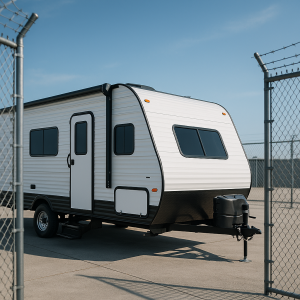

A GPS RV tracker provides essential protection for recreational vehicles that often sit unused for extended periods, making them prime targets for theft. Unlike traditional vehicles that drivers use daily, RVs spend most of their time parked at storage facilities, driveways, or remote campgrounds where security monitoring is minimal. This extended dormancy creates unique tracking challenges that standard GPS solutions fail to address effectively.
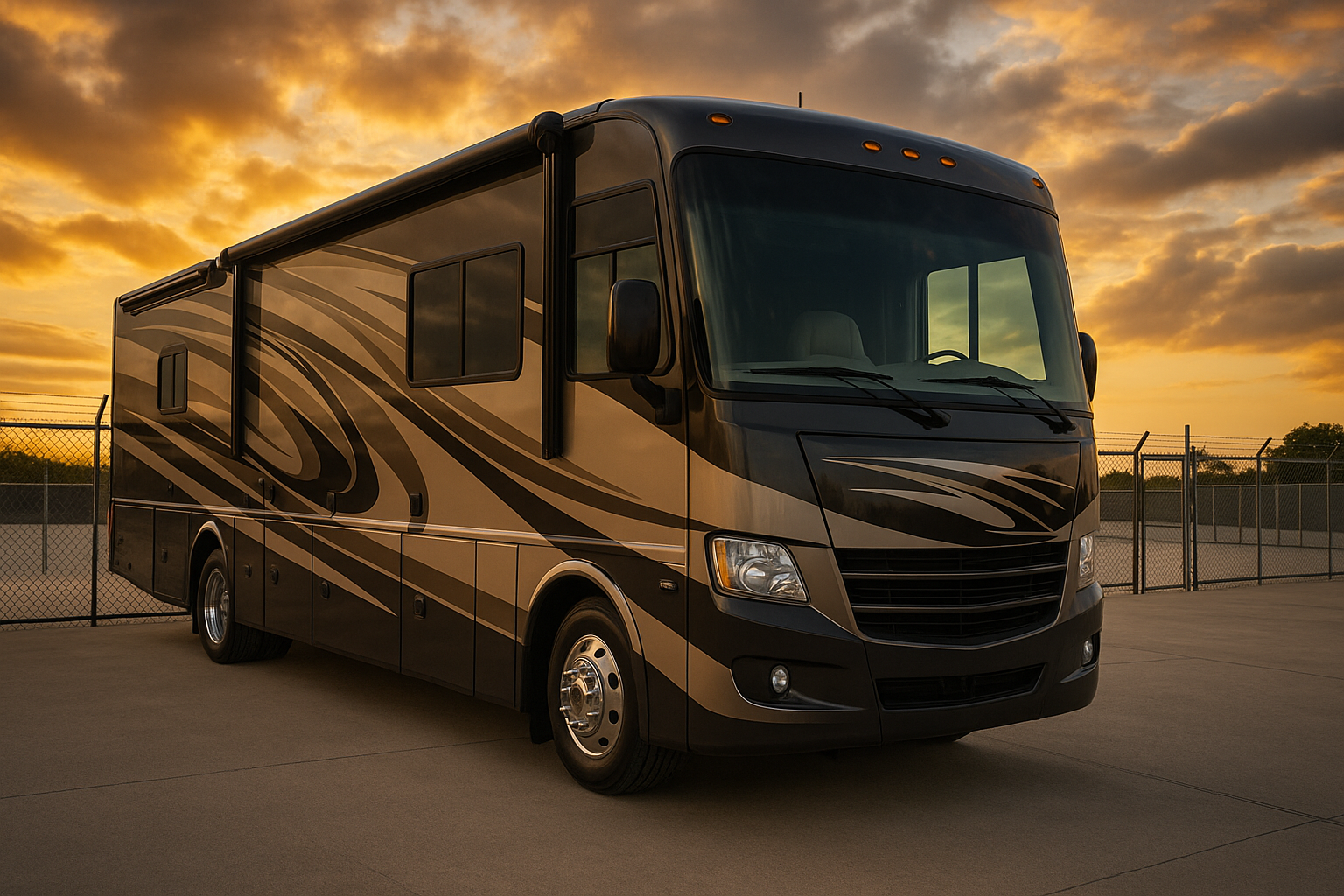
Recreational vehicle owners face a distinct problem: their assets are high-value targets that can be stolen weeks or even months before the theft is discovered. The average RV represents a substantial financial investment, yet many owners rely solely on basic alarm systems or physical locks that determined thieves can bypass. A specialized GPS tracking solution designed specifically for the unique usage patterns of recreational vehicles provides the protection these assets require without the complications of devices that drain batteries during long storage periods.
Passive GPS tracking technology solves the RV protection challenge by delivering location data through extended battery life that matches how recreational vehicles are actually used. Rather than constantly transmitting signals that exhaust power supplies, this approach prioritizes longevity and reliability over real-time updates that RV owners rarely need during storage periods.
How GPS RV Tracker Technology Differs from Standard Vehicle Tracking
Recreational vehicles require fundamentally different tracking capabilities than daily-use vehicles. Standard GPS trackers designed for fleet vehicles or passenger cars prioritize constant connectivity and minute-by-minute location updates because those assets move frequently throughout the day. RVs follow completely different usage patterns that make constant transmission unnecessary and impractical.
The primary distinction lies in how recreational vehicles are used. Most RV owners take their vehicles out seasonally or for specific trips, leaving them parked for weeks or months between adventures. During these storage periods, constant GPS signal transmission serves no purpose while rapidly depleting the tracking device’s power supply. Traditional tracking devices require hardwiring into the vehicle’s electrical system or frequent recharging, creating maintenance burdens that recreational vehicle owners find impractical.
Passive GPS tracking addresses these unique requirements by prioritizing battery longevity. A 90-day battery life ensures that the tracking device remains operational throughout typical storage periods without requiring the owner to access the vehicle for recharging. This extended operational window aligns perfectly with how most recreational vehicle owners actually use their assets, providing protection during the vulnerable storage periods when theft most commonly occurs.
The tracking approach also differs in data delivery. Rather than streaming continuous location updates that consume battery power, passive tracking systems record location data at strategic intervals and transmit information on schedules that balance protection with power conservation. This method provides the critical information owners need to verify their RV’s location and recover stolen vehicles without the unnecessary battery drain of constant transmission.
Critical Installation Considerations for Recreational Vehicle GPS Trackers
Proper placement of a GPS RV tracker determines both the device’s effectiveness and its ability to remain undetected by potential thieves. Recreational vehicles offer numerous hiding locations due to their size and complexity, but not all placement options provide equal protection or GPS signal reception.
The ideal installation location must balance three competing priorities: concealment from thieves, adequate GPS signal reception, and protection from environmental factors. RVs experience significant temperature variations, moisture exposure, and physical vibration during travel that can compromise poorly positioned tracking devices. The device must remain hidden enough that thieves conducting cursory searches won’t locate and disable it, yet positioned where it can receive GPS signals through the vehicle’s structure.
Common effective placement locations include inside storage compartments, behind access panels, within the frame structure, or in areas specific to the RV type. Class A motorhomes offer different concealment options than travel trailers or fifth wheels, requiring installation strategies tailored to each vehicle configuration. The key is selecting locations that appear to be part of the vehicle’s original construction rather than obvious aftermarket additions.
Battery-powered trackers with 90-day operational periods eliminate the installation complexity of hardwired systems. The owner avoids running wires through the vehicle’s structure, drilling mounting holes, or connecting to the electrical system—all modifications that require technical expertise and create potential failure points. Magnetic mounting options allow secure attachment to metal surfaces within the vehicle’s structure without permanent modifications, making installation accessible to recreational vehicle owners without specialized technical knowledge.
Environmental protection remains crucial for tracking devices installed in recreational vehicles. Unlike passenger cars with climate-controlled interiors, RVs often experience extreme temperature swings when parked in outdoor storage. The tracking device must withstand both summer heat that can exceed 140°F in enclosed compartments and winter cold that drops below freezing. Weatherproof construction protects the device from moisture intrusion during rain, snow, or condensation that commonly occurs in unheated RVs.
Theft Prevention Strategies Enhanced by GPS RV Trackers
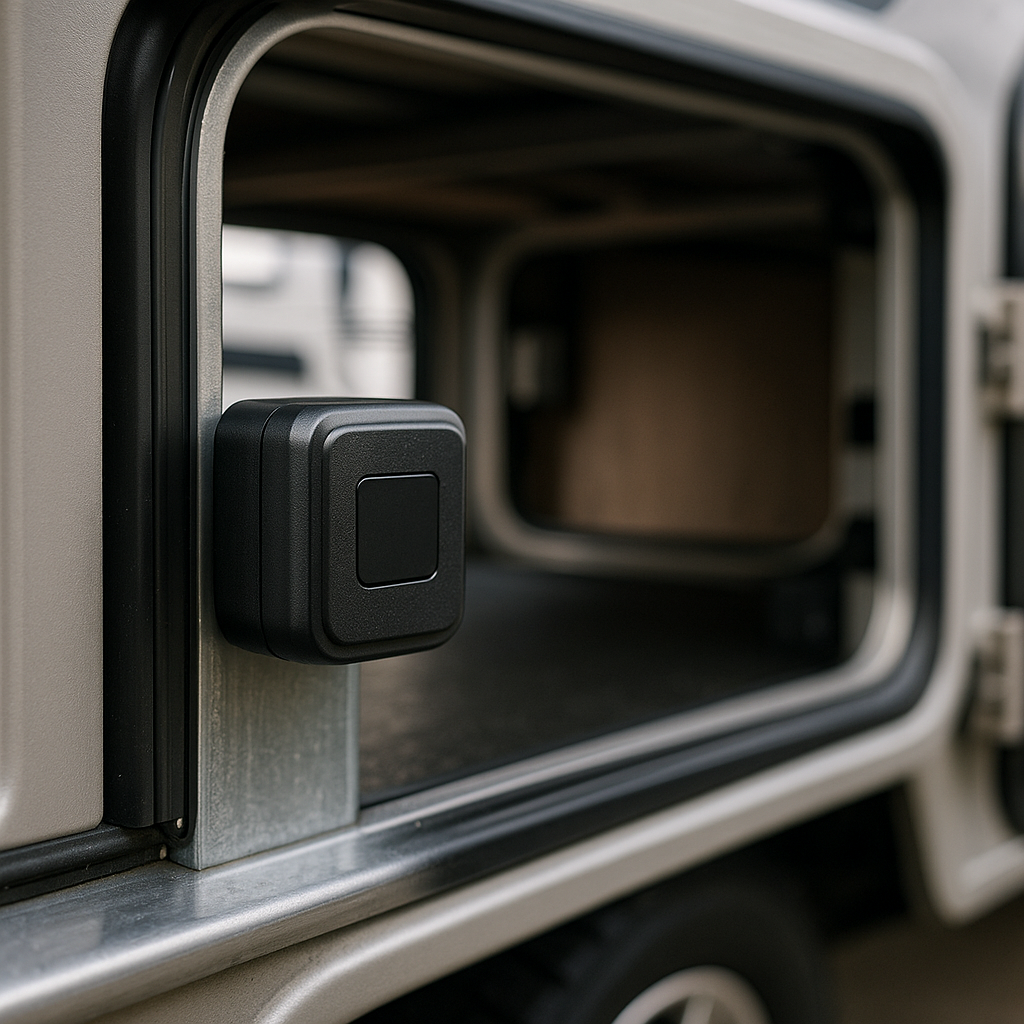
A GPS RV tracker functions as one component of a comprehensive theft prevention strategy rather than a standalone security solution. The most effective protection combines multiple security layers that deter thieves at different stages of the theft process while providing recovery capabilities if prevention fails.
Physical security measures form the first defense layer. Wheel locks, hitch locks, and steering wheel locks create visible deterrents that signal to potential thieves that the recreational vehicle is protected. These visible security devices encourage criminals to target easier vehicles without obvious protection. However, determined thieves with proper tools can defeat physical locks given enough time and privacy, making additional protection layers essential.
GPS tracking serves as the critical backup layer that activates when prevention measures fail. Once a thief defeats the physical security and moves the vehicle, the tracking device documents the theft and provides the location data necessary for law enforcement recovery. The theft recovery window is crucial—the faster authorities receive accurate location information, the higher the probability of recovering the RV before it reaches a chop shop, is stripped for parts, or gets transported across jurisdictional boundaries.
The 90-day battery life of advanced tracking devices provides protection throughout the entire theft and recovery timeline. Some stolen recreational vehicles aren’t discovered missing for days or weeks, particularly when stored at off-site facilities where owners don’t visit regularly. Tracking devices with short battery lives may be non-operational by the time the theft is discovered, eliminating recovery possibilities. Extended battery operation ensures the device remains functional throughout realistic theft scenarios.
Storage facility selection also impacts theft risk. Facilities with controlled access, surveillance cameras, and regular security patrols reduce theft probability but cannot eliminate it entirely. Indoor storage provides better protection than outdoor lots, but at higher cost. A GPS tracker provides protection regardless of storage type, offering peace of mind even in premium storage facilities where theft, while less common, still occurs.
Battery Life Requirements Specific to RV Tracking Applications
Battery performance represents the single most critical specification for recreational vehicle tracking devices because it directly determines whether the tracker will remain operational during typical usage patterns. Standard tracking devices designed for commercial fleets or daily-use vehicles typically offer battery life measured in days or weeks, not months, making them unsuitable for RV applications.
The seasonal nature of recreational vehicle use creates specific power requirements. Many RV owners primarily use their vehicles during summer months, leaving them stored from fall through spring—a storage period that can exceed six months in northern climates. Even owners who use their RVs year-round typically leave them parked for weeks between trips. A tracking device must remain operational throughout these extended dormant periods to provide continuous protection.
A 90-day battery life provides practical coverage for the majority of RV storage scenarios. This three-month operational window accommodates typical usage patterns while remaining practical for periodic battery replacement. Owners can establish quarterly maintenance routines that include battery replacement along with other seasonal RV preparation tasks, integrating tracking device maintenance into existing vehicle care schedules.
Battery life directly correlates with tracking frequency and data transmission patterns. Devices that report location every few minutes exhaust batteries rapidly, while those using intelligent transmission schedules balance protection with power conservation. For recreational vehicles sitting in storage, hourly or even daily location updates provide adequate protection while extending battery life dramatically compared to constant transmission.
Temperature extremes common in RV storage environments affect battery performance. Lithium batteries that power most modern tracking devices experience reduced capacity in cold temperatures and accelerated discharge in extreme heat. Quality tracking devices account for these environmental factors in their battery life specifications, ensuring the stated 90-day performance reflects real-world conditions rather than laboratory ideals. Recreational vehicle owners must select devices rated for the temperature ranges their storage conditions create.
The ability to replace batteries without professional service keeps operational costs manageable. Tracking devices sealed in permanent housings that require manufacturer service for battery replacement create ongoing expenses and service interruptions that make them impractical for long-term RV protection. User-replaceable battery designs allow owners to maintain their tracking devices independently, reducing lifetime ownership costs significantly.
GPS RV Tracker Features That Matter Most for Recreational Vehicles

Not all tracking features provide equal value for recreational vehicle applications. The tracking industry markets numerous capabilities that sound impressive but deliver minimal practical benefit for RV owners, while underemphasizing features that directly address recreational vehicle protection needs.
Geofencing capabilities rank among the most valuable features for RV tracking. This technology allows owners to define virtual boundaries around storage locations or permitted travel areas. The tracking device sends alerts when the recreational vehicle crosses these boundaries, providing immediate notification of unauthorized movement. For RVs stored at facilities or at home, geofence alerts notify owners within hours of a theft rather than days or weeks later when they next visit the vehicle.
Historical location data provides valuable information beyond theft recovery. Reviewing where a recreational vehicle has traveled helps owners verify that borrowed RVs are being used appropriately, confirms delivery routes for RVs in transport, or documents travel for insurance purposes. The tracking device maintains a location history that owners can access through web interfaces or mobile applications, creating a permanent record of the vehicle’s movements.
Movement alerts complement geofencing by notifying owners whenever the GPS tracker detects motion. These alerts catch theft attempts even before the vehicle exits a geofenced area, providing the earliest possible notification. For recreational vehicles that should remain completely stationary during storage, any motion indicates potential theft or unauthorized use that requires immediate investigation.
Compact size enables effective concealment within the recreational vehicle’s structure. Large tracking devices limit hiding options and increase the probability that thieves conducting thorough searches will locate and disable them. Devices small enough to fit in tight spaces, behind panels, or within structural cavities remain undetected even during relatively thorough searches, maintaining protection throughout the theft and recovery process.
Magnetic mounting accelerates installation and allows quick repositioning without tools or permanent vehicle modifications. The owner can attach the tracker to metal surfaces within the RV’s frame or structure, creating secure mounting that withstands road vibration while remaining reversible. This mounting method proves particularly valuable for RV owners who lease their vehicles or want to transfer the tracker between multiple recreational vehicles.
Water resistance protects the tracking device from moisture that inevitably infiltrates recreational vehicles during storage and use. Condensation, roof leaks, storage compartment moisture, and cleaning water exposure all threaten unprotected electronics. IP67 or higher water resistance ratings ensure the tracker continues operating despite moisture exposure that commonly occurs in RV environments.
Cost Analysis: GPS RV Tracker Investment vs. Potential Loss
Understanding the financial implications of GPS tracking requires comparing the total cost of ownership against the potential financial loss from RV theft. This analysis reveals that tracking devices represent minor investments relative to the assets they protect and the recovery capabilities they provide.
The initial device cost represents the most visible expense, but subscription fees for data service constitute the primary long-term cost. Tracking devices require cellular connectivity to transmit location data, necessitating monthly or annual service plans. The total cost of ownership spans the device purchase price plus ongoing subscription fees over the intended usage period. For most RV owners planning to keep their vehicles for years, this total remains a small fraction of the vehicle’s value.
Recreational vehicles represent substantial financial investments that deserve proportional protection. Even modest travel trailers command prices that justify tracking device investments, while luxury motorhomes represent assets worth protecting with multiple security layers. The insurance deductible alone often exceeds the total cost of tracking device ownership for several years, meaning the device pays for itself by enabling recovery that avoids the deductible payment.
Insurance premiums may decrease when owners install GPS tracking devices, though policies vary significantly in their treatment of these security measures. Some insurers offer explicit premium reductions for vehicles equipped with tracking technology, while others consider it as one factor in overall risk assessment. RV owners should discuss tracking device installation with their insurance providers to understand potential premium impacts.
The psychological value of theft protection extends beyond pure financial calculation. RV owners form emotional attachments to recreational vehicles that represent freedom, adventure, and family memories. The peace of mind knowing that a stolen RV can likely be recovered provides value beyond the monetary calculation. Owners sleep better knowing their investment is protected, particularly during the vulnerable storage periods when theft most commonly occurs.
Recovery statistics demonstrate the financial wisdom of GPS tracking investments. Recreational vehicles equipped with tracking devices show significantly higher recovery rates than untracked vehicles because law enforcement receives accurate location data enabling timely recovery. Without tracking, stolen RVs often disappear permanently, leaving owners to file insurance claims and purchase replacement vehicles while absorbing deductibles and the value gap between insurance payouts and replacement costs.
Comparing GPS RV Tracker Options: What Separates Premium from Basic Solutions
The recreational vehicle tracking market includes numerous products at various price points, but significant capability differences separate premium solutions from budget alternatives. Understanding these distinctions helps RV owners select devices that actually provide the protection they need rather than cheaper options that fail during critical moments.
Battery life creates the clearest dividing line between premium and basic trackers. Budget devices typically offer battery life measured in days or weeks, requiring frequent recharging that makes them impractical for RV applications. Premium devices with 90-day battery life eliminate the maintenance burden while ensuring protection throughout realistic storage periods. This single specification often determines whether a tracking device succeeds or fails in recreational vehicle applications.
Network coverage determines whether the tracking device can transmit location data from wherever the RV travels or gets stolen to. Basic devices using single-carrier networks experience coverage gaps in rural areas where RVs commonly travel and where thieves may hide stolen vehicles. Premium solutions using nationwide networks with broader coverage maintain connectivity across diverse geographic areas, ensuring location data reaches the owner regardless of where the theft occurs.
Update frequency affects how current the location information remains. Some basic devices update location only once daily or even less frequently to conserve battery, creating location uncertainty that can span hundreds of miles if the vehicle is moving. Premium devices balance battery life with more frequent updates during movement, providing location accuracy sufficient for law enforcement recovery operations.
Build quality determines whether the device survives the harsh recreational vehicle environment. Cheap trackers using consumer-grade components fail when exposed to extreme temperatures, moisture, or vibration common in RV applications. Premium devices built to commercial specifications withstand environmental stresses, ensuring reliability when owners need protection most.
Customer support quality separates premium providers from budget alternatives. When an RV gets stolen, owners need immediate access to technical support and assistance coordinating with law enforcement. Premium tracking providers offer responsive support during critical situations, while budget alternatives may provide only email support with slow response times that undermine recovery efforts.
Application interfaces affect how easily owners can access their tracking data and configure device settings. Well-designed mobile apps and web interfaces make it simple to check vehicle location, configure geofences, review historical data, and manage alerts. Poorly designed interfaces frustrate users and may prevent them from accessing critical information quickly during theft situations.
Legal and Privacy Considerations for GPS RV Trackers
Installing GPS tracking on recreational vehicles creates legal and privacy considerations that owners must understand to use these devices appropriately and avoid potential complications. While tracking your own property is generally legal, specific situations create complexities that require careful navigation.
Tracking a recreational vehicle that you own outright presents no legal complications. Property owners have broad rights to monitor and protect their assets using GPS technology. This straightforward scenario covers most RV owners who purchase their vehicles outright or have completed loan payments, giving them full ownership rights that include installing tracking devices.
Financed recreational vehicles remain the owner’s property despite the lender’s security interest, giving the purchaser the right to install tracking devices. However, some RV loan agreements contain clauses about vehicle modifications that might technically apply to tracking device installation. Reviewing financing agreements before installation avoids potential conflicts, though lenders rarely object to security devices that protect their collateral.
Leased recreational vehicles create more complex situations because the leasing company retains ownership. Installing tracking devices on leased RVs typically requires lessor permission. Most leasing companies permit or even encourage tracking device installation since it protects their assets, but obtaining explicit permission documents the authorization and prevents disputes.
Shared RV ownership, such as vehicles owned by multiple family members or business partners, requires consensus among all owners before installing tracking devices. While tracking the vehicle itself is legal, co-owners have privacy interests in their movements that tracking could implicate. Clear communication and agreement among all parties avoids conflicts and ensures everyone understands that the vehicle’s location is being monitored.
Borrowed recreational vehicles present the clearest privacy concerns. An RV owner who lends their vehicle to friends or family members should disclose the presence of tracking devices to avoid privacy violations. While tracking your own property remains legal even when others use it, ethical considerations and potential state privacy laws favor disclosure to temporary users.
Commercial RV rental operations face additional regulations around GPS tracking. Some jurisdictions require rental companies to disclose tracking devices in rental agreements and obtain explicit consent from renters. These regulations balance the rental company’s legitimate interest in protecting their assets against renters’ privacy expectations during their rental period.
Data security obligations apply to anyone operating GPS tracking devices. Location data collected by trackers must be protected from unauthorized access, requiring secure passwords, encrypted data transmission, and careful control of account access. Data breaches that expose tracking information could create liability for device owners who fail to implement reasonable security measures.
Integration with Broader RV Security Systems
A GPS RV tracker delivers maximum protection when integrated into a comprehensive security strategy rather than functioning as an isolated component. The most effective recreational vehicle protection combines multiple technologies and practices that work together to prevent theft and enable recovery.
Traditional alarm systems provide immediate theft deterrence through loud sirens that draw attention to unauthorized entry or movement. These alarms excel at preventing opportunistic theft by creating noise and attention that most thieves want to avoid. However, alarm systems alone cannot prevent determined thieves working in isolated areas where alarm noise goes unheard or ignored. GPS tracking complements alarms by providing recovery capability when alarm deterrence fails.
Physical immobilization devices like wheel locks, hitch locks, and brake locks create visible deterrents while adding time to the theft process. Thieves conducting surveillance to identify targets often skip vehicles with visible security devices in favor of easier targets. These devices cannot prevent all thefts but they filter out less skilled criminals and reduce overall theft risk. GPS tracking provides the backup layer that activates when physical security gets defeated.
Surveillance cameras at storage locations document theft incidents and provide evidence for law enforcement investigations. Camera footage captures vehicle descriptions, license plates, and theft methods that aid investigations and prosecution. When combined with GPS tracking data showing the stolen RV’s current location, surveillance evidence strengthens cases and increases recovery likelihood.
VIN etching and asset marking programs increase theft risk for criminals by making stolen recreational vehicles harder to resell. Etched windows, marked components, and registration in national databases create paper trails that legitimate buyers check before purchase. These measures don’t prevent theft but they reduce the stolen vehicle’s value to thieves, potentially decreasing theft motivation. GPS tracking provides recovery capability even when deterrents fail.
Secure storage facilities represent another protective layer. Facilities with controlled access, perimeter fencing, lighting, and security patrols reduce theft probability significantly compared to unsecured outdoor storage or street parking. However, even premium storage facilities experience occasional theft, making GPS tracking valuable insurance that protects the vehicle wherever it’s stored.
Regular communication with storage facilities creates another protection layer. Facility staff who know when owners plan to access their RVs can identify suspicious activity when vehicles move at unexpected times. Providing facility managers with contact information and expected access schedules enables them to verify unusual activity before theft is completed.
The integration strategy should match the recreational vehicle’s value and the owner’s risk tolerance. Higher-value RVs justify more comprehensive security investments including multiple physical deterrents, premium storage, and advanced GPS tracking. Even modest recreational vehicles benefit from basic security layers that significantly increase protection without excessive cost.
Frequently Asked Questions About GPS RV Trackers
How long do GPS RV tracker batteries actually last in real-world conditions?
Premium GPS RV trackers designed specifically for recreational vehicle applications provide 90-day battery life under normal operating conditions. This three-month operational period assumes typical usage patterns where the RV remains stationary during storage with periodic location updates. Battery life decreases if the tracking device detects frequent movement requiring more location updates, or if extreme temperatures affect battery chemistry. RV owners should plan to replace or recharge batteries quarterly to maintain continuous protection, though some devices may exceed this duration when the vehicle remains completely stationary in moderate climate conditions.
Can GPS RV trackers work in remote areas where cell service is limited?
GPS RV trackers require two separate technologies: GPS satellites for determining location, and cellular networks for transmitting that location data to the owner. The GPS component works anywhere with clear sky view since it receives signals from satellites, but transmitting location data requires cellular coverage. In areas without cell service, the tracking device continues recording location data internally but cannot transmit it until the vehicle returns to cellular coverage. Premium tracking devices using nationwide cellular networks with broad rural coverage perform better in remote areas than budget alternatives using limited networks. For RVs that frequently travel to areas with minimal cellular infrastructure, some tracking solutions offer satellite communication options at premium pricing.
Will installing a GPS tracker void my RV warranty?
Installing a battery-powered GPS tracker with magnetic mounting typically does not void recreational vehicle warranties because it requires no permanent modifications, drilling, or electrical system connections. The device attaches to existing metal surfaces without altering the vehicle’s structure or systems. However, hardwired GPS tracking solutions that require connecting to the RV’s electrical system could potentially affect warranty coverage if the installation causes electrical problems. RV owners concerned about warranty implications should review their specific warranty terms and consider battery-powered trackers that avoid any permanent modifications. Keeping installation documentation and using professional installation services when appropriate helps protect warranty coverage.
How accurate is the location information from GPS RV trackers?
Modern GPS tracking devices provide location accuracy within 10-30 feet under optimal conditions with clear sky view and strong satellite signals. This accuracy level proves sufficient for law enforcement to locate stolen recreational vehicles and for owners to verify their RV’s position at storage facilities. Location accuracy decreases when the RV is parked under heavy tree cover, inside metal buildings, or in urban areas with tall buildings that block satellite signals. The tracking device’s GPS chipset quality affects accuracy, with premium devices using advanced GPS receivers that maintain better accuracy in challenging conditions. For recreational vehicle theft recovery purposes, even reduced accuracy in difficult conditions typically provides location information adequate for vehicle recovery operations.
Do GPS RV trackers require professional installation or can owners install them?
Battery-powered GPS RV trackers with magnetic mounting allow straightforward owner installation without professional assistance or specialized tools. The installation process involves selecting an appropriate hiding location within the RV’s structure, activating the device according to manufacturer instructions, and magnetically attaching it to a metal surface. Most owners complete installation in less than 30 minutes without technical expertise. The key challenges involve selecting locations that balance GPS signal reception, concealment from thieves, and environmental protection—decisions that require understanding the RV’s layout but not technical installation skills. Hardwired tracking systems that connect to the vehicle’s electrical system typically require professional installation to ensure proper connections and avoid electrical problems. For maximum simplicity and accessibility, battery-powered trackers with 90-day operation eliminate installation complexity while providing protection equivalent to hardwired alternatives.
Protecting RV Investments Through Passive GPS Tracking Technology
GPS RV tracker technology addresses the unique protection challenges that recreational vehicle owners face by providing location monitoring capabilities matched to how these assets are actually used. The extended dormant periods between trips, high asset values, and theft vulnerability during storage all demand tracking solutions different from those designed for daily-use vehicles. Passive tracking with 90-day battery life delivers the extended operational periods necessary for realistic RV protection without the maintenance burden of frequent recharging or the complexity of hardwired installation.
The investment in GPS tracking makes financial sense when compared against recreational vehicle values and the likelihood of successful recovery with accurate location data. Combined with physical security measures, secure storage practices, and appropriate insurance coverage, GPS tracking forms an essential component of comprehensive RV protection. The peace of mind knowing that a stolen recreational vehicle can be located and recovered provides value beyond the monetary calculation, allowing owners to enjoy their investments without constant worry about theft vulnerability. As tracking technology continues advancing with longer battery life, broader network coverage, and more sophisticated features, the case for protecting recreational vehicles with GPS tracking only strengthens.
Recreational vehicle owners seeking reliable protection should prioritize tracking devices specifically designed for the extended battery life requirements and environmental challenges that RV applications demand. Visit Piritiz.com for passive GPS RV trackers engineered to deliver 90-day battery performance and reliable location data throughout all storage periods and travel conditions.