
Fleet operating costs can quickly add up, especially with fuel, maintenance, and accident-related expenses. For example, fuel alone often makes up 50-60% of total costs, and accidents can cost fleets $70,000 annually. GPS tracking is a proven way to cut these expenses by providing real-time data on vehicle location, driver behavior, and maintenance needs. Businesses using GPS tracking have reported:
- 12% fuel savings through route optimization.
- 19% reduction in accident-related costs by monitoring driver behavior.
- 15% lower maintenance expenses with proactive alerts.
Here’s how GPS tracking helps reduce costs:
- Fuel Savings: Smarter routes reduce mileage and idle time.
- Maintenance Alerts: Prevent costly breakdowns with early warnings.
- Prevent Misuse & Theft: Track vehicle activity to avoid unauthorized use.
- Safer Driving: Monitor habits to reduce accidents and insurance premiums.
- All-in-One Management: Tools like Piritiz devices combine these features for $9.95/month per vehicle.
With GPS tracking, fleets save money, improve efficiency, and maintain better control over operations.
5 Ways Smart Field Service Fleets Cut Costs & Improve Job Performance
How GPS Tracking Reduces Fleet Expenses
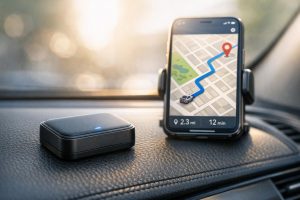
GPS tracking helps lower fleet expenses by transforming real-time data into practical solutions. With up-to-the-minute traffic information, GPS systems calculate the best routes, avoiding congestion and unnecessary detours. This not only cuts down on extra mileage but also saves fuel and boosts overall efficiency. By streamlining operations, GPS tracking plays a crucial role in trimming fleet costs.
1. Cut Fuel Costs with Better Routes
Finding smarter ways to plan routes can significantly lower fuel expenses by eliminating unnecessary miles and idle time.
With GPS tracking, vehicles are constantly monitored, and routes are recalculated in real-time to avoid traffic and unexpected detours. These adjustments help save fuel and reduce costs without requiring extra effort from drivers.
Cost Savings Potential
Route optimization can lead to noticeable savings for fleet managers. By cutting down on fuel consumption and minimizing wear and tear on vehicles, businesses can see long-term financial benefits. Plus, these smarter routes contribute to better overall fleet performance.
Impact on Operational Efficiency
Smarter routes don’t just save fuel – they streamline operations. Dispatchers can assign tasks based on location, cutting down on unnecessary driving and reducing driver fatigue. Real-time tracking also lets dispatchers manage more tasks in less time, keeping drivers on the move and boosting productivity. This level of coordination even helps create a safer working environment.
Scalability for Different Fleet Sizes
Whether you’re managing a small fleet or a large one, GPS tracking and route optimization deliver benefits. Smaller fleets get quick wins with easier planning and efficiency improvements, while larger fleets can use advanced features like multi-stop route sequencing to fine-tune their operations as they expand.
2. Reduce Vehicle Downtime with Maintenance Alerts
Proactive maintenance alerts are a game-changer for keeping vehicles on the road and avoiding surprise expenses. Just like route optimization helps cut fuel costs, these alerts ensure your fleet stays operational by addressing small issues before they snowball into costly repairs. GPS tracking systems continuously monitor vehicle health and provide timely notifications when maintenance is due, helping you sidestep emergency repairs and keeping vehicles from being stranded.
Today’s GPS tracking technology goes beyond just location updates. It keeps an eye on engine diagnostics, mileage, and usage patterns to predict when parts might wear out or when routine servicing is needed. Instead of waiting for a dashboard warning light – or worse, a breakdown – fleet managers receive early alerts for key maintenance tasks.
Cost Savings Potential
Preventive maintenance is far less expensive than dealing with emergencies. When a vehicle breaks down unexpectedly, you’re not only hit with repair costs but also face added expenses like towing, missed deliveries, overtime pay for mechanics, and even rental fees. On the other hand, routine tasks like oil changes, brake checks, and tire rotations are predictable and help keep repair bills manageable. By sticking to a consistent maintenance schedule, fleets can avoid costly disruptions and keep operations running smoothly.
Ease of Implementation
Setting up maintenance alerts is straightforward. Most systems let you configure notifications based on mileage, engine hours, or specific calendar dates. Simply input your fleet’s maintenance schedule, and the system takes care of the rest. Alerts can be sent via email, text, or through a centralized dashboard, making it easy to plan maintenance during off-peak hours. Many systems also create digital maintenance logs automatically, eliminating the hassle of paperwork and making it simple to track service history for each vehicle.
Impact on Operational Efficiency
Scheduled maintenance keeps your fleet running like clockwork. Knowing exactly when a vehicle needs service allows you to plan ahead – scheduling maintenance during slower periods or rotating vehicles to maintain full capacity. This predictability means fewer roadside breakdowns, less scrambling to reassign jobs, and deliveries that stay on schedule. The result? Happier customers and a fleet that lasts longer while retaining better resale value.
Scalability for Different Fleet Sizes
Whether you manage a handful of vehicles or a massive fleet, maintenance alerts adapt to your needs. Small fleet operators can use basic reminders to avoid manually tracking service schedules, while larger operations benefit from centralized management of multiple vehicles. With all maintenance needs displayed in one place, fleet managers can group similar tasks for potential cost savings and even identify patterns that point to recurring issues with specific vehicle models or conditions. Plus, GPS tracking adds an extra layer of security by guarding against unauthorized use and theft, protecting your investment even further.
sbb-itb-4827db2
3. Stop Unauthorized Vehicle Use and Theft
Unauthorized vehicle use and theft can lead to higher expenses due to wasted fuel, increased wear and tear, and unexpected downtime. With GPS tracking, fleet managers gain access to real-time location updates, detailed activity logs, and geofencing alerts. These tools make it easier to identify and address unauthorized trips as soon as they happen.
Cost Savings Potential
When vehicles are used without authorization, it not only wastes fuel but also puts extra strain on maintenance schedules. Theft, on the other hand, can result in prolonged downtime and disrupt services. GPS tracking helps reduce these risks by enabling quicker recovery efforts and minimizing losses. By keeping a close eye on vehicle activity, businesses can save money and improve overall efficiency.
Ease of Implementation
Setting up a GPS tracking system to monitor unauthorized use is simple. Fleet managers can define operating hours for each vehicle and create geofences around approved service zones or facilities. The system automatically compares actual vehicle activity to these predefined parameters and sends alerts when any discrepancies occur. Customizable notifications, such as after-hours movement alerts or daily summaries, ensure managers receive only the most relevant updates. Once configured, the system operates seamlessly through a web dashboard or mobile app, offering continuous monitoring without extra hassle.
Impact on Operational Efficiency
Knowing that vehicles are being monitored discourages improper use, encouraging drivers to stick to approved routes and schedules. This level of oversight reduces unauthorized trips and enhances day-to-day efficiency. Additionally, in cases where disputes arise over service times or delivery schedules, GPS data provides clear, unbiased evidence to quickly resolve issues and support performance evaluations.
Scalability for Different Fleet Sizes
Whether managing a small fleet or a large one, GPS tracking systems can adapt to meet your needs. Small businesses benefit from straightforward monitoring with minimal administrative effort, while larger fleets can take advantage of centralized dashboards to oversee all vehicles in real time. With a pay-per-vehicle pricing model, you only pay for what you use, and the system can easily expand as your fleet grows – no need for expensive infrastructure upgrades.
4. Lower Accident Costs by Monitoring Driver Behavior
Keeping an eye on driver behavior not only reduces fuel and maintenance costs but also significantly cuts down accident-related expenses. Accidents can quickly inflate fleet expenses through repair bills, higher insurance premiums, medical fees, and lost productivity. By using GPS tracking systems to monitor driving habits, fleet managers can spot and address risky behaviors before they lead to costly incidents.
Cost Savings Potential
The financial repercussions of accidents extend far beyond just repair costs. Claims can drive up insurance premiums, and vehicles sidelined for repairs can disrupt operations. GPS tracking systems help fleet managers identify unsafe driving patterns early, allowing timely interventions like coaching or retraining. This proactive approach reduces the likelihood of accidents, which in turn means fewer claims and the ability to maintain lower insurance rates over time.
Ease of Implementation
Installing a GPS-based driver behavior monitoring system is a straightforward process. These systems track real-time data such as speed, acceleration, braking, and cornering. Alerts are triggered when drivers exceed predefined safety thresholds, which fleet managers can customize based on their specific standards – like speed limits or frequent harsh braking during trips.
A centralized web dashboard simplifies monitoring by displaying driver performance scores, making it easy to identify individuals who may need extra training. Detailed trip reports provide actionable insights for targeted interventions, and mobile apps allow managers to access this data on the go, ensuring they stay informed even when away from the office.
Impact on Operational Efficiency
Monitoring driver behavior doesn’t just prevent accidents – it also promotes smoother driving habits that extend the life of fleet vehicles. Reduced wear on brakes, tires, and other components contributes to lower maintenance costs.
Driver scorecards offer measurable performance metrics that can be used in recognition programs and performance reviews. Safe drivers can be rewarded for their efforts, while those with lower scores can receive focused coaching. This data-driven approach eliminates guesswork from safety management and fosters a culture of accountability and responsibility within the team.
Additionally, GPS tracking systems provide detailed records of incidents, including vehicle speed, location, and driving patterns. These records can be crucial for defending against fraudulent claims or resolving legal disputes, potentially saving businesses significant costs. This comprehensive approach to safety management creates a scalable framework that works for fleets of all sizes.
Scalability for Different Fleet Sizes
Driver behavior monitoring is effective for fleets large and small. For smaller fleets, the system offers simple, focused reporting to highlight critical safety concerns without overwhelming managers with data. Larger fleets can take advantage of advanced analytics to compare driver performance across routes, vehicle types, or teams.
As fleets expand, these systems scale effortlessly. New vehicles integrate into the system right away without needing complicated setups. Centralized dashboards give managers a clear view of fleet-wide safety metrics, while drill-down tools allow for detailed analysis of individual performance. This scalability ensures that safety monitoring remains practical and effective, no matter how large or small the fleet may be.
5. Use Piritiz Tracking Devices for Complete Fleet Management

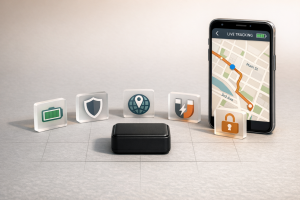
Piritiz tracking devices bring together fuel efficiency, maintenance alerts, theft prevention, and driver behavior monitoring into one powerful tool for fleet management. This all-in-one solution not only simplifies operations but also helps cut costs significantly, as outlined below.
Cost Savings Potential
Piritiz tracking devices go beyond just offering individual cost-cutting features. By combining route optimization, maintenance scheduling, driver behavior tracking, and unauthorized use prevention into a single system, the savings add up fast. Instead of juggling multiple systems or piecing together fragmented data, fleet managers get a clear, unified view of their operations – all at a fraction of the cost.
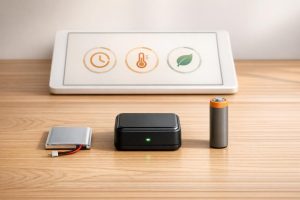
The pricing is straightforward, starting at $9.95 per month per device. Prepaid plans can save you up to 30%, and there are no hidden fees or installation charges. These wireless, battery-powered devices are easy to use and have a battery life of up to 5 years, so you avoid frequent replacements and the downtime associated with them.
Ease of Implementation
Deploying Piritiz trackers is quick and hassle-free. Just place the wireless tracker in your vehicle, activate it through the mobile app, and start 24/7 monitoring right away. This do-it-yourself setup means no waiting for technicians or dealing with scheduling delays. You can roll out the system across your fleet at your own pace.
The platform integrates seamlessly with other fleet management tools, automatically compiling reports on fuel usage, maintenance, driver behavior, and vehicle utilization. Instead of gathering data manually, you’ll have everything you need in one place, saving hours of administrative work each week.
Piritiz devices are compatible with a wide range of vehicles, from cars and trucks to trailers, RVs, and even heavy equipment. Whether you’re managing delivery vans or construction gear, this system has you covered.
Impact on Operational Efficiency
With Piritiz, you get real-time data that helps you make proactive decisions. Dispatchers benefit from knowing exactly where each vehicle is, allowing for smoother operations and more precise route adjustments. This visibility improves customer service too – you can provide accurate arrival times based on live updates instead of estimates.
The system’s reporting tools identify patterns over time. For example, you might notice that certain routes consistently cause delays, specific vehicles require more frequent maintenance, or some drivers excel at fuel efficiency. Armed with these insights, you can fine-tune route planning, schedule vehicle replacements strategically, and prioritize driver training where it’s needed most.
Record-keeping becomes automatic. Every trip, stop, and event is logged without requiring drivers to fill out forms or managers to compile reports. This automated documentation is invaluable for regulatory compliance, verifying customer billing, and resolving disputes about service or vehicle use.
Scalability for Different Fleet Sizes
Whether you’re managing a small fleet of three vehicles or a large operation with 300, Piritiz tracking devices adapt to your needs. Small fleets benefit from straightforward tracking and reporting, while larger fleets can take advantage of advanced organizational tools to manage operations across multiple locations.
Adding new vehicles is as simple as activating another device – no need for infrastructure upgrades or system overhauls. The pricing structure grows with your fleet, keeping costs predictable as you expand. Plus, the devices are built to withstand tough conditions, from construction sites to long-haul trucking routes, ensuring they perform reliably no matter how demanding your operations get.
Conclusion
GPS tracking offers a practical way to cut fleet costs by refining routes, scheduling maintenance ahead of time, curbing unauthorized vehicle use, and encouraging better driving habits. Beyond saving money directly, it also speeds up deliveries, enhances customer satisfaction, and boosts service reliability. Plus, with safer driving and real-time tracking, you can minimize liability and respond to issues faster.
Fleet managers quickly notice the benefits: lower fuel expenses, predictable maintenance schedules, and better use of assets by identifying vehicles that are either underused or overworked. The data collected empowers smarter decisions, from refining driver training programs to planning vehicle replacements. These savings create a streamlined and efficient operation.
With Piritiz tracking devices, these advantages are bundled into one easy-to-use tool. Pricing is simple – $9.95 per month per device – with no hidden fees, installation costs, or long-term commitments. Thanks to their wireless, battery-powered design, trackers can be installed across your fleet in just hours, and with a battery life of up to five years, downtime is kept to a minimum.
The platform combines route planning, maintenance tracking, theft prevention, and driver monitoring into a single, intuitive dashboard. Forget juggling multiple tools or manually compiling reports – the mobile app gives you full visibility at your fingertips. Whether you manage a few vehicles or a few hundred, the system adapts to your needs without requiring extra infrastructure or complicated setups.
If cutting operating costs while improving service quality is your goal, GPS tracking is a proven solution. Piritiz tracking devices provide the tools you need to save money, protect your assets, and boost efficiency – all at a price that works for businesses of every size.
FAQs
How does GPS tracking help lower fuel costs for fleet operations?
GPS tracking helps cut down on fuel costs by streamlining route planning. It pinpoints the fastest and least congested paths, allowing drivers to avoid unnecessary stops, reduce mileage, and spend less time stuck in traffic.
It also keeps an eye on driving habits like speeding or harsh braking, both of which can burn more fuel than necessary. By addressing these behaviors through driver coaching, companies can see noticeable savings on fuel over time.
What advantages do Piritiz GPS tracking devices offer for fleet management?
Piritiz GPS tracking devices offer practical tools to help you manage your fleet more efficiently. For starters, they can cut operating costs by optimizing routes, which means less fuel consumption and fewer unnecessary miles. Plus, their proactive maintenance alerts keep your vehicles in good shape, helping to avoid downtime and expensive repairs.
Another great advantage is the ability to monitor vehicle usage. This helps prevent unauthorized activities, boosting both security and accountability across your fleet. Altogether, these features simplify operations and improve overall efficiency, saving your business both time and money.
How does GPS tracking enhance driver safety and help lower accident-related costs for fleets?
GPS tracking plays a key role in improving driver safety by keeping an eye on behaviors like speeding, harsh braking, and rapid acceleration. With this information, fleet managers can spot risky driving patterns and offer tailored coaching to help drivers make safer choices on the road. This proactive approach reduces the chances of accidents.
Beyond safety, adopting safer driving habits can lead to financial benefits. Fewer accidents mean lower costs for vehicle repairs, medical bills, and legal issues. On top of that, fleets with strong safety records often become eligible for reduced insurance premiums, adding to the long-term savings.