Battery life directly impacts fleet operations. A drained GPS tracker can lead to lost location data, disrupted routes, and higher costs. To avoid these issues, fleet managers must balance tracking frequency with power consumption. Here’s what you need to know:
- Battery Types: Lithium-ion and lithium-polymer batteries are common, offering 300–500 charge cycles. Alkaline batteries last longer in low-power scenarios but struggle in cold temperatures.
- Modes: Standby mode uses minimal power, lasting weeks or months. Active tracking drains batteries faster, often within 2–3 days.
- Update Intervals: Frequent updates (e.g., every minute) deplete batteries quickly. Longer intervals (e.g., every 15 minutes) conserve energy, extending battery life significantly.
- Environmental Factors: Extreme temperatures and poor signal strength drain batteries faster.
- Fleet Usage: Constantly moving vehicles and real-time tracking require more power. Stationary assets or seasonal equipment benefit from trackers with motion detection or extended intervals.
Key Tips to Extend Battery Life:
- Adjust tracking intervals based on activity.
- Choose energy-efficient devices with advanced chipsets.
- Monitor battery levels regularly.
- Consider hardwired or solar-powered trackers for specific needs.
How Long Does A GPS Car Tracker’s Battery Last? – Talking Tech Trends
How GPS Tracker Batteries Work
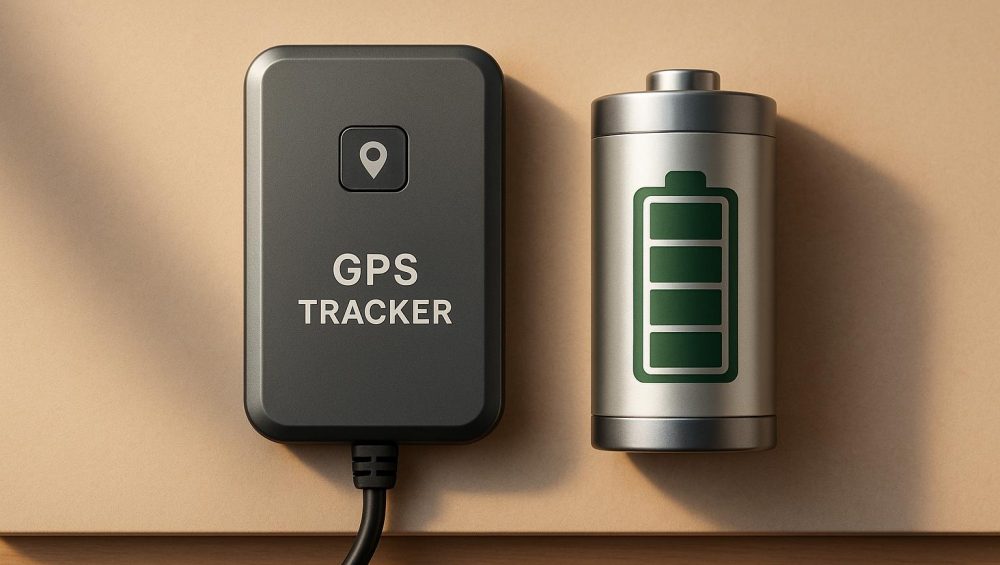
Understanding how GPS tracker batteries function is crucial when choosing devices for fleet management. These batteries store the energy needed to power the GPS receiver, cellular modem, and processor. How quickly the battery drains depends on how often these components activate and how long they stay on.
Battery capacity, measured in milliampere-hours (mAh), indicates how much energy a tracker can store. A higher mAh means more stored energy, but actual runtime depends on how the device is configured and used. For instance, a tracker with a 5,000 mAh battery holds significantly more charge than one with a 2,000 mAh battery.
The type of battery used also plays a key role in performance and longevity.
Battery Types Used in GPS Trackers
Modern GPS trackers typically rely on lithium-ion or lithium-polymer batteries. These rechargeable batteries are compact, lightweight, and capable of delivering consistent voltage throughout their discharge cycle. They generally last between 300 and 500 charge cycles before their capacity noticeably declines.
These batteries are well-suited for various conditions, with a low self-discharge rate of just 2–3% per month when idle. This makes them ideal for fleet trackers that might sit unused for extended periods.
Some simpler GPS trackers use alkaline batteries instead. While non-rechargeable, these batteries can last months or even years in low-power applications. They are often used for stationary assets that don’t need frequent tracking. However, alkaline batteries lose voltage steadily as they drain, which can reduce tracking accuracy. They also struggle in cold weather, losing up to 50% of their capacity when temperatures drop below 32°F.
Standby vs. Active Tracking Modes
GPS trackers operate in two primary modes, each with very different power demands. In standby mode, the tracker stays in a low-power state, maintaining minimal cellular connectivity without acquiring GPS signals or transmitting data. In this mode, power consumption is minimal – just 5–10 milliamps per hour – allowing batteries to last weeks or even months.
Active tracking mode is far more energy-intensive. In this mode, the GPS receiver locks onto satellite signals, calculates location, and transmits data through the cellular network. This process can draw 100–200 milliamps per update cycle, as the GPS receiver must communicate with multiple satellites to determine its position accurately.
The difference in battery life between these modes is dramatic. A tracker primarily in standby mode might last 60–90 days on a single charge, while one in continuous active mode could drain its battery in just 2–3 days. Fleet managers can extend battery life by configuring trackers to stay in standby when vehicles are parked and only switch to active tracking during operational hours.
How Tracking Intervals Affect Battery Life
The frequency of location updates, or tracking intervals, is a key factor in battery longevity. Shorter intervals mean more frequent updates, which quickly deplete the battery. Longer intervals, on the other hand, significantly reduce power consumption.
For example, a tracker updating its location every minute activates its GPS receiver and cellular modem 1,440 times a day. In contrast, a device set to update every 15 minutes wakes only 96 times daily, conserving much more energy. Each time the GPS receiver powers up, it can take 30–60 seconds to lock onto satellites, drawing the most power during that time.
Frequent updates, such as those used for real-time tracking, can drain a battery in just a few days. By comparison, trackers with longer intervals can last weeks or even months. In one case study, a logistics company using the FA29 4G GPS Tracker extended battery life from two months to nearly three months by adjusting the tracking interval to every 15 minutes instead of real-time updates. Drivers were also instructed to turn off trackers when vehicles weren’t in use, further conserving battery life.
Applications requiring constant, real-time updates – such as monitoring high-value cargo – might accept faster battery depletion as a trade-off for visibility. For long-haul vehicles or equipment that moves infrequently, longer intervals are often sufficient and dramatically extend battery life. Many GPS trackers allow users to customize update intervals, making it easier to find the right balance for specific needs.
For static assets like parked trailers or stored equipment, hourly or even daily updates may be enough. Some advanced trackers include motion sensors that automatically adjust update frequency based on movement, ensuring efficient battery use. Customizing tracking intervals is an essential step in balancing data requirements with battery longevity.
What Affects GPS Tracker Battery Performance
The lifespan of a GPS tracker’s battery isn’t just about its capacity or tracking mode. A mix of environmental conditions, fleet usage, and device settings play a role in how long the device operates between charges. Knowing these factors can help you predict battery drain and adjust your fleet management strategies to keep things running smoothly.
Temperature, Weather, and Terrain
Extreme temperatures can wreak havoc on GPS tracker batteries. Cold weather reduces efficiency, while heat accelerates battery wear. High humidity adds to the challenge by forcing the device’s electronics to draw more power to function properly.
Signal strength is another critical factor. In areas with weak reception – such as mountainous regions, urban areas with tall buildings, or indoor spaces – trackers consume extra energy trying to connect with satellites. Similarly, poor cellular coverage means the device works harder to maintain a connection, draining the battery faster. When signals are blocked, the tracker constantly attempts to determine its position, which further depletes power.
To combat these challenges, consider using GPS trackers designed for tough environments if your fleet operates in extreme conditions. Store and use devices at moderate temperatures whenever possible, and position trackers where they can get a strong signal. Some advanced models combine GPS and cellular positioning, which helps maintain connectivity in areas with patchy reception.
But it’s not just the environment – how your fleet operates also impacts battery life.
Usage Patterns and Fleet Activity
The way your fleet is used has a direct effect on battery consumption. Vehicles that are constantly on the move or require real-time data updates use more power compared to trackers monitoring stationary assets.
Shorter tracking intervals mean the device has to frequently acquire GPS signals and transmit data, which quickly drains the battery. Features like motion detection can help by reducing updates when the tracker is stationary and increasing them only when movement is detected.
For vehicles, usage patterns also matter. Those driven regularly benefit from the alternator, which can keep hardwired trackers charged. On the other hand, vehicles that sit idle for long periods rely solely on the tracker’s battery, leading to faster drain. Advanced features like geofencing and real-time alerts also consume more energy, so aligning tracking intensity with your fleet’s needs can help strike a balance between functionality and battery life.
Device Settings and Hardware Features
Internal device settings and hardware design play a big role in battery performance. Features like geofencing, while useful, require the tracker to constantly monitor its position relative to set boundaries, which uses more power.
Many modern trackers include motion sensors that adjust reporting frequency based on activity. This means the device conserves power when stationary and ramps up updates only when movement is detected. Additionally, hardware with efficient GPS chipsets and high-quality antennas can acquire signals faster, reducing the energy needed for each update. Some devices also include power-saving modes that automatically adjust settings based on activity, offering a practical balance between data accuracy and battery life.
sbb-itb-4827db2
How to Extend GPS Tracker Battery Life
If you want to get the most out of your GPS trackers, it’s all about making smart adjustments, choosing the right devices, and keeping up with maintenance. These steps can help you cut down on recharging and keep your tracking system running smoothly without interruptions.
Adjusting Tracking Intervals
One of the simplest ways to save battery life is by tweaking the tracking intervals. For example, during off-hours, set longer update intervals to conserve power. During active periods, you can switch to more frequent updates to meet your fleet’s needs.
Many GPS trackers let you customize update intervals based on time of day or motion. This means you can have detailed tracking when your vehicles are on the move and save energy when they’re not. Features like motion-triggered reporting and geofencing can also help. With geofencing, you’ll only get alerts when a vehicle enters or leaves specific locations like depots or customer sites, cutting down on unnecessary transmissions.
For equipment that doesn’t move often, like trailers or seasonal machinery, extending the update intervals can make a big difference in battery life.
Next, choosing the right tracker can make an even bigger impact.
Selecting Energy-Efficient GPS Trackers
Not all GPS trackers are built the same, especially when it comes to energy use. The design and technology inside the device can significantly affect how long it lasts between charges.
Look for trackers with advanced, low-power GPS chipsets and high-quality antennas. These can maintain a strong signal while using less energy. For instance, Piritiz trackers offer up to 5 years of battery life and come with features like wireless installation and waterproofing, making them a great fit for various fleet operations.
If you’re dealing with vehicles that are always on the road, consider hardwired trackers. These draw power directly from the vehicle’s electrical system, eliminating battery concerns altogether. Solar-powered trackers and models with replaceable batteries are also good options for different operational setups.
Of course, even the best devices need proper care to perform at their best.
Battery Maintenance and Monitoring
Keeping an eye on your trackers’ batteries is key to avoiding unexpected downtime. Use your tracking platform to set up low-battery alerts so you’ll know when a device needs attention. Make it a habit to check battery levels regularly, especially for units that aren’t hardwired.
When storing spare batteries or idle trackers, keep them in moderate conditions. Extreme heat or freezing temperatures can drain their capacity and shorten their lifespan.
Selecting GPS Trackers for Your Fleet
Choosing the right GPS tracker for your fleet means considering battery performance alongside your operational needs. Whether your vehicles are constantly on the move or spend long periods idle, adjusting tracking intervals can ensure reliable and efficient device performance. The right tracker not only keeps your fleet visible but also helps maintain overall efficiency. Let’s explore how different fleet types can tailor tracker settings to strike a balance between battery life and operational demands.
Matching Battery Life to Fleet Type
Every fleet operates differently, so finding the right tracker configuration is essential:
- Long-Haul Vehicles: These require consistent monitoring. Use shorter update intervals while the vehicle is active and switch to longer intervals when idle to extend battery life.
- Delivery and Service Fleets: For fleets with predictable routes, battery-powered trackers with extended life (up to 5 years) are ideal. Look for features like wireless installation and waterproofing. Set frequent updates during working hours and reduce frequency during downtime.
- Trailers and Equipment: For stationary assets, motion-activated trackers are a good option. These can stay inactive for long periods but increase reporting frequency when movement is detected.
- Construction Equipment: Operating in tough environments demands rugged, waterproof trackers with a battery life of 3–5 years. This reduces the need for frequent recharging or maintenance.
- Seasonal Assets: For assets used only part of the year, durable, battery-powered trackers are a smart choice. Adjust tracking intervals to align with periods of peak activity and storage.
Battery Life vs. Tracking Frequency
The trade-off between how often a tracker updates and its battery life is a critical consideration. Frequent updates drain the battery faster, so it’s important to match intervals to your operational needs. For instance, during active hours, you might set updates every 2–5 minutes, while during downtime, hourly or motion-triggered updates can conserve battery.
Modern GPS trackers, like those offered by Piritiz, allow you to customize update intervals based on your specific requirements. However, remember that extreme temperatures can impact battery performance. If your fleet operates in harsh conditions, scheduling occasional battery checks is a smart precaution.
Budget is another key factor. Piritiz trackers start at $9.95 per month, with flexible prepaid plans that can save you up to 30%. Additionally, consider how trackers fit into your maintenance cycle. For fleets already on a regular servicing schedule, incorporating battery-powered trackers is seamless. For vehicles in remote areas, the long battery life of Piritiz devices minimizes the need for frequent maintenance, ensuring uninterrupted fleet monitoring no matter where your vehicles are.
Conclusion
Maximizing the battery life of GPS trackers doesn’t have to be complicated. Start by understanding how your fleet operates and tweak the tracker settings to align with those needs. Whether your vehicles are constantly on the move or equipment spends long periods idle, finding the right balance between tracking frequency and battery usage ensures smooth and efficient operations.
Take the time to analyze your fleet’s activity patterns and adjust device configurations accordingly. Keep in mind that environmental factors, like extreme temperatures, can also affect battery performance. If your fleet operates in challenging conditions, scheduling periodic checks can help maintain optimal performance.
Choosing the right GPS tracker plays a big role too. Many modern trackers come packed with features that allow you to customize settings for various vehicle types. With wireless and waterproof designs, installation is hassle-free, and longer battery life means less maintenance – especially useful for vehicles in remote or hard-to-reach locations.
FAQs
How can fleet managers set the right tracking interval to balance battery life and data accuracy?
Fleet managers can fine-tune battery performance and data precision by adjusting the tracking interval based on their specific needs. For assets that remain stationary for long periods, setting the tracker to report every hour or even once a day can greatly extend battery life without sacrificing crucial information. On the other hand, for vehicles or assets that require frequent updates, choosing shorter intervals like 10 or 15 minutes ensures more precise tracking, though it may slightly reduce battery longevity.
Striking the right balance depends on your operational priorities, the need for real-time updates, and how often your assets are on the move. Experimenting with various intervals and keeping an eye on battery performance can help you pinpoint the best setup for your fleet.
How can fleet managers maintain GPS tracker battery performance in extreme weather conditions?
When it comes to keeping your GPS tracker running smoothly in extreme weather, it’s all about choosing the right device and taking a few precautionary steps. Opt for trackers built with rugged, weather-resistant casings and batteries engineered to handle both scorching heat and freezing cold.
You can also tweak settings, like extending tracking intervals, to ease the battery’s workload in challenging conditions. And don’t forget regular upkeep – clean the device and inspect it for any signs of wear or damage to keep it performing reliably.
What types of batteries do GPS trackers use, and which is best for different fleet needs?
When it comes to powering GPS trackers, there are three main options: rechargeable batteries, long-life lithium batteries, and solar-powered solutions. Each has its own strengths, depending on how you plan to use them:
- Rechargeable batteries: These work well for short-term needs, typically lasting several days to about a week, depending on how often the tracker is used and the settings applied.
- Long-life lithium batteries: Built for the long haul, these can operate for months or even years without needing replacement. They’re a great fit for assets or vehicles that don’t require frequent maintenance.
- Solar-powered trackers: Ideal for outdoor use, these rely on sunlight to stay charged, which minimizes the hassle of manual recharging and ensures continuous operation.
Choosing the right power option comes down to your fleet’s specific requirements. For instance, rechargeable batteries are practical for vehicles that can be charged regularly, while long-life lithium or solar-powered trackers are better suited for remote or long-term tracking needs.