
Fleet vehicle theft is a growing issue, with over 850,000 vehicles stolen in the U.S. in 2024 alone – one every 37 seconds. For businesses, this means financial losses, disruptions, and increased insurance costs. The good news? You can significantly reduce risks with a layered approach to security.
Here’s how you can protect your fleet:
- Use GPS Tracking Systems: Monitor vehicles in real-time, set alerts for unusual activity, and even remotely disable stolen vehicles.
- Secure Parking Locations: Choose well-lit, monitored areas with barriers, surveillance, and access controls.
- Install Physical Anti-Theft Devices: Steering wheel locks, kill switches, brake locks, and alarms deter thieves.
- Train Drivers: Teach drivers to lock vehicles, manage keys properly, and avoid risky behaviors like leaving vehicles idling.
- Leverage Route Planning and Telematics: Avoid high-risk areas and track vehicle movements to detect suspicious patterns.
- Establish Clear Security Policies: Set rules for vehicle use, reporting, and key storage to ensure everyone knows their role.
- Maintain Vehicles and Keys: Prevent breakdowns and manage keys securely to avoid theft opportunities.
how-to-prevent-vehicle-theft-and-fast-track-recovery-or-3dtracking-x-naturelink
1. Install GPS Tracking Systems
in-todays-world-technology-plays-a-major-role-in-preventing-fleet-theft-and-gps-tracking-systems-are-leading-the-charge
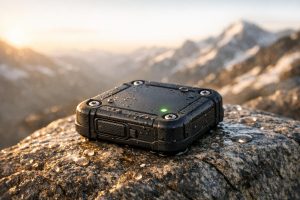
These systems give you real-time updates on the exact location of every vehicle in your fleet. This constant visibility not only acts as a deterrent but also makes recovering stolen vehicles much faster – often within hours – thanks to the detailed location data shared with law enforcement.
Modern GPS trackers go beyond basic location tracking. They come packed with features designed to keep your fleet secure:
- Geofencing: This creates virtual boundaries around specific areas. You get an alert if a vehicle leaves or enters these zones during off-hours.
- Instant Alerts: Any unexpected movement or engine activity outside of working hours triggers a notification, keeping you informed.
- Tamper Detection: Advanced systems can detect if someone tries to remove or disable the tracker, immediately alerting you.
- Remote Disablement: Some systems allow you to immobilize a stolen vehicle remotely, making it easier to recover.
Even in areas where GPS signals might struggle, like underground parking or dense cityscapes, many devices use cellular-location backups to maintain tracking. To make them harder for thieves to find and remove, these devices can also be hidden.
The cost of GPS tracking systems varies, ranging from $14 to $250 per vehicle per month, with an average of about $25. To get the most out of your system, ensure it allows team access for quick decision-making and take advantage of features like off-hour alerts, geofencing, and regular monitoring of battery and signal strength.
Investing in GPS tracking isn’t just about theft prevention – it’s about peace of mind for your fleet.
2. Use Secure Parking Locations
Where you park your fleet vehicles plays a huge role in preventing theft. Thieves often target vehicles in poorly secured areas, so choosing a safe and secure parking spot is the first step in protecting your assets. While GPS tracking can monitor movement, secure parking helps reduce risks right from the start.
Start with good lighting. Well-lit areas make it harder for criminals to operate unnoticed. Ensure your parking spots have sufficient lighting, even during off-hours. Motion-activated lights are a great addition, as they can catch intruders off guard and discourage further attempts.
High-traffic areas offer natural protection. Locations with regular pedestrian activity and surveillance make it harder for thieves to act without being seen. For overnight parking, encourage drivers to choose spots with consistent foot traffic and clear visibility.
Physical barriers are another key defense. Adding perimeter fencing around fleet storage areas makes unauthorized access more difficult. For even stronger security, consider electric fencing to further limit entry.
Control who comes and goes. Access control systems like electronic gates, keycard readers, or intercoms help regulate who can enter your facility. Adding time-based restrictions during vulnerable hours provides an extra layer of security.
Surveillance technology adds constant oversight. Security cameras with high-definition and night vision capabilities allow you to monitor parking areas 24/7. When paired with alarm-triggered lights, these systems can immediately respond to suspicious activity by lighting up the area and sounding alarms.
Strategic parking arrangements can make a difference. Group vehicles together to reduce the number of access points. Park them against walls or buildings to limit exposure, and place high-value vehicles in the center of the group, using surrounding vehicles as natural barriers.
For fleet storage or maintenance facilities, hiring security personnel or organizing patrols adds a human element to your defense system. Their presence can quickly address any unusual activity.
If you’re using telematics tools, take advantage of geofencing. Set up virtual boundaries around your depots, yards, and key delivery zones. This way, you’ll receive alerts if a vehicle leaves its designated area. Reviewing tracking dashboards daily ensures you can act quickly on any unusual movements.
3. Add Physical Anti-Theft Devices
Physical anti-theft devices act as strong deterrents, creating visible and functional barriers that make it harder for thieves to target your fleet vehicles. While technology like GPS tracking is excellent for recovering stolen vehicles, these devices focus on stopping theft before it even begins.
Steering wheel locks are a classic choice. By securing the steering wheel, they prevent the vehicle from being driven and send a clear signal to potential thieves that this car won’t be an easy target. The mere sight of them can often be enough to deter theft, especially in public parking areas or on busy streets.
Ignition kill switches cut off the engine’s electrical circuit, making it impossible to start the vehicle without knowing the switch’s concealed location. This added layer of complexity can frustrate and discourage unauthorized users.
Brake locks and tire clamps physically immobilize vehicles by locking onto wheels or brake components. These are particularly effective for vehicles parked long-term in depots or storage yards, where preventing movement is a top priority.
Alarm systems remain a cornerstone of vehicle security. Modern systems are highly sensitive, capable of detecting door openings, window breaks, or tampering with the ignition. When triggered, they emit loud sirens and can even send alerts, ensuring a quick response to potential threats.
Hood locks restrict access to critical components like the engine or battery, making it harder for thieves to tamper with or steal these parts.
Window etching involves engraving the vehicle’s identification number (VIN) or fleet number onto the windows. This not only makes the vehicle less attractive for resale but may also qualify you for insurance discounts.
Fuel cap locks are a simple yet effective tool to prevent fuel theft and tampering. They secure the fuel cap, reducing the risk of siphoning and protecting the engine from potential contaminants.
Catalytic converter protection shields are designed to safeguard one of the most frequently targeted parts of a vehicle. These shields make it significantly harder and more time-consuming to remove catalytic converters, giving you a better chance to intervene.
For maximum security, consider combining several of these measures. For instance, pairing a steering wheel lock with an alarm system and a hidden ignition kill switch creates multiple hurdles for thieves. Adding visible warning stickers to highlight these security features can further discourage criminal activity.
Don’t forget to regularly inspect and maintain these devices. Check that steering wheel locks and clamps are functioning correctly, test alarm systems often, and ensure ignition kill switches remain hidden and operational. Well-maintained devices are essential for keeping your fleet secure over time.
4. Train Drivers on Security Practices
Drivers are your fleet’s first line of defense against vehicle theft. But even the best security systems can be undermined by simple mistakes. Leaving keys in the ignition, failing to lock doors, or leaving valuables in plain sight accounts for nearly 50% of vehicle thefts. These small lapses can have big consequences.
Training drivers on security practices isn’t just a one-time task during onboarding – it’s about creating a culture of awareness and responsibility. When drivers understand how their daily routines impact fleet security, they’re more likely to take ownership of theft prevention. This training works hand-in-hand with the technology-driven measures you’ve already implemented.
Reinforce these essential habits:
- Always remove keys, even during short stops, and ensure doors and windows are locked.
- Never leave vehicles running unattended. An idling vehicle with keys inside is an easy target for thieves.
Modern vehicles with features like keyless entry and push-start systems are increasingly vulnerable to relay attacks. Thieves use devices to intercept signals from key fobs, tricking the car into unlocking or starting. Equip drivers with Faraday pouches for their key fobs to block these signals and reduce the risk.
Situational awareness is crucial. Drivers should be trained to notice suspicious behavior, such as individuals loitering near vehicles or watching them during their routes. Encourage them to report anything unusual right away – it’s better to be cautious than regretful.
Another critical point is key management. Spare keys should always be stored securely, away from vehicles. Clear policies on key storage can help drivers understand their role in maintaining fleet security.
To make training more effective, consider behavior-based programs that focus on changing attitudes rather than just listing rules. When drivers see the real-world impact of theft – like downtime, disrupted schedules, or higher insurance premiums – they’re more likely to take security seriously.
You can also motivate drivers with recognition programs or small rewards for maintaining flawless security records. These incentives not only reinforce good habits but also foster a sense of teamwork and accountability.
Security training shouldn’t be a one-and-done event. Regular refreshers and updates keep the importance of these practices top of mind. When drivers feel like valued partners in protecting fleet assets, they’re more likely to stay vigilant every day.
sbb-itb-4827db2
5. Apply Route Planning and Telematics Technology
Smart route planning can help your fleet avoid high-risk areas while strengthening overall security measures.
It all starts with understanding risk. By analyzing data to identify vulnerable zones, you can create routes that steer clear of trouble – especially during off-peak or late-night hours. This proactive step goes a long way in reducing theft risks.
Telematics systems add another layer of protection by tracking vehicle locations, driving behaviors, and movements outside of normal hours. These systems send immediate alerts for route deviations or tampering, allowing swift action. Beyond preventing unauthorized changes, telematics also provides detailed records that can assist with investigations, law enforcement, or insurance claims.
By recognizing patterns, such as repeated unusual movements, telematics can flag potential threats early, giving you time to act. Geofencing takes this a step further by creating virtual boundaries around critical areas. If a vehicle crosses these boundaries without authorization, an alert is triggered, ensuring planned routes stay secure.
Platforms like Piritiz combine GPS tracking with fleet management tools, offering 24/7 mobile access and instant notifications for any suspicious activity, such as tampering or unexpected movement.
Route planning also plays a role in selecting safer parking options. Drivers can use this information to opt for well-lit, familiar stops instead of risky, unfamiliar locations.
As part of a comprehensive security strategy, telematics reports on route deviations and high-risk entries can guide improvements in driver training and fleet security protocols.
When paired with other measures – like GPS tracking, physical anti-theft devices, and thorough driver training – effective route planning and advanced telematics create a strong defense system that makes it much harder for thieves to succeed.
6. Create Clear Security Policies and Reporting Procedures
Security policies are the foundation of any effective theft prevention plan. Without clear guidelines, drivers and staff may be unsure of their responsibilities, leaving room for vulnerabilities. Well-crafted policies ensure everyone knows their role in protecting fleet vehicles, working in tandem with technological and physical safeguards to create a solid security framework.
Start by setting clear rules for vehicle use. Define who is allowed to operate specific vehicles, when they can be used, and where they should be parked overnight. Policies should also mandate basic security measures like locking doors, securing windows, and properly storing keys. Make these rules easily accessible through a printed handbook, a digital portal, or a dedicated app.
Prevention and response go hand in hand. Lay out procedures for both. For instance, specify how to handle suspicious activity – who should be contacted, how quickly to report it, and what details to provide. Clear, straightforward reporting processes encourage drivers to act promptly. Provide dedicated channels like a hotline, a text service, or a fleet management app for reporting incidents such as unauthorized access or break-in attempts.
If theft does occur, time is of the essence. Immediately notify law enforcement with all relevant vehicle details, including the license plate, VIN, make, and model. File an insurance claim using this documented information. Quick reporting not only increases the chances of recovering the vehicle but also strengthens your position with insurers.
Keeping detailed records is just as important. Maintain logs of telematics data, security protocols, and driver training documentation. These records demonstrate a proactive approach to safety when working with insurance providers and help identify patterns to improve security measures over time.
To support these efforts, use fleet management software and fuel card programs to monitor and analyze data for signs of suspicious activity. Regularly review this data to spot theft risks, route deviations, or geofence breaches. Share findings with your safety team to stay ahead of potential threats.
Communication is key. Drivers should report any unusual activity, but leadership must also keep them informed about new threats. Collaborate with law enforcement and other businesses to stay updated on local crime trends and changing theft tactics.
Finally, policies should evolve. Use insights from documented incidents and real-world data to update your guidelines regularly. Train every new employee on these policies during onboarding and schedule periodic refreshers to ensure everyone stays informed.
7. Maintain Vehicles and Secure Keys Properly
Keeping vehicles in top shape reduces the risk of breakdowns, which can leave them vulnerable to theft. When trucks are stranded in unsecured areas or left unattended for repairs or towing, they become easy targets for thieves – both for the vehicle itself and its cargo. Regular maintenance and prompt reporting of issues are key to preventing these scenarios and ensuring effective security measures, including proper key management.
Encourage Immediate Reporting of Issues
Set up a system where drivers can quickly report vehicle problems. Small issues like worn brakes, malfunctioning lights, or engine warning signals should be addressed before they escalate into major breakdowns. Catching these problems early can prevent roadside emergencies that might expose vehicles to theft.
Pre-Trip Inspections Matter
Drivers should inspect trailers and cargo containers before every trip. Signs of tampering – such as broken seals or damaged locks – should be taken seriously. This routine not only helps detect potential security breaches early but also reinforces the importance of staying alert.
Key Management: A Critical Security Step
Even with well-maintained vehicles, sloppy key practices can create opportunities for theft. Nearly 20% of stolen vehicles are taken because a key was left in the ignition or somewhere in the vehicle. Drivers must never leave keys in vehicles, even for a quick stop, and should avoid leaving them in the ignition while the vehicle is running.
Avoid Hiding Spare Keys in Vehicles
Spare keys are another weak point. Thieves often know where to look for them. Instead of keeping spares in the vehicle, store them in a secure, centralized location with controlled and monitored access.
Be Cautious with Valet and Repair Services
When handing over vehicles for valet parking or repairs, only provide the ignition or valet key. Remove any personal information from the keychain, along with other keys or identifying details. This limits access and reduces the risk of unauthorized use.
Protect Keyless Entry Systems
Keyless entry systems, while convenient, come with their own risks. Key fobs can fall victim to signal relay attacks, allowing thieves to unlock and start vehicles remotely. To prevent this, store key fobs – including spares – in Faraday boxes, which block radio signals and stop unauthorized access.
Track Keys with RFID Technology
Using RFID-enabled keychains can enhance security. Systems like ZenID log who uses each key and when, creating a digital record that deters misuse and helps identify any security gaps.
Make Key Security a Priority in Training
Driver training should emphasize key security protocols from the start. Regular refreshers can reinforce these practices, ensuring drivers understand the importance of handling keys responsibly. Even the best anti-theft technology won’t help if drivers are careless with keys. By making key management a priority, you can build a security-focused culture across your fleet.
Conclusion
Protecting your fleet requires more than just a couple of security measures – it demands a well-rounded, layered approach. Relying on GPS tracking alone or a single anti-theft device leaves gaps that determined thieves can exploit. Instead, a combination of tactics like GPS tracking, secure parking, physical deterrents, driver training, route planning, telematics, clear security policies, and proper vehicle maintenance with strict key management creates a robust defense.
Each piece of this puzzle strengthens your overall security. GPS tracking helps recover stolen vehicles quickly. Secure parking and physical barriers discourage theft attempts. Well-trained drivers, telematics systems, and clear policies bolster preventive measures. Regular maintenance and strict control over keys address common weak points that thieves often exploit.
The financial toll of vehicle theft can be staggering, from higher insurance premiums to operational downtime and even lost customer trust. That’s why it’s critical to evaluate your current security practices and focus on immediate upgrades.
How do you get started? Begin by identifying your vulnerabilities. Where do your vehicles park overnight? Are your keys stored securely? Do your drivers have the training they need to follow security protocols? Once you’ve pinpointed these weak spots, prioritize upgrades based on your risks and budget. Even small steps – like adding GPS trackers to high-value vehicles or implementing a formal key management system – can make a big difference in reducing theft.
The ultimate aim is to make your fleet a less appealing target. Thieves tend to go after easy opportunities, so every layer of security you add makes it more likely they’ll move on to someone else. By blending smart technology, comprehensive training, and practical operational strategies, you protect not only your vehicles but also the business that depends on them. Together, these measures strengthen your fleet’s resilience and ensure smoother operations.
FAQs
How do GPS tracking systems improve fleet security beyond just tracking locations?
GPS tracking systems go beyond showing real-time locations – they play a crucial role in keeping your fleet secure. With features like instant alerts for unauthorized use, you can act quickly if something seems off. They also assist in the fast recovery of stolen vehicles or equipment, minimizing potential losses. Tools like geofencing send notifications if a vehicle exits a specific area, while detailed usage logs make it easier to spot unusual activity. Together, these features create a strong layer of protection for your assets and help lower the chances of theft.
What are the most effective ways to train drivers to help prevent fleet vehicle theft?
Educating your drivers about vehicle security is essential to reducing the risk of theft. Start by emphasizing basic but crucial habits, like locking doors and taking keys out of the ignition whenever a vehicle is unattended. These small actions can make a big difference.
Encourage your team to stay alert by teaching them how to spot and report any suspicious activity near fleet vehicles. A quick response to unusual behavior can often prevent a potential theft.
It’s also important to provide clear instructions for what to do if a theft attempt occurs. Drivers should know to contact law enforcement immediately and avoid engaging with suspects directly. Safety should always come first.
To keep security practices fresh in their minds, hold regular training sessions and provide updates on any new protocols. This proactive approach helps ensure your drivers remain prepared and committed to keeping your fleet safe.
How can route planning and telematics help prevent fleet vehicle theft in high-risk areas?
Route planning and telematics technology are powerful tools in the fight against vehicle theft. By analyzing data, these systems can pinpoint areas with higher theft activity, helping you map out safer routes and minimize risk exposure.
Telematics goes a step further by keeping an eye on unusual activity. Whether it’s a vehicle straying from its designated route or moving outside approved hours, these systems can send instant alerts. This allows fleet managers to respond swiftly to potential threats and maintain the security of their vehicles. When you pair smart planning with cutting-edge tech, you’re taking a big step toward safeguarding your fleet.